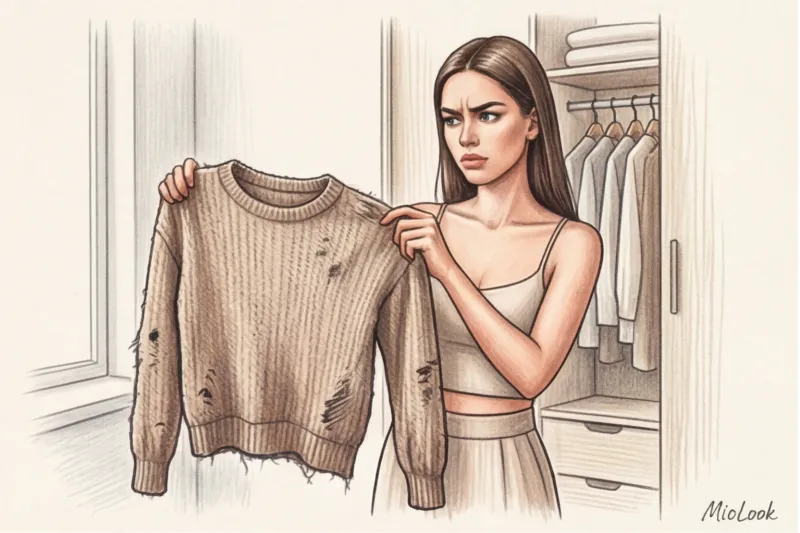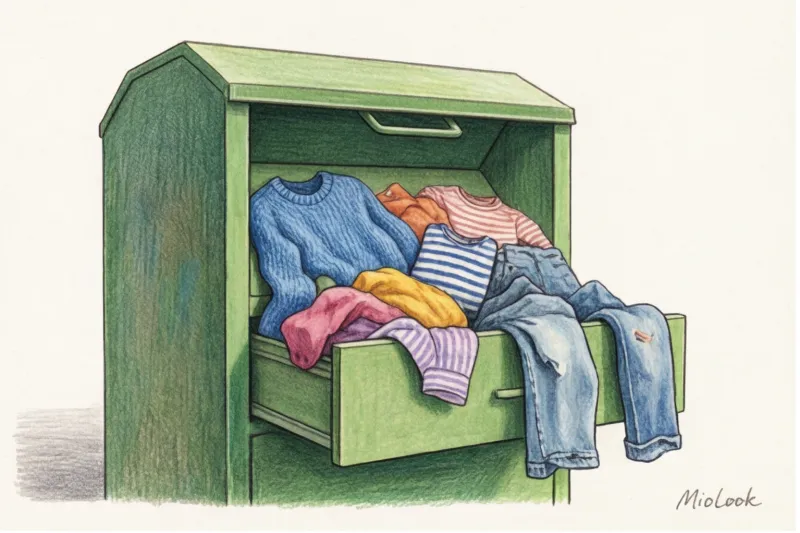
According to the Ellen MacArthur Foundation (2023), less than 1% of all clothing produced is recycled into new items. Have you ever considered this figure when you're standing in front of an open closet full of bags of unwanted clothing? When we're deciding where to donate old clothes, our first instinct is to take absolutely everything to the nearest charity bin and, with a sense of accomplishment, forget about it.
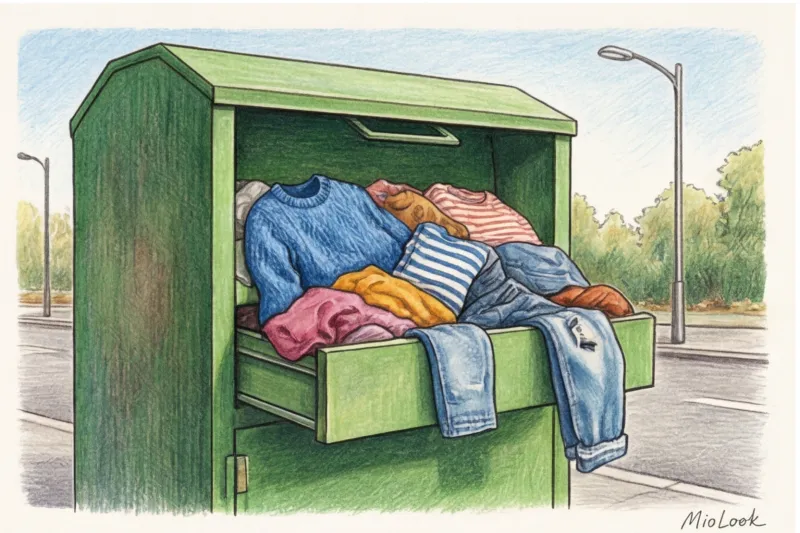
But as a textile expert and practicing stylist, I see the downside of this urge. We often want to quickly clear out a space to start our fashion life from scratch. We discussed the psychology of such changes in more detail in our A complete guide on how to completely change your clothing style without spending too much However, getting rid of a wardrobe requires the same amount of analytical work as buying it.
The Illusion of a "Good Deed": Why You Can't Just Donate All Your Old Clothes to a Charity Fund
One of my clients once proudly told me how she brought five huge blue IKEA bags to a charity. Inside were stretched-out T-shirts from the mass market, pilling acrylic sweaters, and €15 polyester dresses that had irreversibly lost their shape after the first wash. The charity accepted the bags silently, but later we learned the harsh truth: 80% of these items were unwearable.
Throwing worn-out mass-market clothes made from cheap blended fabrics into charity bins isn't environmentally friendly. It's cynically shifting the cost of disposing of your personal waste onto non-profit organizations. These organizations are forced to pay out of their tiny budgets for the removal and commercial destruction of textiles that can neither be sold in charity shops nor distributed to those in need.
Moreover, a study by the analytical agency WGSN (2024) reveals alarming statistics: the lion's share of donated low-quality clothing ends up in illegal landfills in countries of the Global South. This creates a global problem of "textile colonialism," with mountains of cheap synthetics physically destroying local markets and the environment in Africa and Latin America.
Remember the most important rule of eco-friendly decluttering: only donate items you wouldn't hesitate to offer to your best friend. Anything else requires a completely different, technical approach.
Your perfect look starts here
Join thousands of users who look flawless every day with MioLook.
Get access — €0.99 onceSorting like a stylist: Organize items by fabric composition, not by season
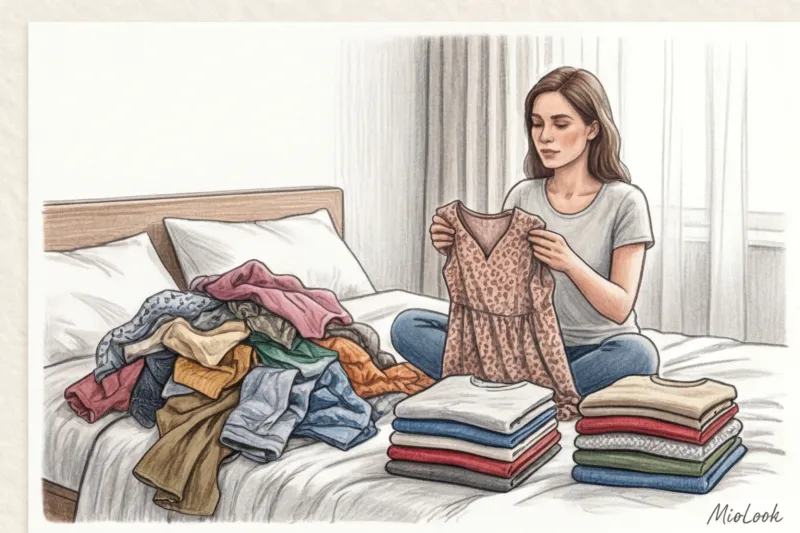
Women usually sort clothes based on the rudimentary principle of "keep, donate, throw away" or by season. I suggest you adopt a professional method: sorting strictly by fabric composition. Only then can you determine the true technological potential of each item.
The thing is, for chemical recycling (when old fabric is broken down to the molecular level and converted into new thread), the material must be at least 95% one type of fiber. Read the labels carefully. If the tag has been removed for a long time, I always check the fabric by touch: pure cotton wrinkles and holds a crease for a long time, wool has a pleasant springiness and retains the warmth of your hands, and cheap synthetics characteristically squeak under your fingers and become staticky.
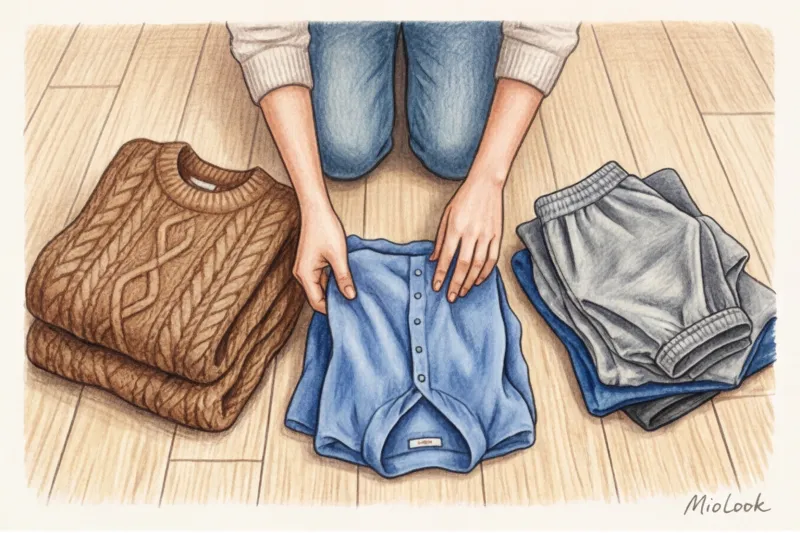
Group 1: Single-composition and branded items in perfect condition
- What's included: 100% wool, thick cotton (from 180 g/m²), natural silk, cashmere or high-quality viscose without the slightest trace of wear.
- Verdict: These items are the golden assets of your closet. They have the highest financial value for resale platforms and are the highest priority for recyclers if they ever become unusable.
Group 2: Items with defects, but made from natural materials
- What's included: Favorite cotton jeans with holes between the legs, cashmere sweaters with tiny moth holes, linen shirts with indelible wine or coffee stains.
- Verdict: They are no longer suitable for charity, but they are happily accepted for mechanical recycling. Pure natural raw materials produce excellent secondary materials.
Group 3: Synthetics, blended fabrics and complex cuts
- What's included: Fabrics blending equal parts polyester, acrylic, and cotton. Lingerie, nylon tights, dresses with intricate trim, lots of glue, and sequins.
- Verdict: This is the industry's main headache. Their path is downcycling, that is, processing them exclusively into technical waste or sound insulation, after which they will end up in a landfill anyway.
Where to donate old clothes in good condition: conscious resale and swap
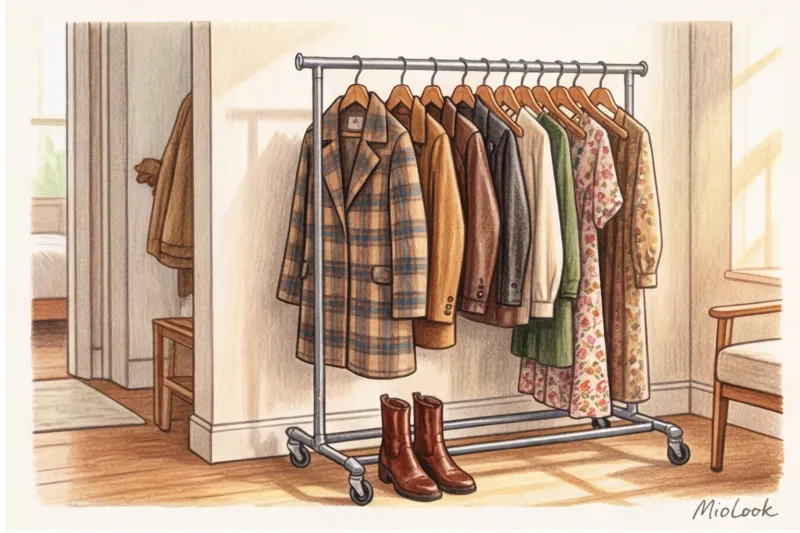
If an item is in perfect condition, the best eco-friendly step is to prolong its life in its original condition. International platforms like Vestiaire Collective or Vinted allow you to recoup some of your investment. Of course, selling budget mass-market items for €10-€20 there is pointless (shipping costs and commissions will eat up any profit), but mid-range (from €80) and premium items find new owners quite quickly.
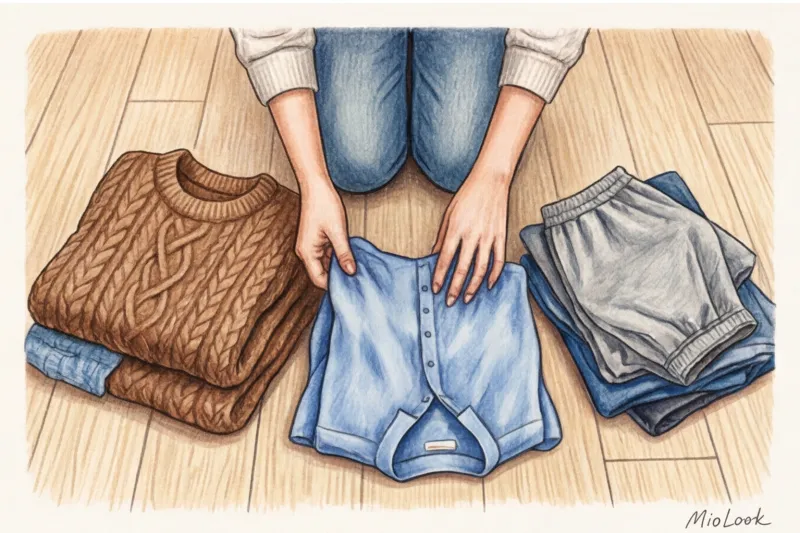
Over my 12 years as a stylist, I've often prepared items for sale for my clients. Here are three unobvious rules to ensure your clothes sell out in a couple of days:
- Return to marketable condition: Be sure to remove any pilling with a special machine, steam the fabric with high power steam, and then go over it with a lint roller. The buyer shouldn't see any traces of your activity.
- Use the right light: Shoot only in harsh daylight from a window. A flat lay on a clean wooden floor works much better than a dark selfie in a mirror against a dismantled bed.
- Focus on macro: Take macro photos of the fabric texture, seams, and the label stating the composition. This will instantly answer 90% of the questions a picky buyer might have.
Swap parties are a great alternative to sales. These are intimate events where participants exchange clothes. The unspoken etiquette of conscious swapping is strict: bring only washed, flawless items with working zippers and a full set of buttons. What you bring should be something you'd want to wear.
Textile Recycling: What's Really Happening in Containers
When things are completely worn out, they go into specialized containers. But what happens behind the closed door of this metal box?
Most reputable organizations send their contents to sorting stations. Mechanical recycling is a rather harsh industrial process. Old jeans and cotton shirts are first cut into strips with guillotine shears and then mercilessly shredded into fibers using huge drums with spikes. The resulting coarse wadding becomes filling for upholstered furniture, mattresses, or building insulation.
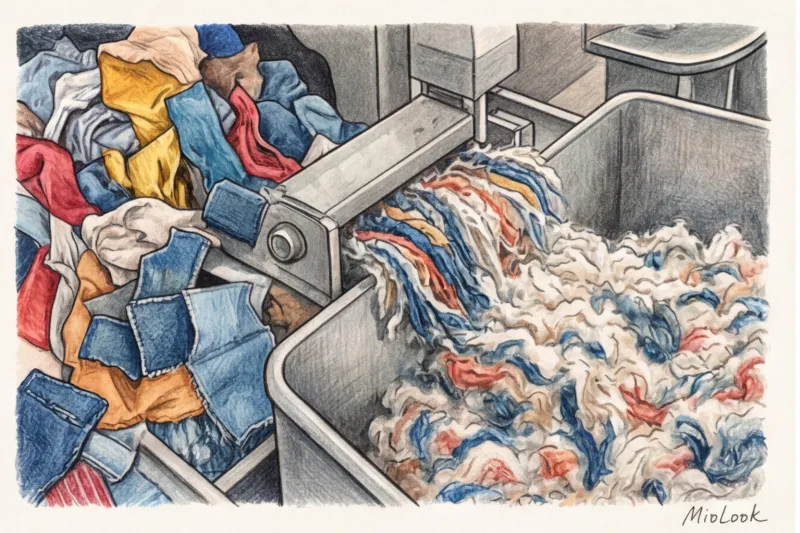
Many of my clients are genuinely surprised why foundations insist on washing even items destined for recycling (as "rags"). The reason is purely technological, not aesthetic. One dirty item with mold or heavy organic stains instantly contaminates an entire batch of raw materials in a multi-ton bin. Factories simply reject and incinerate such batches entirely.
Global Fashion Agenda reports (2023) highlight another hidden problem: elastane. If your jeans contain more than 2% elastane, they become virtually impossible to recycle. The synthetic rubber threads literally melt under the intense friction of shredding machines and clog the blades of expensive machines.
The situation with shoes and bags is even more complex. These are complex, multi-component items, with genuine leather tightly bonded to plastic, metal, and thick rubber. Disassembling old sneakers into their components is economically unviable, so they are often ground into crumbs for playground and sports grounds.
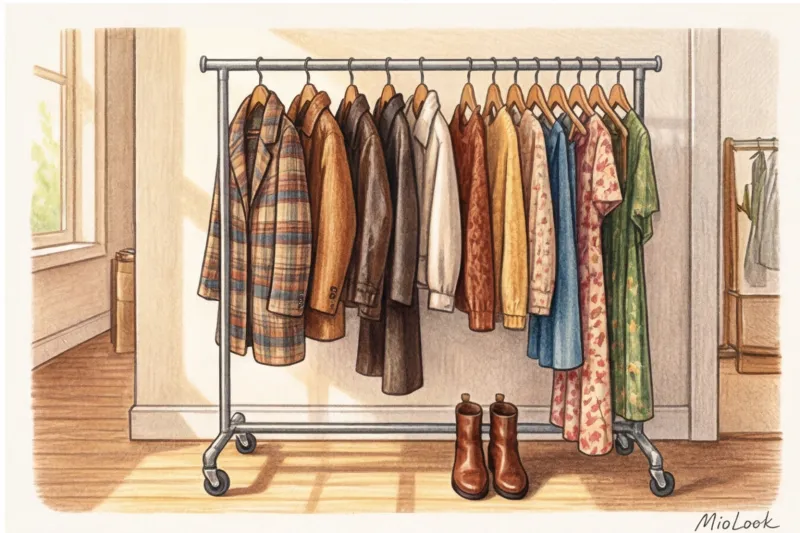
Upcycling and Repair: When Quality Things Should Be Given a Second Chance
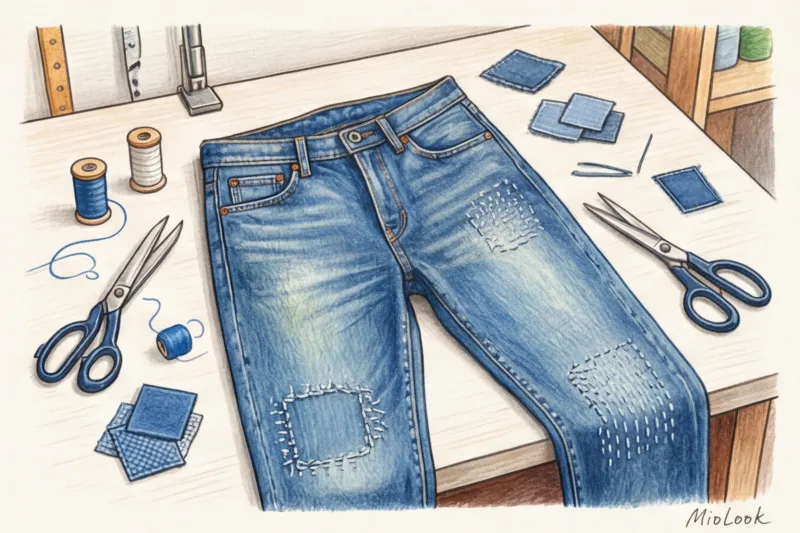
There are times when an item fits perfectly but has lost its luster, and it's a shame to recycle it. Upcycling (creative repurposing) has its own strict rules. I'll be completely honest with you: this method does NOT work if the fabric was originally loose and cheap. There's absolutely no point in salvaging a warped T-shirt made of thin polyester. But if you're dealing with heavy denim, high-quality Italian wool, or heavy linen, it's worth the effort.
Last year, a client and I rescued a gorgeous cotton trench coat we'd bought for €350. The fabric had faded slightly in the sun after a vacation, but it retained its perfect density and shape. Instead of throwing it away, we took it to a professional dye shop to have it re-dyed a deep navy blue. We then replaced the boring plastic buttons with luxurious horn ones (a set cost only €25). The trench coat gained a touch of class and looked like a new piece from a luxury boutique.
A popular method today sashiko Visible darning (Japanese darning) is another luxurious way to customize. Contrasting geometric stitches in thick white thread on ripped jeans transform an annoying defect into an exclusive design element. And high-quality, but hopelessly outdated, men's 100% wool jackets are beautifully remade into trendy women's crop jackets with accent shoulders.
Checklist: Your Action Plan Immediately After Decluttering Your Closet
To prevent the recycling process from dragging on for months of dreary, dreary storage of bags in the hallway, follow a strict algorithm. Here's a plan my clients implement in a single weekend:
- Step 1: Isolate: Immediately put your unpacked items away in opaque bags or boxes. Leaving them out in the open will trigger doubts, nostalgia will set in, and half your clothes will end up back on the shelves.
- Step 2. Split into three streams: Package one — Sell/Give to friends (perfect condition). Package two — Recycling (clean, natural, but with defects). Package three — Garbage (things that won't be accepted anywhere else: dirty underwear, old nylon tights).
- Step 3. Prepare: Throw everything that goes in the first two bags into the washing machine.
- Step 4. Build a route: Find the nearest resale service locker and eco-friendly textile container on the map in advance. Drop everything off on Saturday morning, combining it with a trip to get your favorite coffee.
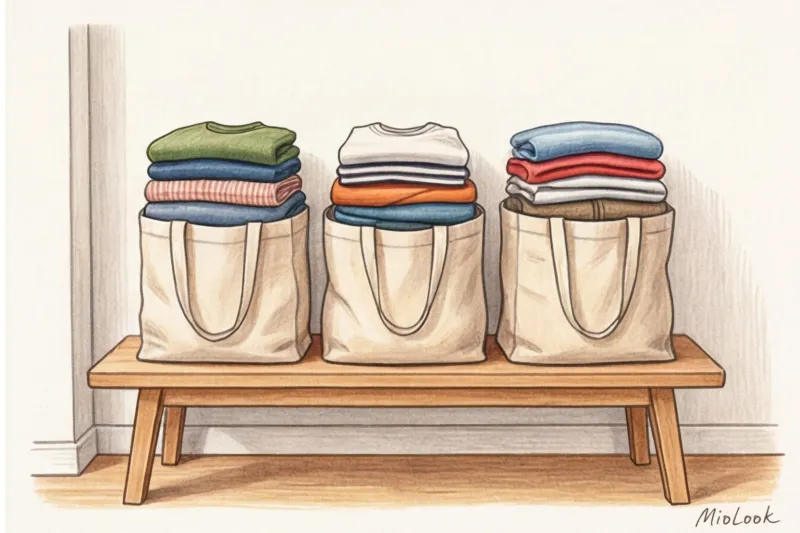
The fifth and most important step is a thorough analysis. Before you start a new capsule collection, take a close look at the bags you've just collected. Which brands have worn out the fastest? Which styles have you never worn, despite paying a pretty penny for them?
To avoid repeating these financial mistakes in the future, I highly recommend digitizing your updated closet. The easiest way to do this is with MioLook application , which helps you visually see all your things on your phone and create stylish looks from them using artificial intelligence.
Recycling isn't just a boring end to a particular item's life. It's the most rigorous and honest indicator of the quality of your consumer habits. The less you have to find containers for old textiles, the closer you are to truly impeccable style.