The Invisible Dress Code: Why Your Train Says More Than Your Suit
In my 12 years as a stylist, I've seen a lot, but one incident backstage at Milan Fashion Week has stuck in my mind forever. The show's lead makeup artist literally sent a stunning model out the door five minutes before she was due to walk the runway. The reason? The model had liberally applied a thick, tuberose-and-patchouli fragrance. In a stuffy room with dozens of stressed-out people working, the scent instantly triggered a migraine among the team. It was then that I finally realized: your perfume isn't just the finishing touch to your look. It's a powerful impression management tool that can either elevate you or completely destroy your carefully crafted image.

The sense of smell is directly connected to the brain's limbic system. The decision whether you like or dislike someone is made subconsciously in just three seconds—often before you've even said hello. According to the medical portal WebMD, about 30% of people experience physical discomfort (headache, nausea, allergic reactions) from strong artificial scents.
In styling, there's the concept of "olfactory personal space" and the sillage rule. The ideal scent should only be felt by those you've allowed into your intimate space. We discussed the art of choosing fragrances in more detail in our complete guide to perfume etiquette But today we'll talk about the other, more formal side of the coin. Every woman who wants to look classy and appropriate needs to clearly know where you can't use perfume with an active loop so as not to violate other people's boundaries.
Top 4 locations where you should absolutely not wear perfumes with a strong scent trail.
Empathy is the main sign of class. The ability to read the context of a situation and adapt not only clothing but also one's scent to it marks a truly elegant woman. The International Fragrance Association (IFRA) rules of perfume etiquette state that fragrance should never intrude into another person's space without their consent. Let's look at specific situations where the perfume taboo is dictated by physiology and basic respect.
Medical institutions and beauty salons
When you visit a dentist, esthetician, or eyelash specialist, the technician is forced to spend anywhere from an hour to three hours in your private area. Your favorite Tom Ford Black Orchid can be a real test of endurance for the technician. Furthermore, medical facilities often house people with altered sense of smell, weakened immune systems, or asthma. A scent that seems like a light floral mist to you can trigger a severe attack of nausea for a patient in the clinic hallway.
Enclosed spaces: airplanes, trains, elevators
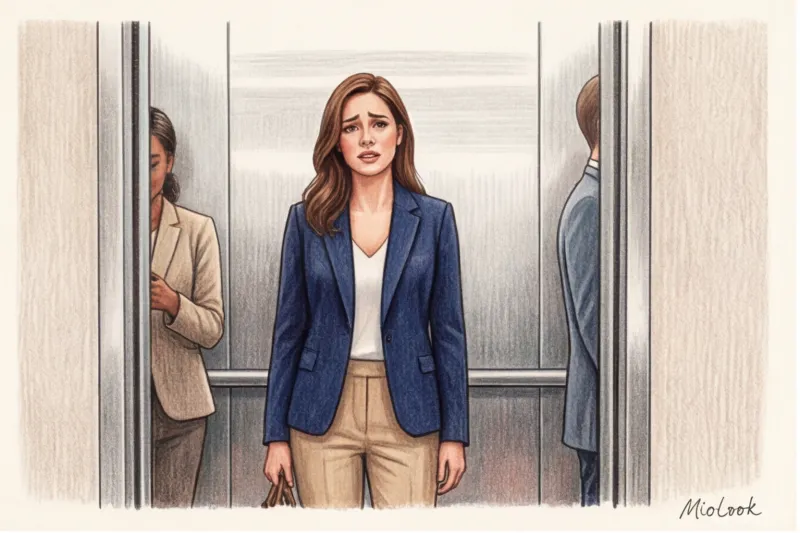
Have you ever noticed the "gas chamber" effect when someone steps into an elevator, generously doused with oriental perfume? In confined spaces, the scent doesn't just linger; it concentrates. On airplanes, the situation is exacerbated by the air recirculation system. The dry cabin air and air conditioning greatly enhance the heavy base notes—oud, musk, amber, and heavy vanilla. What smells beautiful in the frosty air during a walk turns into a chemical weapon in economy class at 10,000 meters.
Access to MioLook for €0.99 — one-time payment
A smart AI stylist will select the perfect look for a flight, the office, or a date, taking into account all the nuances of the dress code.
Get access — €0.99 once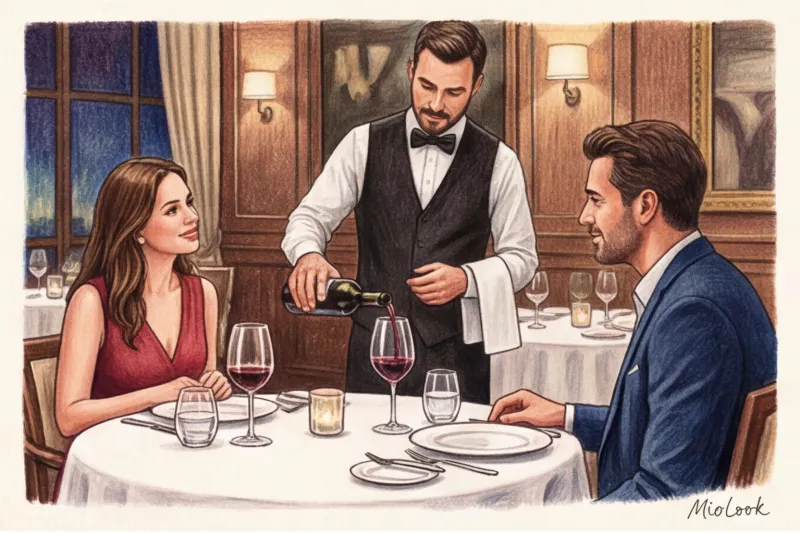
Gyms and yoga studios
There's an important caveat here: this advice does NOT work for light, unscented antiperspirants; they're essential. But wearing a full-bodied perfume at the gym is strictly forbidden. During cardio or deep breathing during pranayama, those around you need pure oxygen, not the molecules of your Baccarat Rouge. Moreover, when mixed with sweat and warm skin, an unpredictable chemical reaction occurs. Even the most expensive and sophisticated fragrances begin to smell sour, harsh, and cheap at a body temperature of 38 degrees Celsius.
Fine dining and wine tastings
Michelin-starred restaurants and wine tastings have an unspoken but strict rule: no perfume. Eighty percent of what we perceive as taste is actually smell. A strong perfume trail overpowers the delicate aromas of dishes, literally ruining months of work by the chef and sommelier. You won't be able to fully appreciate the bouquet of an aged Pinot Noir if your nose is being assaulted by molecules of synthetic jasmine from your tablemate.
Business Etiquette: Perfume Taboos in the Office and at Interviews
The "heavy luxury" syndrome in open-plan offices is one of the most common complaints from HR professionals. Loud, niche perfumes distract colleagues, reduce concentration, and often cause headaches by the end of the workday.
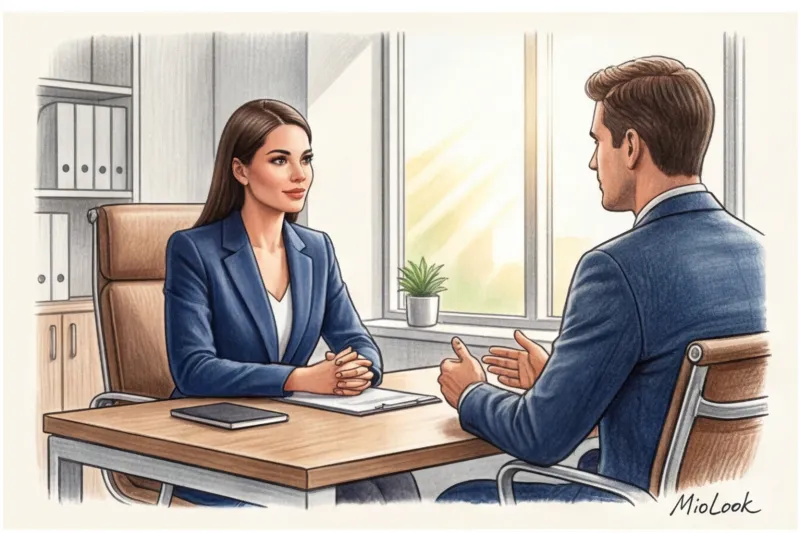
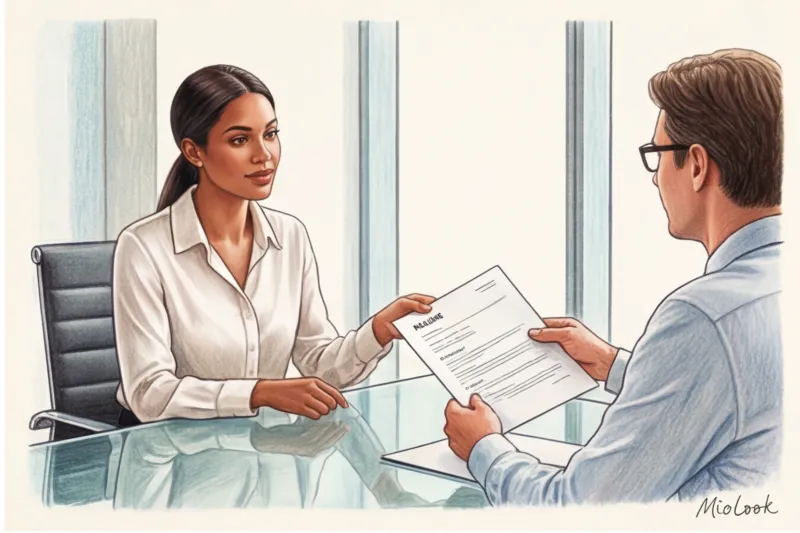
I had a particularly revealing case. One of my clients, a brilliant professional, was applying for the CFO position at a major IT company. We created the perfect outfit for her: a three-piece suit in a cool gray wool, a silk blouse, and loafers. She looked like a million bucks. But she didn't make it through the final interview. HR later confided, "She was the perfect candidate, but the CEO couldn't stand being in the same conference room with her. Her perfume filled the entire space, which he considered a sign of egocentrism and an inability to listen to others."
During a job interview, there's always a risk that your scent will trigger a negative subconscious association in the interviewer's mind (for example, that's what their ex-wife or strict math teacher smelled like). Why risk your career over a bottle of perfume?
The formula for the perfect business fragrance: sparkling citrus + light woods (cedar, vetiver) + a complete lack of lingering sillage. The scent should only be noticeable during a handshake.
By the way, when I help clients collect business capsules through MioLook app I always recommend choosing the most neutral, "transparent" fragrances for formal looks. The app perfectly organizes your wardrobe, and all you have to do is add the right invisible aura.

The Stage and Public Speaking: A Hidden Threat to the Speaker
I often prepare experts for TED talks and large-scale conferences. And the first rule I explain during the fitting is: on the day of the talk, we forgo the perfume. Completely.
Why is this so important? Firstly, stress, adrenaline, and powerful stage lights instantly raise your body temperature. A perfume that seemed subtle to you in the morning will literally "scream" on stage, distracting the audience in the front rows from the essence of your presentation. Secondly, most perfumes are alcohol-based. When you breathe deeply during an active speech, microparticles of alcohol get on your vocal cords, drying them out. The risk of losing your voice or coughing unpleasantly into the microphone increases dramatically.
Your status on stage should be conveyed by your clothes. Read our article on how to create the right visuals. clothing for public speaking A perfectly tailored suit, high-quality fabric, and confident posture will convey your professionalism far more than the most expensive bottle from TSUM.
Your perfect look starts here
Join thousands of users who look flawless every day with MioLook. Create a stage or office wardrobe in just a few clicks.
Get access — €0.99 once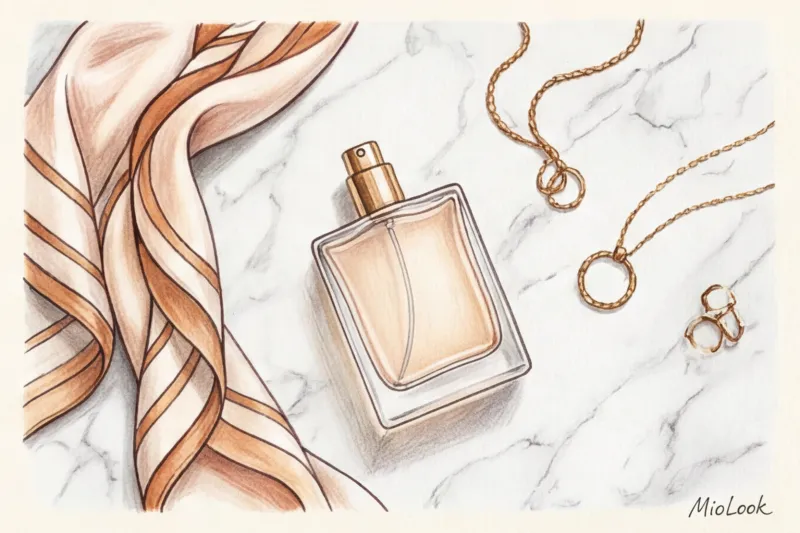
Perfume myth: "Expensive niche perfumes are always appropriate."
There's a dangerous misconception: if a perfume costs $300 and is purchased at a boutique, it automatically gives its owner a license to wear it at any time of day. This is fundamentally wrong.
A counterintuitive insight that often surprises my clients: in high-society business circles and the Old Money ("quiet luxury") aesthetic, wearing loud, heavy-sillage perfumes during the day is considered downright bad form. It's perceived as trying too hard, a sign of inner insecurity that the person is trying to compensate for with a "rich" scent.
A 2024 study and report by the respected agency WGSN Beauty confirm a global shift in the industry: statement fragrances (loud, pronounceable scents) have been replaced by a trend toward 'skin scents'—the scents of a clean body. The ultimate status symbol today is the scent of expensive skincare cream, freshly ironed cotton, and clean skin. Your scent shouldn't precede you into the room; it should remain an exquisite secret for a select few.
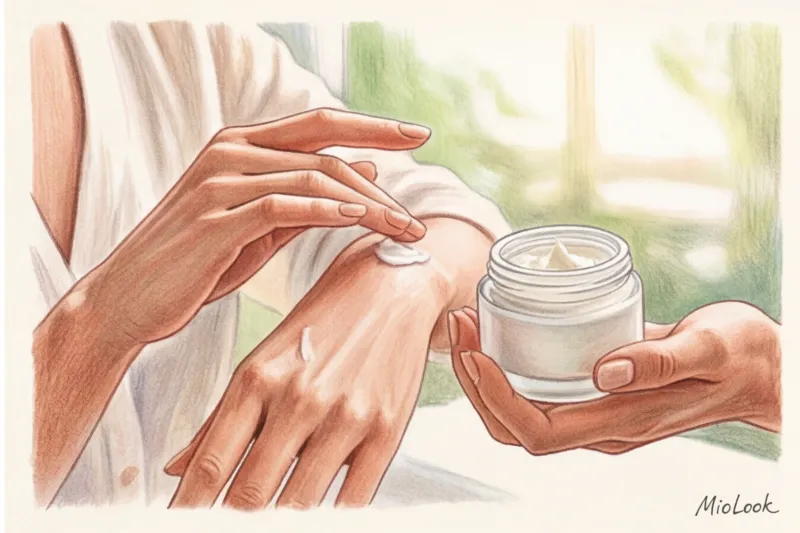
Elegant Alternatives: What to Replace Perfume With When It's Banned?
What should you do if you feel "naked" without your favorite scent, but the situation requires adhering to a strict olfactory dress code? Over the years, I've identified four ideal alternatives that will help you maintain your signature scent without breaking the rules:
- Perfumed body lotions and creams. Bath lines from favorite brands are a lifesaver for the office. They moisturize the skin and leave a subtle scent that stays close to the body.
- Solid perfumes. Their waxy texture is alcohol-free, so they leave no sillage at all. They melt onto pulse points, creating an intimate aura. Plus, they're easy to control during application.
- Molecular aromas. Compositions based on Iso E Super or Ambroxan molecules (for example, the famous Escentric Molecules) don't have a classic scent in the traditional sense, but rather enhance your skin's natural aroma, creating a fresh effect.
- Hair mists. They contain minimal alcohol (so as not to dry out your hair), they sound delicate and open up only when you turn your head or adjust a strand of hair.
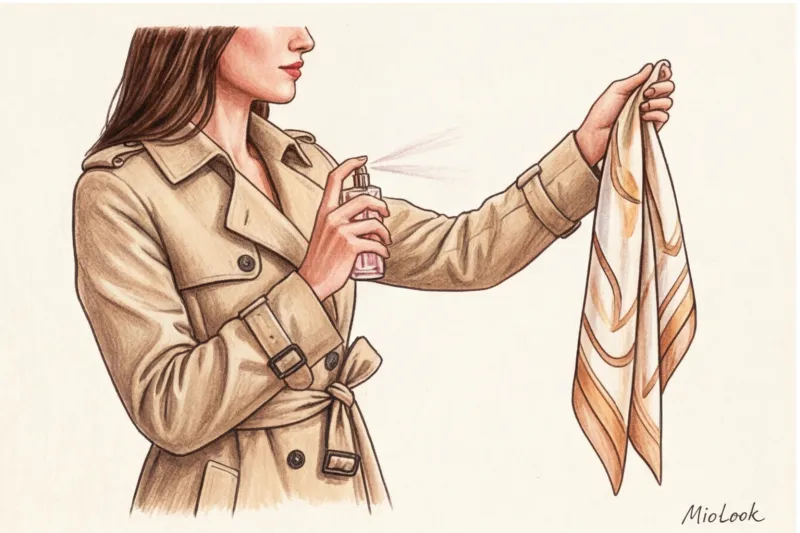
Checklist: How to Check if Your Perfume Is Too Loud
We often suffer from olfactory blindness—our nose gets used to a favorite scent within a couple of days, and we begin to increase the dose, applying 4-5 sprays. This causes those around us to choke. How can you test yourself?
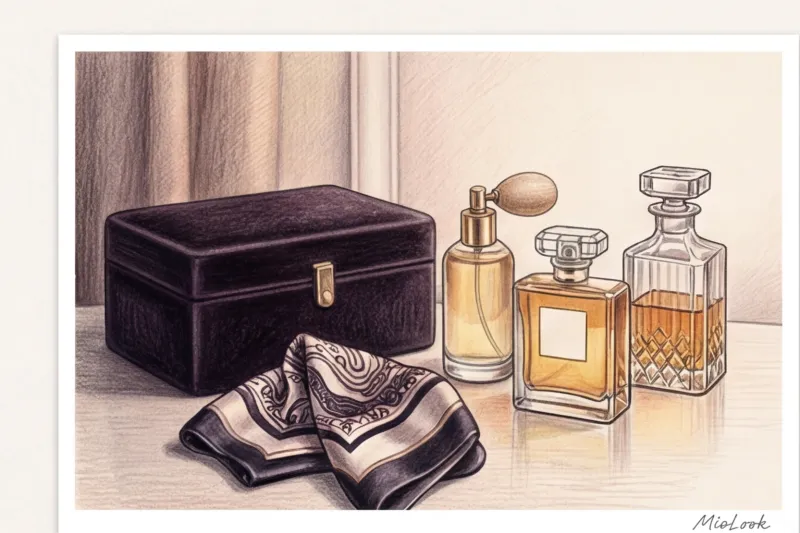
Do a simple scarf test. Spray your usual amount of perfume on a silk scarf or shawl and leave it in an empty, closed room for 15 minutes. Step outside, drink some coffee, and then return to the room. If the scent hits your nose right from the doorway, you've overdosed it. If you only notice it when you get right up close to the scarf, you're doing it right.
For daytime, I always recommend using the "one spray" rule. Don't apply it to your neck or behind your ears (where it will constantly hit you and your companion in the nose), but to your stomach, behind your knees, or on the hem of your skirt. Warm air rises, and the scent will envelop you in a delicate, unobtrusive cocoon all day long.
Remember the most important thing: perfume is your privilege, not a right. Knowing how to wear a scent so that it intrigues, not dominates, is true elegance that will never go out of style.
Ready to get started?
Try the MioLook plan for free—no commitments required. Create flawless looks where every detail, from your jacket to your perfume, enhances your status.
Get access — €0.99 once