Paradigm Shift: Why Old Lists of "Banned" Clothing No Longer Work
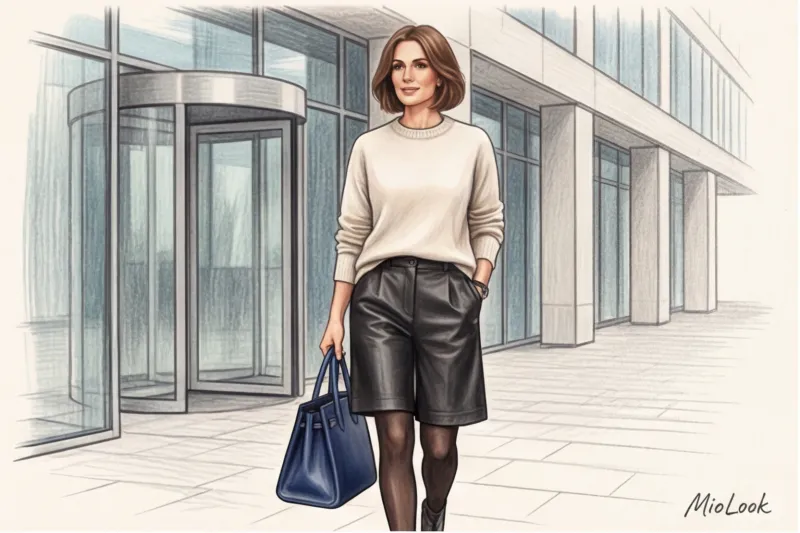
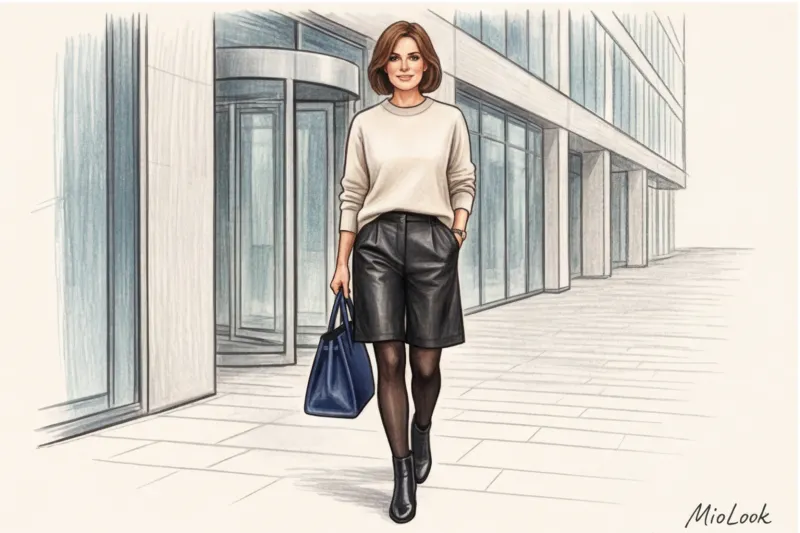
When 42-year-old Elena, the CFO of a large IT company, first came to see me for a consultation, she laid out a stack of conservative mermaid skirts and button-down blouses on the table. "I read that these are the very things you shouldn't wear after 40—or rather, the opposite—that's the only thing you should wear to look respectable," she sighed. That same day, we swapped her "age-appropriate" uniform for classy matte leather Bermuda shorts, worn with thick black tights and a cashmere sweater. Elena looked in the mirror and couldn't believe her eyes: she looked younger, more modern, and, paradoxically, much more classy.
The fashion industry has changed dramatically. According to the WGSN global report for 2024, the macro trend in ageless style (ageless style) has finally displaced rigid demographic boundaries. Mini lengths, crisp denim, and bright colors are now completely legit at any age, if styled correctly. We discussed this in more detail in our A complete guide to a basic wardrobe for women of elegant age.
The main rule I teach my clients is that after forty, we don't ban ourselves from certain styles. We veto low quality, compromised fit, and cheap execution. At this age, your main currency is status and a well-worn look. Let's look at 10 specific items that no longer have a place in your closet.
What to avoid: cheap textures that ruin your status
The secret to visual richness lies in the laws of physics—in the way light reflects off the surface of a fabric. Expensive Super 120s spun wool absorbs light, creating a deep, refined hue. Cheap synthetics reflect light in harsh highlights, instantly revealing their mass-market origins. No perfect cut can save a garment if the fabric looks like it's about to pill.
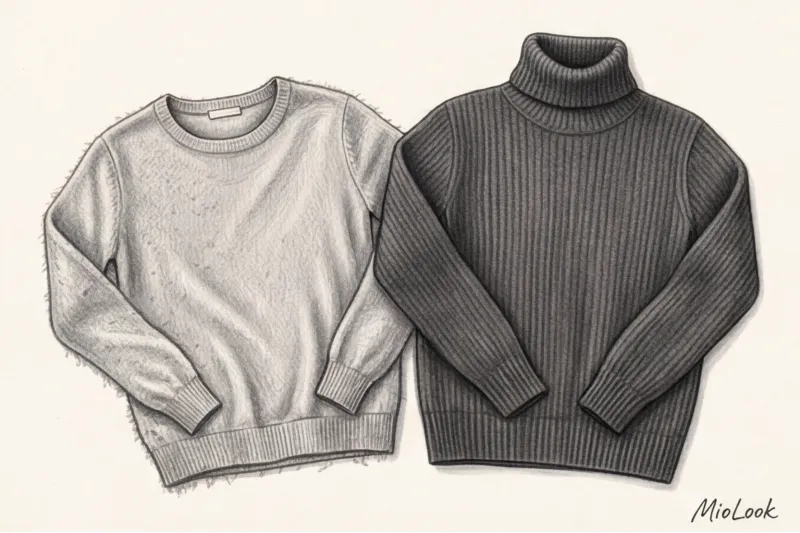
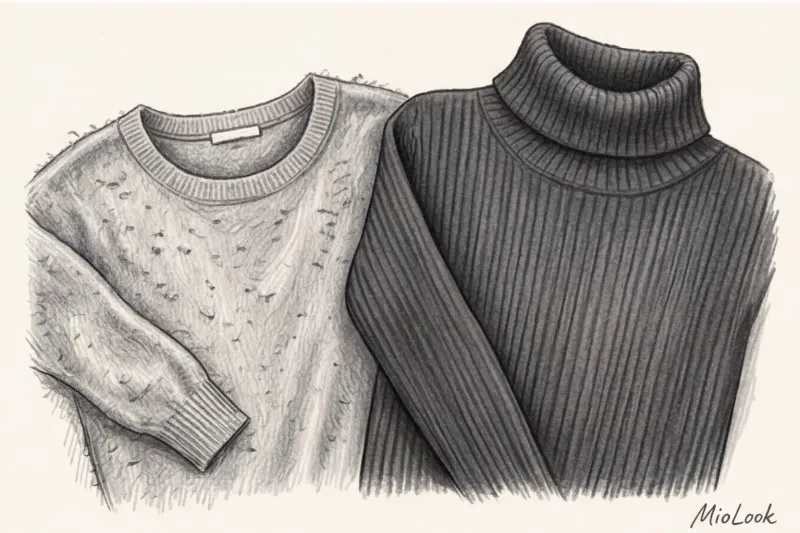
1. Thin, flimsy knitwear (especially viscose and acrylic based)
In my experience as a stylist, thin, tight knitwear is enemy number one. It treacherously accentuates the contours of underwear, even the slightest folds on the body, and visually makes the figure look loose. Blends with a high acrylic content are the worst: they become staticky and lose their shape after the first wash.
I always have my clients do a simple "light test" in the store. Hold the knitwear up to the light and slide your palm under the fabric. If you can clearly see the outline of your fingers, return the item to the hanger.
A status alternative: invest in heavyweight cashmere, merino, or double-knit cotton (180 g/m² and above). They create the necessary air gap between the fabric and the body, which creates a flattering silhouette.
2. Low-quality shiny eco-leather
Eco-leather comes in many forms. High-tech vegan materials are now used even by luxury brands. But cheap polyurethane (PU leather) from the budget segment is a dead giveaway: it creaks when you walk, forms unsightly wrinkles at the folds (especially at the elbows and knees), and has a characteristic "oilcloth" sheen.
After 40, the texture of your clothing should convey comfort and confidence. Cheap faux leather creates a feeling of stuffiness and stiffness. Replace it with matte genuine leather or premium faux leather with the right grain (suede inner surface) that drapes softly rather than being stiff.
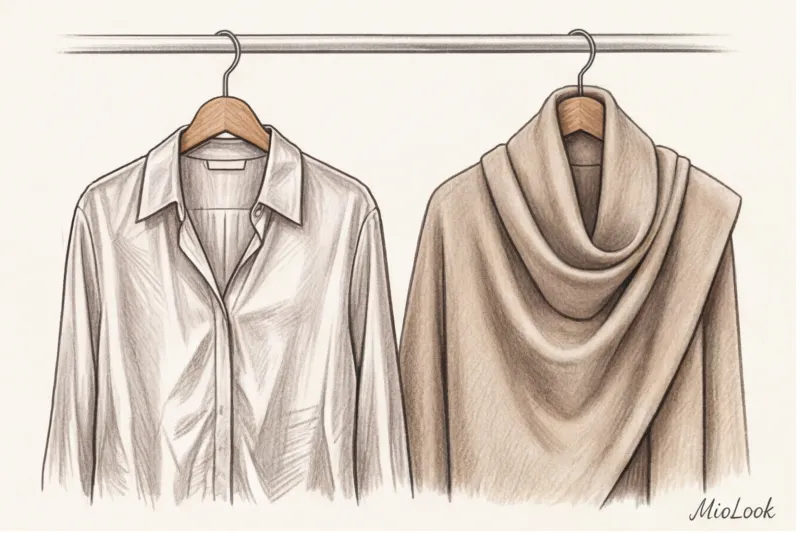
3. Artificial silk and satin with a cheap sheen
There's a dangerous optical illusion here. Cheap synthetic satin next to the face acts like a poor reflector in photography. Its harsh, glassy sheen casts harsh shadows on the face, highlighting wrinkles, dark circles under the eyes, and signs of fatigue.
Instead of polyester blouses, choose heavy crepe de chine, matte silk, or cupro. These fabrics have a delicate, pearly sheen. They diffuse light, acting as a soft-focus filter that visually brightens the complexion.
Access to MioLook for €0.99 — one-time payment
A smart AI stylist will select the perfect look based on your appearance and wardrobe.
Get access — €0.99 onceCutting mistakes: what clothes should you avoid wearing after 40 to avoid distorting your proportions?
In the premium segment, there's a concept called "architectural tailoring." Clothes should naturally hold their shape, defining the geometry of your body, rather than simply sagging. Many women make the mistake of choosing shapeless garments in an attempt to achieve comfort.
4. Jeans with heavy abrasions, embroidery and rhinestones
Excessive embellishment on denim today not only looks outdated, it even looks childish. The abundance of rhinestones, bleached thighs, and fake holes steal the show and cheapen the look. If you're looking to experiment with 2000s trends, read our article about Y2K style and how to wear it today , but leave rhinestones on jeans in the past.
The secret to a luxurious everyday look is crisp, raw denim in deep blue or graphite shades. Straight-leg styles with a mid- to high-waist, made from 100% cotton (or with no more than 2% elastane), act as the perfect corset, sculpting the figure.
5. Shapeless robes "to hide the figure"
This is the most common and dangerous misconception. Women often come to me with the question: "I've gained weight, I need something roomy to hide it." The counterintuitive fact is: shapeless oversized clothes, thin cardigans, and loose-fitting hoodies visually add 5 to 10 kilograms and a decade to your appearance.
The human eye judges size by the widest point of clothing. When you hide in a "tent," others subconsciously draw a picture of volume beneath it. I'll be honest: a semi-fitted cut with a clear structure, defining the wrists, ankles, and shoulder line, flatters absolutely any body type.
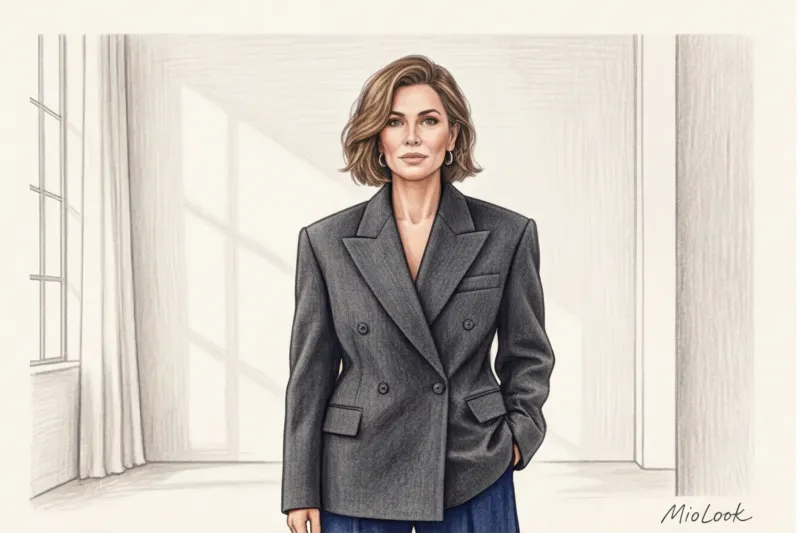
6. Jackets made of soft fabric without a rigid shoulder belt
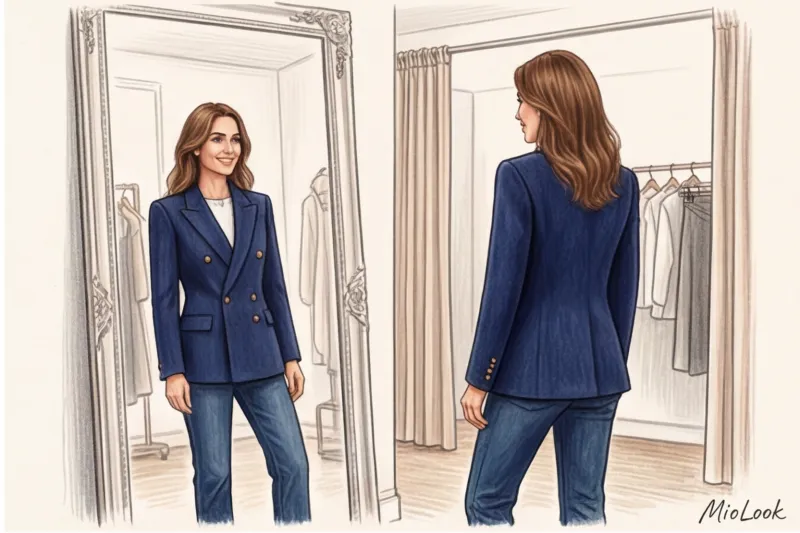
I often see this scene in fitting rooms: a client puts on a "slack" knit jacket without shoulder pads, and her posture instantly slouches, and her silhouette becomes sagging.
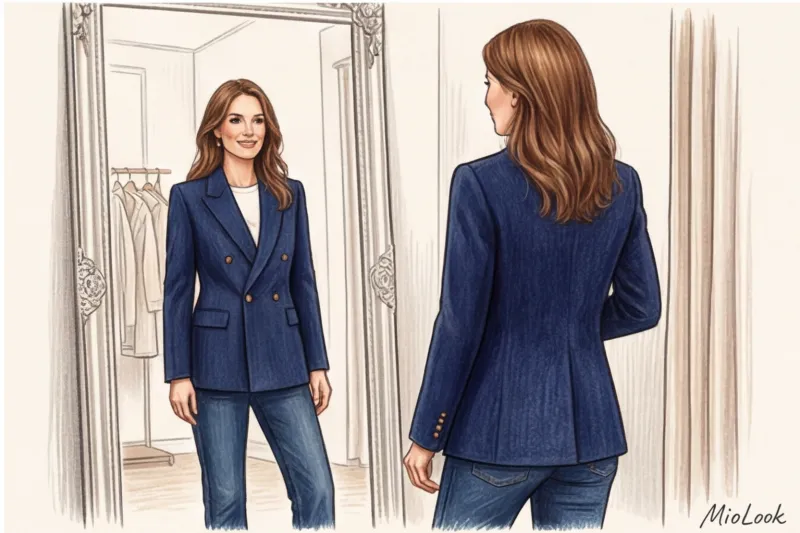
A strong, defined shoulder line creates a visual lift. It creates an inverted triangle (from broad shoulders to a narrow waist), making the figure appear more delicate and the facial contours appear more toned. Look for double-breasted jackets with classic canvas construction. Sure, you can't curl up on the couch in them, but they create a poise that's impossible to fake.
Accessories that betray you: what you absolutely mustn't skimp on
The golden rule of wardrobe investment is: the perfect bag and quality shoes can elevate even a basic white T-shirt from the mass market to a luxurious level. But the opposite doesn't work: cheap, low-quality accessories will ruin the impression of even a Tom Ford suit.
7. Bags with recognizable fakes or cheap fittings
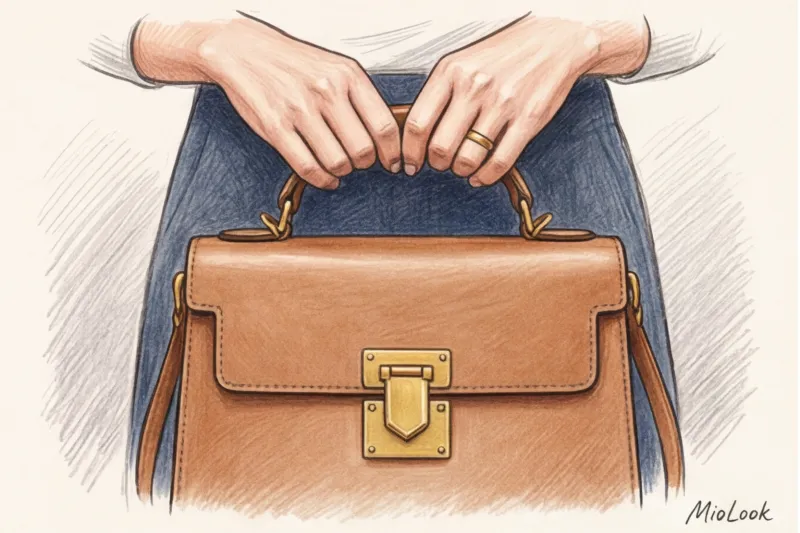
There's no fine line between a replica and "inspiration." Fakes are detected subconsciously. But even if a bag doesn't imitate the Chanel logo, its hardware can give it away.
As a buyer and stylist, I always evaluate metal: cheap hardware is lightweight, makes a rattling sound when walking, and its unnaturally yellow galvanic coating wears off within a month. You can learn about which jewelry and metals are currently in fashion in our article about the main trends in costume jewelry A simple, no-name brand bag made of thick Italian leather (mid-range, $200-$300) will look much more prestigious than a luxury or mass-market knockoff with plastic zippers.
8. Heavily worn shoes and plastic heels
Frayed toes, creases in faux leather, and the hollow clack of plastic heels on the pavement are all indicators of fuss and neglect. It's important to remember the mathematical formula of cost-per-wear.
Let's say you buy classic leather loafers for $400. You'll wear them 200 times over three seasons. The cost per wear is $2. Cheap polyurethane ballet flats for $50 will look bad after just 10 wears. The cost per wear is $5. Expensive shoes made of high-quality leather with sole protection are always cheaper in the long run.
Your perfect look starts here
Join thousands of users who look flawless every day with MioLook. Digitize your wardrobe in just a few clicks.
Get access — €0.99 oncePsychological Wardrobe: 9 and 10 Things You Need to Get Rid of Forever
McKinsey's 2023 consumer behavior study confirms a statistic every stylist knows from experience: 80% of the time, we wear just 20% of the items in our closet. The rest is taken up by compromises, past mistakes, and "conditional items." Clothes are the closest material reflection of how much you love yourself.
9. "Clothes for home and garden" from things you feel sorry to throw away
How many times have you tossed a stretched-out T-shirt, a faded jumper, or leggings with the knees stretched out into the "take home" pile? Wearing something you'd be embarrassed to open the door to the delivery guy in is an act of daily micro-disrespect.
Home is where you recharge. Create a complete sleep capsule: buy silk pajamas, a cashmere-blend suit, or loose linen trousers. You'll be surprised how your posture and sense of self will change, even while drinking your morning coffee.
10. Things for when I lose weight
Every other client of mine has a dress or jeans hanging in their closet, waiting to reach their "ideal weight." Every time you open the closet door, you stumble upon these items and feel a pang of guilt.
The rule of true elegance: dress the body you have today, and dress it in the best fabrics you can afford. Get rid of clothes that are too small. If it's a cherished designer piece, take it to a reputable tailor; often, the extra fabric allows for a half-size alteration.
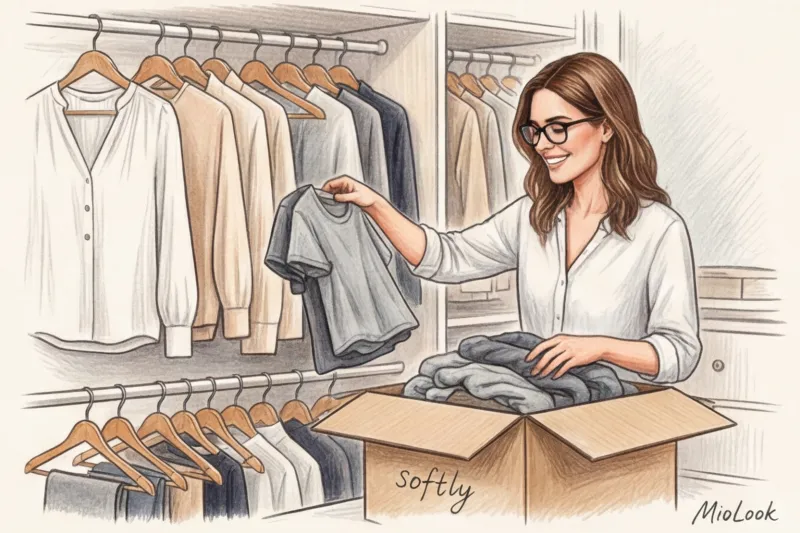
Checklist: How to audit your wardrobe and implement smart style rules with MioLook
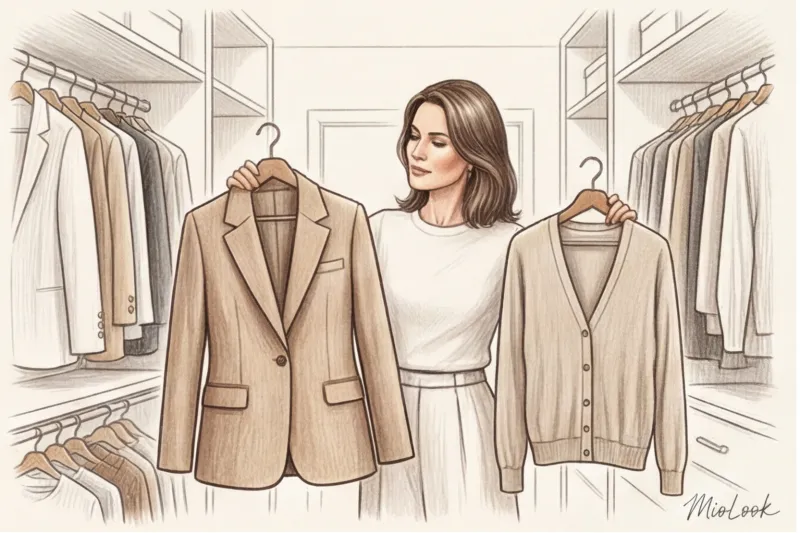
Getting rid of outdated items is a process that requires a system. Here's a step-by-step plan to help you clear space for your new, iconic style:
- Merciless revision. Take absolutely everything out of your closet. Check each item for three factors: light testing (fabric density), hardware integrity, and fit.
- Getting rid of ballast. Place all items that squeak, are excessively shiny, have lost their shape, or are too small in a box. Don't save them for the "summer house."
- Digitization of the database. To avoid buying new random things, use the app MioLook Upload your remaining high-quality items there. Artificial intelligence will help you create new outfits from what you already own and highlight any gaps in your wardrobe.
- Mindful shopping list. When planning to buy a new jacket or jeans, use the app to check which five items from your closet they will go with.
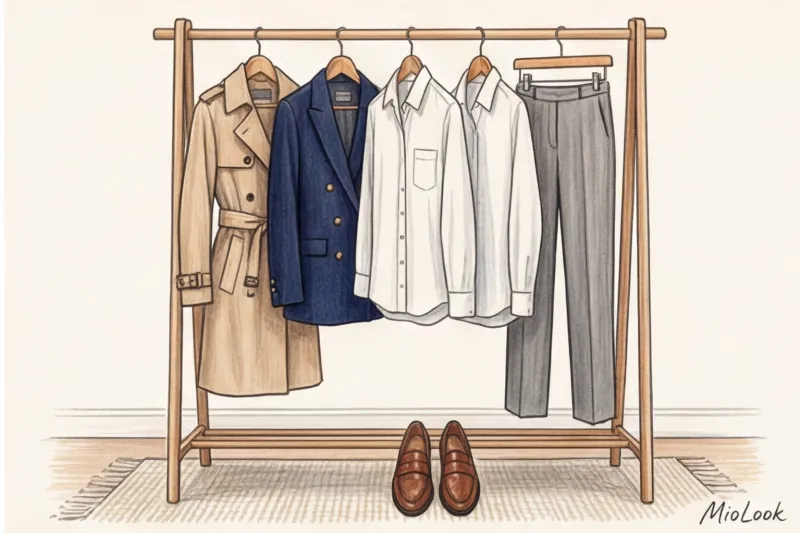
Forty is a time of absolute luxury for yourself. You've already proven everything you ever wanted to the world, and now your clothes should focus solely on your comfort, status, and confidence. Rejecting cheap textures and compromised cuts isn't a limitation. It's a shift to a whole new level of self-esteem.