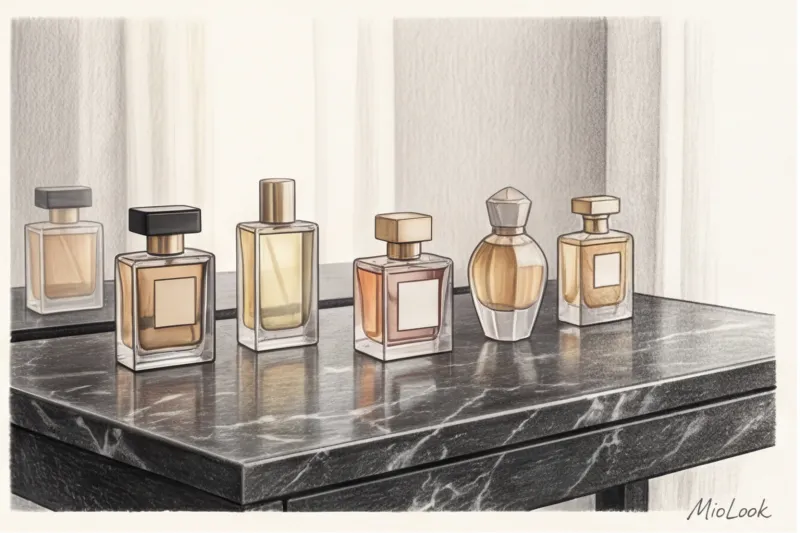
Perfume wardrobe: what it is and why it is essential for the modern woman
One day, a client of mine, the CEO of a major tech company, ruined a crucial morning meeting. It wasn't the numbers, the strategy, or even a poorly chosen suit. It was five generous sprays of Baccarat Rouge 540. A heavy, enveloping scent of burnt sugar and saffron literally suffocated the participants in the cramped conference room, causing them to experience physical headaches. The deal was delayed, and the impression was hopelessly ruined.
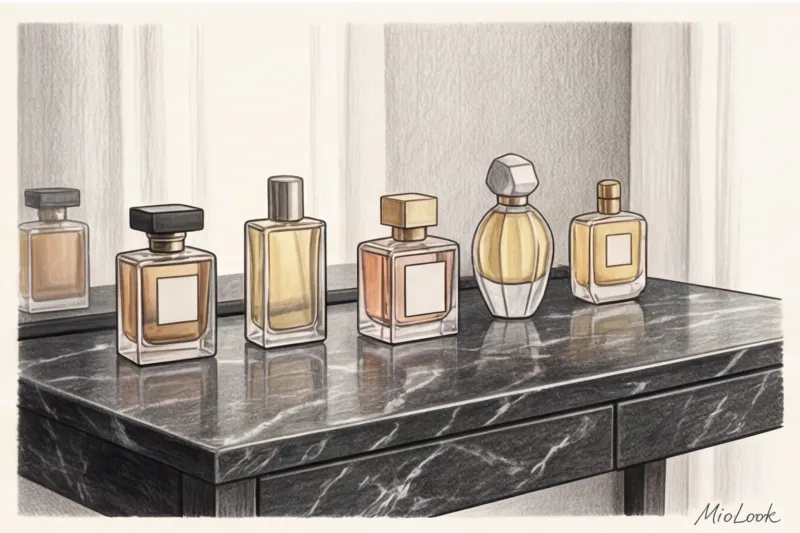
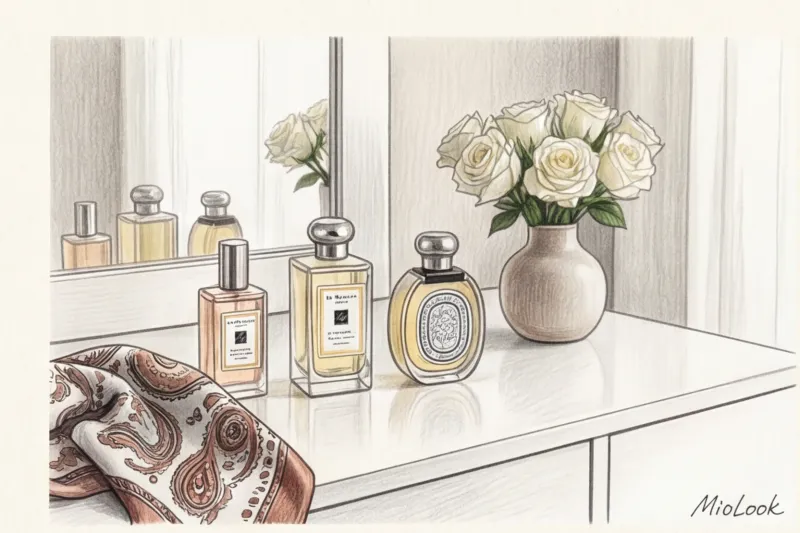
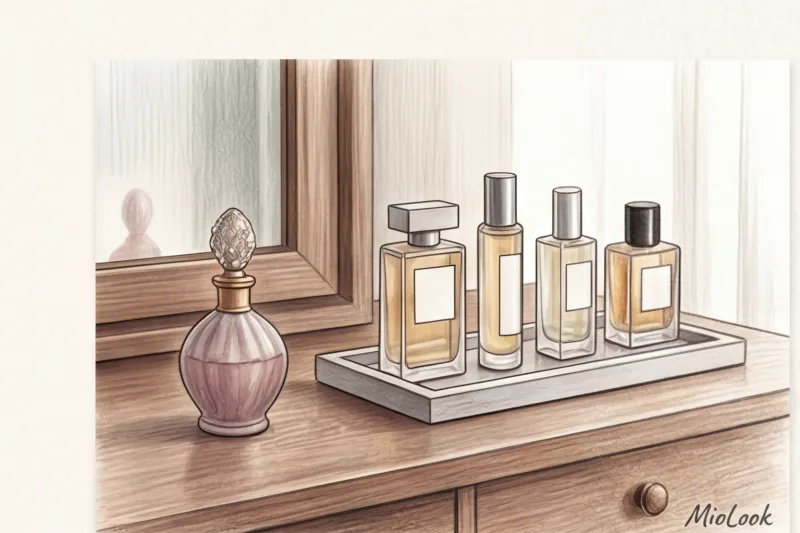
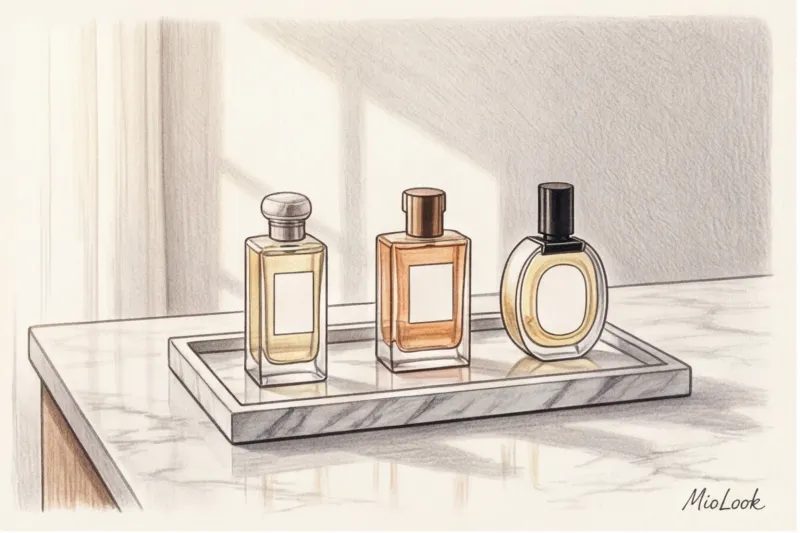
When I am asked during consultations: What is a perfume wardrobe? Whether it's just another marketing gimmick from brands or a genuine necessity, I always remember this incident. The concept of a single, lifelong fragrance that announces your arrival from a mile away is hopelessly outdated. Today, a fragrance wardrobe is a consciously curated collection of 3-7 bottles that seamlessly covers all your social roles, from morning Pilates to a black-tie dinner.
Why do we even make the mistake of dousing ourselves with heavy perfumes? The answer lies in physiology. According to neuroscientists, olfactory adaptation (or partial anosmia) occurs after just 14 to 21 days of daily use of the same fragrance. Your brain perceives the familiar scent as a "safe background" and simply switches off the receptors. You feel like the perfume has worn off, so you increase the dose, while everyone around you suffocates. We discussed this phenomenon in more detail and how to find your ideal base in our The complete guide to finding your scent: the secrets of the perfume "I".
The Anatomy of the Ideal Capsule: How Many Vials Do You Really Need?
As a fashion stylist, I apply the same rules to perfume as I do to an investment wardrobe. Ten identical floral waters, bought on a shopping spree at a sale, aren't a wardrobe. They're just cluttering up a vanity. The ideal perfume capsule follows the "4 seasons, 3 occasions" rule.
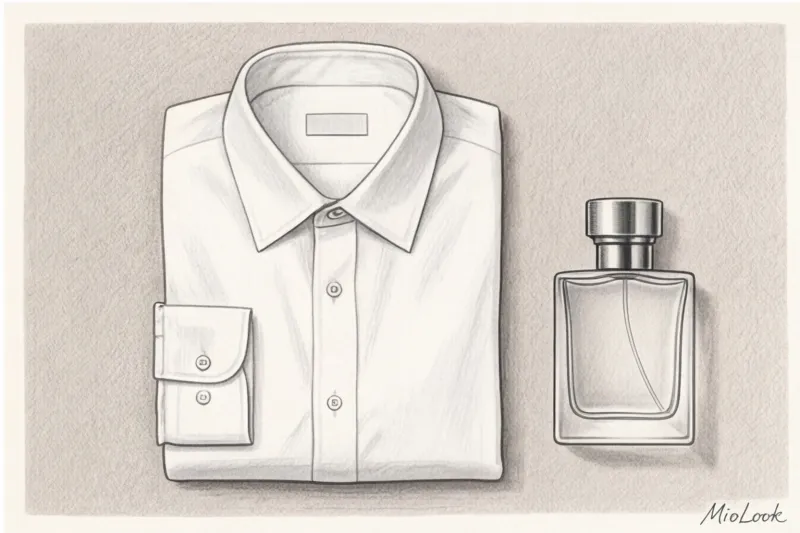
You don't need hundreds of bottles. A high-status woman only needs to cover three basic needs: shirt-style fragrances (for work and daily routine), cashmere-style sweater fragrances (for comfort, weekends, and personal touches), and tuxedo-style fragrances (for evenings out and tough negotiations).
Your perfect look starts here
Join thousands of users who look flawless every day with MioLook.
Get access — €0.99 onceBasic Wardrobe: The "White Shirt" in the World of Perfume
A daytime or office fragrance should possess three characteristics: political correctness, clarity of presentation, and the absence of a long sillage. It shouldn't intrude on your colleagues' personal space. This is your perfume "white shirt" made of thick Egyptian cotton—it's always appropriate, conveying status and freshness.
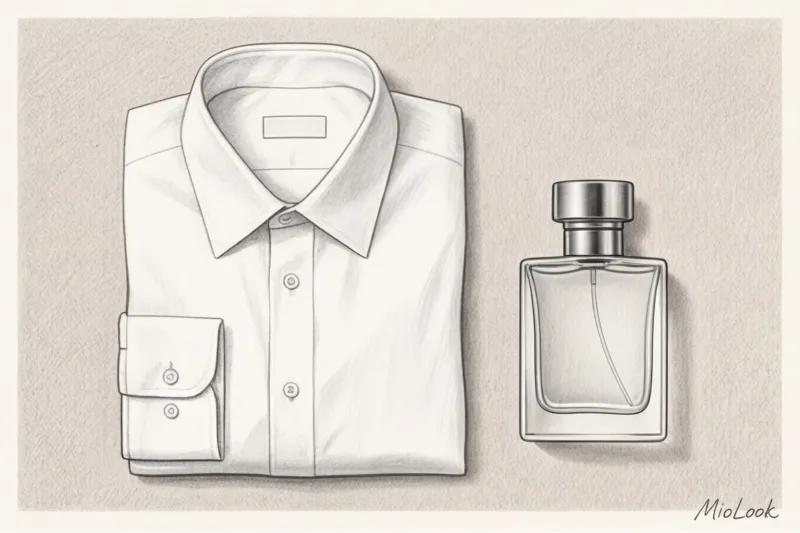
Look for compositions built around notes of neroli, cool iris, green tea, vetiver, and white musk. At a business meeting, such a scent subconsciously conveys organization, cleanliness, and high intelligence. Excellent examples include Prada Infusion d'Iris or Byredo Blanche.
Evening and status perfumes: "Tuxedo" and "Silk"
Evening fragrances are the heavy artillery. They're designed for the theater, gala dinners, and situations where you need to dominate. Complex chypres, rich amber, lingering resins, patchouli, and oud reign supreme here.
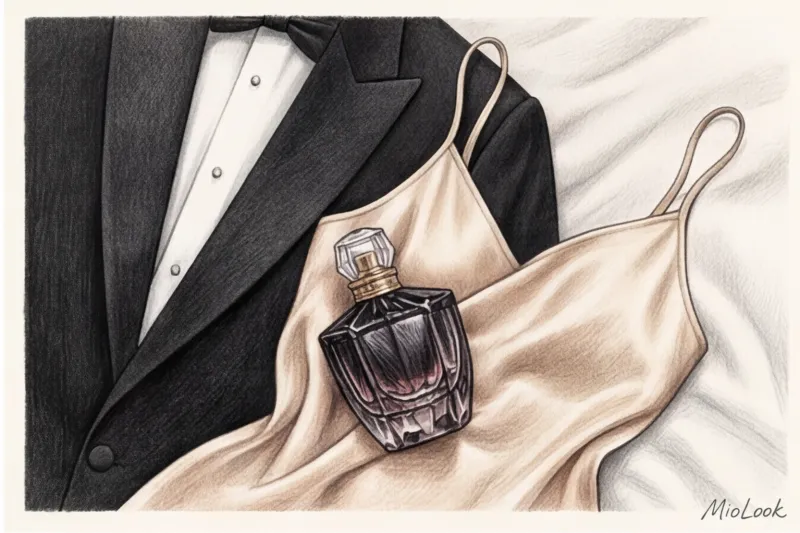
The main rule of the "perfume smoking jacket" is microdosing. Over 12 years of experience, I've developed a formula: the more expensive and complex the fabric of your outfit (velvet, thick silk), the finer the application should be. Ideally, use a "smear" technique on the pulse points, rather than a spray.
Myths about longevity and cost: what we pay for in niche perfumery
Perhaps the most irritating myth I've heard is this: "If a perfume costs $300, it's supposed to last a day, maybe even three." Expecting a sophisticated citrus cologne to last 24 hours is like expecting a sheer silk slip dress to last as long as a camping tent. It's physically impossible and aesthetically absurd.
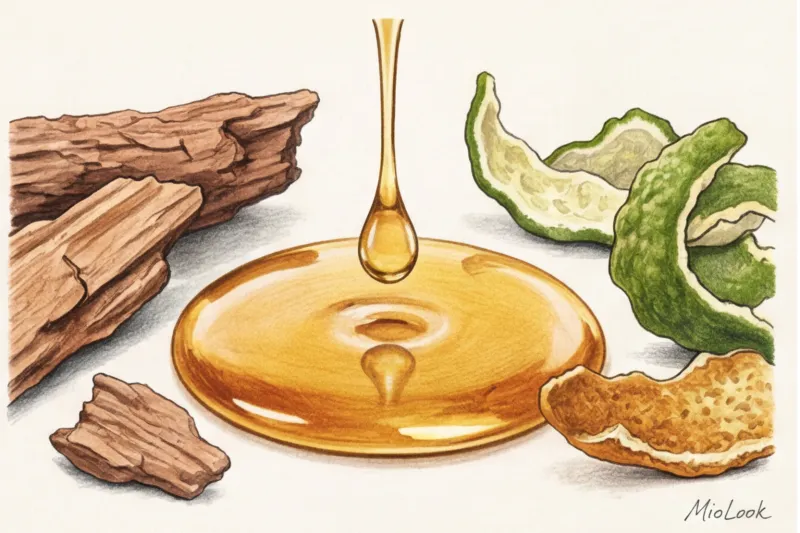
Longevity depends solely on the molecular weight of the ingredients. Citrus molecules (such as limonene) are very light. They evaporate from hot skin within 15–30 minutes, leaving only a slight aftertaste. But wood resin, musk, and oud molecules are heavy and unwieldy, and will linger on you until your evening shower.
"Creating a fragrance is the art of refusal. A good perfume shouldn't scream. It should whisper and leave space for the personality of the wearer."
— Jean-Claude Ellena, former head perfumer of the house of Hermès
The high price of niche perfumes (haute parfumerie) is determined not by their loudness, but by the quality of the raw materials, the purity of the extraction, and the genius of the composition itself. Moreover, according to the strict standards of the International Fragrance Association (IFRA), many natural ingredients (such as oakmoss) are now strictly limited due to the risk of allergies. It is high-tech molecular chemistry that saves the industry, allowing for the creation of safe, yet incredibly beautiful and multifaceted masterpieces.
Seasonality and Fabrics: How Clothing Texture Changes the Perfume
Here's a stylist's secret that beauty bloggers rarely mention: perfume smells completely different on hot skin, cool silk, and fluffy cashmere. Fabric texture is a full-fledged co-author of your scent trail.
One of my clients, before going out, applied an oil-based niche attar directly to the collar of her luxurious Saint Laurent silk blouse. The result? A ruined €800 garment (no dry cleaner could remove the oil) and a distorted, flat scent. Silk and viscose are cold fabrics. They "chill" a composition, preventing the warm base notes from developing, and alcohol and oils mercilessly stain them. Perfume should never be applied to such fabrics.
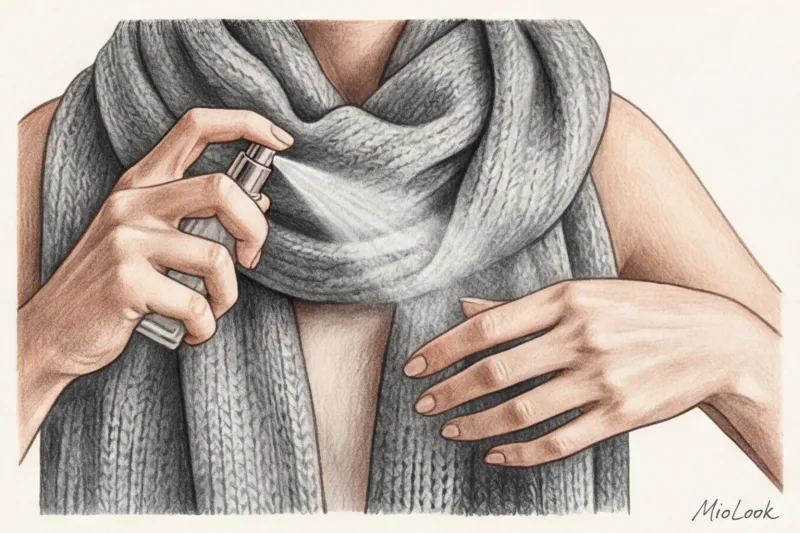
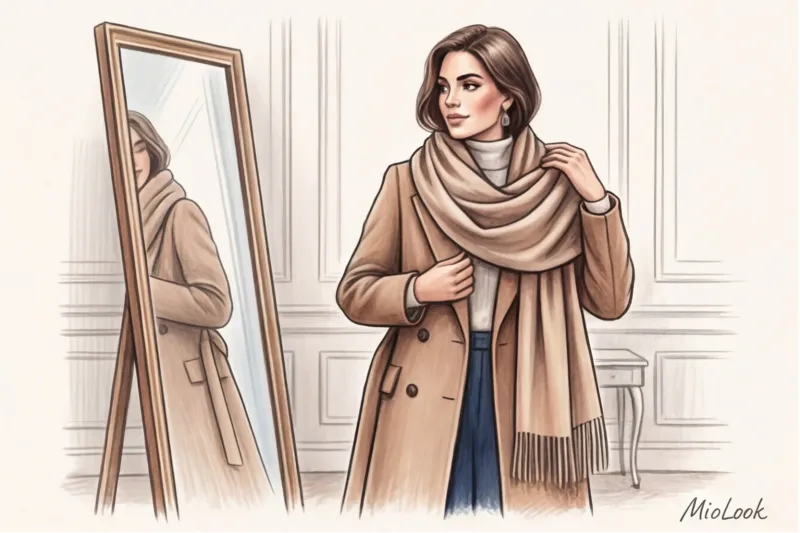
Natural wool, tweed, and cashmere are ideal "keepers." Their porous structure perfectly captures and slowly releases complex oriental, vanilla, and woody base notes. Spray a drop of your favorite autumn perfume on a cashmere scarf, and it will delight you with its subtle scent for weeks.
Don't forget about the climate. A hot, humid summer instantly "eats" fresh notes and makes the heavy oriental unbearable. In winter, however, in the frosty air, the crisp aldehydes and crystalline flowers sound like a true symphony. Composing images in the app MioLook I always recommend that clients mentally “link” a specific bottle to a seasonal clothing capsule.
Ready to get started?
Try the free plan—no commitments. A smart AI stylist will create the perfect look for you.
Get access — €0.99 onceInvesting in Perfume: How to Calculate Cost-per-Wear and Stay on Budget
As a luxury wardrobe consultant, I love math. Let's apply the classic cost-per-wear formula to a fragrance wardrobe.
A standard 50 ml bottle contains approximately 700-750 sprays. Let's say you buy a masterpiece from Maison Francis Kurkdjian for $300. You use two sprays per day. The bottle will last for almost a year of daily use. The cost per spray is about $0.80.
Now imagine you're saving money and buying five different bottles of a mass-market brand for $60. They smell flat, wear off quickly (you're only spraying 5-6 times), and after a month, you're tired of them, sitting like dead weight on the shelf. Ultimately, your money is tied up in a low-quality product, and your CPW costs skyrocket.
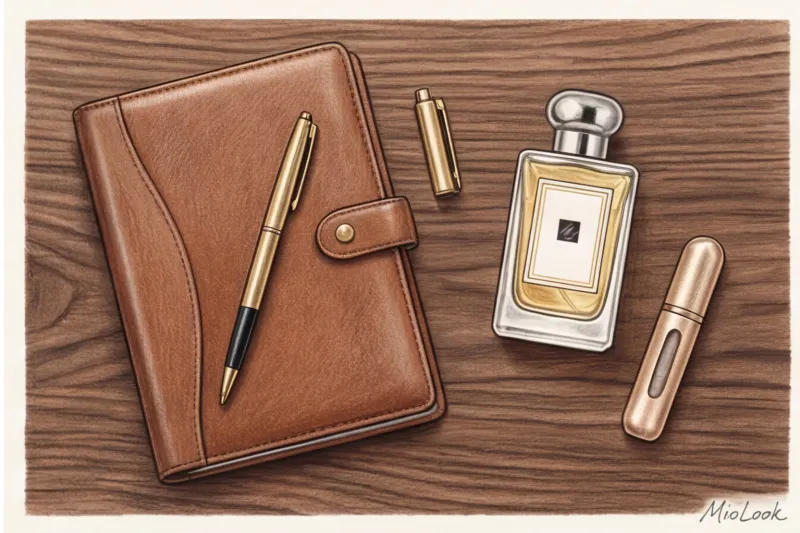
Investor life hack: Never blindly buy a full-size bottle of a complex niche fragrance. Use travel-size (8-10 ml) or branded samples. Live with the fragrance for a week. If you reach for it every day, it's an investment. If not, you've saved $250.
The Main Mistakes in Managing Your Perfume Wardrobe (A Stylist's Checklist)
Even the most expensive perfume wardrobe can be destroyed in a couple of months if you violate the basic rules of physics and chemistry. Based on recommendations from the Osmothèque in Versailles—the world's premier perfume archive—I've compiled a list of critical mistakes:
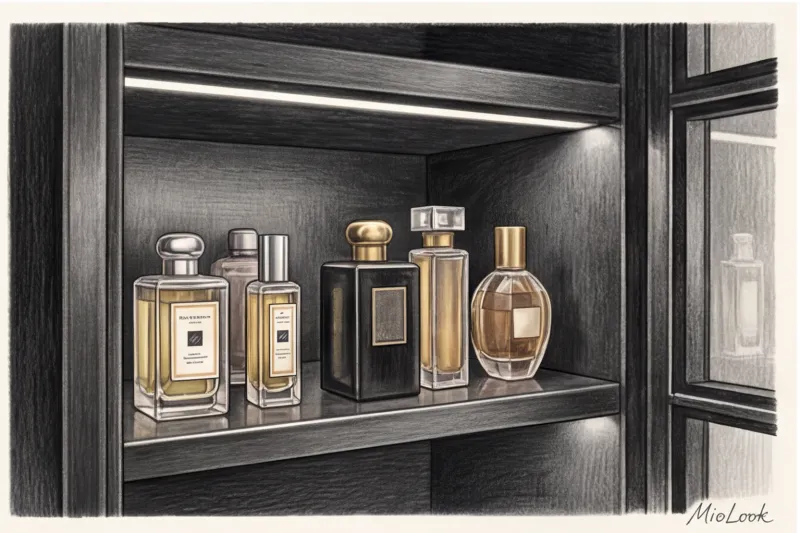
- Storage in the bathroom. This is a particularly cynical way to kill a bottle. Temperature fluctuations from a hot shower and high humidity destroy the formula within 6-8 months. Proper storage (in a dark cabinet at a stable temperature of 16-20°C) extends the life of a perfume to 5-10 years.
- Rubbing perfume between your wrists. You don't "rub" the fragrance into your skin. You create friction, which dramatically increases the temperature in that area. As a result, the top, most fragile notes of the composition evaporate instantly, leaving you with a distorted, crumpled scent.
- Applying regular perfume to hair. Alcohol (70% to 90% of which is found in perfumes) mercilessly dries out the hair cuticle. If you want your hair to flow when you turn your head, invest in special hair mists—they have a lower alcohol content and added conditioning ingredients.
Important limitation: All the rules for applying perfume to skin don't apply if you're prone to contact dermatitis or allergic to essential oils. In this case, your only option is to apply perfume exclusively to the inside seams of thick outerwear.
Conclusion: Where to start building your perfume collection
To build a functional perfume wardrobe, start with a ruthless inventory. Take out all your bottles. Divide them into three categories: "I wear them all the time," "I wear them on special occasions," and "I don't remember why I bought them" (feel free to donate or sell the latter).
Then analyze your schedule. If you spend 80% of your time in an office with a strict dress code, and your shelf contains five heavy oriental extracts and not a single fresh iris, you clearly have a "blind spot." Start your conscious renewal by purchasing a high-quality base scent—your new "white shirt" fragrance—that will become the signature scent of your personal brand.