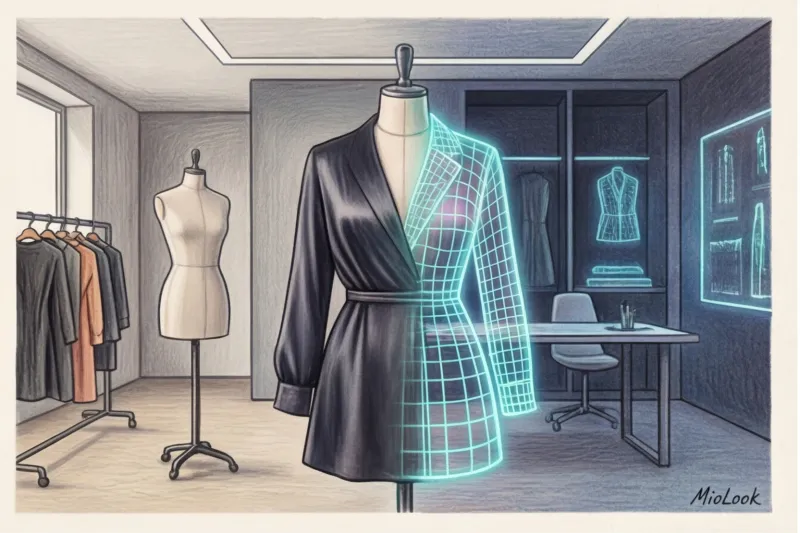
A couple of months ago, a client—a marketing expert—contacted me. She was preparing to launch an expensive online course and needed a series of futuristic, eye-catching photos to promote it on social media. When we calculated the cost of studio rental, a makeup artist, a photographer, and ordering complex designer pieces (which would then have to be returned or tucked away), the total exceeded €1,200. Instead, I proposed an experiment: we took stunning portraits of her in a basic black bodysuit against a plain background, and then purchased two digital couture looks for €80. The savings amounted to over €800, and her post reach was off the charts.
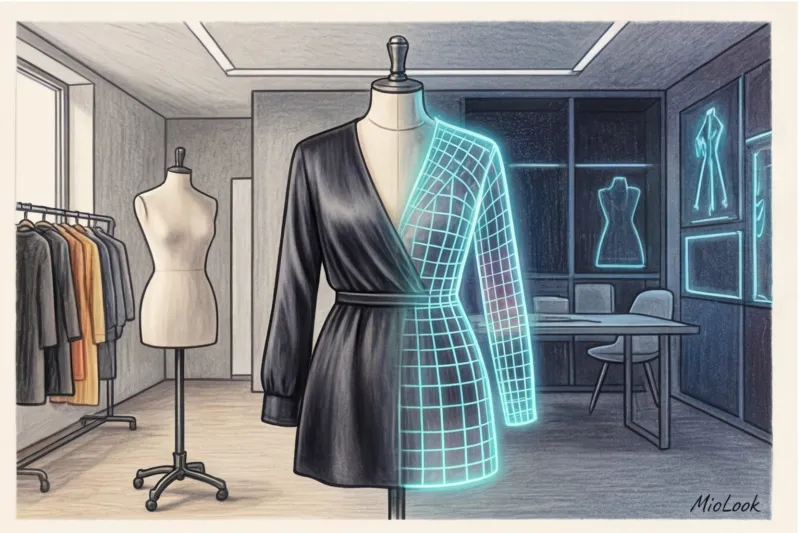
When my clients first hear the term What is NFT clothing? , they usually roll their eyes. It seems like another toy for geeks or crypto millionaires. But in 12 years of working as a stylist, I've learned one rule: fashion always follows our lifestyle. And today, we "exist" online almost as often as we do at social events. We've covered how this industry emerged in more detail in our the complete guide to digital clothing.
In this article, I'll explain, without unnecessary crypto jargon, why buying pixels with real money isn't stupid, but rather the most rational solution for content creators, and how a virtual wardrobe is replacing one-time purchases from mass-market stores.
NFT clothing: what it is in simple terms and what it has to do with fashion
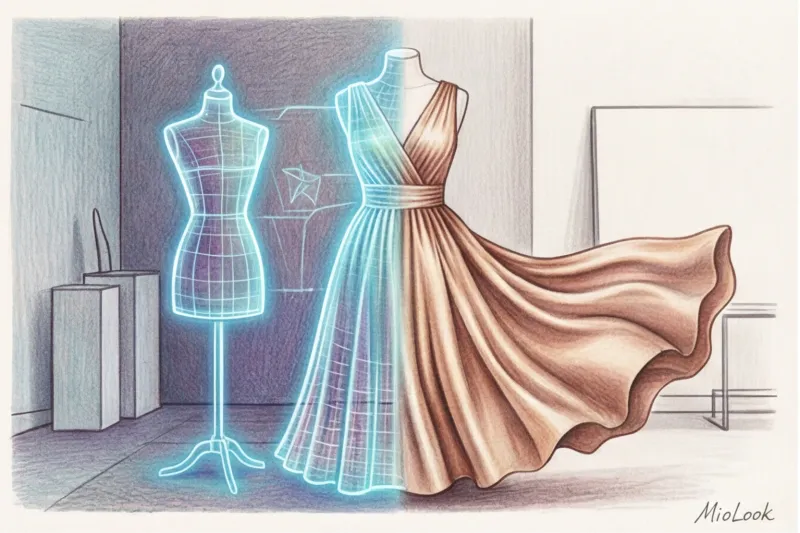
Let's start with the basics. Digital 3D clothing has been around for a long time—in video games and movies. But you couldn't wear it before. own An NFT (non-fungible token) is essentially a digital certificate of authenticity and ownership, recorded on the blockchain (an unforgeable database). When you buy an NFT dress, a smart contract proves that this specific virtual item belongs to you.
To make it clearer, let me give you a real-life analogy. You can buy a reproduction of a Claude Monet painting in the Louvre gift shop for €15. It might look beautiful, but it has no investment value. Or you can buy the original with a certificate of authenticity. NFTs do the same thing with digital items—they transform them from an image you can simply "save as" into a unique asset.
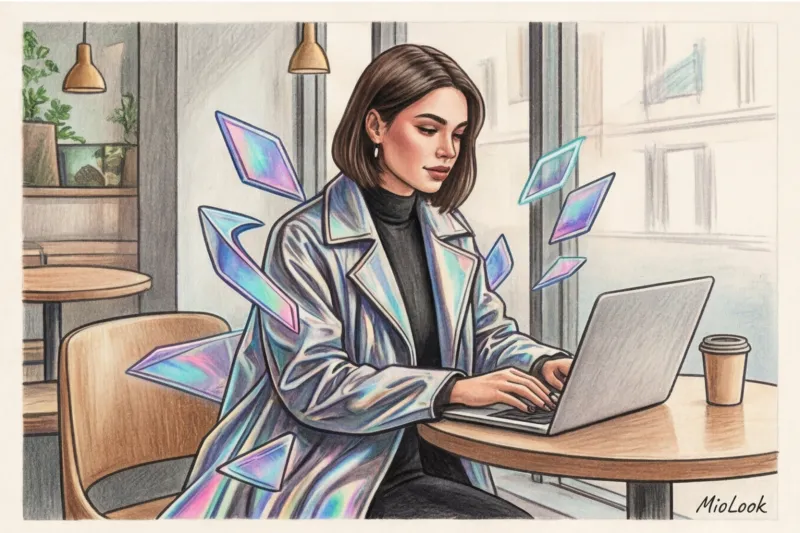
According to Morgan Stanley analysts (2023), by 2030, luxury brands could generate up to €50 billion in profits from virtual sales. It's no surprise that giants like Gucci, Balenciaga, and Dolce & Gabbana are now hiring programmers and 3D artists alongside tailors.
"As a stylist, I see a clear trend: our digital avatar is becoming as important a part of our personal brand as our suit at a business meeting. How you present yourself online shapes first impressions faster than your resume."
Why People Buy Virtual Items: 4 Pragmatic Reasons
"Why pay for something you can't touch and wear in a cafe?" is the most common question I hear. The answer lies in our consumer psychology. A study by the British bank Barclays found that almost 9% of shoppers buy clothing. exclusively To take a photo on social media, and then return the item to the store. Virtual fashion solves this problem elegantly and technologically.
Saving your content budget
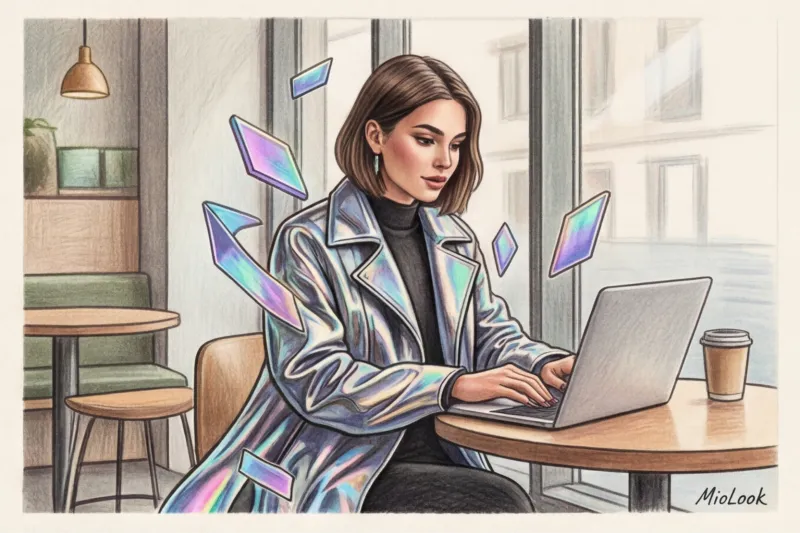
If you're a blogger, speaker, or expert, you constantly need visual content. The "I've been photographed in this before" problem eats up a huge chunk of your budget. Buying a digital jacket with a complex liquid metal texture will cost you around €50. You don't have to pay for dry cleaning, find closet space, or worry about it going out of style after a season. For those who frequently post photos, it's pure math.
Phygital: The Digital Key to Real Exclusivity
My favorite trend of recent years is the Phygital (physical + digital) concept. Many brands are using NFTs as a gateway to real things. For example, you buy an NFT token for a limited-edition hoodie, and the brand sends you a physical copy. This solves the counterfeit problem: if you want to resell the item on a resale platform, the token becomes ironclad proof that it's the original, not a knockoff from a basement. Speaking of which, What is the difference between vintage, second-hand, and resale? , I recently wrote about this in a separate article.
Sustainability and the end of disposable fashion
I always get the chills when I see videos of people unboxing huge boxes from Shein or Zara. Most of these items will be worn exactly once. The data from the Institute of Digital Fashion is unforgiving: creating a single digital item leaves a carbon footprint 97% smaller than producing a physical T-shirt. Digital fashion satisfies our thirst for novelty and conscious consumption without harming the planet.
Investments and resale on the secondary market
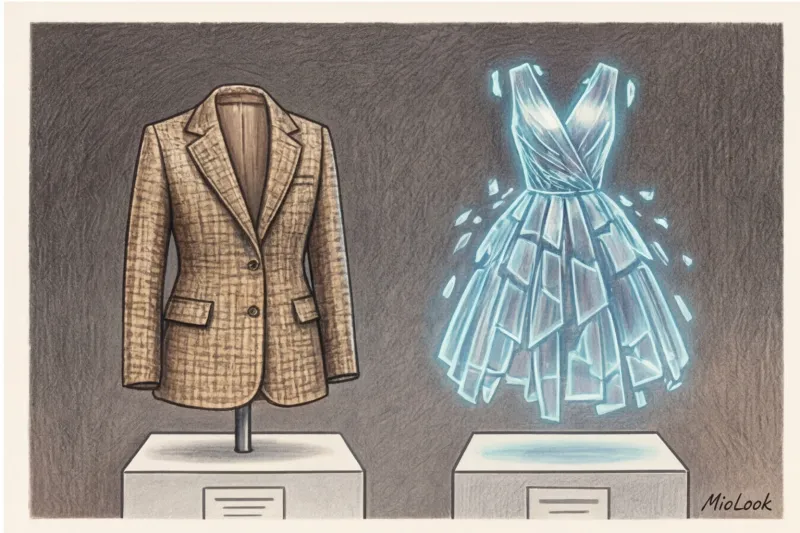
A mass-market dress depreciates by 50% the second you take it out of the store. Rare NFT items are a different story. Some limited-edition digital sneakers and accessories appreciate in value over time on digital marketplaces. While this market is high-risk, it's already functioning as a fully-fledged exchange for collectors.
Access to MioLook for €0.99 — one-time payment
A smart AI stylist will help you integrate new trends into your wardrobe and select the perfect looks for every day.
Get access — €0.99 onceHow much does digital couture cost? Compare prices.
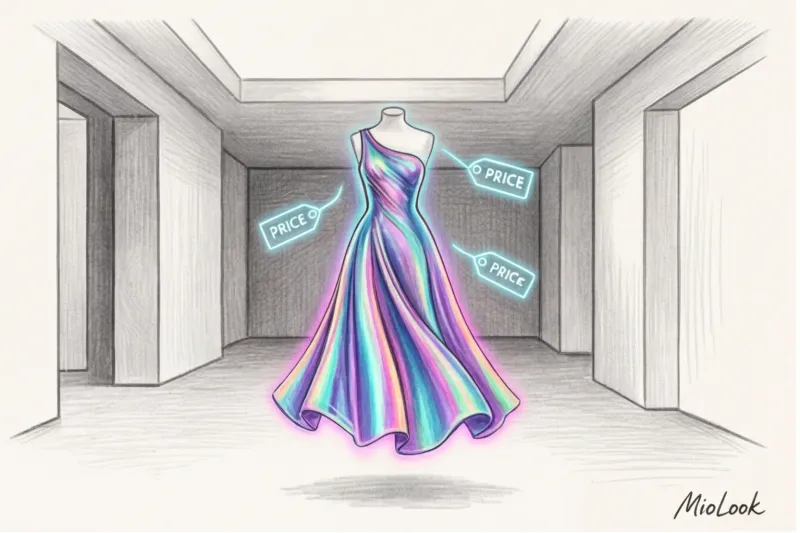
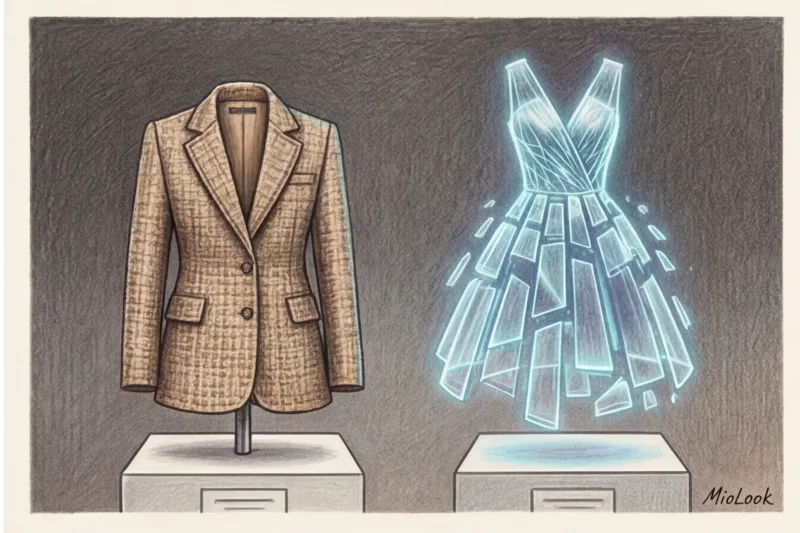
Pricing in digital fashion depends on three factors: the designer's name, rarity (the edition size), and utility (where exactly the item can be worn—only in a photo or within a specific metaverse).
Let's look at the real numbers:
- Budget segment (20–50 €): For that price, you can buy great digital T-shirts, hoodies, or futuristic glasses on platforms like DressX. Perfect for everyday content.
- Middle segment (50–150 €): High-quality 3D dresses, complex costumes made of digital latex or glowing neon.
- Premium and collectible NFTs (from €1,000 to infinity): For example, virtual sneakers from the RTFKT studio (acquired by Nike) sold for thousands of euros. And the digital Iridescence dress sold at auction for €9,500.
Important warning: If you're buying clothes in NFT format on a blockchain (for example, Ethereum), be prepared for hidden costs—so-called "gas fees." This is the network's fee for processing your transaction, which can range from €5 to €50 on top of the item's price. My advice for beginners: first, buy digital looks with fiat money (using a regular bank card) without linking them to crypto wallets—this will save you time and money.
The "Waste of Money" Myth: Why a Virtual Wardrobe Is More Sustainable Than a Mass-Market Wardrobe
The most common argument critics make is: "I'd rather buy a real dress from Zara than a picture." Let's calculate Cost Per Wear. This is the main rule I teach my clients.
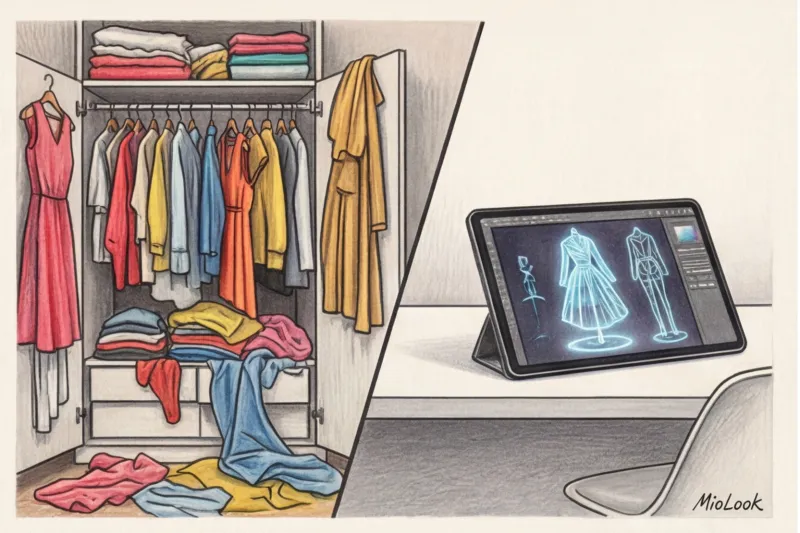
Let's say you buy a sparkly sequined evening dress for a New Year's Eve party. It costs around €100 at a good European high-street store. You wear it to the party and take photos. Wearing it to the next corporate event feels out of place—it's too memorable. Result: the dress hangs in your closet, costing you €100 per outing.
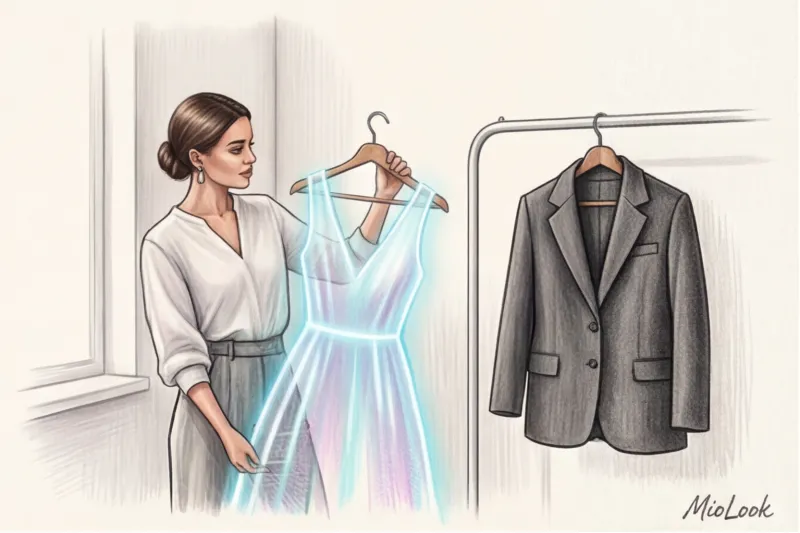
Now let's take a virtual holographic dress for €40. You "put it on" in a photo, publish it, and collect enthusiastic comments. The cost per image is €40. Moreover, digital fashion solves the problem of "complicated tailoring." In reality, huge puffed shoulders, tight corsets, or dresses made of stiff materials are unbearable to wear. You can't sit, breathe, or eat in them. A digital corset doesn't press on your ribs, but it looks absolutely realistic in photos.
"My smart shopping philosophy is this: invest real money in premium basics (the perfect wool coat, impeccably fitting jeans, quality shoes), and buy all the crazy trends, acid colors, and complex cuts digitally for social media."
How to try on an NFT: A step-by-step guide
Trying on digital clothing is different from using Instagram filters. To ensure a perfect fit, the work of 3D specialists is required. Here's how it works in practice:
- Choosing a marketplace: The most straightforward platforms to get started with are DressX, The Dematerialised, or XR Couture. You choose an item and pay (just like in a regular online store).
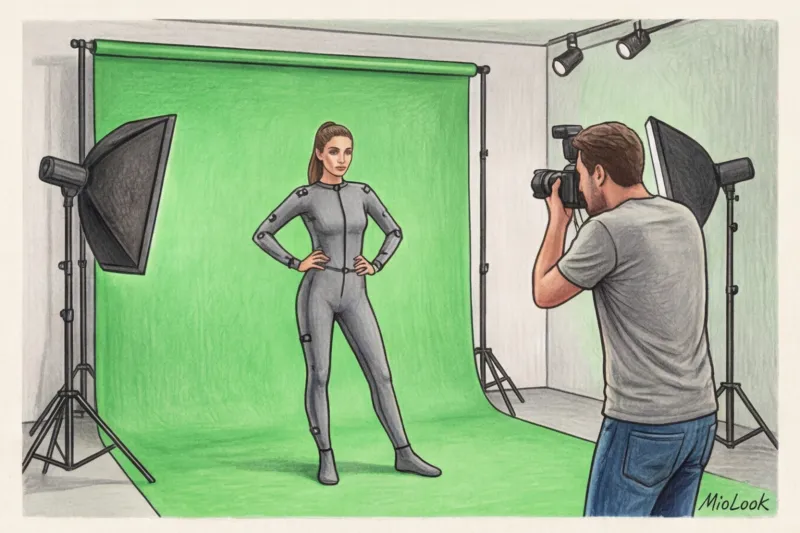
- Preparing the "canvas" (The most important step!): This is where 90% of my clients stumble. If you send a photo in an oversized hoodie or puffer jacket, the 3D designer won't be able to "fit" you into a form-fitting virtual dress—it will stick out like an unnatural bulge. You should be photographed in form-fitting clothing (leggings, a turtleneck, or a bodysuit) in a contrasting color. It's best to tie your hair back so it doesn't obscure your shoulders.
- Light and quality: The photo should be taken in good daylight, without harsh shadows. The camera should be at chest or waist level to avoid distorting the body's proportions.
- The digital tailoring process: You upload a photo to the platform. Within 24–48 hours, 3D designers manually adjust virtual patterns to your body shape, adjust fabric physics, and add shadows and reflections to ensure the garment fits the lighting in your photo.
As a result, you receive a finished image of the highest quality, which no one will distinguish from a real photo shoot in a glossy magazine.
Your perfect look starts here
Join thousands of users who look flawless every day with MioLook. Manage your wardrobe with just one click.
Get access — €0.99 onceStylist Checklist: Should You Buy Digital Clothes?
As much as I love innovation, I have to be honest: virtual fashion isn't for everyone. As a stylist, I always start from the client's needs.
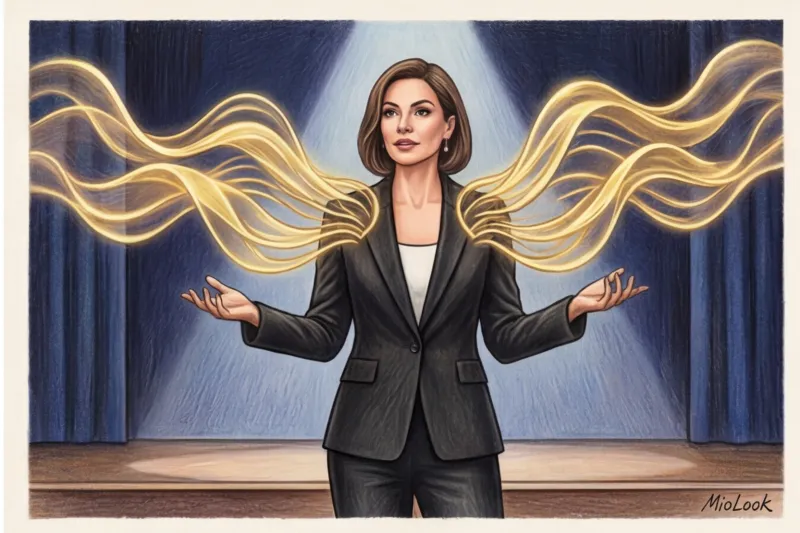
Who definitely needs this:
- For influencers and bloggers: for those who constantly need fresh ones images for a business photo shoot or creative posts.
- For creative professionals: For designers, marketers, and stylists, this is a way to show that you are on trend and keeping up with technology.
- For experts: to create striking covers for podcasts, YouTube channels, or course landing pages.
When it does NOT work:
You definitely shouldn't spend money on NFT fashion if your top priority in clothing is tactile sensations, the comfort of soft cashmere against your skin, or if you work in a corporate environment with a strict dress code where your image is built solely on in-person meetings. A digital shirt won't save you in a real-life boardroom.
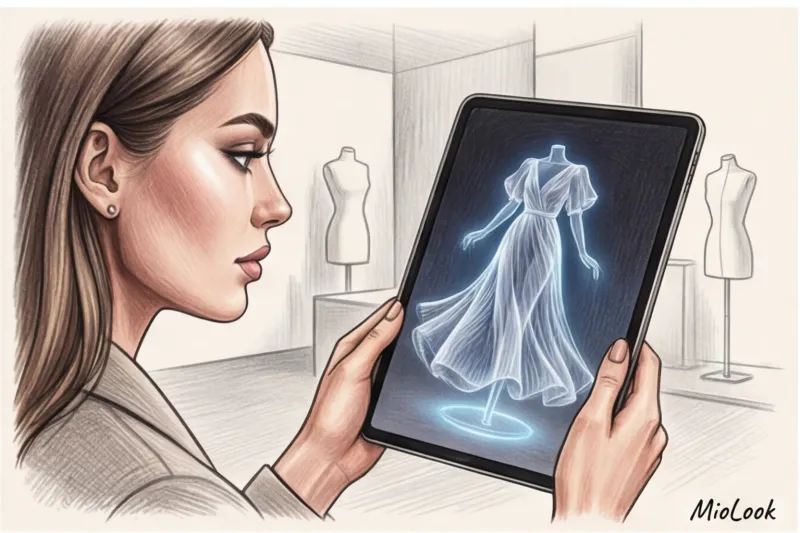
If you're unsure, my advice: don't buy an expensive token right away. Start small. Download an AR try-on app and try out the free digital clothing filters. Take a few selfies. See how people react. Digital fashion isn't a replacement for a real wardrobe. It's its logical extension in a world where we're no longer judged by our clothes, but by our avatars.