The Secondary Fashion Market: Why You Need to Understand It
My client Anna, a top manager at an IT company, for a long time refused to even hear about secondhand clothes. Her fear of her grandmother's trunk and the other woman's energy was so strong that her wardrobe consisted exclusively of new, but compromised-quality items. Everything changed when I brought her the perfect Chanel tweed jacket to try on. Upon learning it was purchased on a resale platform for a third of the original price, she changed her mind forever.
Today, buying clothes on the secondary market isn't a sign of desperate saving, but a marker of high fashion IQ. We live in an era of overproduction, when the quality of mass-market fabrics is rapidly declining, and luxury prices are skyrocketing. We covered this in more detail in our The complete guide to buying brands at resale and vintage stores.
Assembling a smart, durable, and stylish wardrobe no longer requires spending thousands of euros in boutiques. Simply learn to distinguish between the three pillars of conscious consumption: secondhand, resale, and vintage. Each of these niches has its own rules of the game, its own risks, and its own unique rewards.
Second-hand: mass market, lottery, and the search for a "base"
A classic secondhand store features huge hangars, baskets of clothes sold by weight, and a complete lack of strict curation. Items are sold haphazardly, with no pre-sale preparation (except for industrial disinfection, which produces that distinctive smell).
This is where the main trap for newbies lies. Many come to thrift stores for the cheap stuff, buying T-shirts from Zara or H&M for next to nothing. Over 12 years of working as a stylist, I've developed a strict rule: buying fast fashion at a thrift store is absolutely unprofitable. Worn-out polyester for €3-5 will last you only until the first wash, after which it will completely lose its shape. It's better to buy one new, high-quality item than a bag of cheap, mass-market synthetics.
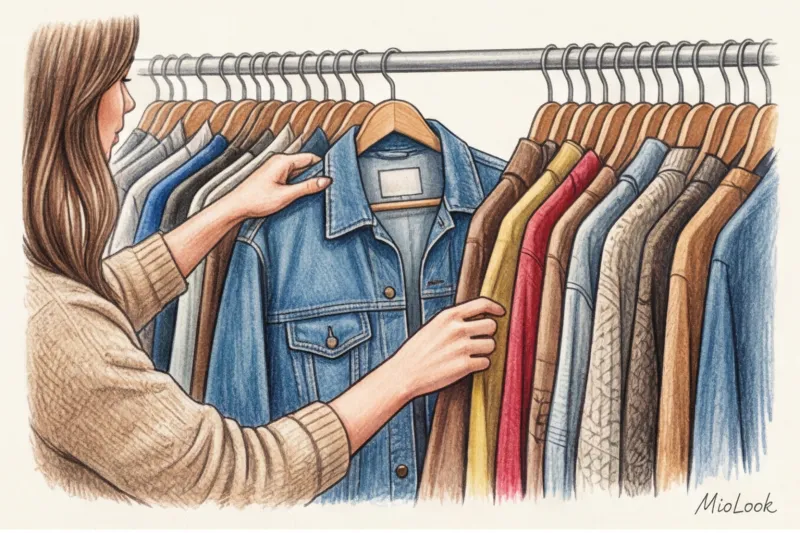
So why bother going thrift store? In my experience, the best hauls there are always items from the men's section. Oversized men's cotton shirts (made from dense 100% cotton) and classic, stiff denim without elastane—these are items you can find for €10–€15 and wear for years.
A Thrift Store Survival Guide
- Scan with your hands, not your eyes. It's impossible to look at every hanger in a huge hangar. Walk along the rails and touch the fabrics: stick to heavy cotton, natural wool, and heavy denim.
- No compromise on wear and tear. Items with pilling on sweaters, snags, or stretched collars should be left in the store, even if they have a €1 price tag. In 99% of cases, they cannot be repaired.
- Look at the fittings. High-quality buttons (made of horn, metal, or mother-of-pearl) and reliable metal zippers often indicate a good item even without a tag.
Your perfect look starts here
Join thousands of users who look flawless every day with MioLook. Sort through your thrift store finds and create stylish capsule collections.
Get access — €0.99 onceResale: Smart Investments and Premium Quality
Resale is the resale of contemporary, designer items with a curated selection. Unlike secondhand, items are hand-selected, often dry-cleaned, and many are sold with the original store tags (like-new condition).
The core value of reputable resale platforms (such as Vestiaire Collective or Oskelly) is their authentication system. Experts check seams, tag fonts, hardware, and serial numbers to protect you from counterfeits. According to a 2024 ThredUp report, the resale market is growing three times faster than traditional retail. It's pure wardrobe math: while a mass-market item loses up to 80% of its value immediately after you cut off the tag, a premium resale bag can even appreciate in value over time.
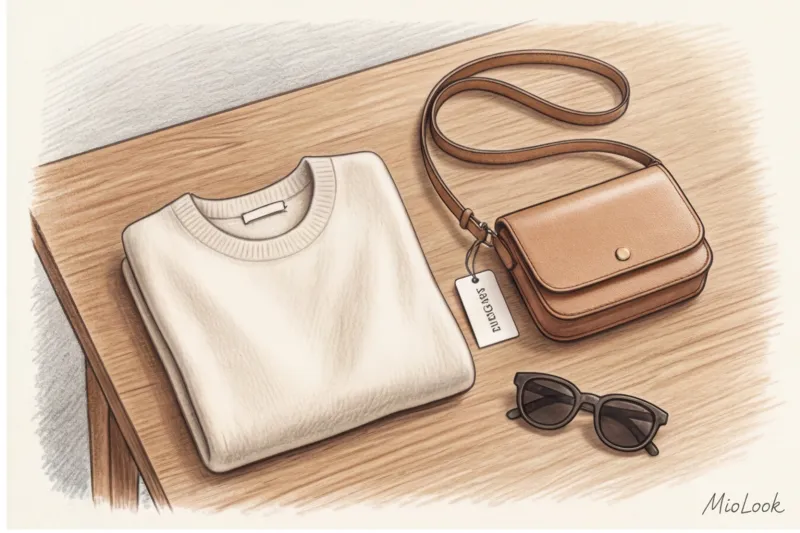
Instead of buying a dubious acrylic sweater at the mall for €80, you can snag a perfect COS cashmere at a resale store for the same €60-€80. And a legendary Max Mara 100% camel wool coat, which costs €2,000 in a boutique, can be found on resale platforms for €600-€800.
Which brands are the best to buy on resale?
- Middle segment: COS, & Other Stories, Massimo Dutti, Arket. I often compare the quality of fabrics in Massimo Dutti basics from 2010–2014 with those in current collections—the difference is colossal. At resale, you're buying the same old quality at a mass-market price.
- Premium base: Acne Studios, Max Mara, Joseph. Focus on outerwear, structured bags, and footwear—these are categories where quality tailoring is crucial.
Vintage: The DNA of the Era and Collectible Value
Here we come to the main question that is asked at almost every consultation: what is the fundamental the difference between vintage and second-hand The difference is not only in age, but also in stylistic value.
The official age rule is that vintage clothing is considered to be at least 20–25 years old (anything younger is simply used or resold). But age isn't everything. A basic, unremarkable gray turtleneck from 1996 is secondhand. But an iconic jacket with exaggerated shoulder pads, bright gold buttons, and a distinctive cut, also from 1996, is truly vintage, reflecting the DNA of its era.
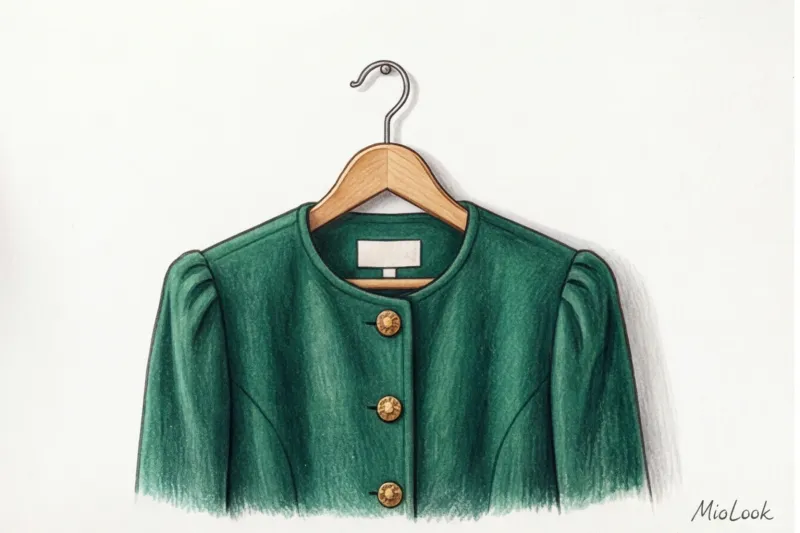
I love searching for perfect men's jackets from the '90s in small vintage shops in Berlin and Paris. The paradox is that a vintage no-name jacket (made in a European factory in the '80s) often surpasses a modern mid-market jacket for €200-300 in terms of construction quality, lining, and fit. Back then, garments were made to last for decades, not just one season.
How to incorporate vintage into a modern wardrobe
Wear vintage with caution. Dressing head to toe in vintage pieces will make you look like you're going to a costume party.
- Stylist formula: Use no more than one or two vintage items in an outfit.
- Playing on contrasts: A chic vintage jacket with accent shoulders is best balanced with ultra-modern basics—simple straight-leg jeans, a white tee, and trendy sneakers.
- Accessories as an entry point: If you're intimidated by complex cuts, start with vintage clip-on earrings, chunky belts, or structured 70s bags.
Access to MioLook for €0.99 — one-time payment
A smart AI stylist will create the perfect look, masterfully mixing your vintage finds with modern essentials.
Get access — €0.99 oncePricing Guide: What Are We Really Paying For?
Sometimes customers wonder, "Why does this vintage trench coat cost €600 when I can buy a new one in the store for €150?" The answer lies in the archival value and the cost per wear.
On the secondary market, some archival items (like Vivienne Westwood corsets from the '90s or Prada bags from the Tom Ford era) are more expensive than new collections. You're paying for exclusivity—the chance of bumping into someone wearing the same item on the street is nil.
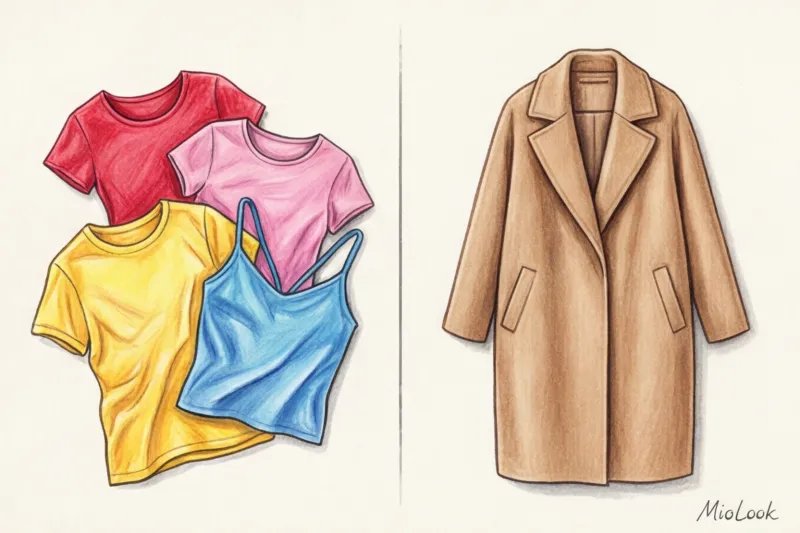
But when buying secondhand, always budget for hidden costs. Let's do the math. You buy a vintage cotton Burberry trench coat for €400. Add professional dry cleaning (around €30-40) and possibly sleeve adjustments at a tailor (another €20). Total: €460. You'll wear this trench coat for at least 10 years (let's say 60 days a year). The cost per wear (CPW) will be mere pennies—less than €1.
On the other hand, a mass-market trench coat for €150 will lose its shape and fade after the first season. You'll wear it 20 times, and then it's off to the dacha. The CPW is €7.50. The difference is obvious.
Checklist: Where to go for a specific item?
To avoid wasting time and disappointment, it's important to choose the right platform for your needs. The secondary market doesn't tolerate haphazard shopping.
- For classic cashmere, a classy trench coat and a quality leather bag: We use trusted resale platforms. Authentication and the item's excellent condition are important here.
- For crazy washed denim, men's leather jackets and statement jackets: We're heading to vintage boutiques. The owners have already done all the work to select the best pieces of the era.
- For basic cotton shirts in large sizes or items for creative experiments (upcycling): We boldly dive into the hangars of second-hand shops.
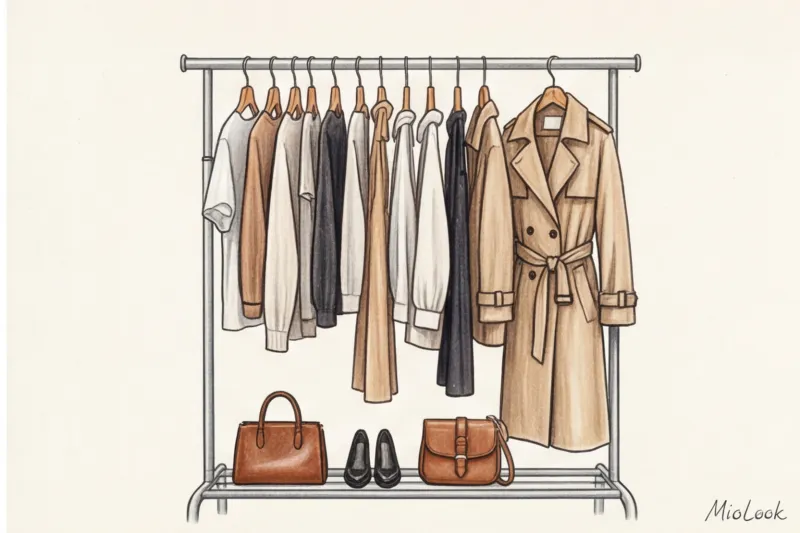
My direct advice for beginners: if you've never bought things with a story before, don't rush straight to thrift stores. It requires a lot of foresight. Start with resale basic accessories from well-known brands—it's the safest entry point. Once you experience the difference in quality and appreciate the savings, your approach to shopping will change forever.
The secondary market doesn't tolerate rushing, but generously rewards those willing to search. And remember: the most eco-friendly and profitable item is one that's actually worn, not just hanging in a closet with a tag.