Have you ever noticed a curious injustice? One woman looks like a million bucks in a simple, €40 mass-market top, while another appears unkempt in an €800 designer suit. The secret to this magic isn't in the receipts from boutiques. As a stylist with 14 years of experience, I see women making the same micro-mistakes every day. They're the ones that create that elusive impression when we look at a person and subconsciously realize: Something is wrong here Today, we'll take an honest look at what actually cheapens an image, and why the laws of visual geometry are more important than logos on a tag.
The Anatomy of Untidyness: Why the Brain Reads "Cheapness"
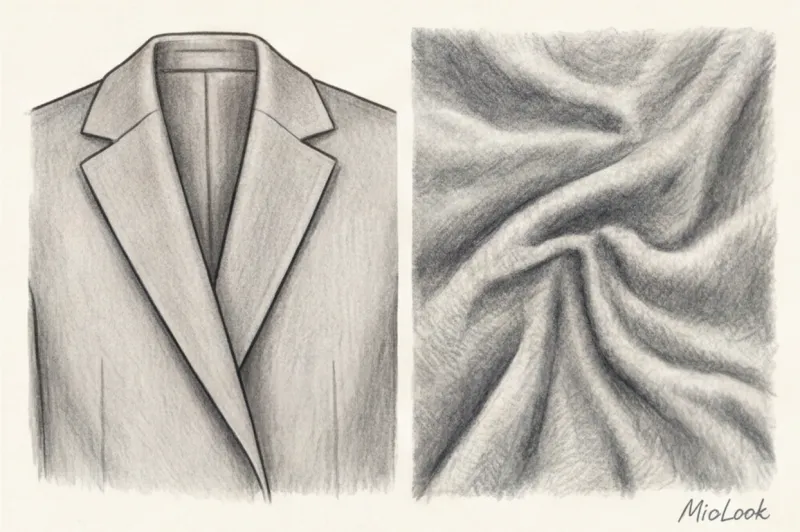
The difference between an "inexpensive item" and a "cheap look" is colossal. You can wear budget clothing (from €30 to €80) and still look impeccable. Conversely, you can wear premium clothing that will ruin your status with just one off-putting detail.
This is a scientifically proven fact. Princeton psychologist Alexander Todorov demonstrated in his famous study that our brain needs only 100 milliseconds to scan a stranger's face, silhouette, and clothing texture and make a verdict. We discussed this mechanism in more detail in our The Complete Guide to Psychology: How Clothing Affects First Impressions In fashion, this principle is called the "halo effect." If your jacket fits perfectly but your shoes have worn heels, your conversation partner's brain will automatically project the sloppy look onto your entire outfit.
At business conferences, I often observe the same scene: top managers in expensive suits lose their authority in the eyes of the audience because of telltale rolled-up sleeves or a folded-over trouser. The impression of status is instantly destroyed.
Detail 1: Flashy plastic hardware
The quickest way to tell if an item was bought at a mass market is to look at the buttons. Brands often skimp on hardware, sewing on shiny "gold" or "silver" plastic circles that scratch after just one wash. The same goes for bulky zippers where the design dictates a neat, concealed fastener.
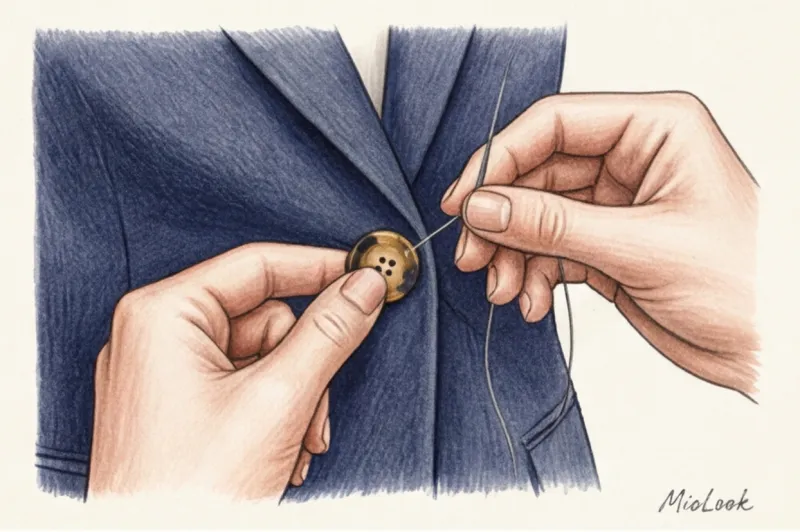
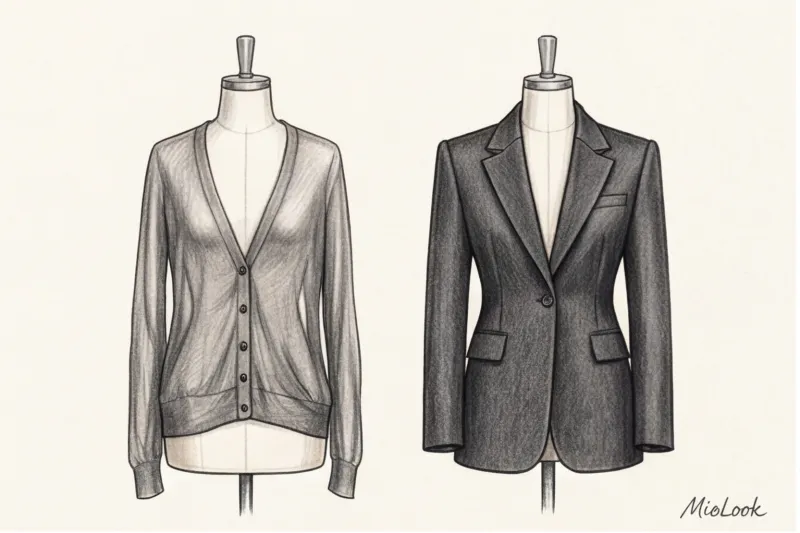
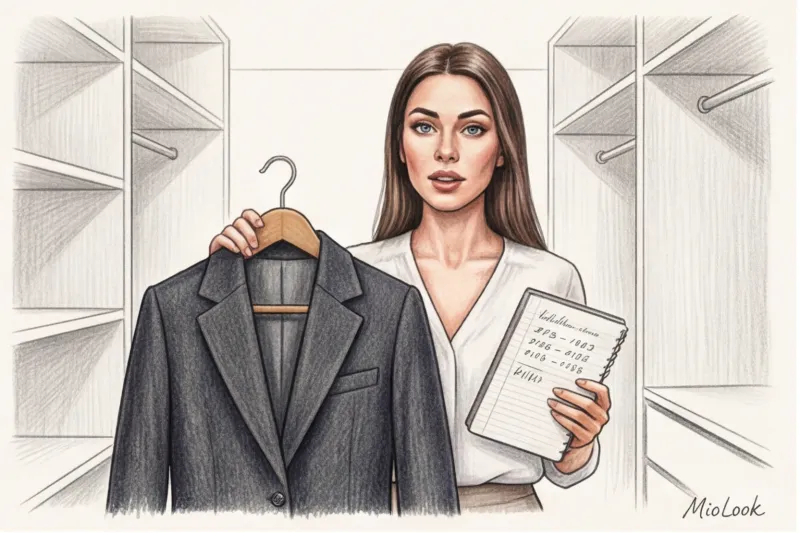
My personal life hack: I always ask my clients to cut off the factory buttons on basic trench coats, cardigans and women's business suits Buying good horn, tortoiseshell, or matte metal buttons at a tailor's shop is a mere €5-€10 investment. But this tiny detail visually increases the garment's value tenfold. You get a unique jacket that looks like a designer piece.
Your perfect wardrobe starts here.
Not sure which details are ruining your looks? MioLook's smart AI stylist will analyze your wardrobe and create flawless outfits.
Get access — €0.99 onceDetail 2: The illusion of “one’s own” size and tension creases
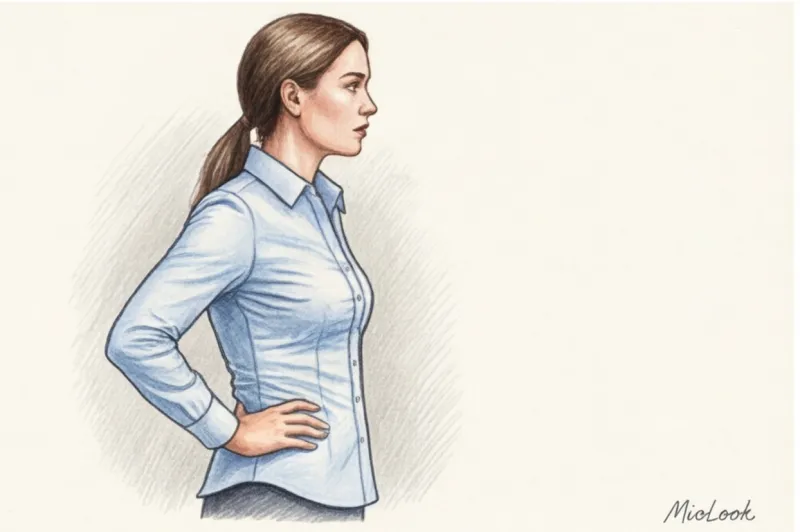
Let's bust the biggest myth: to look expensive, you need to buy clothes that fit. In fact, the persistent desire to squeeze into a familiar S-size is a style disaster. Horizontal folds on the hips of a skirt, buttons coming apart at the chest, a belt that cuts into the waist—all of these are clear signs that the clothes are too small.
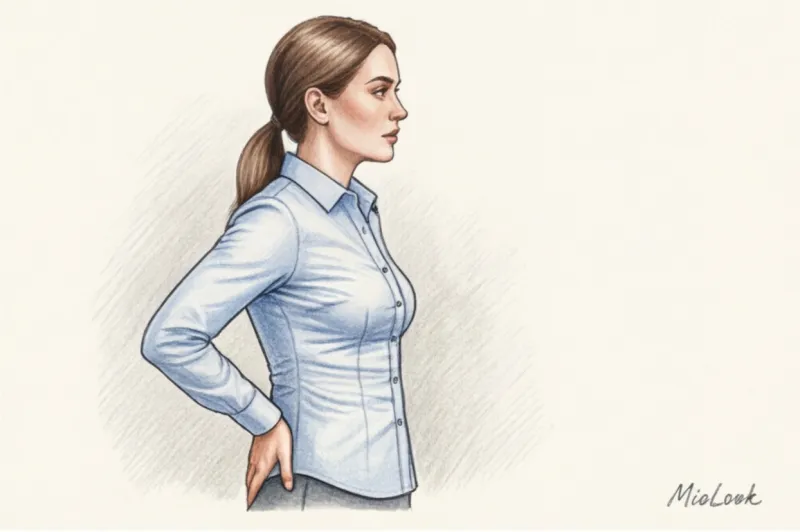
The secret to the "old money" aesthetic is the opposite: the fabric should flow, not be stretched. The main sign of luxury is air between the body and clothing. My golden rule for shopping (especially for heavy cotton, linen, and suiting wool): order an item one size, sometimes even two, larger and take it to a tailor to have it tailored just at the waist. Yes, this costs an extra €15–20 for the tailor, but the fit will be impeccable.
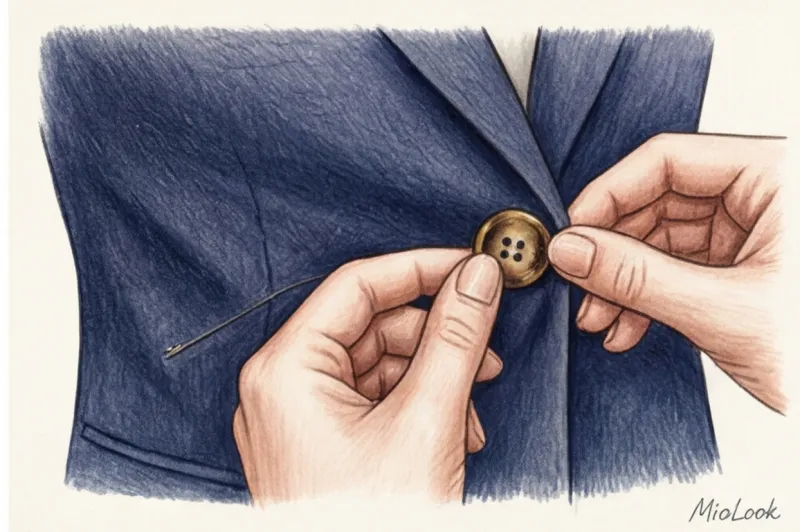
Fair limitation: This advice doesn't work with thick raw denim, which is meant to be broken in to the figure, or with deliberately corseted, sculpted pieces, where the cut architecture doesn't tolerate intervention.
Detail 3: Fabric fatigue and treacherous pilling
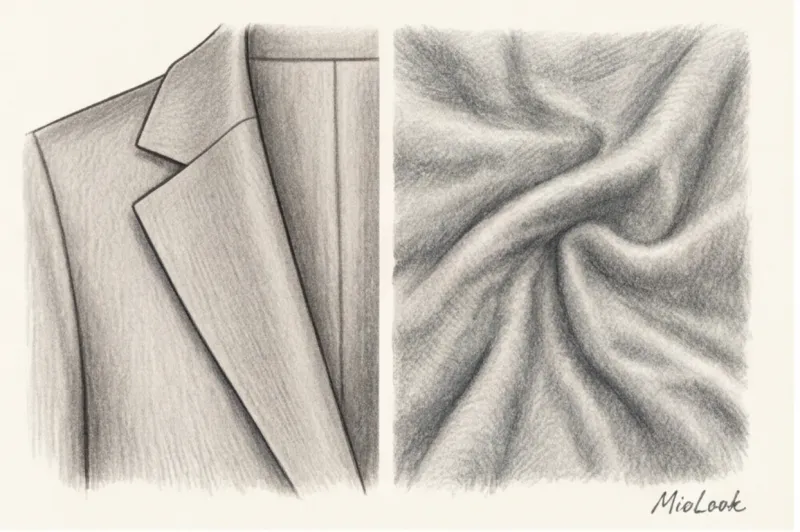
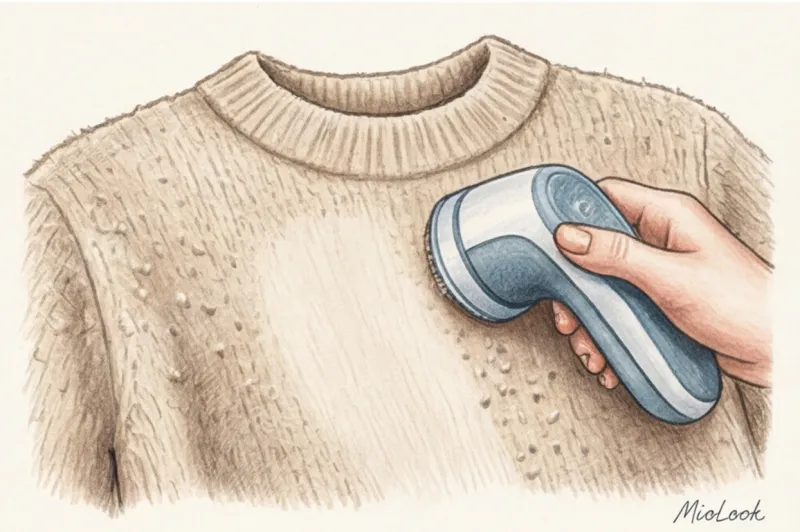
Pilling is a natural process of fiber friction. But it's precisely this process that makes a garment look worn and untidy. Many people think that only cheap synthetics like acrylic pill. In fact, the laws of materials science are unforgiving: premium 100% Loro Piana cashmere also pills in areas of friction (under the arms or where you carry your bag).
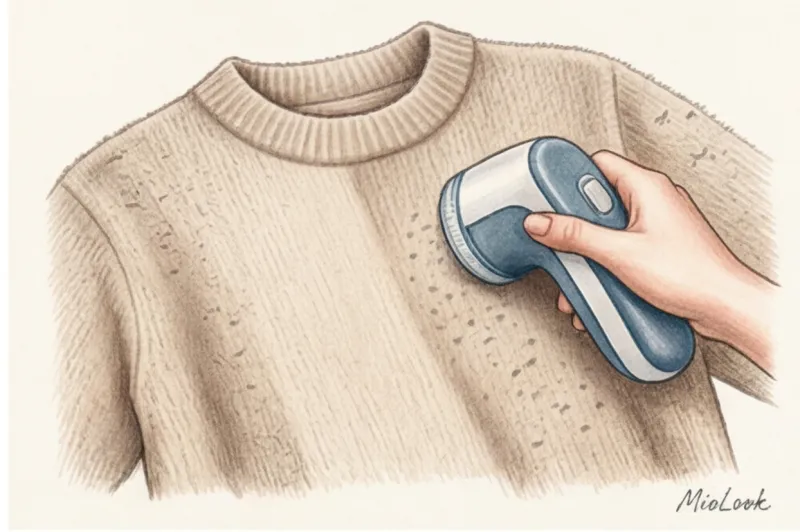
The difference is that with high-quality wool, these pills are easily removed, while with cheap acrylic, they become permanently fused to the fabric. Elongated elbows, a misshapen neckline, and micro-pilling ruin the look. A high-quality pill remover should be your best friend. Fifteen minutes of meditative work on a Sunday evening, and your basic sweater will look like it just came from the boutique again.
Detail 4: Unthoughtful length and disturbed proportions
In the world of classic men's fashion (that same Savile Row), there are strict standards for suit fit. Women's fashion has long ignored them in favor of trends, but those millimeters make all the difference. The "misplaced suit" syndrome is most often betrayed by sleeve length.
- Jacket sleeve It shouldn't reach halfway down the wrist. The ideal length is just to the wrist bone (about 1.5–2 cm from the base of the thumb joint). The cuff of a shirt or top should be visible underneath.
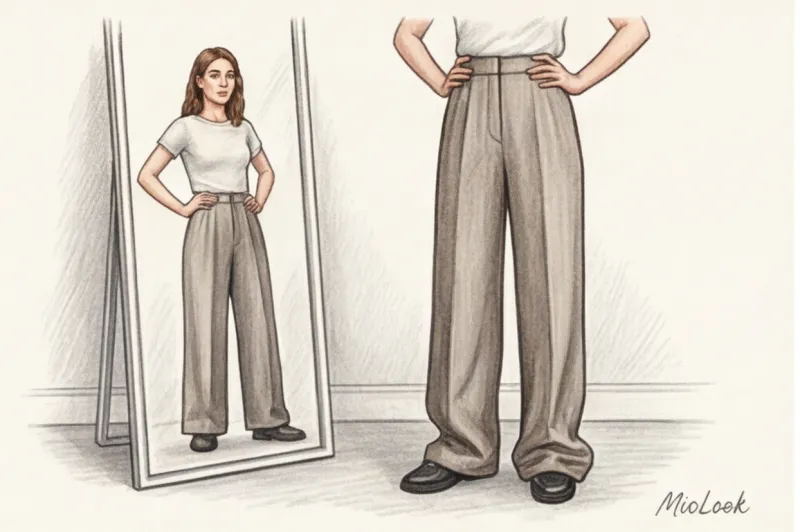
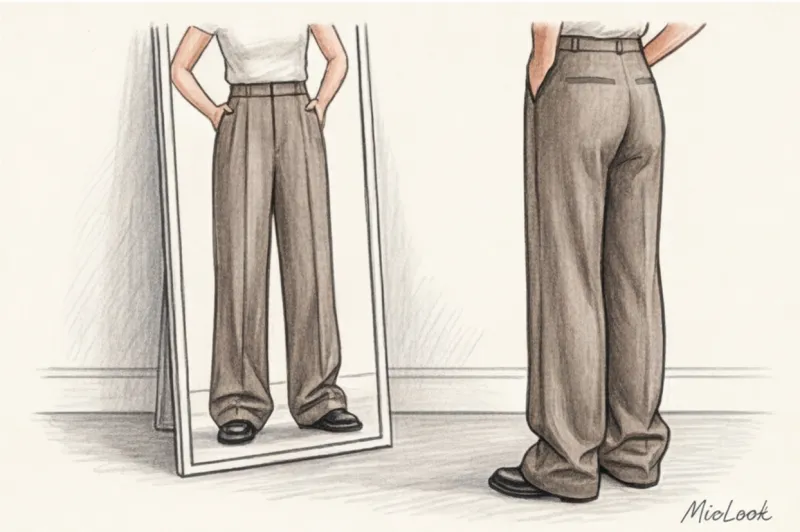
- Trousers They shouldn't bunch up, breaking the straight line of your leg. If you're wearing palazzos, they should almost completely cover the shoe, leaving 1 cm from the floor.
The wrong length doesn't just look untidy - it distorts your proportions, making you look shorter and wider. For example, if you want visually lengthen the neck , but if you wear a jacket with bulky, long sleeves, the whole silhouette will appear squat.
Detail 5: The condition of shoes and bags as a status marker
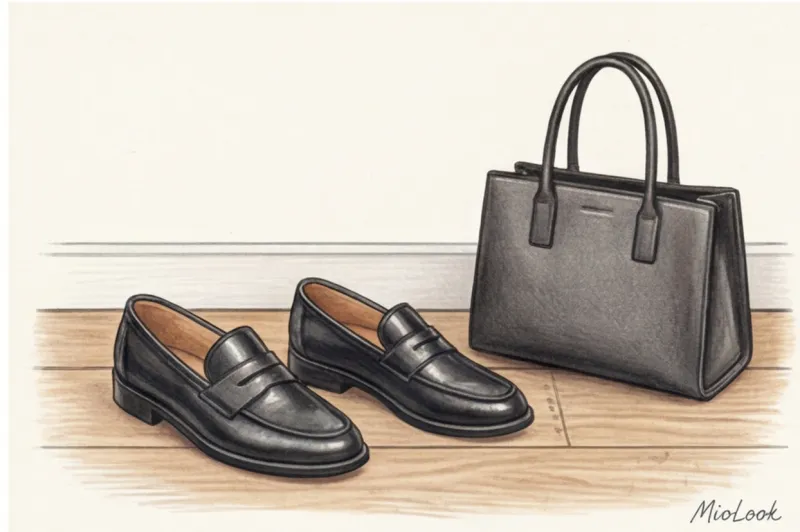
You can wear simple jeans from a high-street store and a white cotton T-shirt for €15. But if you're carrying a structured leather bag and wearing well-groomed, clean loafers with no sagging toes, the look will come together. Shoes and bags are visual anchors.
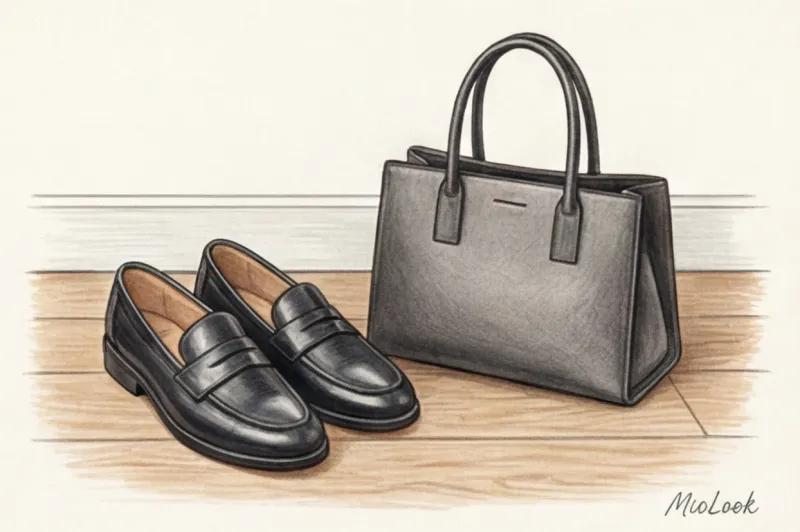
What really ruins the look? Shapeless, soft bucket bags paired with a business wardrobe. Creases in the thin faux leather, worn hardware, dirty white laces on sneakers, and worn-out heels. As the great shoemaker Christian Louboutin said, shoes change your body language. Invest in care: cedar shoe trees (from €20) will preserve your expensive shoes for years to come and prevent those creases that make them look cheap.
Organize your closet like a pro
Forgetting which bags and shoes you already own? Digitize your closet with the MioLook app and create capsule wardrobes in one click.
Get access — €0.99 onceDetail 6: Logomania and design overload
The desire to show everyone that you can afford a brand is a sign of insecurity about your status. McKinsey Research Institute and Lyst clearly document the ongoing trend toward Quiet Luxury in their 2024 reports. Wealthy clients are abandoning monograms en masse in favor of anonymous, high-quality pieces.
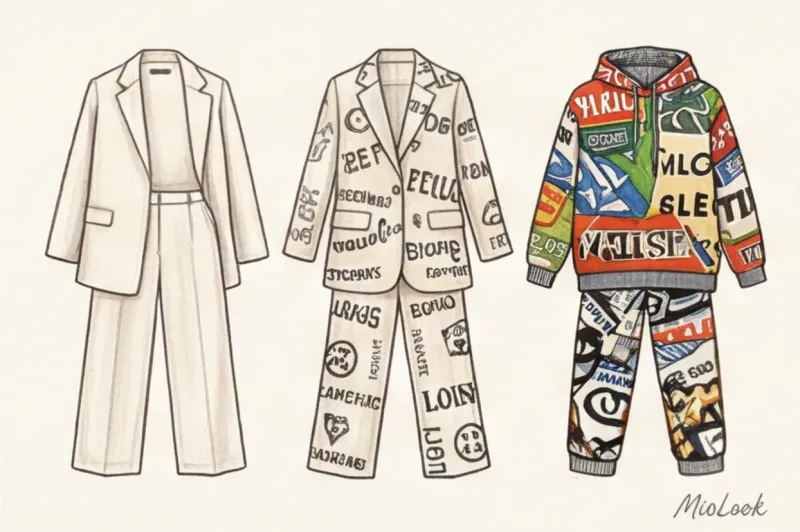
Large logos on belts, rhinestones, intricate embroidery, and guipure on everyday items turn you into a walking billboard. Elegance always whispers, not shouts. Choose clean lines, refined colors (camel, navy, emerald, graphite), and complex textures—these are what create that luxurious look.
Part 7: Invisible Enemies (Static, Linen, Pet Hair)
Sometimes we're let down by things we don't even think about before leaving the house. Recently, a client of mine, a brilliant lawyer, went to a crucial interview in a perfect navy blue pantsuit. Her mistake? She petted her white cat before leaving. In the bright office light, her shoulders and back were covered in white fur. The appearance of composure was shattered.
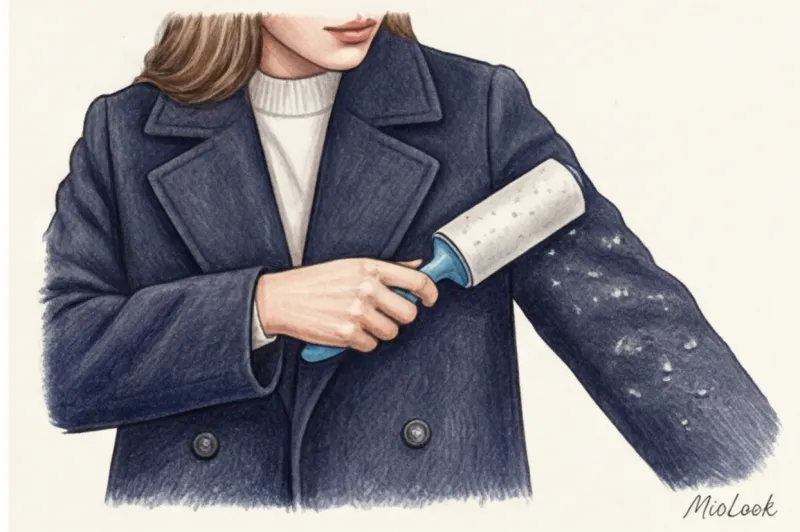
Invisible enemies include:
- Static electricity. A silk skirt that clings to tights ruins your silhouette. Carry a mini bottle of anti-static spray.
- Textured linen. According to statistics, about 80% of women wear the wrong bra size. But even worse is lace underwear under a smooth, thin turtleneck. The seams create visual noise. Smooth, seamless underwear in a nude (not white!) color is the basis of an expensive wardrobe.
- Dust on dark cloth. A roller of sticky tape should be in every bag or desk drawer.
Checklist: How to save a thing that cheapens your look
Try these simple steps this evening as you go through your closet. You'll be surprised how many items will get a new life.
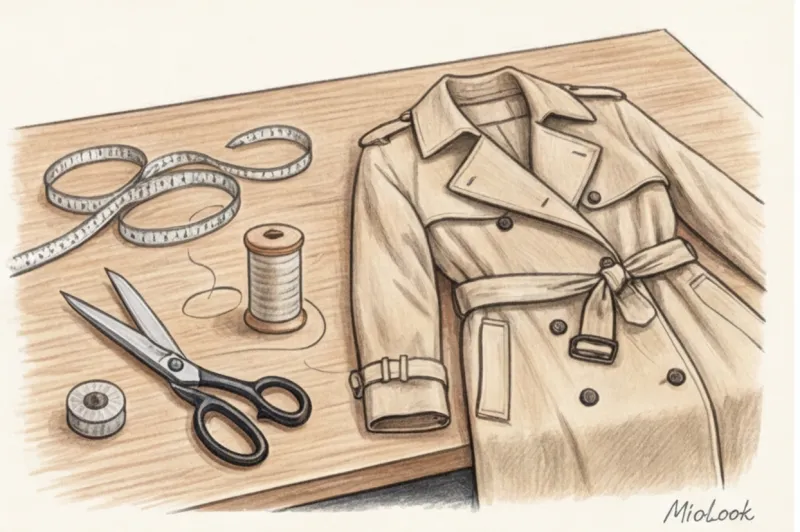
- The studio is your best friend. Collect all items with long sleeves, baggy back darts, or irregular lengths. Paying a tailor about 15% of the item's price will increase its visual value by 100%.
- Fittings. Replace plastic with horn, metal, or mother-of-pearl. Throw away the flimsy fabric belts that come with dresses and replace them with proper leather belts.
- Texture reanimation. Machine-brush knitwear to remove pilling. Brush suede shoes with a special brush, and wipe leather bags with leather conditioner.
- Steamer instead of iron. Slight creases in viscose or silk instantly cheapen an outfit. Vertical steaming doesn't flatten the fabric fibers, preserving their volume and luster.
Conclusion: Investing in care is more important than investing in brands
Over the years as a stylist, I've learned one immutable rule: a luxurious look isn't just the sum of the numbers on the price tag. It's, first and foremost, about your attention to detail, respect for your body's proportions, and impeccable visual geometry.
You don't need a huge budget to look luxurious. You need clothes that breathe well, quality hardware, and a habit of taking care of your wardrobe. Let there be fewer things, but they will be in perfect condition and fit your figure perfectly. Pack a bag of clothes for the tailor and dry cleaner today – take the first step towards your new, truly prestigious reflection in the mirror.
Ready to start your transformation?
Try the MioLook free plan—no commitments required. Your personal AI stylist is always at your fingertips.
Get access — €0.99 once