I vividly remember the day I was sorting through the closet of my client, the marketing director of a large IT company. We pulled out five beige trench coats and lightweight jackets from budget high-street stores, all bought in just one season. In total, this parade of polyester cost about €400. And you know what's most ironic? She constantly complained that she had nothing to wear to high-profile meetings, that she was freezing outside, and that her sleeves were frayed and looked unkempt after just one dry cleaning.
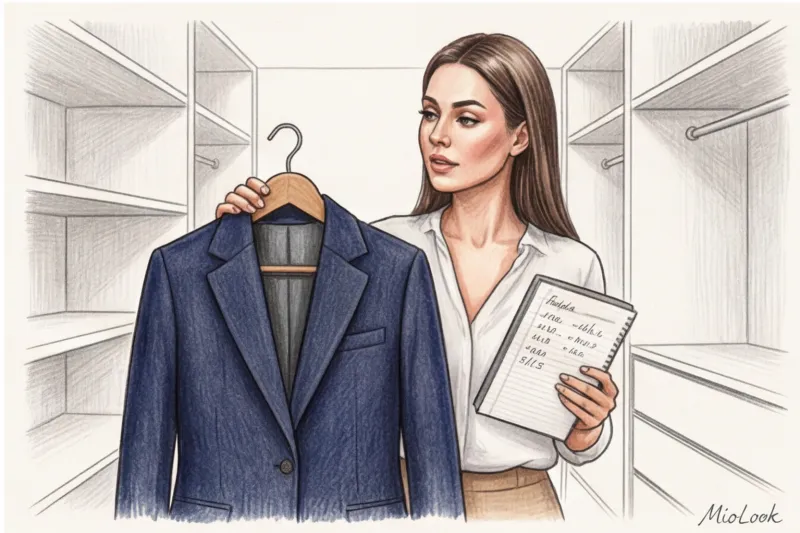
It was at that moment that we sat down to drink coffee and I clearly explained to her, What you shouldn't skimp on in clothing , if you value your time, comfort, and professional image. We've covered this in more detail in our The Complete Guide to Investment Wardrobes , but today I want to talk about pure practice and calculations.
The Mathematics of Style: What You Shouldn't Skimp on in Clothing According to the Cost Per Wear Rule
Most women fall into the psychological trap of mass-market shopping: buying a €30 jumper seems like a harmless expense, while a €200 price tag on high-quality cashmere provokes internal protest. It's the illusion of saving money.
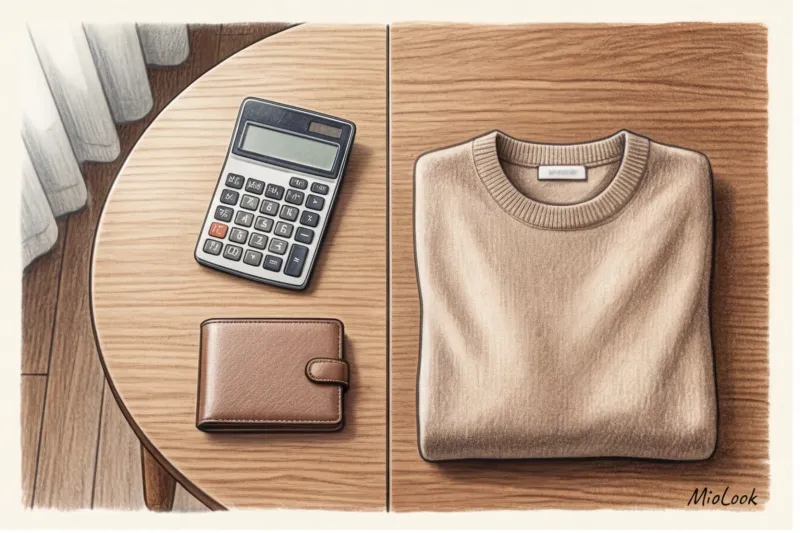
Let's calculate using the formula Cost Per Wear (CPW – cost per wear). Let's say you bought the perfect wool coat for €300. You wear it every day in the fall and spring – about 100 times a year. The cost per wear is only €3. Now let's take that same €50 jacket that fits poorly, irritates your hair, and doesn't keep you warm. You'll wear it a maximum of five times when everything else is in the wash. Its real cost per wear is €10. The cheap item turns out to be three times more expensive to wear.
Analysis of app users' wardrobe data MioLook The 2023 data reveals grim statistics: cheap synthetic items are removed from virtual closets and sent to landfill after just 3-4 months. Meanwhile, 20% of high-quality basics account for 80% of all the outfits users create every day.
Your perfect look starts here
Join thousands of users who look flawless every day with MioLook.
Get access — €0.99 onceOuterwear: The architectural framework of your look
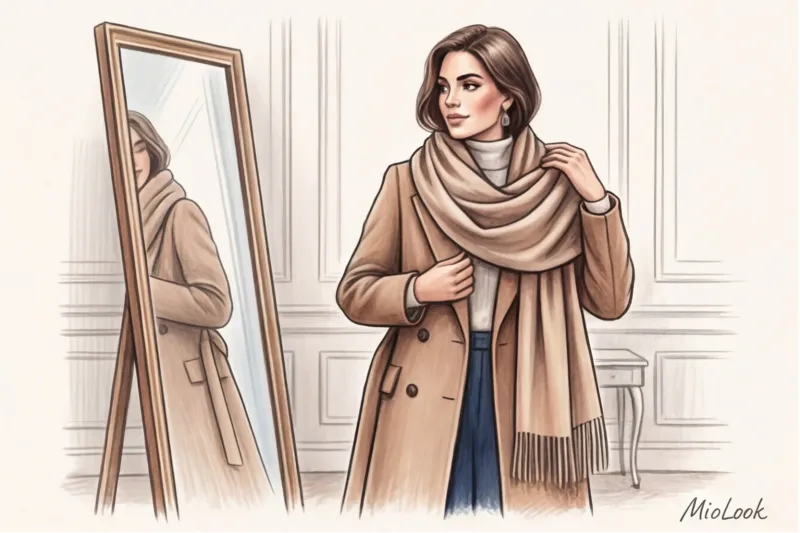
Coats, trench coats, and structured jackets are your calling card. They're the first thing colleagues see when you walk into a meeting room and the last thing they remember when you leave. Outerwear creates a silhouette.
Cheap outerwear fabric (especially thin polyester) makes any base layer look cheaper. You can wear a luxurious silk dress, but if you throw on a flimsy coat that doesn't hold your shoulders and is covered in pilling, the magic disappears. Furthermore, synthetics create a greenhouse effect: you sweat on the subway and instantly freeze outside. Invest in heavy gabardine for trench coats and a wool blend of at least 70% for coats.
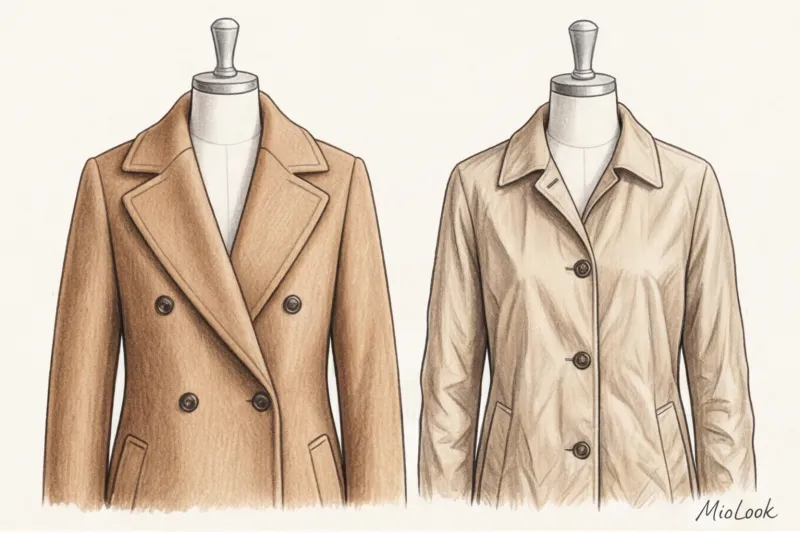
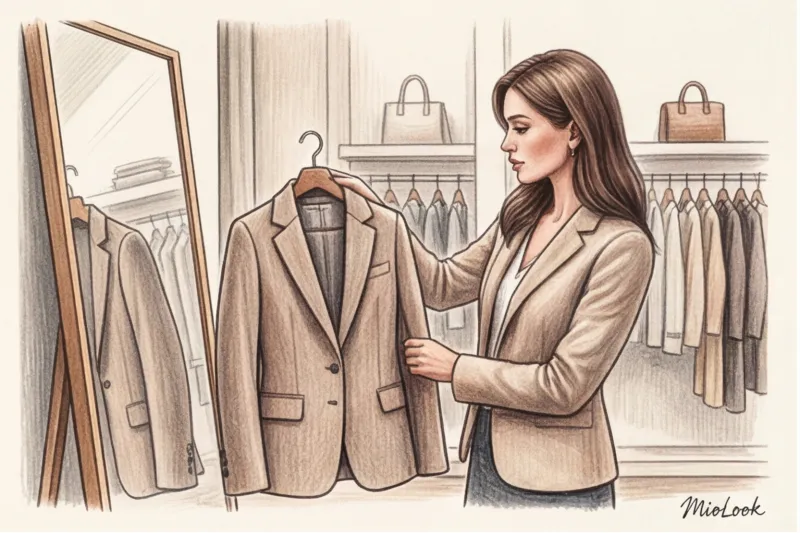
"Of course, the heavy coat investment rule doesn't work for everyone. If you live in a hot climate or your commute consists solely of driving from a heated parking lot to the office, you don't need a heavy wool. In that case, shift that budget toward the perfect structured blazer."
The Anatomy of the Perfect Coat: What to Look for When Choosing
As the Institute of Textiles and Clothing (2024) notes in its research, 80% of shoulder garment deformation occurs due to improper internal construction. Pay attention to two factors:
- Lining: Only viscose or cupro. If a coat costs €250 but the interior is 100% polyester, it's a bad investment. You'll experience discomfort from static electricity.
- Shoulder girdle: A quality garment will have a reinforced shoulder line with interlining. The seams should be perfectly straight, without gathers or "waves" at the sleeve joints.
Shoes: An Investment in Posture, Health, and Status
Shoes are a fundamental element that others notice in a split second. But it's not just about the brand's status, but about pure biomechanics.
According to a 2023 study in the Journal of Foot and Ankle Research, wearing shoes with a low-quality, flat last made of rigid, artificial leather alters your gait pattern within just 20 minutes. You begin to slouch, and it's harder to land your heel to maintain balance. A cheap last disrupts your biomechanics, which immediately conveys a lack of self-confidence to others. In expensive shoes with anatomically correct arch support, it's impossible not to walk with a graceful posture.
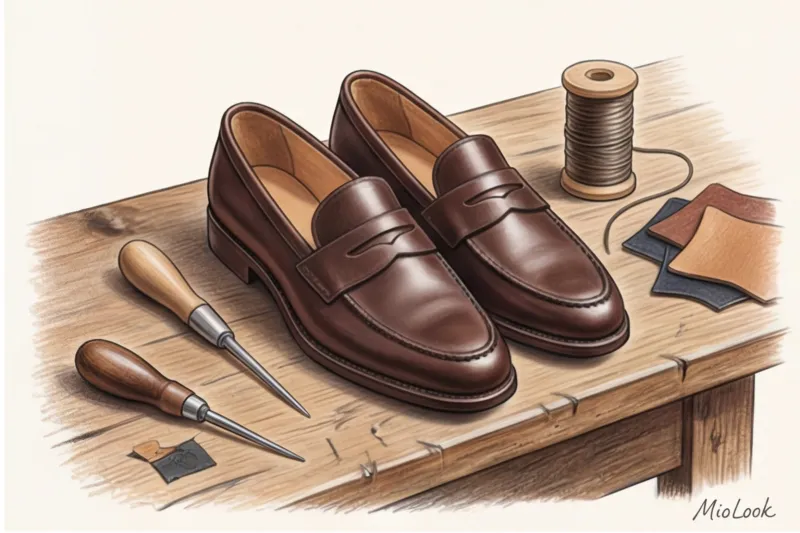
Genuine leather, suede, or high-tech breathable materials adapt to the shape of your foot. A pair of classic loafers for €150–€250, with proper care (using wooden shoe trees and regular maintenance), will last you 4–5 years, while a pair for €30 will lose their shape within a month.
Ready to get started?
Try the free plan—no commitments. A smart AI stylist will help you find the perfect look.
Get access — €0.99 onceThe "Closer to the Body" Rule: Underwear and Basic Knitwear
Over 12 years of working as a stylist, I've discovered a golden rule: the closer a garment fits against the skin, the more natural and high-quality it should be. You can skimp on a full skirt, but not on a turtleneck that skims your neck.
Secret insider tip: 90% of problems with the fit of trousers, silk skirts, or dresses can be solved not by expensive alterations at a tailor's, but by purchasing the right basic lingerie. Lace seams, elastic that cuts into the hips, and an ill-fitting bra can ruin the geometry of even the most impeccable outfit. Smooth, seamless lingerie in a nude (not white!) color is the invisible foundation of a luxurious look.
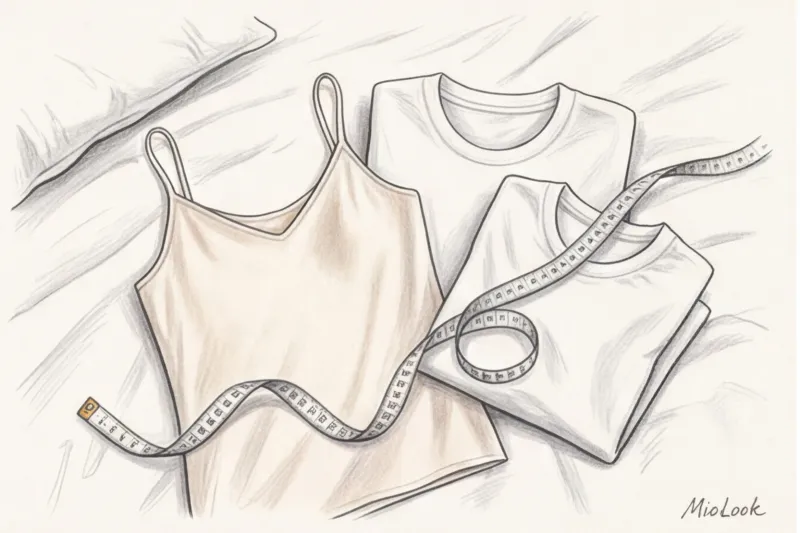
The same goes for basic knitwear. A cheap acrylic jumper will pill where it rubs on its first day in the office. Look for merino wool, cotton with a weight of at least 180 g/m², or blends (cotton with 5-10% elastane to maintain shape).
Invisible luxury: cut, seams and fittings
Do you know where mass-market fashion cuts the most money? Patterns. To produce millions of T-shirts quickly and cheaply, manufacturers simplify the cut, making it flat. This causes the garment to bunch up in the back or feel tight in the armholes. Complex, architectural cuts require time and expensive design work.
The second biggest betrayal of budget clothing is the hardware. Bright, gold-plated plastic buttons, thin, sticky zippers, and sloppy buttonholes instantly reveal the item's true cost.
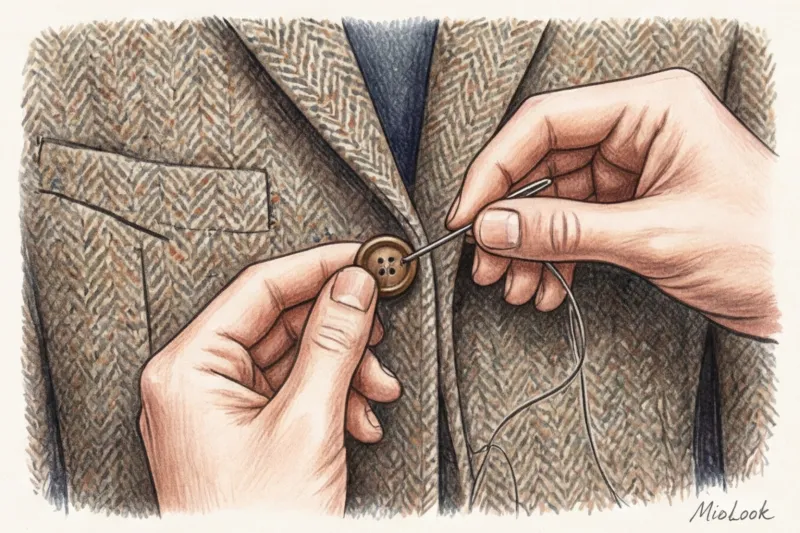
But there's a fantastic life hack here. I once bought a perfectly fitting jacket at Zara for €60. The only thing that spoiled it were the cheap, shiny buttons. I took it to the nearest tailor and asked them to replace them with genuine horn ones, which I bought for €15. A couple of days later, at a business breakfast, I was asked if it was from the new Massimo Dutti collection or something more premium. Attention to pattern alignment (for example, whether the checkered seams match) and high-quality hardware can work wonders.
Bags and structured accessories: visual anchors
The human eye is lazy. When assessing someone's appearance, we don't scan every centimeter of fabric; we latch on to two or three focal points—"visual anchors." The face (the groomed hair), shoes, and bag.
A bag is an object you hold in your hands or place on the table in front of your partners. Soft, thin faux leather bucket bags quickly become creased, their corners fray, and their shape sag. This gives the entire look a tired feel.
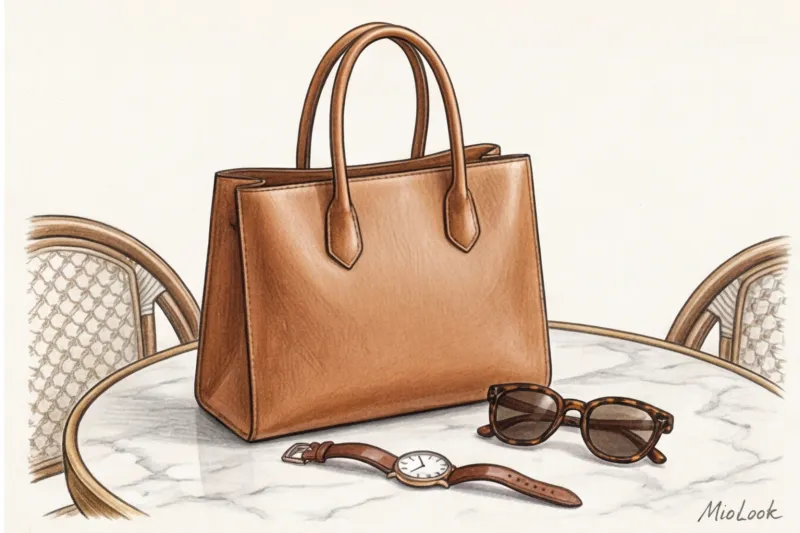
You don't have to buy a Birkin. A sturdy, well-shaped tote or crossbody bag made of thick leather in the €150-€300 price range (from local designer brands, for example) will be worth every penny. Add a quality leather belt and some good sunglasses, and you can wear even the simplest jeans and a shirt and still look like a million bucks.
Access to MioLook for €0.99 — one-time payment
A smart AI stylist will select the perfect look for every day and help you put together the perfect capsule wardrobe.
Get access — €0.99 onceDebunking the myths: what you CAN and SHOULD save on
It's time to share the most counterintuitive piece of advice that often shocks my clients: you absolutely do not need to buy expensive white T-shirts for €80–€100.
It's pure chemistry: the aluminum salts found in most deodorants react with your sweat and natural cotton. This inevitably results in yellow stains under your arms that no dry cleaner can remove. A white T-shirt is a consumable item. Buy a quality mid-market one (20-30€) and replace it every six months without regret.
What else is worth saving on:
- Evening dresses: You'll wear a sequin dress for a New Year's corporate party exactly once (or maybe twice). It's better to rent a luxurious outfit for €50 than to buy a mediocre one for €200.
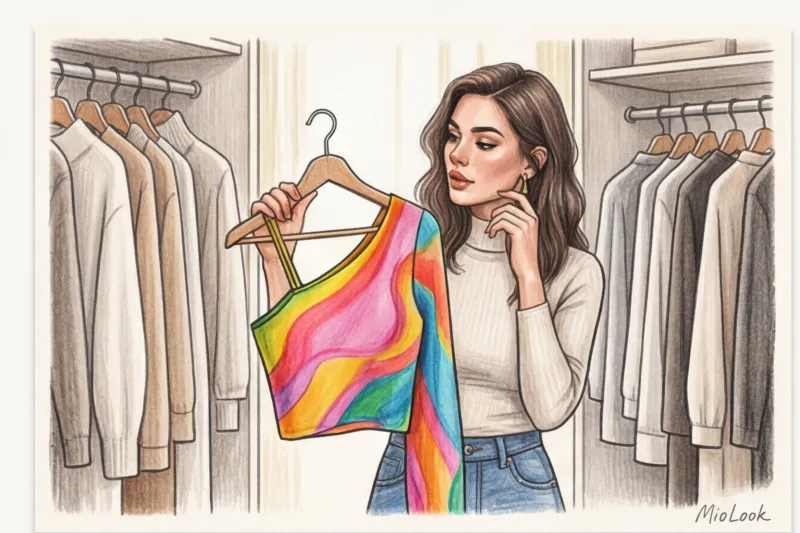
- Hot microtrends: Neon tops, oddly cut cargo pants—anything that will be out of style in four months. Buy it at the mass market.
- Summer beach items: Salt water, sunscreen, and sand all destroy tissue at the same rate, regardless of their price.
A conscious shopper's checklist: test items before checkout
To keep your cupboard clutter-free, use this practical checklist every time you stand at the checkout. It only takes one minute.
- Crease test: Squeeze the edge of a piece of fabric (like the hem of a pair of pants) in your fist and hold it for 10 seconds. Release. If the fabric is still crumpled, you'll look the same after 15 minutes in a taxi. Leave the item in the store.
- Transparency test: Hold the fabric up to a bright lamp in the fitting room. If you can clearly see the outline of your fingers through the weave (and this isn't the design's intention), the garment is too thin and will quickly become unusable.
- The Rule of Three: Can you, right now, without thinking, name three or four items from your current wardrobe that would pair perfectly with this new item? If not, it's an impulse buy.
The secret to impeccable style lies not in an unlimited budget, but in wisely allocating resources. Save on items that last only one season and invest in pieces that shape your silhouette, promote comfort, and support your posture. Start by analyzing what you wear most often—this is the category you should focus your next shopping budget on.