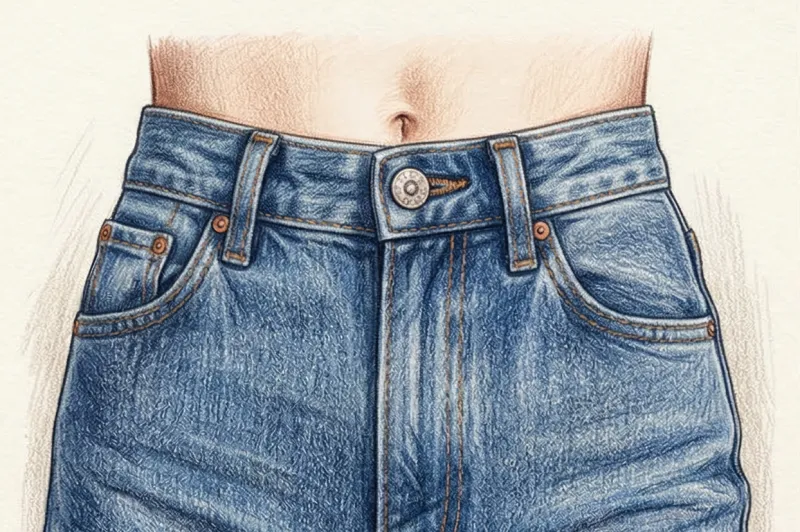
What is a high waist?
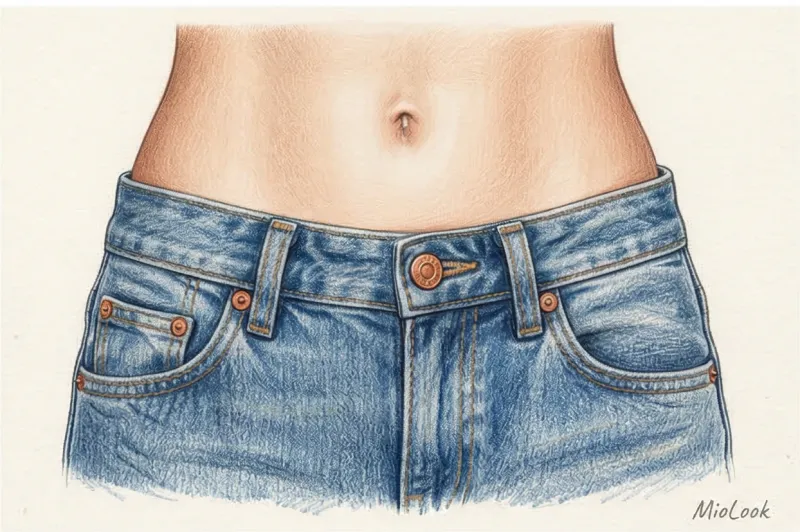
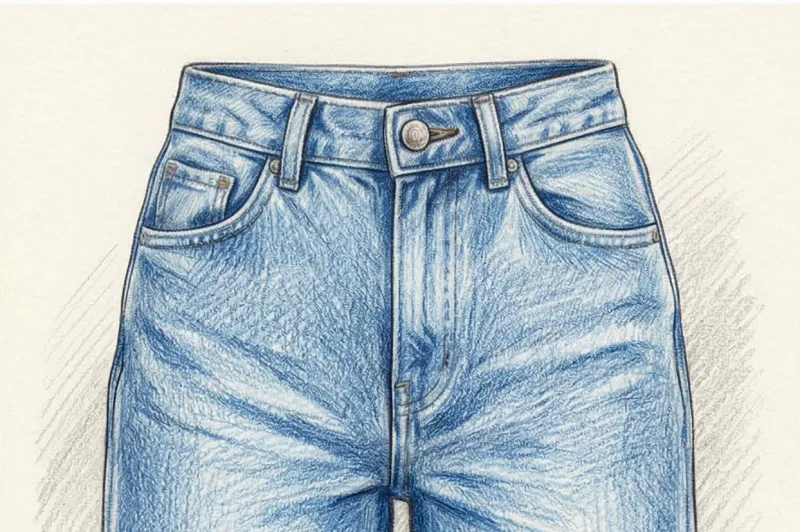
High-rise — is a cut of trousers, jeans, shorts or skirts in which the waistband is positioned at the level of the natural waistline or slightly above it, usually in the navel area.
In tailoring, this measurement is determined by the front rise. This is the distance from the inseam to the top edge of the waistband, which for a given cut is 25 cm (10 inches) or more.
Historically, this silhouette was the standard in the 1940s and 1950s. It later experienced peaks of popularity in the 1970s, 1980s, and 1990s in the form of mom-fit jeans. In the 2010s, the high-waisted silhouette finally became a modern wardrobe staple as a response to the low-rise trend of the 2000s.
Distinctive features
The main visual feature of the cut is the upward shift of the horizontal line of the silhouette. This visually lengthens the legs and accentuates the narrowest part of the torso.
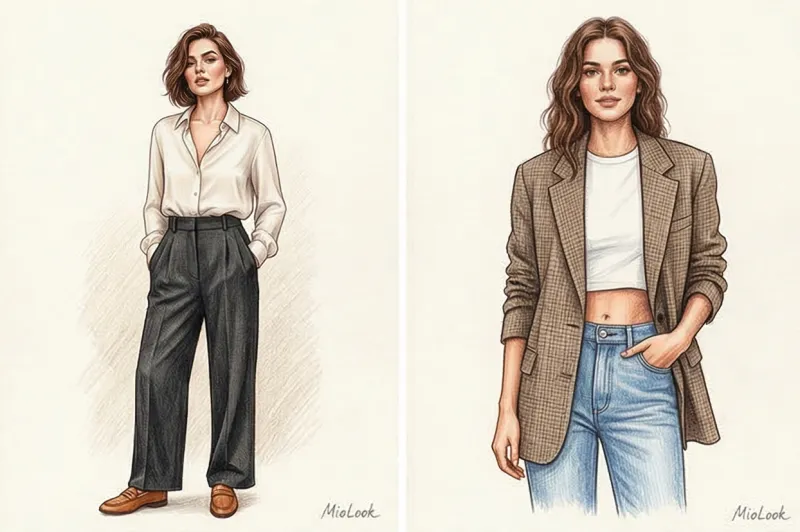
The functionality of a high waist lies in its secure fit. Clothing with this cut stays in place when bending over or during active movements, and also smooths the line of the hips and stomach.
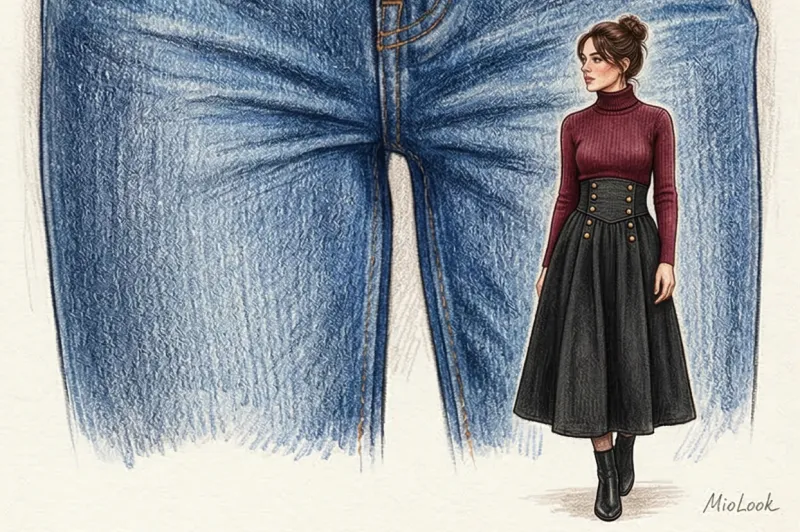
There are grades of rise based on height. A classic high rise means the waistband sits exactly at belly button level. A super high rise means the waistband sits above the belly button, all the way to the lower ribs, often styled with a wide corset insert secured with several buttons.
What to combine with
To maintain proportions, it's customary to tuck tops fully or partially into the waistband. This rule applies to basic T-shirts made of thick cotton, silk blouses, thin jumpers, and knit turtlenecks.
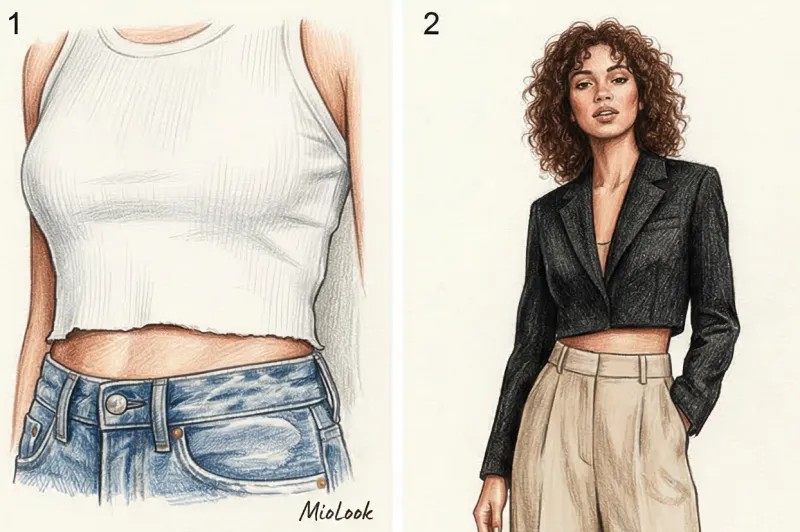
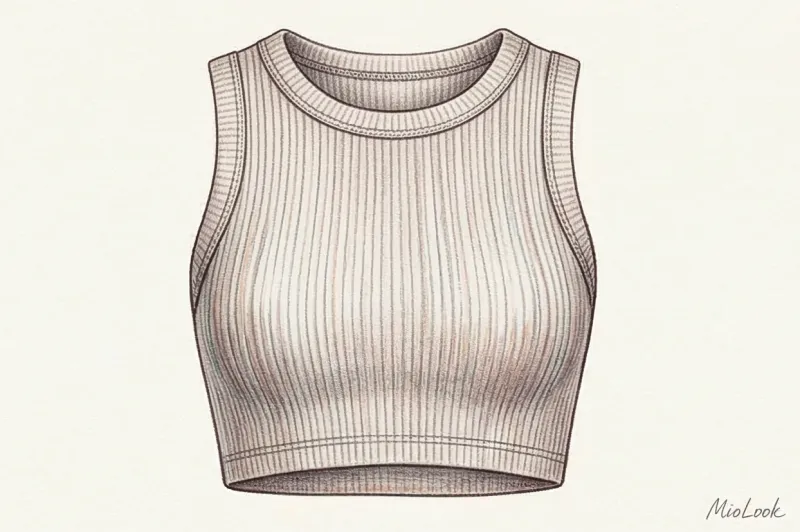
The cut pairs well with cropped pieces like crop tops, short hoodies, and jackets. The high waistband covers the midriff, leaving just a thin strip of skin or meeting completely at the bottom of the top.
In layered looks, a high waist works with an unbuttoned top layer. A long blazer, a thick cardigan, or a classic trench coat create a silhouette-stretching vertical line over a defined waist.
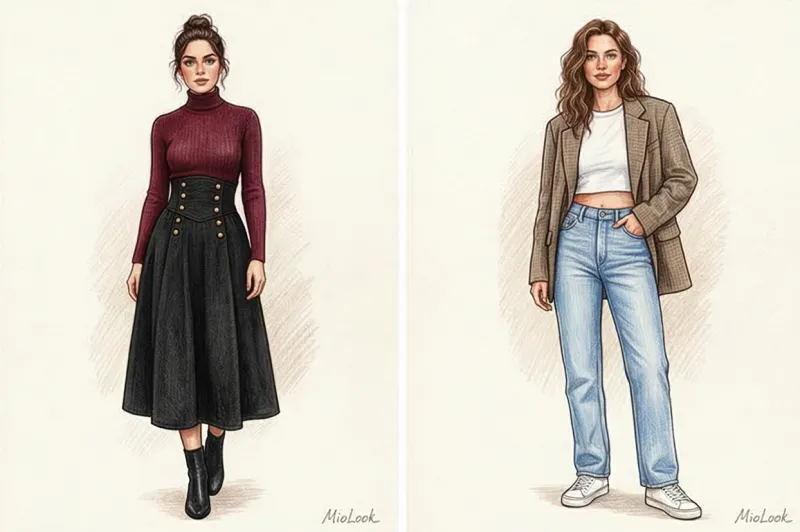
The choice of footwear depends on the length of your trousers. Heels maximize the effect of longer legs, while flat shoes, such as leather sneakers or classic loafers, create a relaxed, casual silhouette.