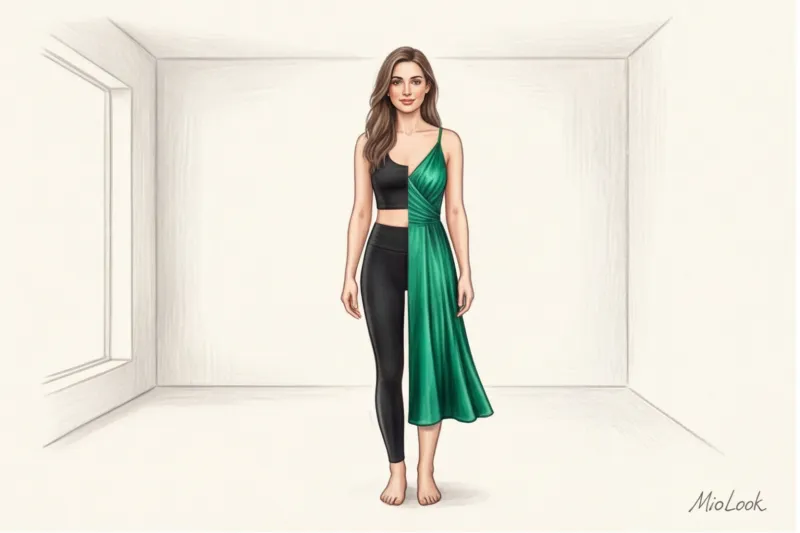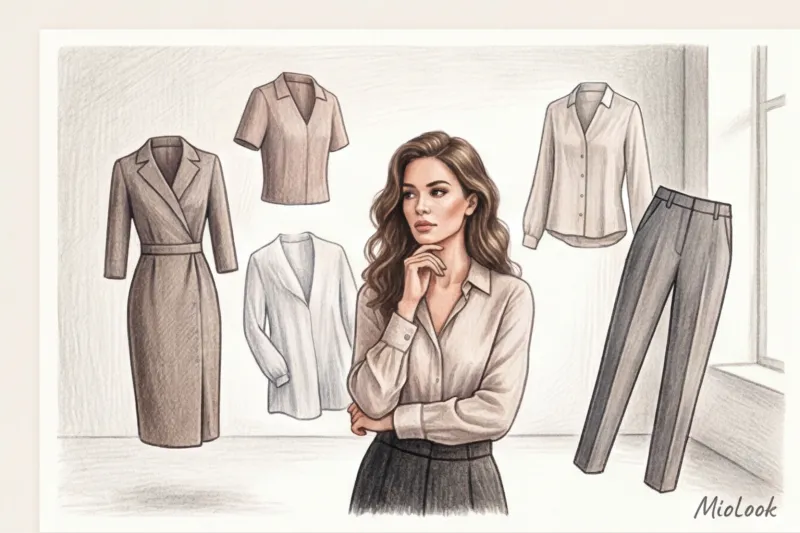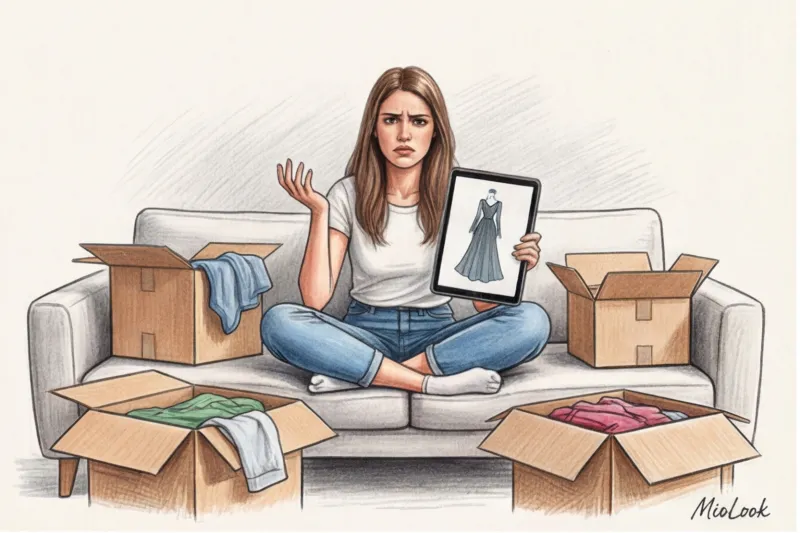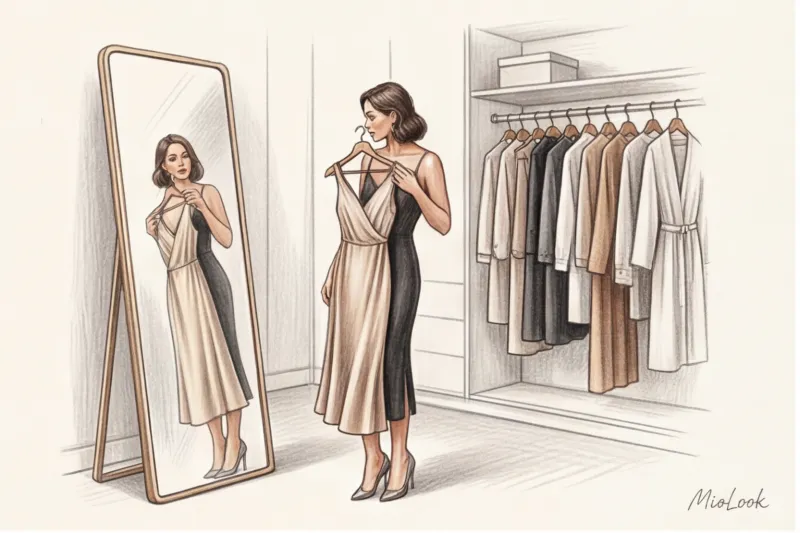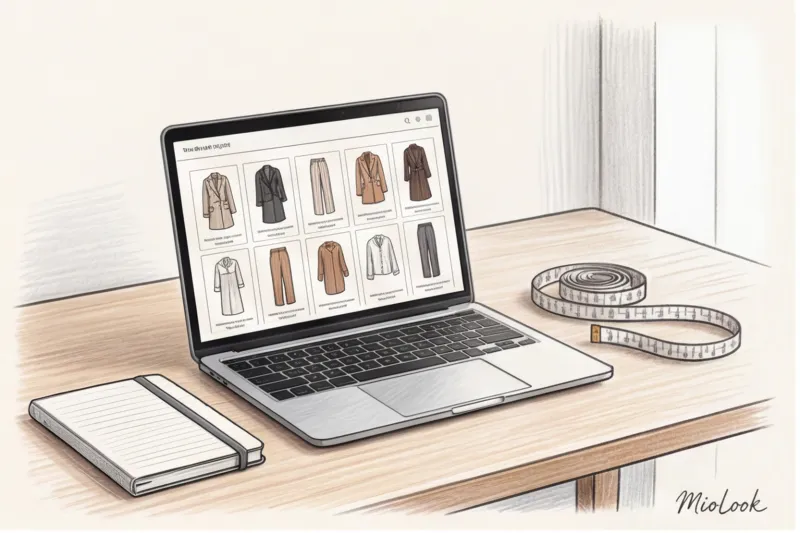
I remember my first month working exclusively online. I proudly sent a client 50 links to items from Zara, COS, and Massimo Dutti via messenger, along with detailed voice messages. The result? She ordered a stunning oversized sweater and super-wide palazzo pants, which she wore together. In the flat world of endless hyperlinks, she simply didn't see how these items "ate up" her height and completely ruined her silhouette.
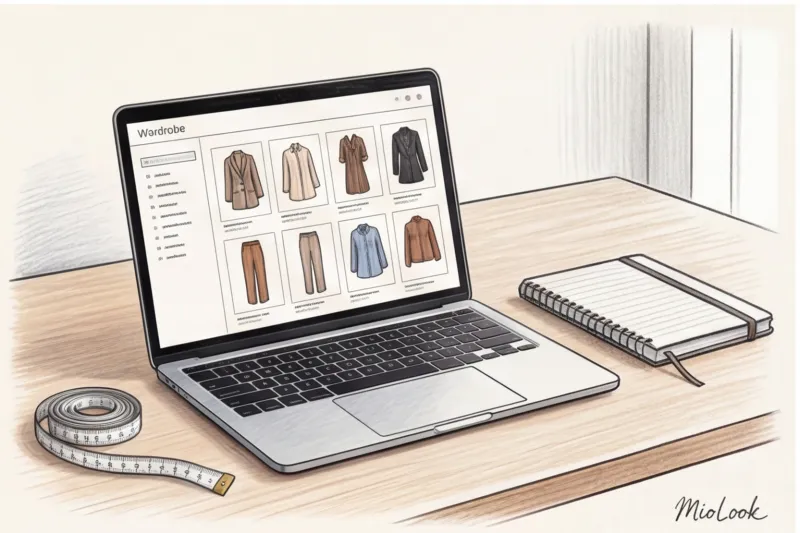
According to a large-scale McKinsey study (2024), approximately 70% of clothing returns in fashion e-commerce occur due to disappointing fit expectations. A customer sees a professional model with a dress pinned up at the back on the website, but in reality, they receive a shapeless piece of fabric. Today, high-quality clothing virtual clothing fitting for stylists — this isn't just a fancy marketing term, but the only way to protect your clients from disappointment and yourself from burnout. We cover this in more detail in our complete guide to work organization: The Best Apps for Stylists: How to Manage Clients Online.
From messaging chaos to system: why virtual clothing fittings for stylists are a game-changer
The stylist profession has undergone a radical transformation. We're no longer "shoppers with bags," running around malls with a measuring tape around our necks. Today, a professional stylist is a digital wardrobe architect. But let's be honest: many still work the old-fashioned way. Sending clients links that expire within a week, screenshots of shopping carts, and scattered photos.
This format loses the most important thing: visual context. Clients simply don't have your eye. They can't imagine the fit from a flat, Photoshopped photo of an item from an online store catalog. When you show an oversized jacket against a plain white background, the client sees "some huge men's item" and gets scared.
Specialized platforms solve the problem of data fragmentation. When I migrated the database to MioLook , the chaos has disappeared. The client's belongings and new purchases now share a single visual space, where the length of a new coat can be clearly shown in relation to the length of existing skirts.
Access to MioLook for €0.99 — one-time payment
A smart AI stylist will select the perfect look and help organize your clients' wardrobes.
Get access — €0.99 onceWhat Virtual Clothing Try-Ons Really Are (Spoiler: They're Not AR Masks)
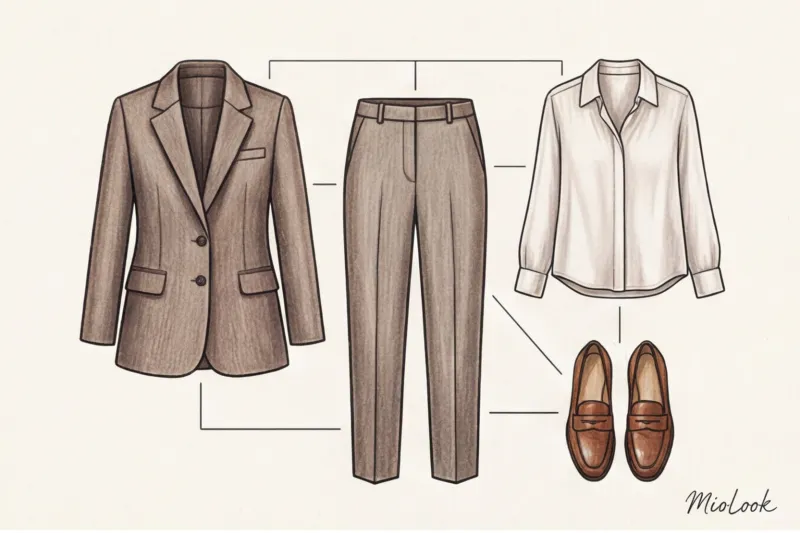
Let's dispel the biggest myth of the modern fashion industry right away. When tech startups talk about virtual fittings, they most often mean AR filters—superimposing a 3D model of a digital dress onto a person's photo. It looks funny on TikTok, but for a professional stylist, such tools in their current form are completely useless.
The AR mask doesn't take into account the actual fabric density, gravity, grain direction, or the depth of bust darts. It creates a perfect illusion where the fabric would actually bunch up or stretch.
For us, a true virtual fitting involves parametric matching, strict visualization of proportions, and consideration of the geometry of a specific body. We use lookboards and capsule logic to show a garment in context: how a high-waisted pair of trousers will offset a voluminous crop top. Read the article to learn how to build such a system. Capsule Wardrobe: A Complete Guide to Creating One.
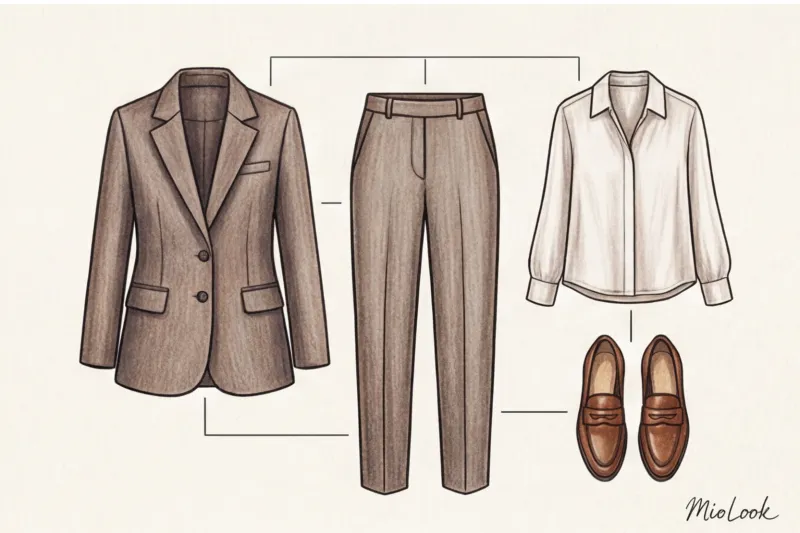
B2C apps vs. stylist software
Consumer apps are designed with one goal in mind: to entertain users and encourage them to make a quick purchase. They operate superficially. Styling software (for example, the built-in cataloging tools in MioLook) functions as a database. You manage your client's wardrobe remotely: you store their measurements, purchase history, rejection rate, and color preferences. This isn't a dress-up game, but a CRM system for clothing.
How to Show a Client the Fit Remotely: 3 Professional Tips
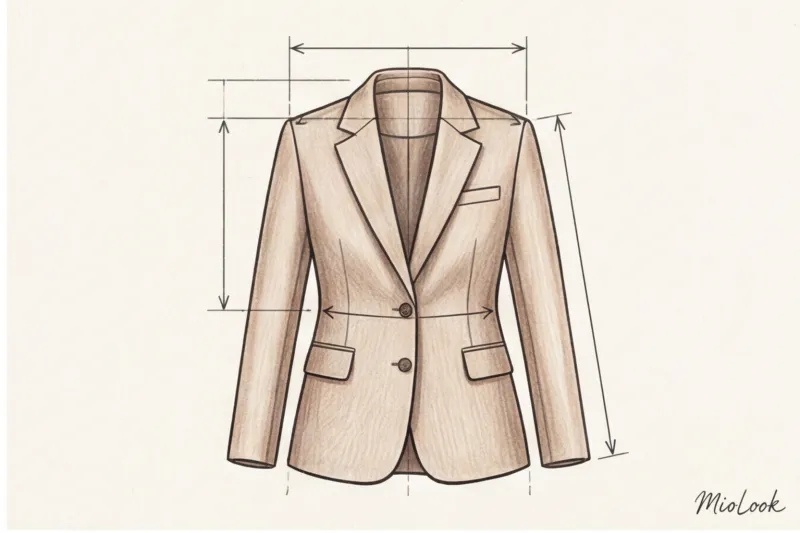
To get a customer to buy something without trying it on in person, we must translate visual language into precise numbers. Forget the abstract phrase "fits loosely." Be specific.
- The "Anchor item" method. I learned this trick from experienced tailors. It's hard for clients to understand what "back width 42 cm" means. But if you say: "Take your favorite Massimo Dutti jacket, which fits you perfectly. Measure it across the back—it's 40 cm. The new jacket is exactly 2 cm wider, which will give us just the right amount of air for a chunky sweater." By comparing the measurements of a new item with a perfectly fitting item from the client's closet, you remove 90% of the fear.
- Visually constructing a silhouette on a digital canvas. When creating collages, maintain the actual scale of the items. If you're featuring an oversized shirt and leggings, the shirt in the collage should visually cover the hip area exactly as much as it would in real life.
- Analysis of figure control points. This is especially important for complex corporate queries. We discussed this in more detail in the article Virtual Business Attire Try-On: AI for Experts.
Analysis of fabric texture and behavior through a screen
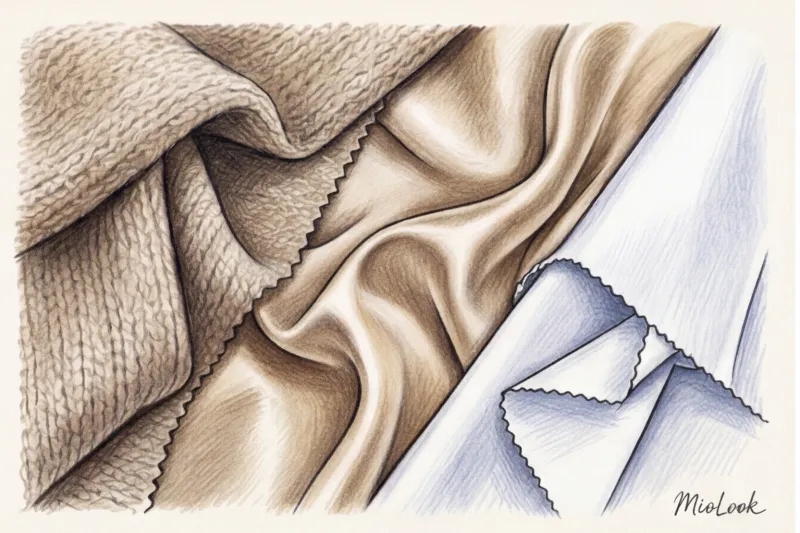
Fit is 50% dependent on the fabric. Is a silk blouse cut to the same pattern as a heavy cotton shirt (for example, 120 g/m² poplin)? They will fit completely differently. Silk will flow, emphasizing curves, while cotton will be stiff, creating a rigid, architectural volume.
How can I "read" fabric from a store photo? I always look for videos from the runway or short clips in the product listings. Look for creases near the model's elbow. If the creases are sharp and graphic, the garment will hold its shape. If the folds are soft and rounded, it will sag. This is something that needs to be taught to the client, explaining the difference between how a garment is pinned on a mannequin and how it will behave in real life.
Your perfect look starts here
Join thousands of stylists and users who take their wardrobe to the next level every day.
Get access — €0.99 onceThe main mistakes stylists make when trying on hair remotely and working with color
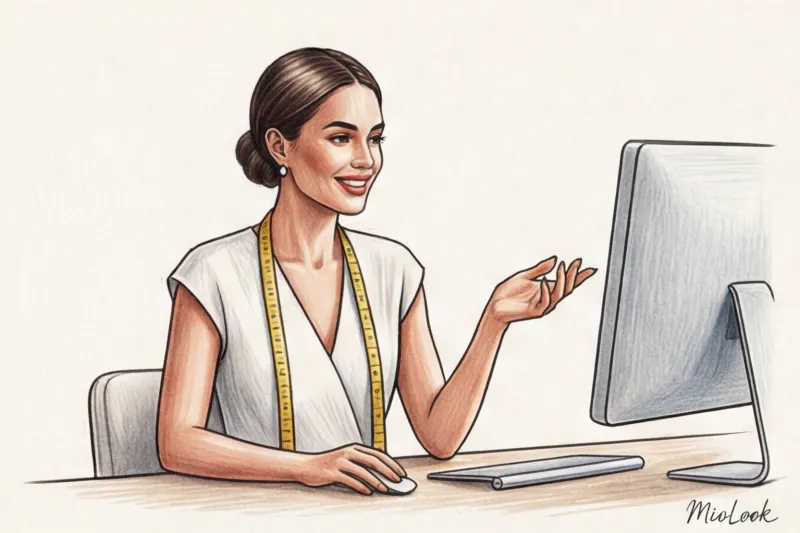
Over 12 years of practice, I've identified several critical mistakes that ruin the entire work of an online stylist. One of them is blindly relying on screens. I had a situation in my practice: a client and I were putting together a spring capsule collection, and I chose a luxurious skirt in a cool emerald shade. A week later, the client calls me in a slight panic: "It's so swampy and warm!" It turns out she'd been reviewing and approving my presentations late at night, lying in bed on her iPhone with True Tone mode enabled (which makes the screen look very yellow) and the brightness turned down to minimum.
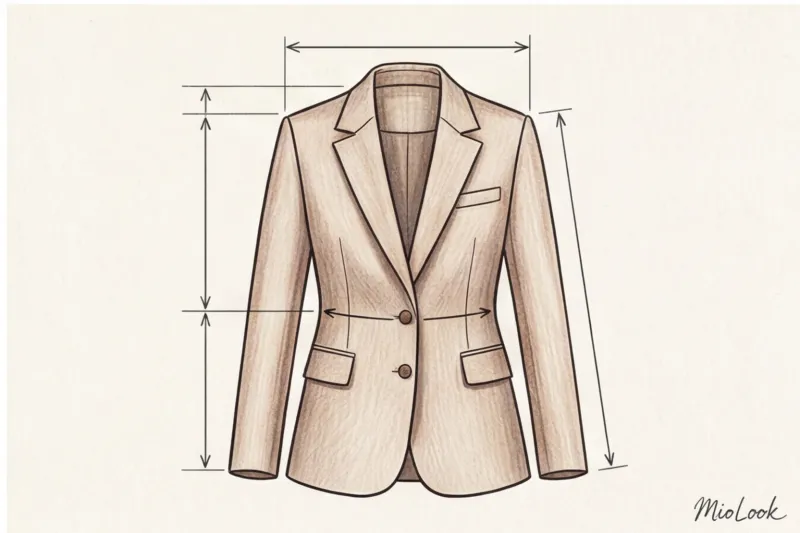
Since then, my welcome brief has included a strict rule: view color palettes only during the day, in natural light, and at 100% screen brightness, without smart filters. If you want to delve deeper into working with shades remotely, I recommend studying 12 Color Types of Appearance: A Guide to Choosing a Palette.
Another common mistake is trying to fit a garment to an abstract "type" (such as the Kibbe body type) without considering individual correction zones. You can choose the perfect dress for a Dramatic figure, but if the client has asymmetrical shoulders or an unusual waist height, without checking the specific length measurements, the dress simply won't fit.
Step-by-step plan: conducting the first virtual fitting with the client
Technology will never replace your expertise, but it will greatly enhance it if you follow a clear algorithm. Here's my tried-and-true checklist for this process:
- Step 1: Collect accurate data. Don't just ask the client to "take measurements." Send a short video tutorial on where exactly the waistline is (no, it's not where the waistband is on jeans) and how to properly apply the tape measure.
- Step 2: Digitizing the database. Upload 10-15 key, perfectly fitting items of the client in MioLook This is your "foundation" and those very anchors for comparison.
- Step 3: Pre-selection. Integrate photos of new pieces into your existing capsule collection. Create collages that clearly highlight volume balance: if we take a voluminous bomber jacket, show fitted bottoms next to it.
- Step 4: Video presentation. Never send a lookboard silently. Call or record a screencast, commenting in detail on the fit of each item: "Note that this coat has dropped shoulders, so it won't restrict your movement even if you wear a hoodie.".
- Step 5: Asynchronous fitting. When the items arrive, the client sends you a photo from the fitting room. Tell them what shoes to wear to assess the length of their trousers and how to tuck in their shirt. If you're working with specific items, such as dresses, the algorithm in the article will help. How to try on a dress online from a photo before buying.
Ready to get started?
Try the free MioLook plan for professionals – automate your routine and delight your clients.
Get access — €0.99 onceMonetization: How a Virtual Fitting Room Increases Your Sales and Loyalty
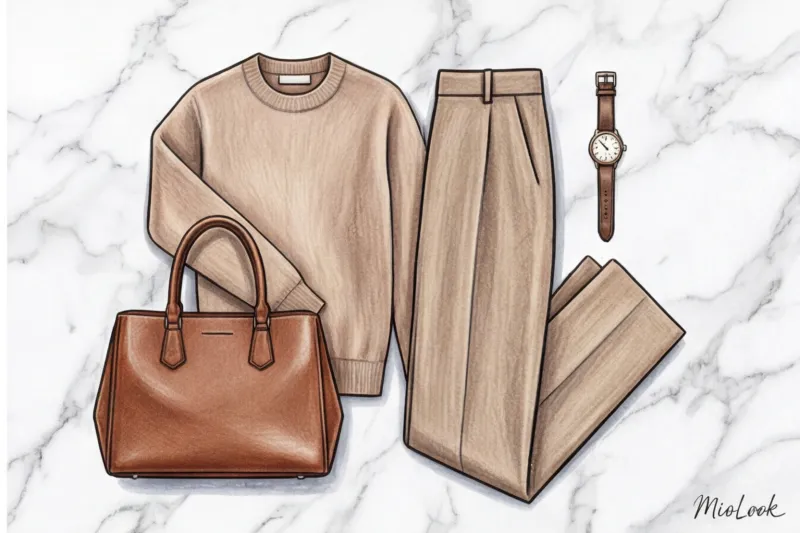
Shifting from spontaneously sharing links to systematic virtual try-ons is a direct path to scaling your income. First, you're moving away from the grueling hourly shopping costs to project-based work. Clients aren't paying for your time spent searching for a skirt on Wildberries or Farfetch; they're paying for the design of their look and the confidence in the final product.
Secondly, it's math: physically, you can only provide high-quality service to a maximum of 2-3 clients per week offline. Online, with digitized wardrobes and a database of measurements, I can easily manage up to 10 projects simultaneously without sacrificing quality. A lower return rate (since you've taken all measurements and fabrics into account) directly translates into a higher level of trust and increased LTV (lifetime value)—clients return to you every season because they feel safe with you.
The professional, aesthetic presentation of lookboards in the app creates that WOW-effect of a premium service. Stop selling clothes and start selling a ready-made, working system, and you'll see how people perceive your services.