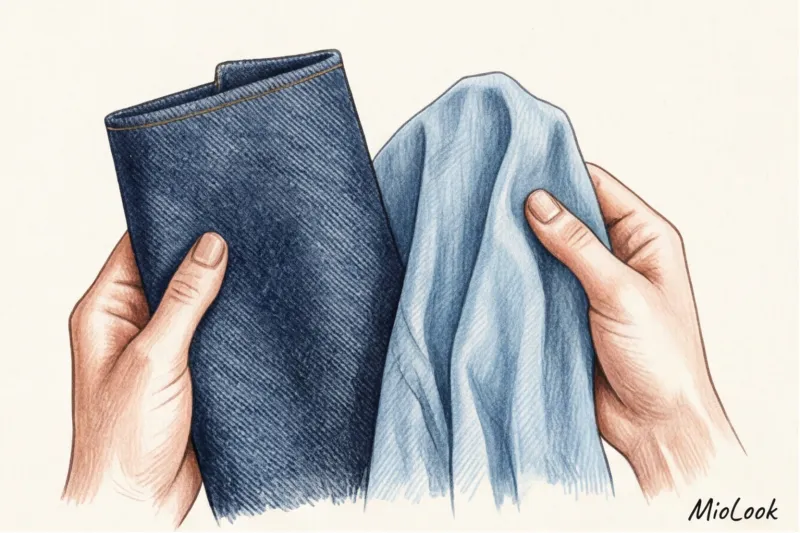
Be honest: how many times have you thrown on your usual jeans simply because you didn't have time to put together a complicated outfit in the morning? Denim has become our lazy uniform. And if you're looking for the perfect basic pair, I highly recommend checking out our A complete guide to the top fashionable jeans and denim trends. But today I want to invite you to go beyond classic trousers.
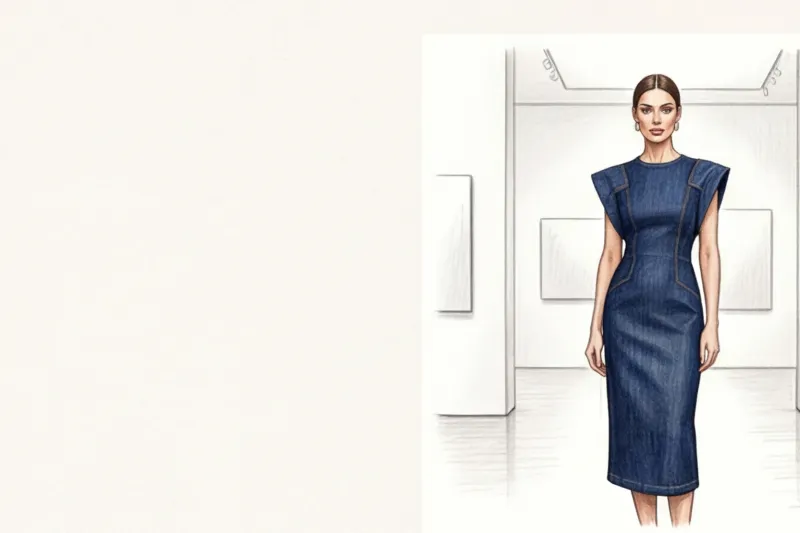
As a textile expert and stylist, I see the enormous, often untapped potential of denim. Well-tailored, fashionable denim dresses, minimalist shirts, and tailored overalls can completely revolutionize your understanding of both business and casual wardrobes. Forget the shapeless sundresses of the 2000s. We'll discuss denim as an architectural material that sculpts the figure and looks no less classy than wool suiting.
Fashionable denim dresses: a new, intelligent classic
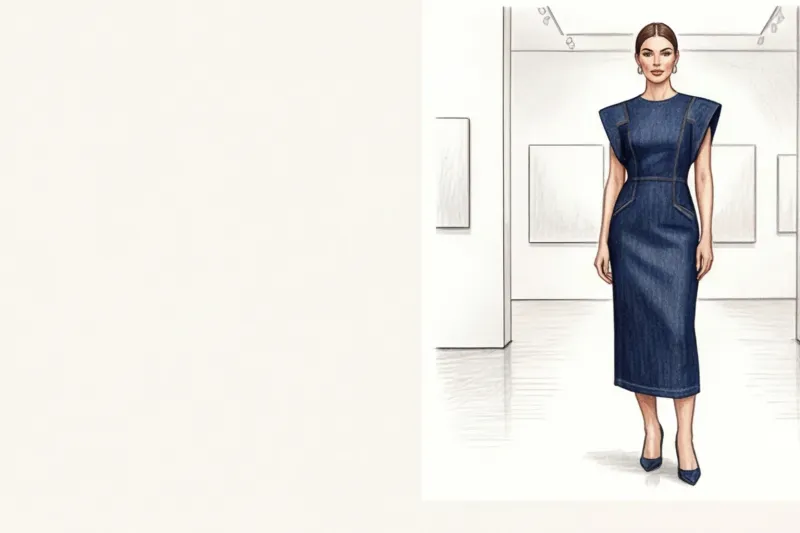
Take a look at the latest collections from Bottega Veneta or Schiaparelli. They're no longer trying to make denim look "relaxed." Instead, it's used to create sculpted sheath dresses, tailored shirtdresses, and A-line silhouettes in midi and maxi lengths. It's the below-the-knee length, paired with a sturdy fabric, that elevates the denim dress from "beach casual" to a statement piece for a sophisticated, sophisticated wardrobe.
Denim has a unique shape memory. Unlike fine viscose or silk, it doesn't highlight what you want to hide, but creates its own independent silhouette.
I had a revealing case in my practice. A client, a top manager at a fintech company, approached me. She avoided jeans because of her figure (the "loopy hips") and hated classic office jackets for their stiffness. I suggested an architectural sheath dress made of thick raw denim in a deep navy blue. The fabric worked as a perfect frame. After her first important presentation, she wrote to me: "Sofia, this dress is my armor." It had the formality of a suit but conveyed a modern, dynamic energy.
The Secret to a Perfect Fit: Learning to Read Density in Ounces
If you want your dress to perform like that "armor," you need to learn to evaluate denim not only by feel but also by numbers. In the international textile industry, denim density is measured in ounces per square yard (oz).
- 11–13 oz (heavy denim): Ideal for sheath dresses, corset bodices, and straight maxi skirts, this fabric offers a micro-contraction effect, doesn't bunch up in the groin area when sitting, and maintains its shape perfectly.
- 6–8 oz (light denim): Perfect for flowing shirt dresses, tiered skirts, and heavily draped styles, it's flowy but won't hide figure-flattering details.
Let me be clear: there's a fair limitation here. Fashionable denim dresses made from 13-ounce denim aren't meant for comfort in 30°C (86°F) outdoors. They're a structured piece for an air-conditioned office or mid-season temperatures.
Your perfect look starts here
Join thousands of users who look flawless every day with MioLook. Our intelligent AI stylist will help you incorporate complex textures into your wardrobe.
Get access — €0.99 onceDenim Shirts: From Work Uniform to 'Quiet Luxury'
To make a denim shirt look expensive (in the €150 to €300 visual price range, even if purchased at a high-street store), the first rule is total minimalism. No contrasting yellow stitching, faux distressing, or Wild West-style mother-of-pearl buttons. Look for a hidden placket, buttons that match the fabric, and a solid, deep color.
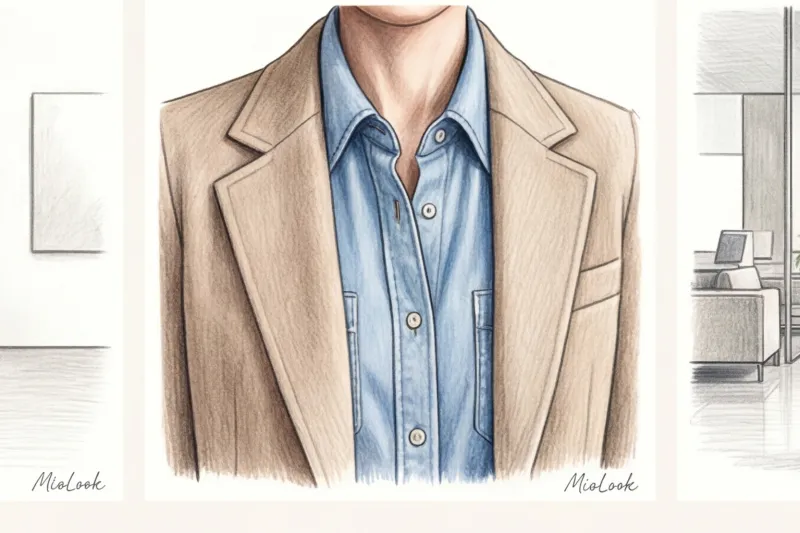
When choosing a shirt, it's important to understand the difference between classic denim and chambray. Denim is a twill weave (a diagonal rib on the fabric) and is stiffer. Chambray is a plain weave (the threads are crisscrossed). Visually, chambray looks like thin denim, but it breathes much better, making it an ideal choice for a basic office shirt.
The composition deserves special attention. I highly recommend looking for shirts with added lyocell (often labeled Tencel™) or hemp. According to research by fiber manufacturers, Tencel™ production saves up to 50% water compared to traditional cotton. But beyond the eco-friendly benefits, this delivers amazing consumer benefits. I personally tested a shirt made from a blend of cotton (60%) and lyocell (40%) during an 8-hour workday with two flights. Unlike 100% cotton, the fabric barely creased at the elbows and retained its luxurious silky sheen.
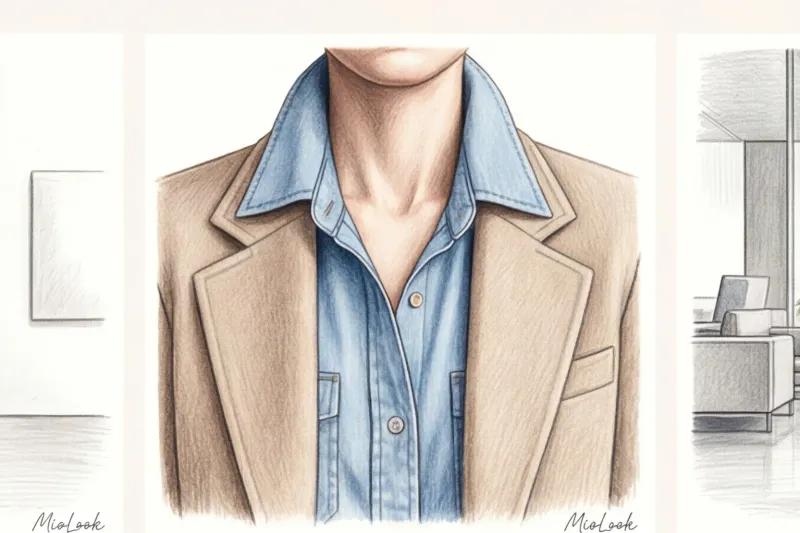
The Rule of Texture Contrast: How to Wear a Denim Shirt
The most boring way to wear a denim shirt is with plain black trousers. Denim demands a sophisticated pairing. Play with contrast:
- Rough + Gentle: Tuck a heavy chambray shirt into a heavy silk skirt. We wrote about why this works in detail in the article about a combination of silk and wool and other textures.
- Complex multi-layered: Wear the shirt as a midlayer—over a thin cashmere turtleneck (office siren aesthetic), but under a structured jacket. This will add just the right amount of casualness to the look without overshadowing the business dress code.
Denim overalls: a classy alternative to the business suit
It's commonly believed that overalls are the ultimate relaxed wardrobe staple, reminiscent of construction uniforms or country house attire. This is a huge misconception. My favorite stylistic insight, which often surprises clients, is that a well-chosen, minimalist raw denim overall without contrast stitching looks more formal, understated, and classy than most classic pantsuits made of loose viscose.
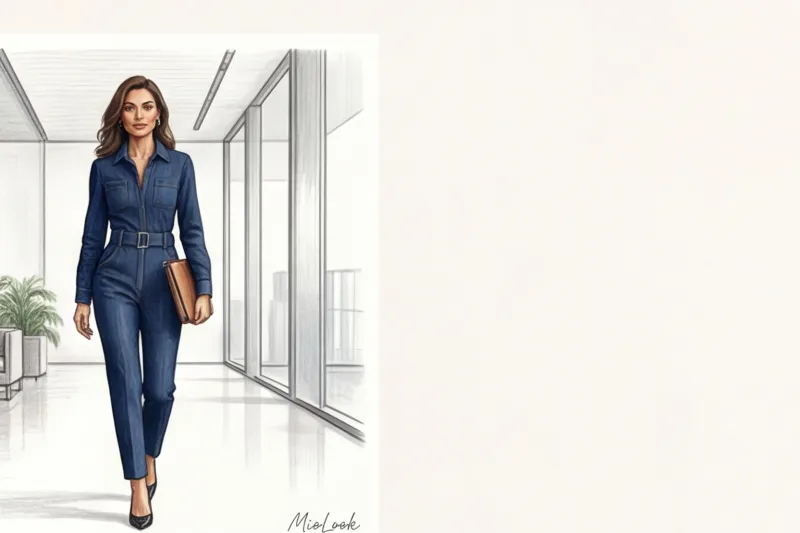
The secret lies in the details. To create a "power dressing" effect, a jumpsuit must meet strict criteria. First, it must have a concealed zipper or hidden buttons instead of bright metal hardware. Second, there must be no patch pockets at the hips or chest (they visually add volume and tone down the formality). Third, the legs must be long, straight, or slightly flared, covering the heel of the shoe.
Access to MioLook for €0.99 — one-time payment
A smart AI stylist will create the perfect denim overalls look based on items in your closet.
Get access — €0.99 onceA Stylist's Checklist: How to Evaluate the Quality of Unconventional Denim
When choosing fashionable denim dresses or shirts, don't rely solely on the brand. Assess the quality of the fabric and tailoring like a true expert. Here's my personal checklist I use when shopping with you:
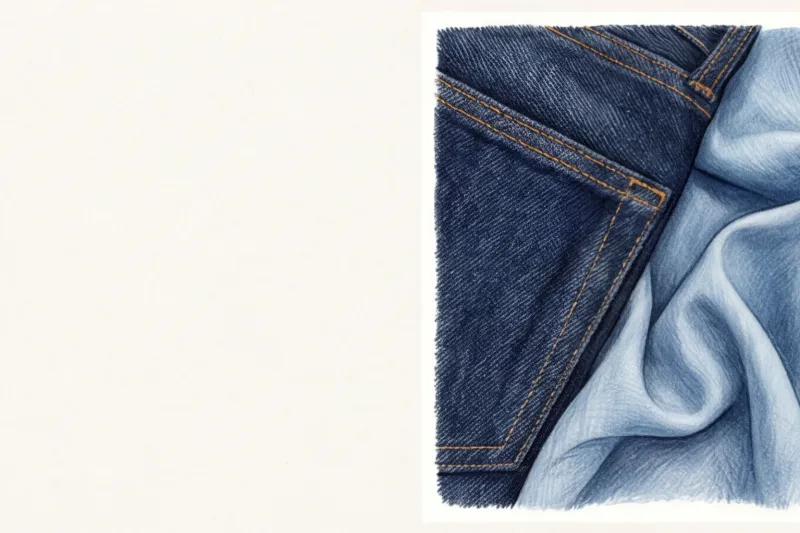
- Flat-felled seams. Turn the garment inside out. High-quality denim has its inseams not simply overlocked, but turned and double-stitched. This ensures the dress won't unravel when stretched.
- Method of dyeing and processing. Avoid heavy stone washing. According to The Jeans Redesign (2021) report by the Ellen MacArthur Foundation, traditional denim processing causes significant harm to water bodies. Today, premium and responsible brands use laser abrasion treatments and ozone technology. Visually, this denim looks cleaner and more refined.
- Hidden elastane. We're used to looking for "100% cotton," considering it a sign of quality. But for a slim denim sheath dress, 100% cotton is torture. If the dress needs to fit, look for 1-2% elastane. You don't need more (otherwise the garment will quickly stretch out and become bloated), but this minimum is essential for comfortable movement.
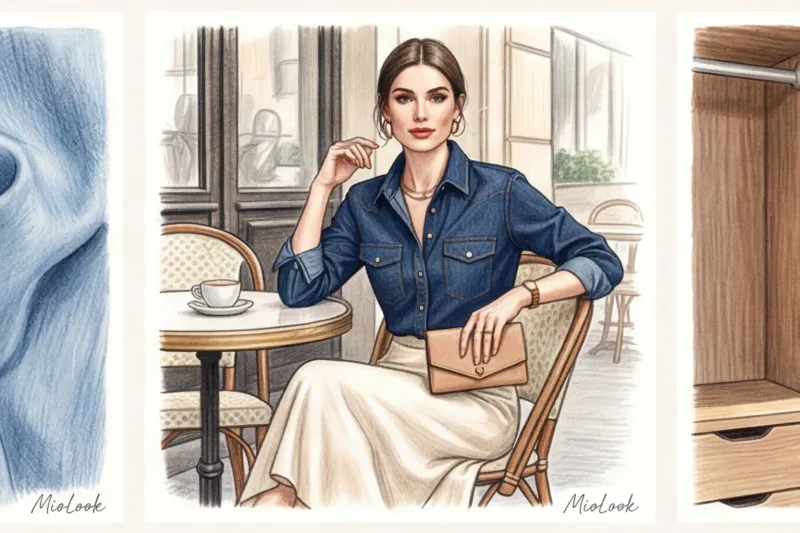
Wardrobe Integration: A Capsule Collection of Denim Alternatives
How can you incorporate these unconventional pieces into your everyday life? Let's look at some specific scenarios. If your office wears business casual, a dark denim midi dress with a smooth leather belt and classic loafers will be a perfect choice for Friday. It looks put-together, but not too conservative.
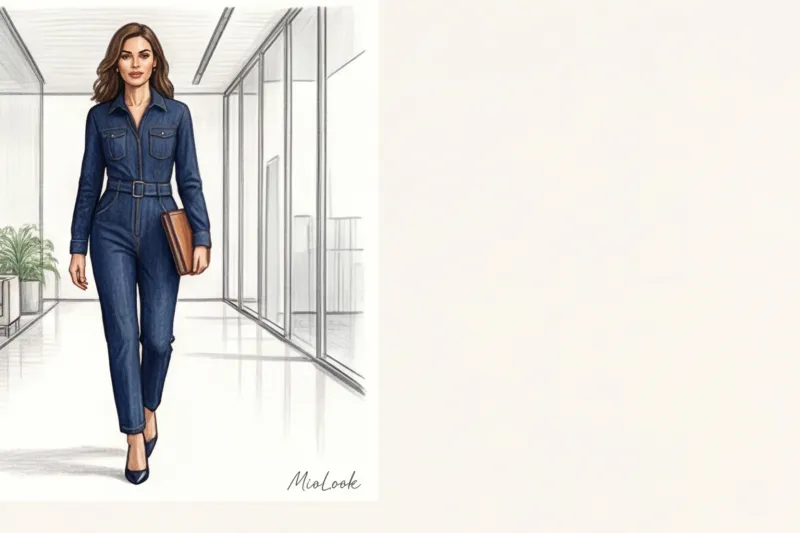
Shoes instantly change the context. The same denim dress or jumpsuit can easily be transformed into an evening outfit if you swap out the loafers for block heels, and the daytime tote bag for a sturdy clutch.
What about the "Canadian tuxedo" (denim on denim)? It's back in fashion in 2025, but with an important caveat: to avoid looking like a 2000s pop star, choose items in a completely identical wash or go for a total contrast (a very light shirt with a very dark skirt). Playing with volume is also crucial: if you're wearing a voluminous denim shirt, the skirt should be straight. If you're unsure about combinations, you can always upload your items to MioLook — the algorithm will help you put together a flawless Canadian tuxedo from what's already in your closet.
Eco-Care: How to Maintain the Color and Shape of Your Raw Indigo Dress
Denim is a unique material that improves with age, but only with proper care. And here I must break with traditional cleaning rituals. Denim dresses, shirts, and overalls should not be washed after every wear. Frequent washing destroys the indigo pigment and damages the elastane fibers.
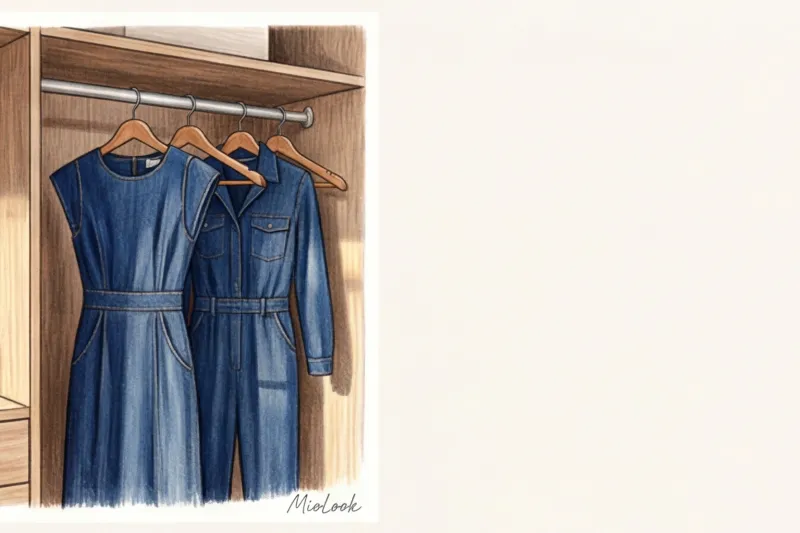
If your item has absorbed an odor, don't rush to throw it in the washing machine. I recommend steam treatment, an ozonizer (compact home models are now available), or the good old textile geek's method: freezing. Placing dry denim in a sealed bag in the freezer for 24 hours kills odor-causing bacteria and restores the fabric's structure.
When washing is absolutely necessary, follow a strict protocol: a temperature no higher than 30°C, turn the garments inside out, and absolutely avoid using fabric softener. Fabric softener is the worst enemy of elastane, and it's what causes your denim dresses to lose their elasticity. Dry these garments only flat or on wide wooden hangers, never hanging them over a clothesline to avoid creating creases that will be impossible to smooth out.
Denim is no longer a purely utilitarian fabric. Today, it's a full-fledged canvas for architectural tailoring and clever design. By swapping one boring office suit for a perfectly tailored raw indigo jumpsuit, you'll not only update your wardrobe—you'll transform your inner posture.