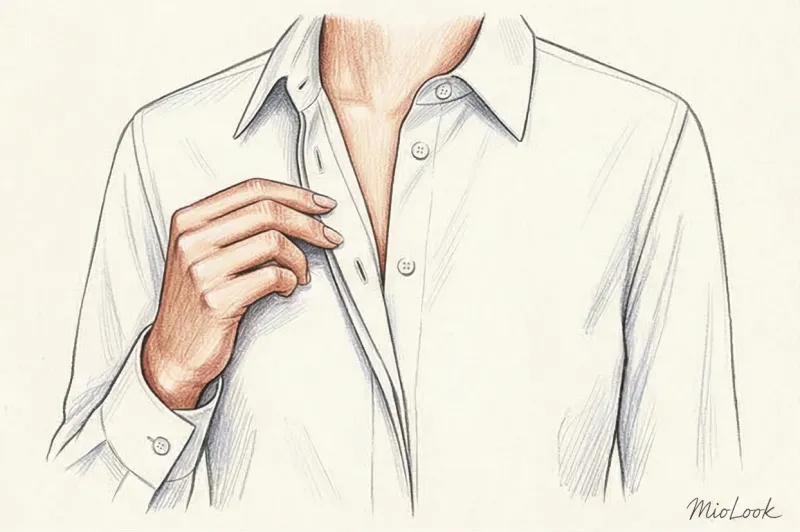
What is a sling closure?
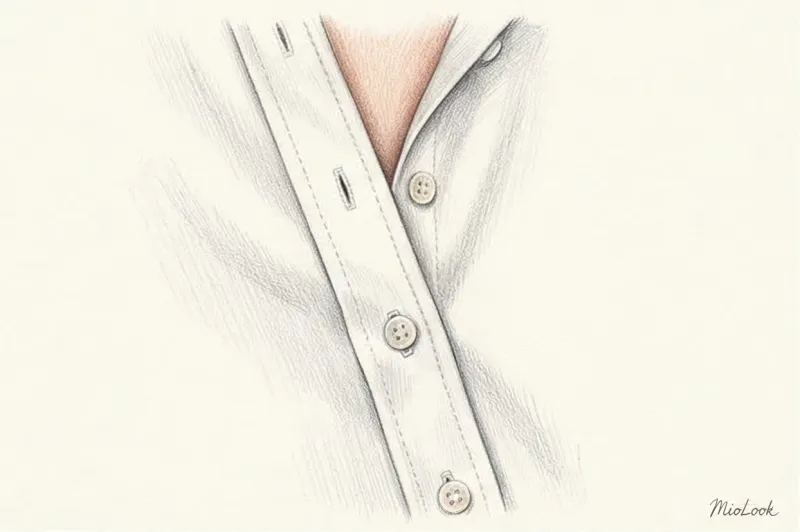
In tailor's terminology supatnaya clasp - this is a hidden fastening in which buttons, snaps or a zipper are hidden under an additional layer of fabric (a placket).
Historically, this design element appeared on outerwear and military clothing. This detail protected buttons from accidentally coming loose due to friction against equipment and prevented cold wind from blowing through buttonholes.
In modern clothing, the main visual purpose of a button closure is to create a clean, minimalist silhouette. The absence of visible hardware eliminates visual clutter from the garment's façade.
Distinctive features and design
Structurally, the piece consists of two layers of fabric positioned on one side of the garment. Buttonholes are punched into the inner layer, while the outer layer serves as a blind decorative overlay.

The outer part of the garment appears as a single piece with a straight vertical stitching, completely concealing the hardware. Often, the top button on the stand-up collar remains exposed, while the rest of the row is hidden under the placket.
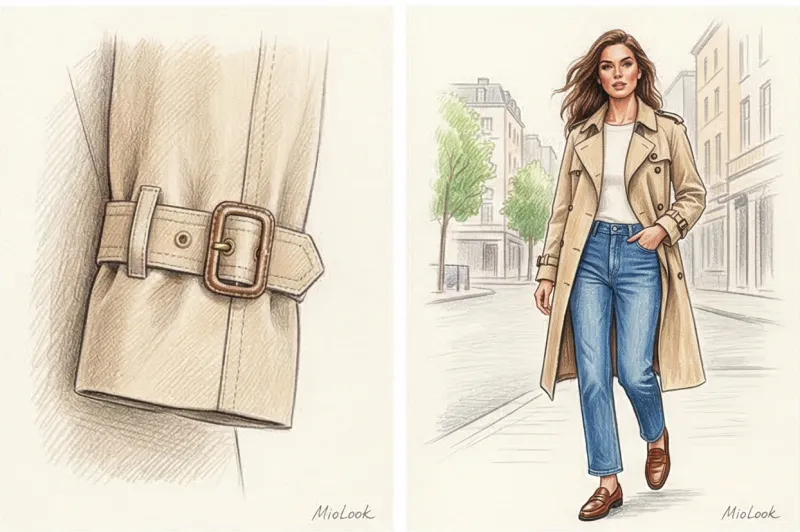
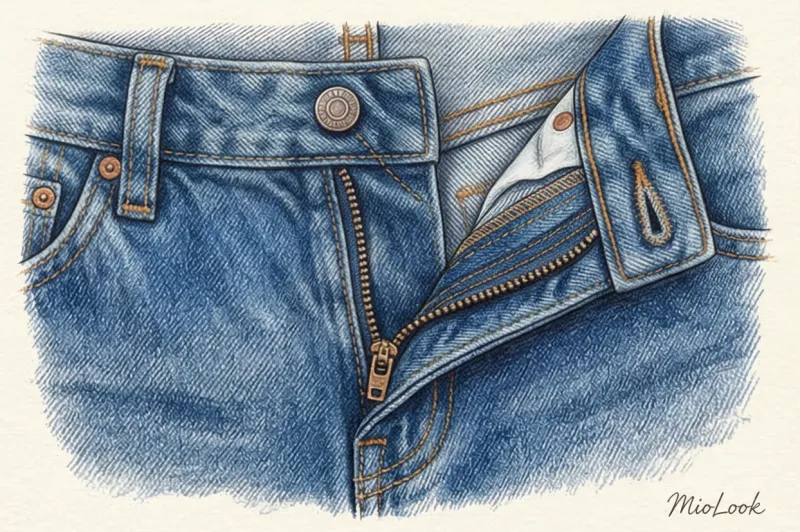
This type of fastening is used on classic men's and women's shirts, minimalist silk blouses, mackintosh coats, and raincoats. The fly of classic trousers is also designed using this principle.
What to combine with and how to wear
A white button-down shirt is a strict standard for the Black Tie evening dress code. It's worn with a tuxedo to ensure the buttons don't distract from the silk bow tie.
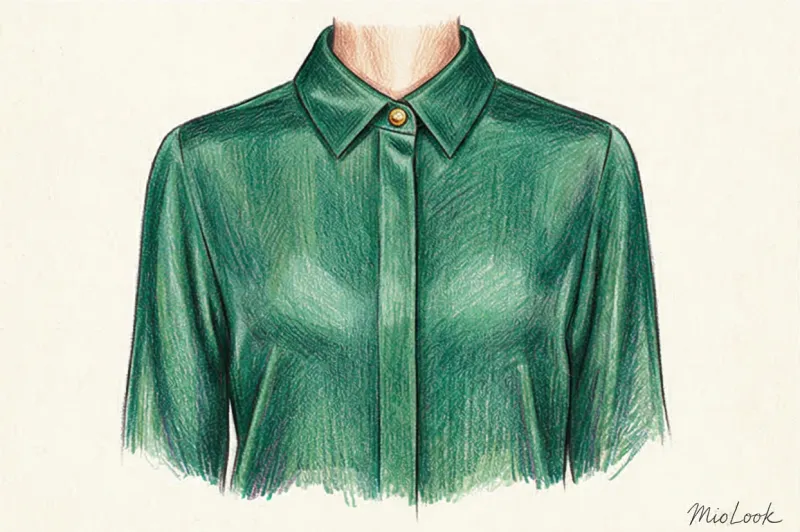
Silk blouses with concealed placket details fit harmoniously into the "quiet luxury" aesthetic. They pair with straight-leg, fine wool office trousers and pencil skirts, creating a clean look without excessive accents on hardware.
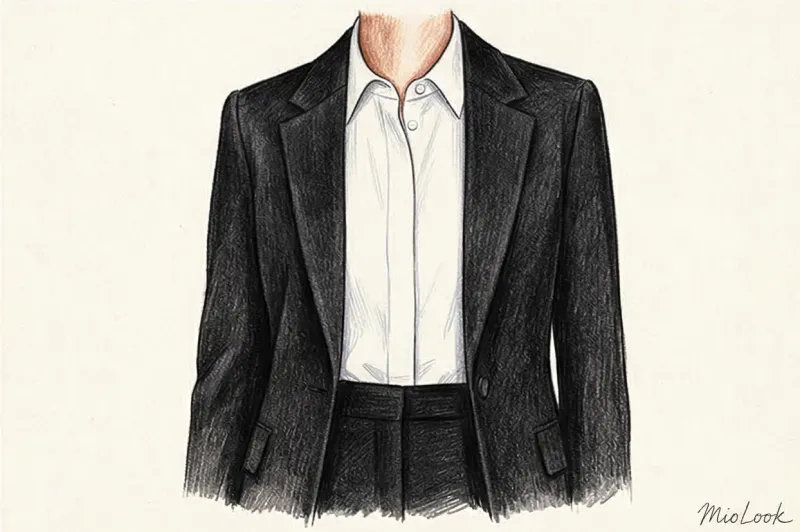
Sash-front outerwear, such as simple coats and single-breasted trench coats, is ideal for layering over complex, layered looks. The coat's sleek exterior balances the overall composition when layered over a boldly printed suit or textured knitwear.