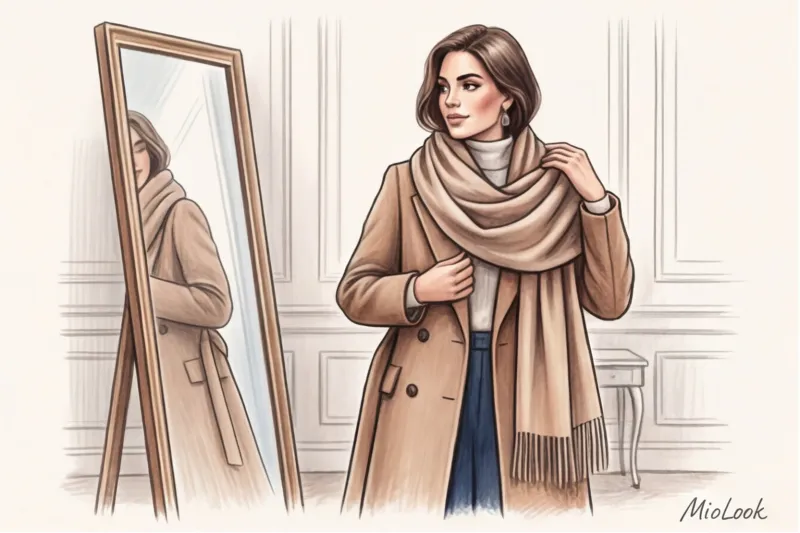

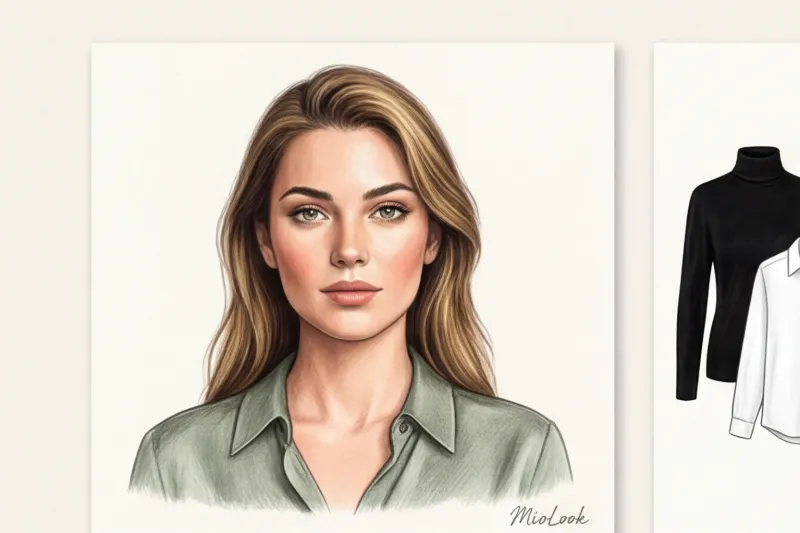
"You're a typical Summer; you need cool pastel colors," my client Anna was told during a quick consultation a couple of years ago. She'd dutifully bought a classic gray sweater, worn it to the office, and... visually added five years to her age. Her skin had acquired a tired, sallow tone, and the circles under her eyes had deepened. When Anna came to me for a wardrobe review, the first thing we did was remove the sweater and place a warm sage green stole on her face. Magic happened: her skin tone evened out, her cheeks took on a healthy glow, and her eyes sparkled.
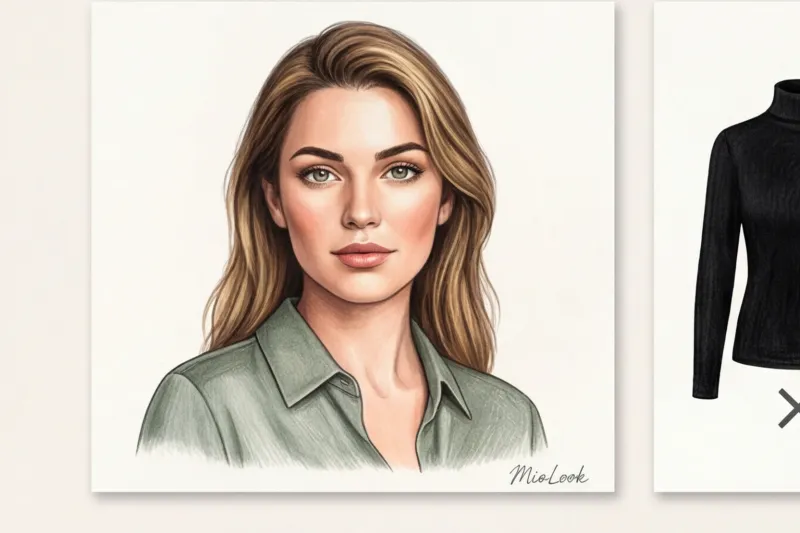
Over 12 years of working as a personal stylist in Europe, I see this picture constantly. About 60% of Slavic women mistakenly consider themselves cool-toned, even though they have a subtle warm undertone. We wrote more about the mechanics of this common mistake in our a complete guide to the 12 color types of appearance Anna is a classic. soft autumn color type And if this is your coloring, congratulations: your natural colors are literally made for the aesthetics of "quiet luxury."
Soft Autumn Color Type: Why Your Natural Colors Look "Expensive"
To understand your appearance, let's turn to science. According to Albert Munsell's color theory (the one used by professional colorists), any shade has three dimensions: hue, value, and saturation. For the Soft Autumn color scheme, the leading characteristic is muffledness (low saturation), and additional - heat.
Your natural colors lack any garish pigment. They seem powdered, mixed with a touch of gray and beige. That's why the soft autumn color type looks so natural in cashmere pieces from Loro Piana or basic The Row collections. What would look like a faded rag on a contrasting winter color type reveals a noble and stately presence on you.
How to Know for Sure That You're a Soft Autumn
I'll let you in on a professional secret: the popular gold and silver foil test for determining skin temperature often fails here. Mild Autumn borders on Mild Summer, with a neutral-warm temperature, so pure, shiny yellow gold can look just as alien as icy silver. Use other markers as a guide:
- Contrast: You don't have sharp transitions between your skin tone, the whites of your eyes, and your hair. If you convert your photo to black and white, everything will blend into a soft mid-gray gradient.
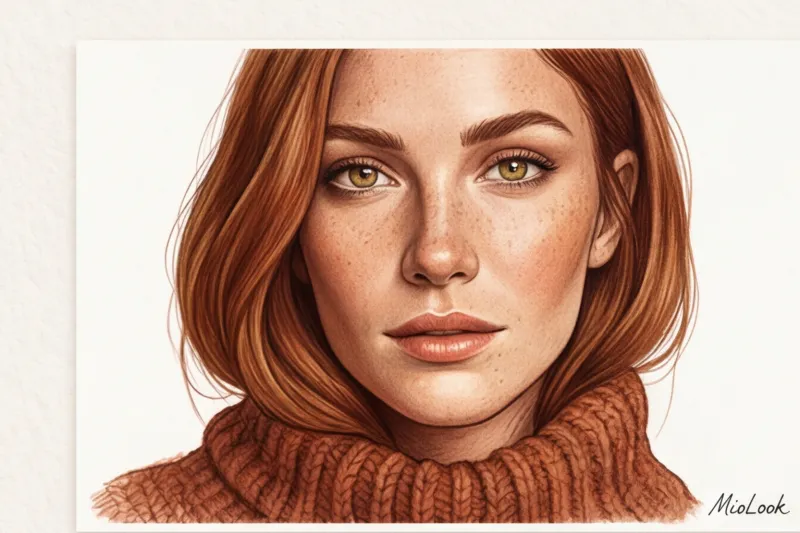
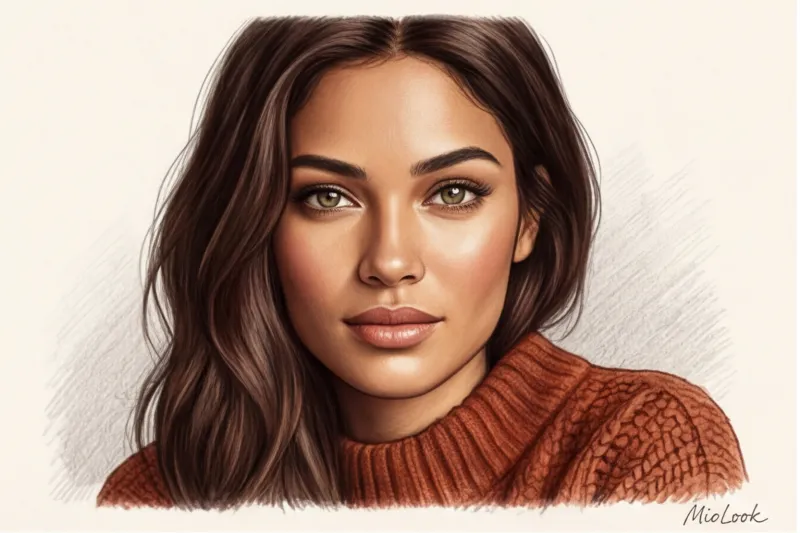
- Eyes: Hazelnut, marsh green, melted chocolate, or gray-green. The whites of the eyes are never crystal white, but rather milky.
- Leather: Beige, peachy, often with a slight olive undertone. Tans poorly to moderately, prone to slight redness.
The Biggest Mistake: How Black and Crystal White Kill the Soft Autumn Color Type
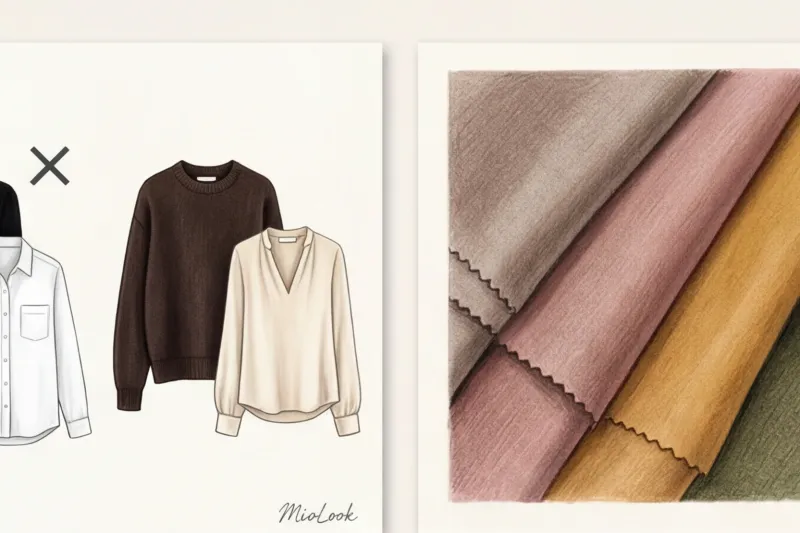
High contrast is the main enemy of a muted appearance. When you wear a sheer black turtleneck dress, it creates a "head-separating" effect. The garment moves ahead of you. In my experience, Soft Autumn loses up to 40% of its visual impact when using deep black near the face—people see the beautiful dress, but they don't see you.
"Your superpower isn't brightness, it's undertones. The more complex the color of your outfit, the more polished your complexion will look."
But let's be realistic: every woman has some black in her wardrobe. All the stylists say, "You can't wear black in a soft autumn." That's not true. Black can be worn , if you use one of two tricks:
- Move away from face: A deep V-neck, a bob, or off-the-shoulder style. The more exposed skin between your face and the black fabric, the safer.
- Reduce density: Choose black in translucent textures. Black chiffon, lace, or thin knitwear that shows through your skin automatically reduces the contrast.
It's a similar story with white. A crisp white, like an A4 sheet of paper, will highlight even the slightest imperfections and redness of the skin. In my experience, swapping a stiff white office shirt for a flowing ecru blouse instantly brightened my clients' faces, even without makeup. Baked milk or oatmeal are also excellent alternatives.
Your ideal image begins Here
Join thousands of users who look flawless every day with the MioLook smart wardrobe.
Get access — €0.99 onceYour Perfect Palette: Complex Shades You'll Want to Look at
When building a basic wardrobe, I always rely on data from the Pantone Color Institute. They provide incredibly accurate references that are easy to keep in mind when shopping. Forget pure red, blue, or green. Your colors always contain a hint of gray or brown.
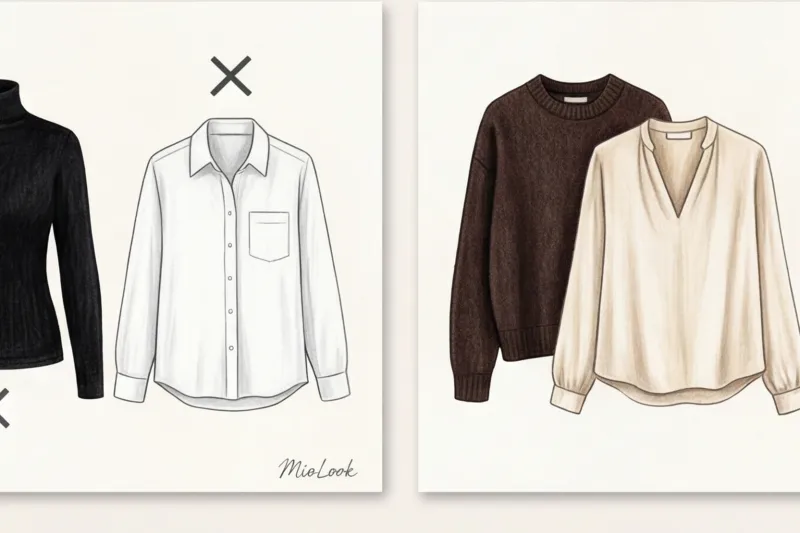
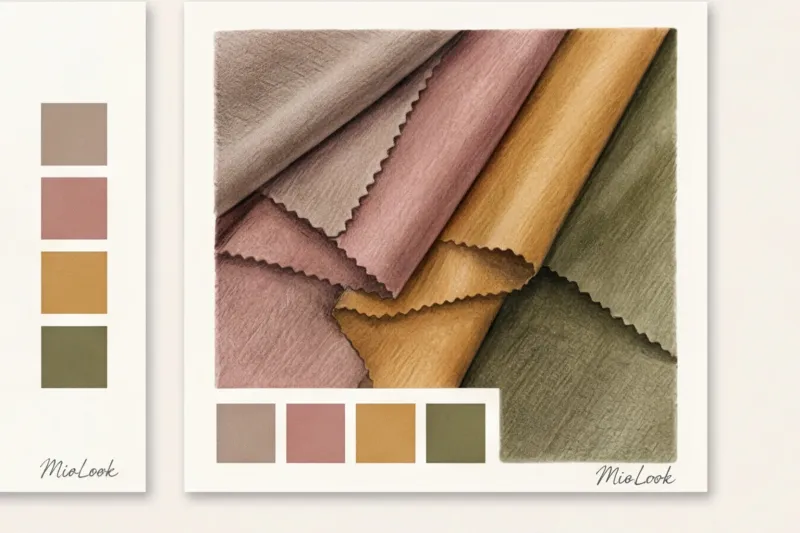
- Basic darks (black replacement): dark chocolate, bark color, pine, mahogany, graphite brown (Warm Taupe).
- Basic light: taupe (grey-brown), beige melange, pistachio, unbleached linen color.
- Accent colors: Dusty Rose (Pantone 18-1630 Dusty Cedar), Muted Mustard, Terracotta, Rust, and Soft Brick.
These shades pair phenomenally well with each other. If you choose any three colors from this palette, they're guaranteed to create a harmonious look.
A Stylist's Secret: How to Compensate for Lack of Contrast with Textures
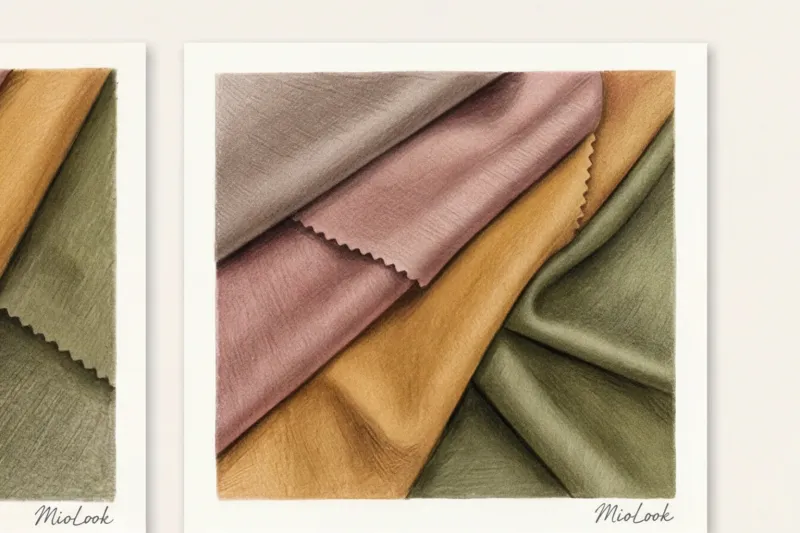
This is where the real magic of style begins. There's a golden rule rarely mentioned in glossy magazines: soft colors - complex textures Why is that?
Smooth, shiny fabrics (satin, patent leather, and stiff silk) act like mirrors—they reflect light. For a low-contrast complexion, this harsh glare is detrimental, flattening the face and dulling the look. Rough, fuzzy surfaces, on the other hand, absorb light. They create deep shadows and that velvety texture that perfectly complements the matte skin tone of the Soft Autumn complexion.
Your ideal materials:
- Suede (especially for jackets, shoes and bags)
- Corduroy and microcorduroy
- Matte silk and viscose
- Large knit (cashmere, mohair, angora)
- Boucle and tweed
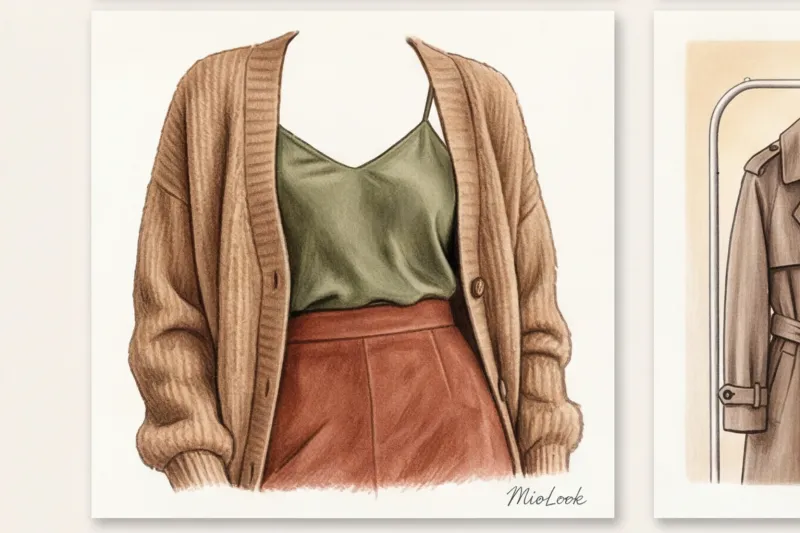
Create a monochromatic look by playing only on the differences in texture. For example: a chunky camel mohair sweater + a tone-on-tone matte silk skirt + suede ankle boots. It looks incredibly classy. To avoid getting confused with combinations, I recommend my clients upload photos of the items to MioLook — the built-in AI stylist does an excellent job of mixing complex textures within a single capsule.
Putting together a basic capsule wardrobe: a brand shopping guide
As a practitioner, I know: finding the right "dusty" shade in the mass market is a real challenge. A 2024 study by the analytical agency WGSN confirms that retailers clearly differentiate their palettes. For example, Zara traditionally favors clean, contrasting, and cool colors. Going there for a basic "Soft Autumn" means condemning yourself to a long search.
Your best friends among European brands are Massimo Dutti, COS and &Other Stories Their DNA is built on complex, muted natural tones.
What to look for when shopping:
- Outerwear: The ideal trench coat should not be a classic beige color (it can make you look yellow), but with a slight greenish or grayish undertone - khaki or cool camel.
- Costume group: These two-piece trouser suits in shades of mocha or dark olive from Massimo Dutti will fit you perfectly. They're a great investment. business wardrobe.
- Denim: Avoid heavily distressed ice-blue jeans. A deep, slightly muted navy or gray-blue without heavy fading is your best bet.
Ready to get started?
Try the free plan—no commitments. A smart AI stylist will create the perfect look for you.
Get access — €0.99 once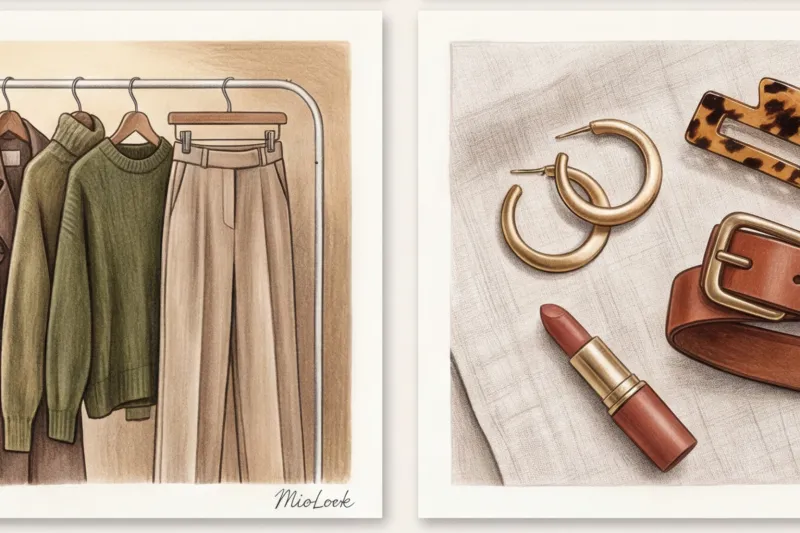
Jewelry and Makeup: The Finishing Touches
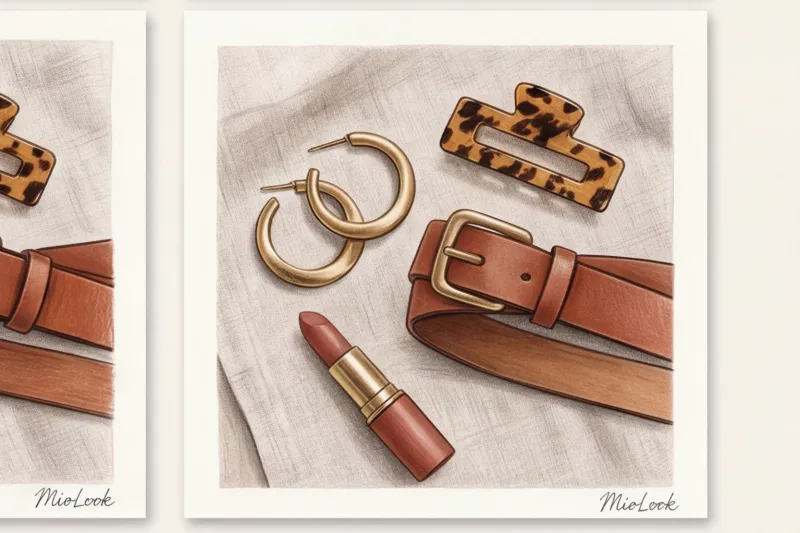
The right accents will help complete your look. Avoid shiny, polished silver and white gold. Brushed gold, aged brass, copper, and bronze are your go-to metals. They complement the warmth of your skin without drawing attention to themselves.
The same soft rule applies to makeup: swap out graphic black eyeliner and mascara for dark brown. Use peach or warm pink blush, and for lips, choose lipsticks in shades of caramel, terracotta, and praline.
Checklist: Wardrobe Revision for the Soft Autumn Color Type
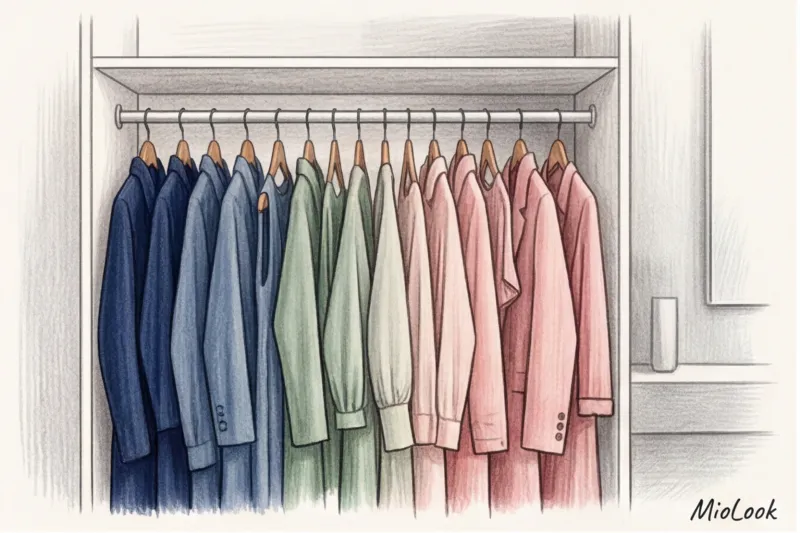
Theory is useless without practice. If you recognize yourself in the description of Soft Autumn, set aside 30 minutes this weekend and do a quick closet audit using this algorithm:
- Step 1: Remove neon and purity from your face. Put all brightly colored items, such as fuchsia, electric blue, and crisp white, on the top shelf. If the item is your favorite, wear it on your lower body (skirts, pants).
- Step 2: Find a replacement for black. Take inventory of your basic tops and turtlenecks. Plan to buy two or three basic pieces in shades of dark chocolate, pine, or taupe.
- Step 3: Add texture. Check out your accessories. Invest in a brown suede belt or an embossed bag—they'll instantly elevate your everyday jeans looks.
- Step 4: Assemble the monochrome. Create at least three outfits in a single color (for example, all in shades of beige or khaki), using items of varying weights. Photograph successful combinations.
To make the process easier, digitize your items in the app MioLook The program will automatically analyze your palette and suggest which basic shades are missing for the perfect capsule.
Remember: the soft autumn color type isn't about boredom and invisibility. It's about aristocratic restraint. Stop competing with bright colors and let complex undertones and rich textures do the work for you.