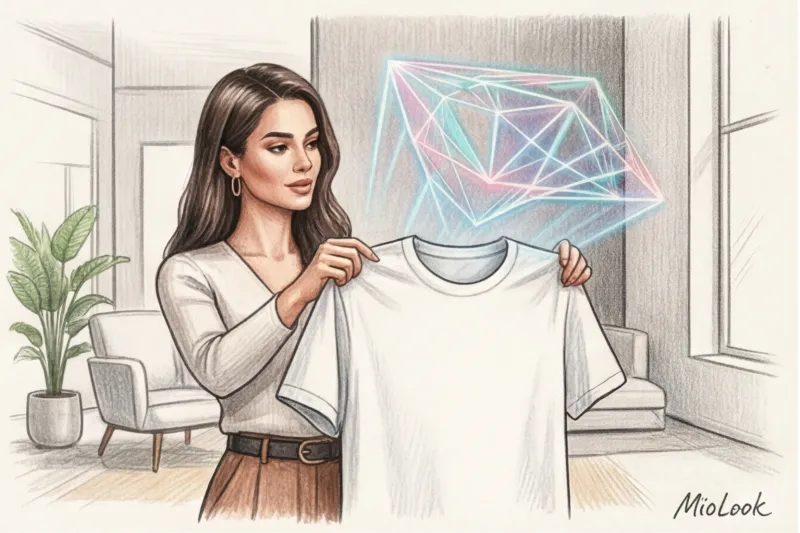
Remember the days when we were promised that in the future we'd all be wearing silver jumpsuits brimming with microchips? The future has arrived, but our wardrobes haven't changed—we're still wearing wool coats, denim, and cashmere sweaters. Why? Because the real thing. smart clothing technology integrates seamlessly. We discussed this global shift in more detail in our The Complete Guide to Fashion Tech in 2024: Innovations and Fashion Trends.
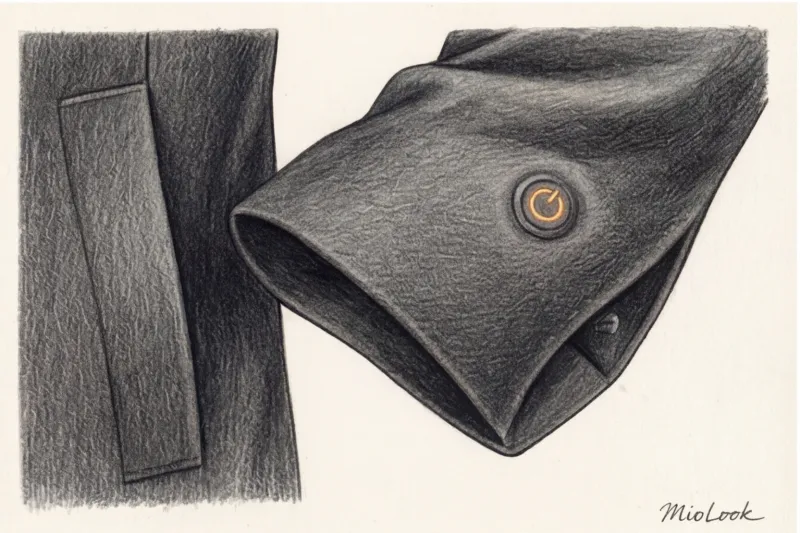
Today, I suggest we take off the rose-colored glasses of tech hype. As a practicing stylist, I view clothing not as a gadget, but as a utilitarian tool. Let's be honest: if a garment doesn't justify its place on the hanger and requires more care than it provides, no amount of built-in Bluetooth modules will save it. Let's explore which innovations are truly worth your money in 2024, how to wash them, and why it's best to steer clear of some "smart" items.
Smart Clothing and Technology: The End of the Cyber-Hype Era
The fashion industry has finally had enough of playing with metaverses. While a couple of years ago, brands competed to create virtual sneakers and suits made of tinfoil, now the focus has shifted radically. According to a major report McKinsey State of Fashion 2024 , consumers and brands are returning to physical reality, demanding pragmatic, problem-solving innovations from the fashion-tech sector.
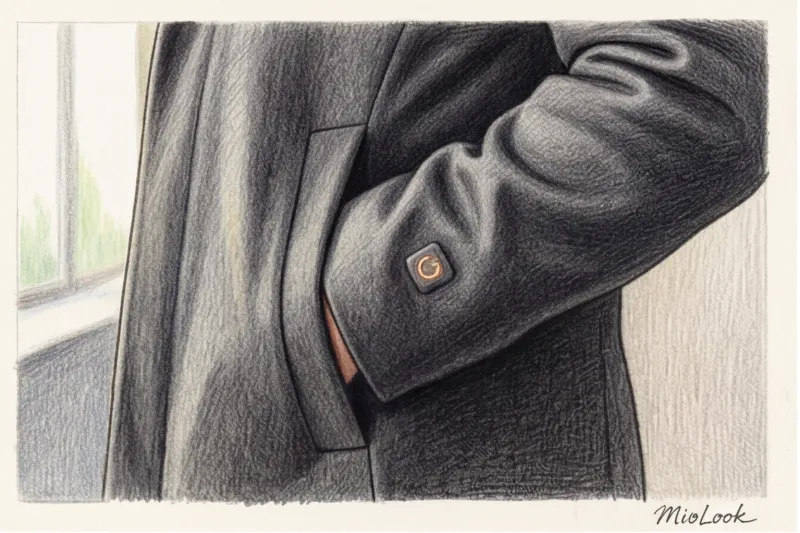
Modern smart clothing looks frighteningly... ordinary. These are no longer jackets that light up like a Christmas tree. They are simple black blazers or basic long-sleeved tops that conceal complex engineering. The main rule of modern techno-styling: technology should solve your problem (cold, sweat, posture), not create new ones in the form of complex washing or a ridiculous appearance.
Heated Fabrics: How to Maintain a Business Look at -20°C
For a long time, passive thermal underwear was our only salvation in winter. Basic long sleeves like Uniqlo Heattech (in the €15-€25 range) work great, but they only trap body heat. When you're standing in the cold for hours, that's not enough. You have to layer sweaters, turning into a "cabbage" and sacrificing the elegance of your silhouette.

Active heating systems take things to a whole new level. Instead of a thick layer of down, they use ultra-fine graphene inserts or micro-threads heated by a portable battery. These jackets have become a true lifesaver for those who must adhere to a strict dress code in winter.

"I had a revealing case. My client was a luxury real estate agent from Stockholm. She needed to look impeccably classy while showing clients cold country houses under construction. We integrated a thin heated vest from Ministry of Supply (around €250) into her wardrobe, which she wore under a classic cashmere coat. The effect was stunning: a perfectly sleek silhouette and no freezing sensations during the three hours on site."
Today, the market offers solutions for every budget. From premium jackets from Ralph Lauren (where prices start at €800) to utilitarian, high-tech brands like Ministry of Supply or Oros (in the €300–€450 range). Even in the mass-market segment, you can find decent heated vests for under €100 that will fit perfectly into your wardrobe. winter office wardrobe.
Hidden nuances of jackets with batteries
Before rushing out to buy a tech-savvy upgrade, consider physics. A standard 10,000 mAh power bank, which will provide you with 6-8 hours of warmth, weighs around 200-250 grams. If the battery is placed in an awkward side pocket, it will inevitably pull down on your clothing.
This leads to a slanted shoulder seam and a distorted silhouette. Choose models with a centered battery pack at the waist, or jackets made of dense fabrics that maintain their shape and compensate for the battery's weight.
Organize your smart wardrobe
Finding it difficult to combine high-tech with basic pieces? Let artificial intelligence do the work.
Get access — €0.99 onceClothing with sensors: invisible biometric control
Remember the first fitness trackers that had to be strapped to your chest with a rigid strap? Now they're woven directly into the fabric. Biometric clothing no longer feels like a medical corset. Brands like Sensoria and Nadi X (which create yoga leggings for €250–280) use conductive threads made of silver or copper.
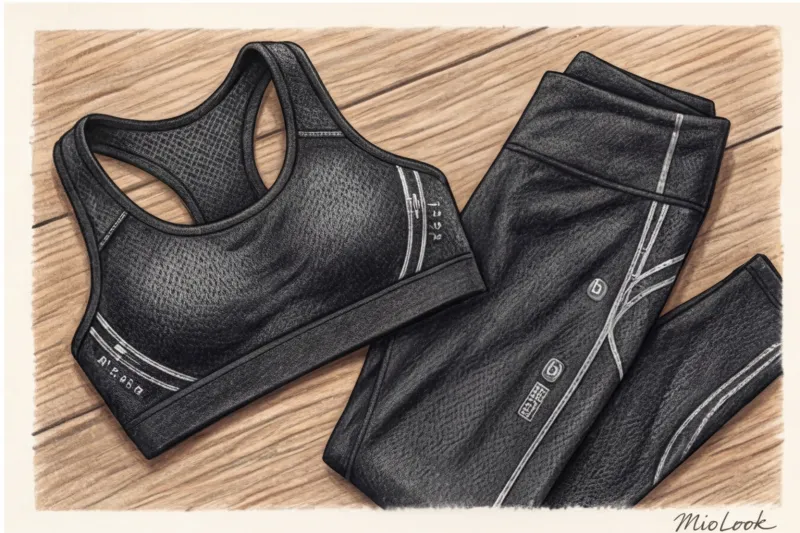
These threads feel like regular elastane on your body. There are no hard plastic sensors that rub against your skin while you run. The sports bras monitor your ECG and hydration levels, and the smart leggings use gentle vibrations to alert you if your weight distribution is incorrect during a pose.
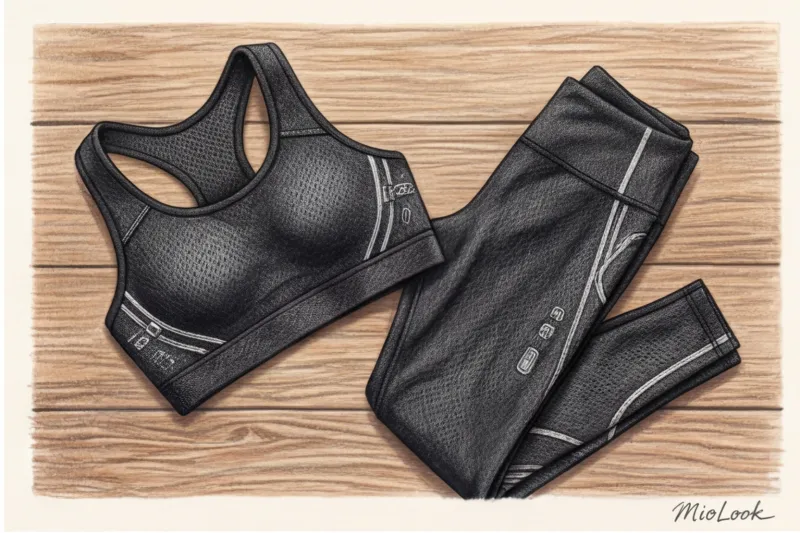
Such fabrics also have great potential for everyday office wear. For example, shirts that correct posture during sedentary work. Built-in sensors analyze your back position and emit a gentle signal when you begin to slouch in front of the monitor. This is the perfect addition to your look if you're creating a clothing style for IT specialists , where comfort and technology go hand in hand.
Color-Changing Fabrics: Why I Don't Recommend Buying Them
I'll be categorical here. Clothing that changes color depending on temperature (thermochromic) or sunlight (photochromic) is purely a marketing gimmick for short videos on social media. As a stylist who assembles sustainable capsule collections, I strongly advise against investing in such items.
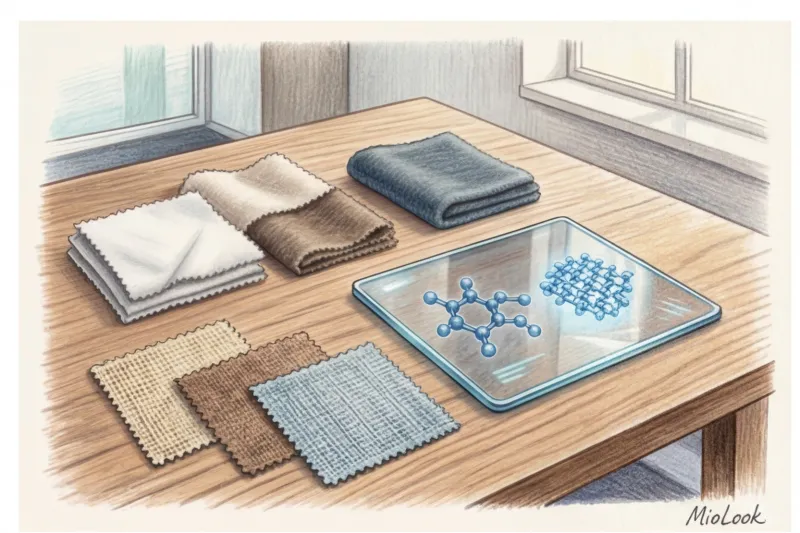
How does it work? Microcapsules containing pigment are embedded into the fabric or print, changing its molecular structure when exposed to UV rays or heat. It sounds futuristic, but in practice, it's a wardrobe disaster.
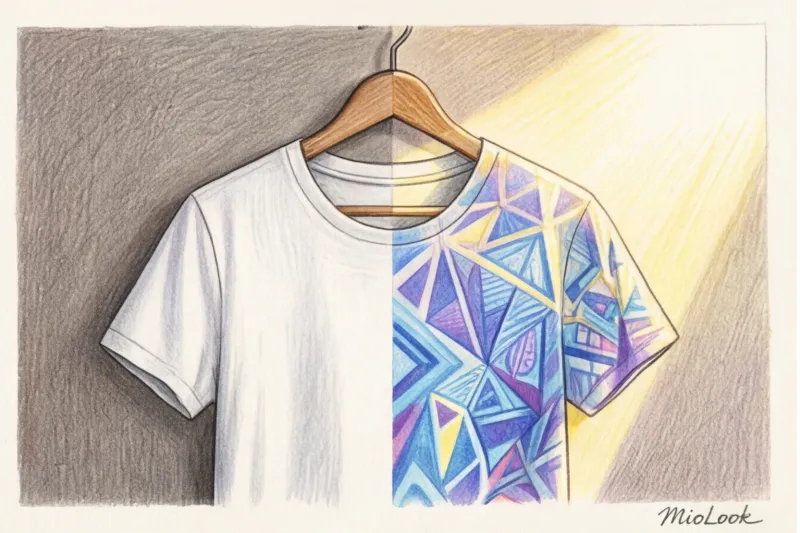
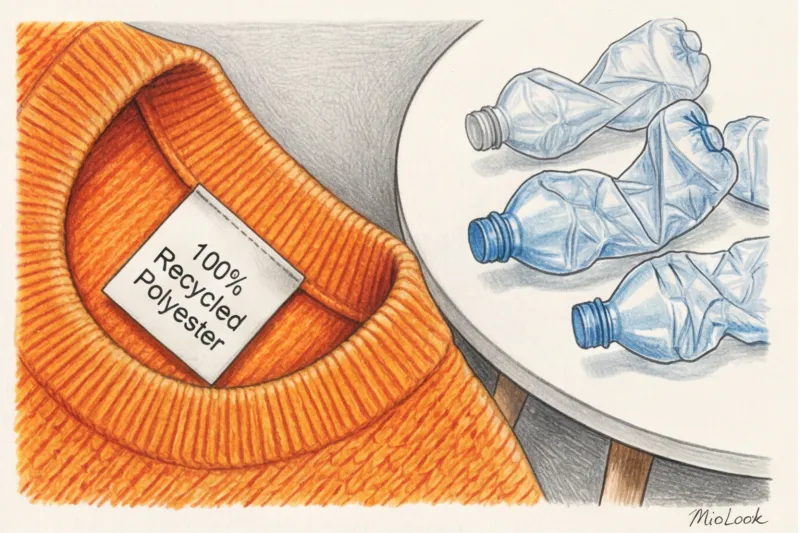
The pigment is extremely unstable. On average, photochromic dye begins to degrade after just 20 washing cycles. The color stops changing evenly, and the garment takes on the appearance of a "dirty, faded rag." Furthermore, such garments are often made from cheap synthetics (low-quality polyester) to reduce the overall cost. True "smart clothing" is one whose technological capabilities are completely invisible.
Build the perfect capsule
Don't waste your money on one-time trends. MioLook will help you create a wardrobe that works for you every day.
Get access — €0.99 onceThe Dark Side of Smart Clothes: Washing, Care, and Disposal
Manufacturers prefer to keep this under wraps in their advertising campaigns. Caring for high-tech clothing is a headache. The myth that you can "throw a jacket with microchips in the washing machine and forget about it" is shattered by reality after the first wash.
I once personally ruined a premium €150 biometric T-shirt. The fine print in the instructions stated that it should only be washed in a special bag at 30 degrees Celsius and without spinning. I accidentally washed it at 40 degrees Celsius with an 800 rpm spin cycle. The result? The T-shirt looked perfect, but the conductive threads broke inside the seams, turning the smart item into an ordinary, basic tank top for a ridiculous price.
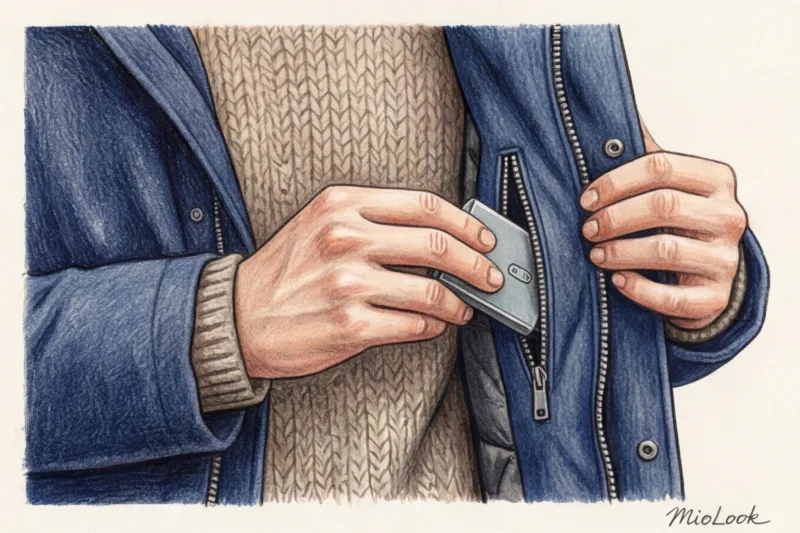
According to a leading manufacturer of technological textiles Schoeller Textil AG Most smart fabrics last no more than 30-50 gentle washing cycles. Furthermore, there's a huge environmental problem: a jacket with embedded wires and graphene panels is nearly impossible to recycle. It's both textile waste and electronic waste. Therefore, when purchasing such a garment, you should be confident you'll wear it for years to come.
Checklist: Should You Invest in Fashion Technology?
Before you spend €300 on a Bluetooth jacket or a sensor-equipped T-shirt, run it through my rigorous three-question filter. After 12 years of working with clients' wardrobes, I've learned: technology should serve your style, not the other way around.
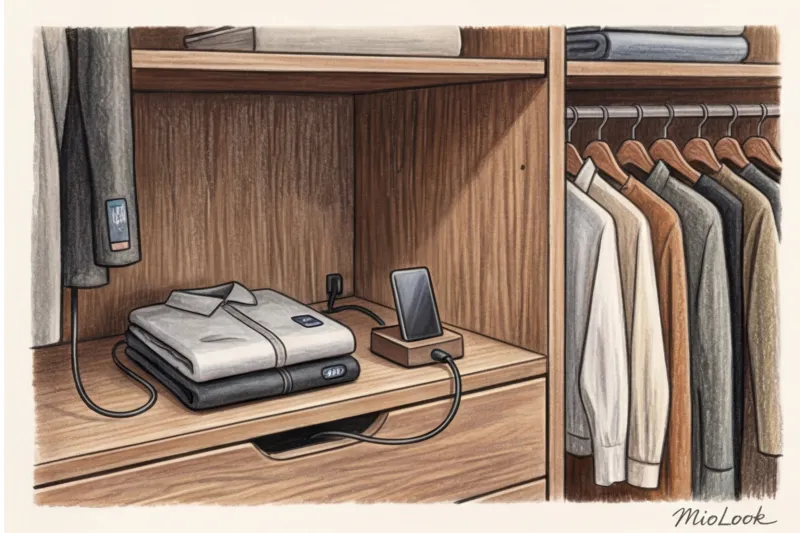
- Does this thing fit well if the technology breaks or runs out of battery? If a jacket looks baggy and shapeless without the heater turned on, don't buy it. A jacket should be flattering on its own. Remember the rules. building a business capsule wardrobe — the basic cut is primary.
- Are you ready to wash it by hand? Be honest with yourself. If you're used to throwing everything in the washing machine on a mixed cycle, your smart clothes won't last more than a month.
- Does it solve a real physical problem? A thermal jacket for those who freeze at bus stops in winter—yes. Leggings that monitor your heart rate for a professional runner—yes. A T-shirt that changes color at a disco—no.
Ultimately, the smartest wardrobe is one in which all your items coordinate perfectly, fit flawlessly, and last for years. And to organize such a wardrobe without unnecessary effort or investment, you can always upload your items to an app. MioLook , where algorithms will create dozens of stylish combinations for you for any weather.