What is a spline?
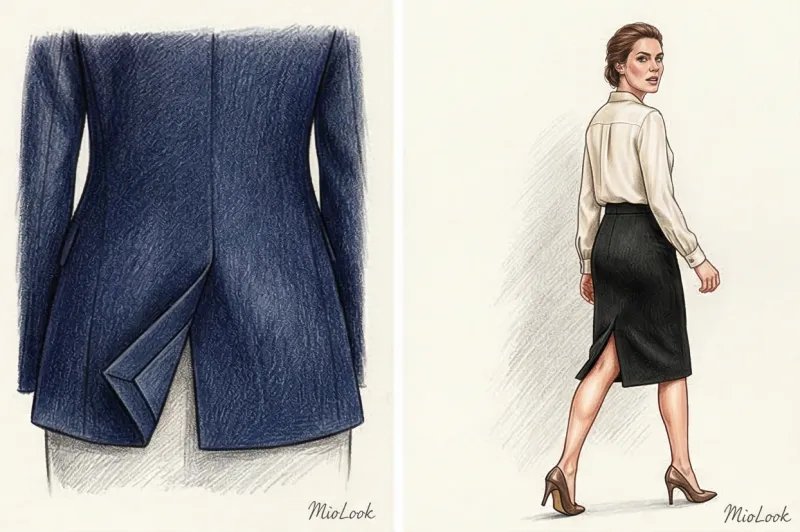
Slot A vent is a functional and decorative cut in clothing where one edge of the fabric overlaps the other with a small allowance. The main difference between a vent and a regular vent is the overlap: when moved, the piece opens up, but still conceals the body or underlying layers of clothing.
Historically, this tailoring feature appeared on men's riding coats. The design allowed the garment's flaps to lay neatly on either side of the saddle, allowing the rider to move freely. In modern wardrobes, the vent serves two primary purposes: it allows for freedom of movement or a comfortable fit, and it maintains the garment's clean, straight silhouette, preventing fabric distortion on jackets, coats, and skirts.
Main types of splines
Depending on the cut and purpose of the product, there are several types of construction.
- Single (central) slot: Located in the center back seam, this detail is typical of classic blazers and casual jackets. It's simple, but tends to come apart when you put your hands in your trouser pockets.
- Double (side vents): Two slits along the side seams of the back, a traditional British tailoring feature. This design provides maximum freedom of movement and allows the back of the jacket to remain flat when worn.
- Dior vent (French vent): A variation with an inverted pleat that conceals an additional panel of fabric. Often used in women's pencil skirts to maintain a clean line without sacrificing modesty.
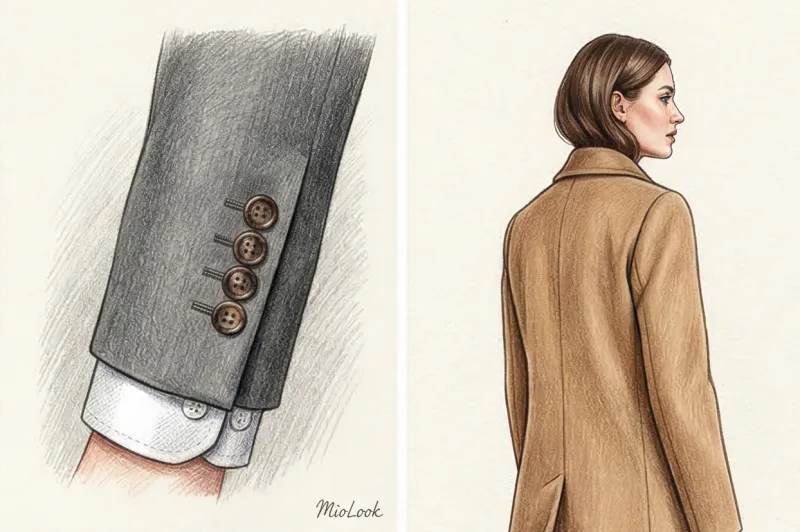
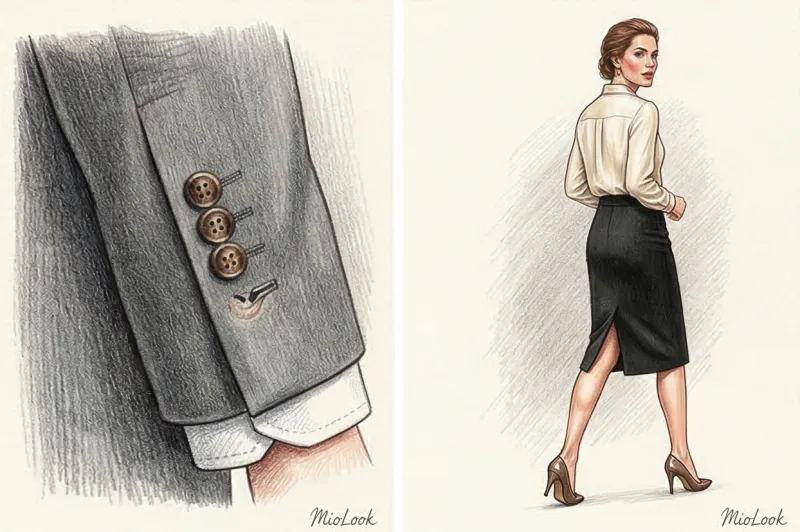
- Sleeve slit: A small slit at the bottom of a jacket or blazer sleeve, decorated with buttons. In high-end suits and bespoke garments, this slit is functional, allowing the bottom button to be unbuttoned.
How to use and what to look for
The main rule when buying a new item: the cross-stitch (bartack) that holds the vent closed should be carefully unstitched before the first wear. It's intended solely to maintain the garment's shape during transportation and fittings.
The back vent serves as a reliable indicator of proper fit. If the back vent of a jacket or skirt flares out and sticks out when standing, it means the garment is too small in the hips or waist. A properly sized garment should have straight edges that lie flat and fit snugly.
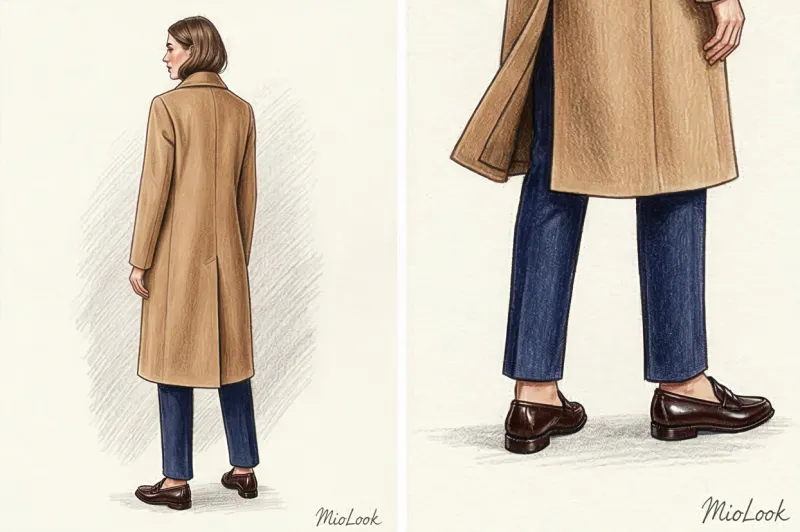
When choosing a silhouette, consider the visual effects of different designs. Double vents on jackets add volume at the hips and create a more relaxed look, while a single center vent elongates the silhouette. In a women's business wardrobe, a vent is essential for tapered midi skirts and tailored straight coats. Without this element, a narrow hem will restrict your stride and bunch up in unsightly folds as you walk.