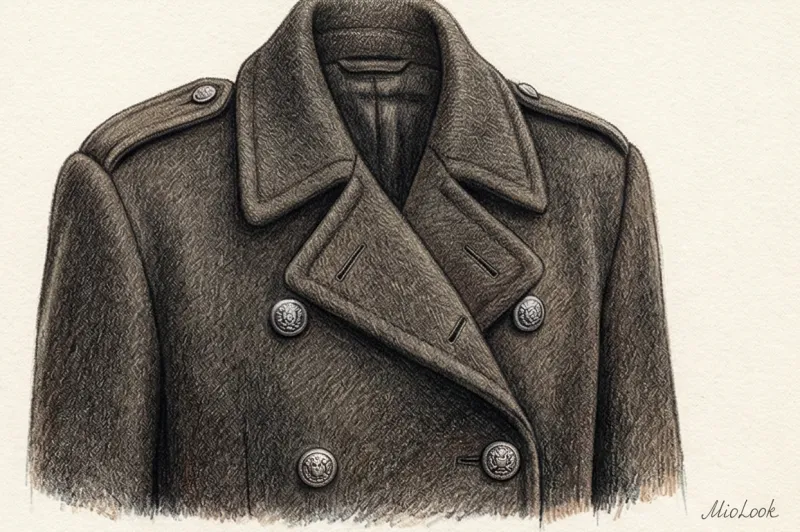
What is a greatcoat?
Overcoat — is a type of outerwear whose cut and design details are borrowed from classic military uniforms. Historically, the greatcoat served as an element of male army uniform for infantry and cavalry, designed to protect against cold and wind in field conditions.
In contemporary women's fashion, this structured coat retains its strict geometric lines and military aesthetic. Designers adapt the historical silhouette for everyday urban wear, softening the lines while retaining recognizable elements of the classic military style.
Distinctive features
A traditional overcoat is made from dense, shape-retaining fabrics. Heavy wool, drape, broadcloth, or tweed are most commonly used, ensuring a crisp silhouette and reliable protection from the elements.
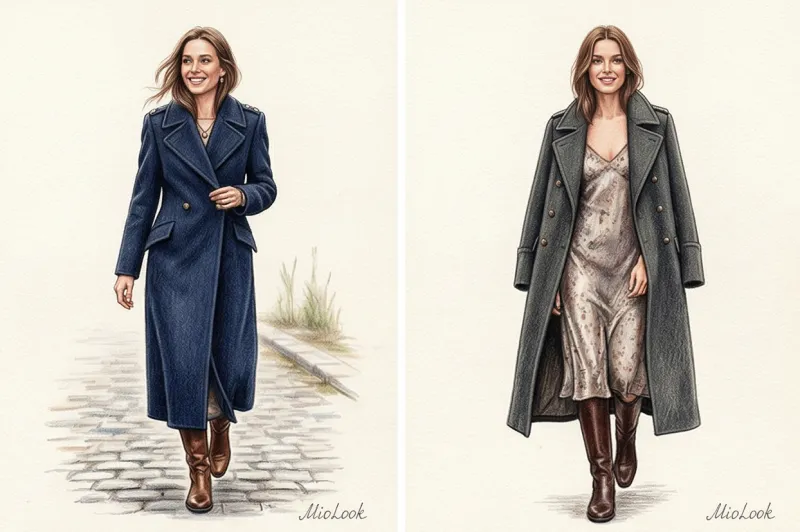
The silhouette is typically straight or slightly fitted. A distinctive feature is the accentuated shoulder line, often reinforced with shoulder pads. Classic lengths range from midi to maxi.
The design of a greatcoat includes a number of mandatory elements:
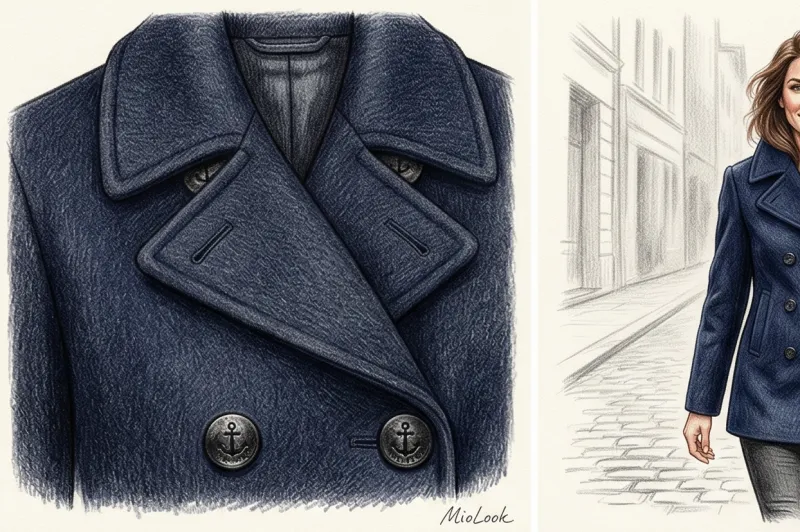
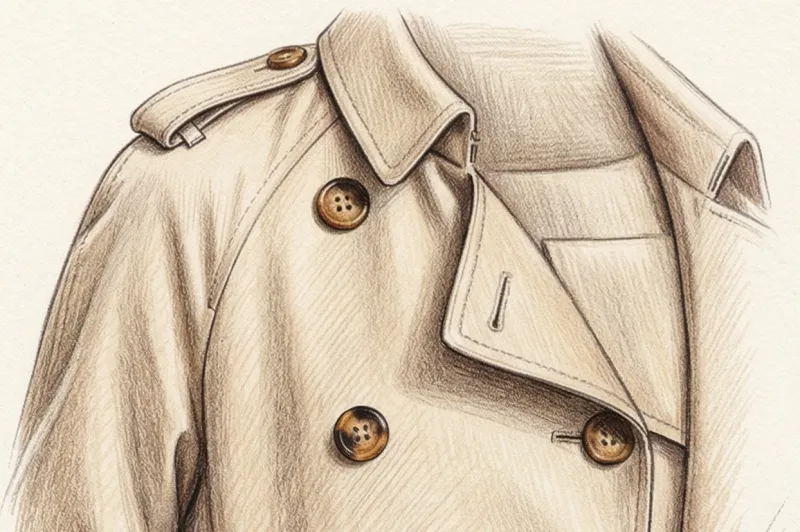
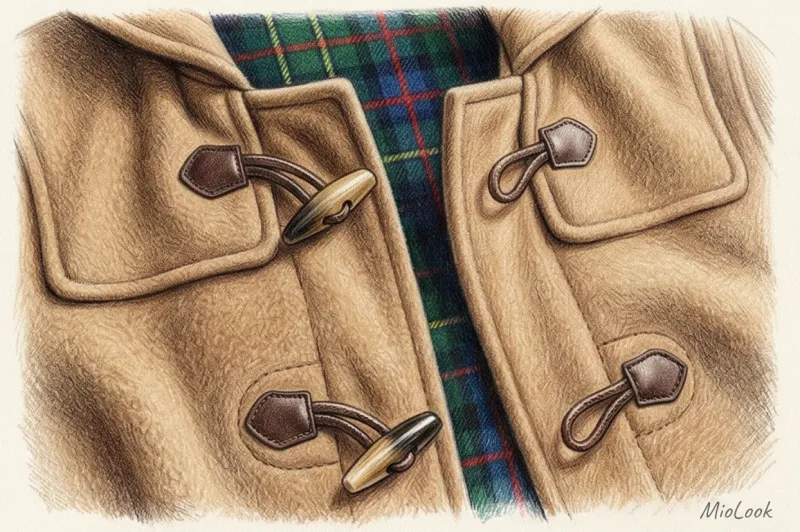
- double-breasted fastening with large metal or horn buttons in two rows;
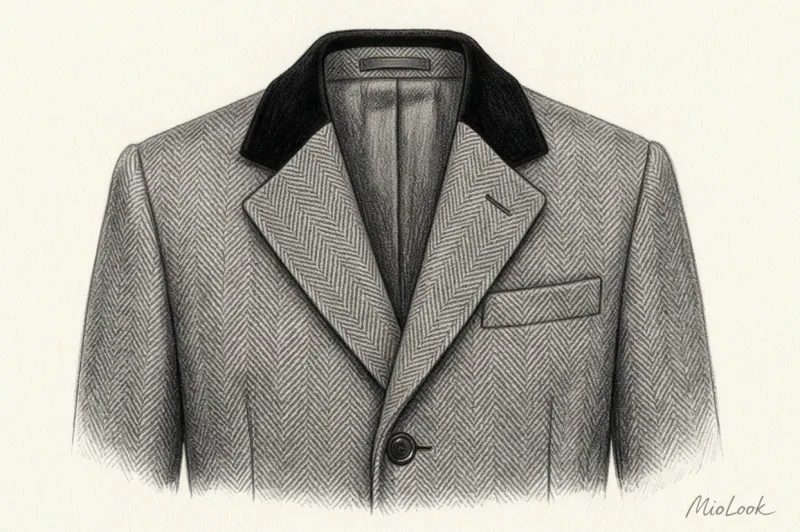
- wide English lapels or a stand-up collar;
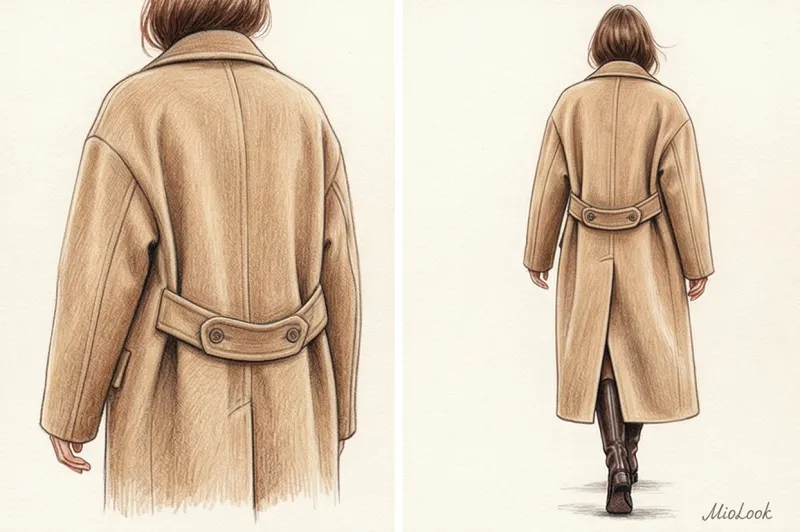
- shoulder straps and a belt on the back;
- deep patch or slit pockets with flaps;
- high vent on the back for freedom of movement.
What to combine with
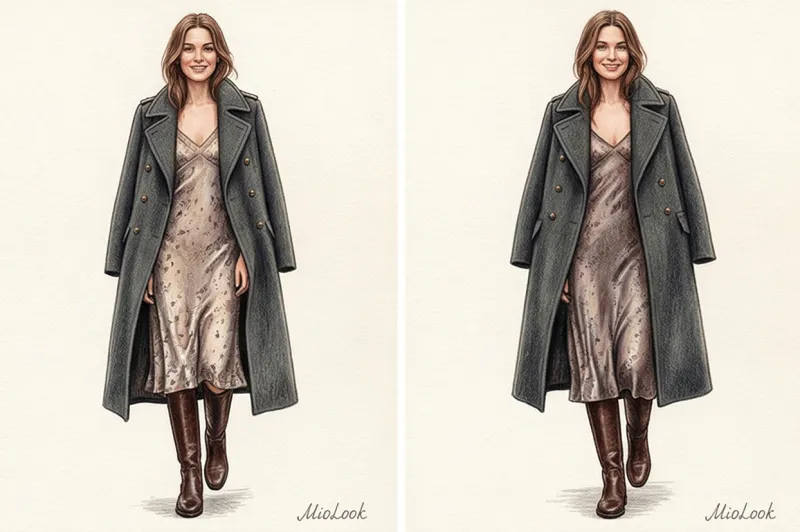
The overcoat's integration into a wardrobe is based on military aesthetics or a play on contrasts. The heavy, military-inspired cut is effectively combined with feminine textures. Overcoats are worn over silk slip dresses or flowing midi skirts, completing the look with elegant heeled ankle boots.
For a casual look, pair a structured coat with straight-leg jeans or cargo pants. Layer it with chunky, chunky-knit sweaters, and pair it with chunky lace-up boots or chunky-soled Chelsea boots.
In a business wardrobe, the austere nature of the overcoat supports the formal dress code. The coat is paired with classic pantsuits, basic turtlenecks, tailored shirts, and pointed-toe shoes.