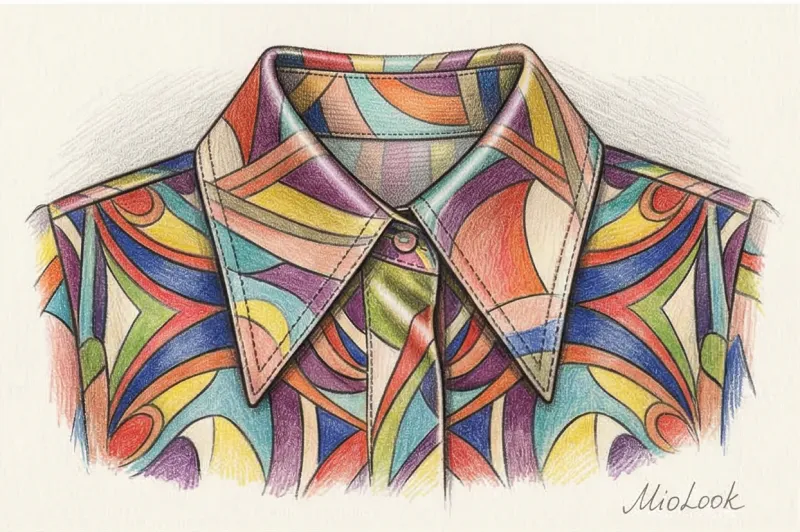
What is retro?
In the fashion dictionary retro style is a movement that borrows, imitates, or quotes silhouettes, details, and motifs from clothing from past decades.
The main difference between retro and vintage lies in the item's origin. Vintage clothing is original clothing created during the same era (over 20 years old). Retro clothing is modern clothing, stylized to resemble antique pieces and produced in new factories.
The term generally encompasses fashion from the 1920s to the 1990s. Over time, historical boundaries have shifted: the Y2K aesthetic of the early 2000s is now also classified as retro.
Distinctive features
Each decade that retro style draws on has recognizable markers and silhouettes.
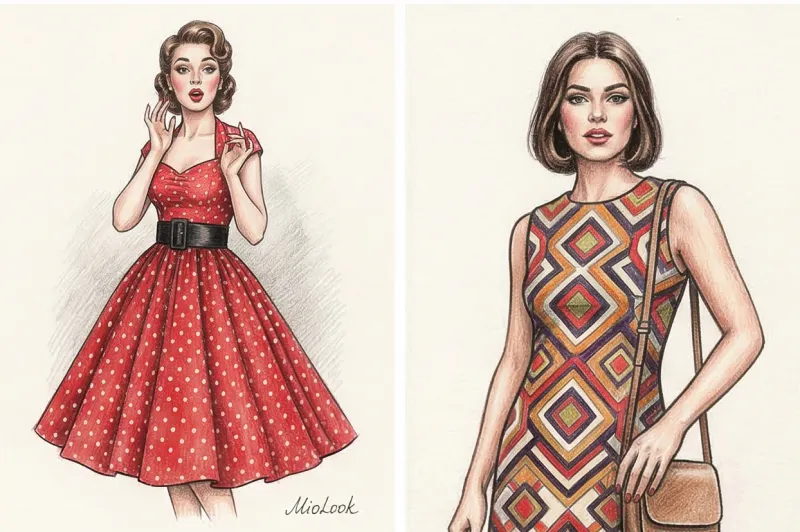
- 1950s (New Look): An emphasis on a narrow waist, full midi skirts, structured bodices, polka dot and Vichy check prints.
- 1960s (Twiggy and Space): A-line mini dresses, geometric color-block prints, turtlenecks, go-go boots and plastic hardware.
- 1970s (Disco and Boho): High-waisted flared trousers, chunky platform shoes, wide, pointed collar shirts, corduroy and psychedelic patterns.
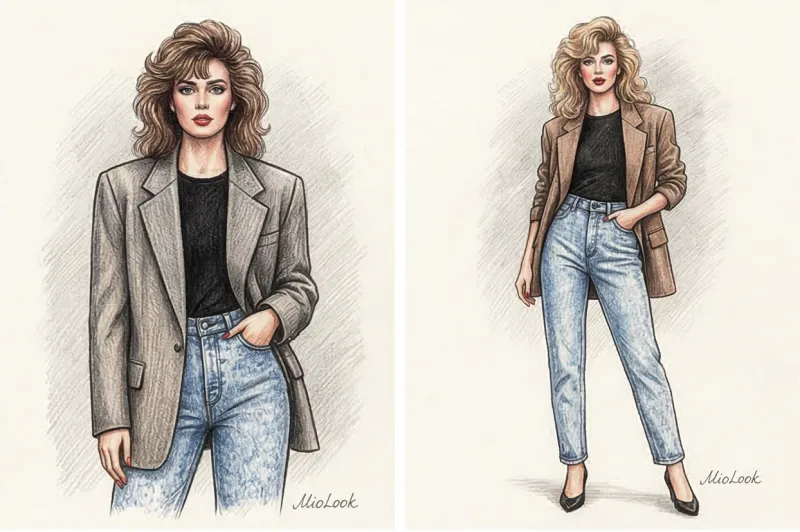
- 1980s (Power Dressing): Voluminous shoulder pads on jackets, boiled denim, neon shades, and sporty elements (leggings, windbreakers) in everyday wardrobe.
How to wear
To create a modern look, the rule of proportion applies: one or two retro pieces paired with basic clothing is sufficient. For example, an ascot collar blouse paired with straight-leg, modern jeans avoids theatrical costume effect.
Modern retro styles are made from high-tech blended fabrics. This approach creates a more comfortable and contemporary fit than the originals.
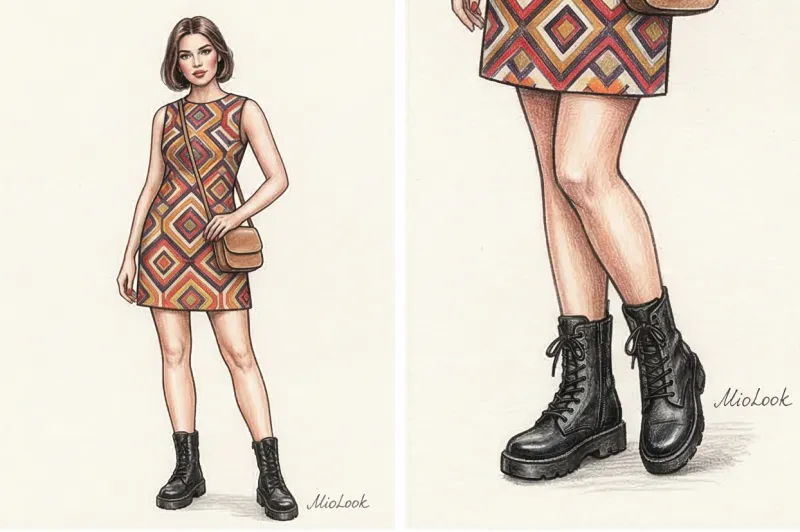
Using retro details as accents allows you to add a nod to the era to a formal business or casual look. Such elements include cat-eye glasses, silk scarves, or platform loafers.
When wearing distinctly retro clothing, it's important to maintain a balanced beauty look. Makeup and hair should remain as modern and natural as possible to avoid overpowering the look.