

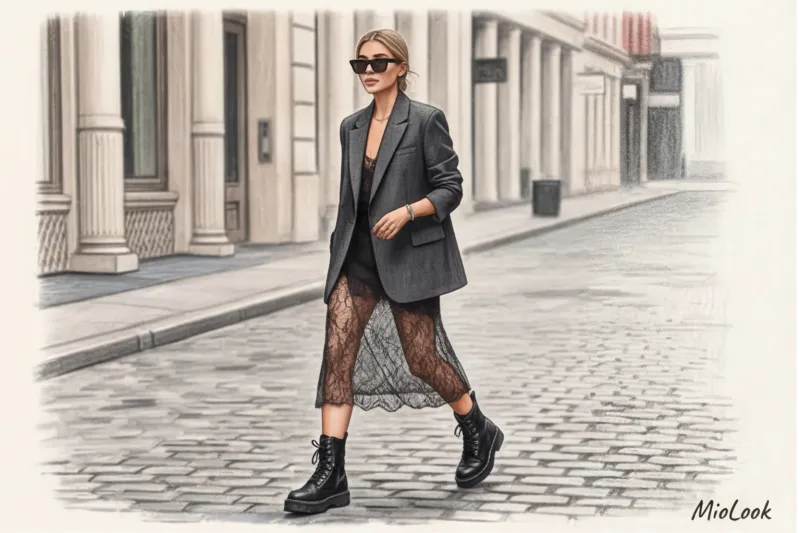
Why Clean Clothing Styles No Longer Work in Modern Fashion
I remember my first season at Paris Fashion Week over ten years ago. Back then, in the late 2000s, the vestiges of 20th-century fashion still ruled the streets before the shows. Street style photographers hunted for impeccably polished, "clean" looks: if a guest opted for classic, it would be a tailored suit with matching pumps; if boho, a flowing dress with fringe, suede, and an abundance of ethnic embellishments. Today, looking back at those archives, I clearly see: traditional clothing styles in their original, undiluted form, they remained in the past.
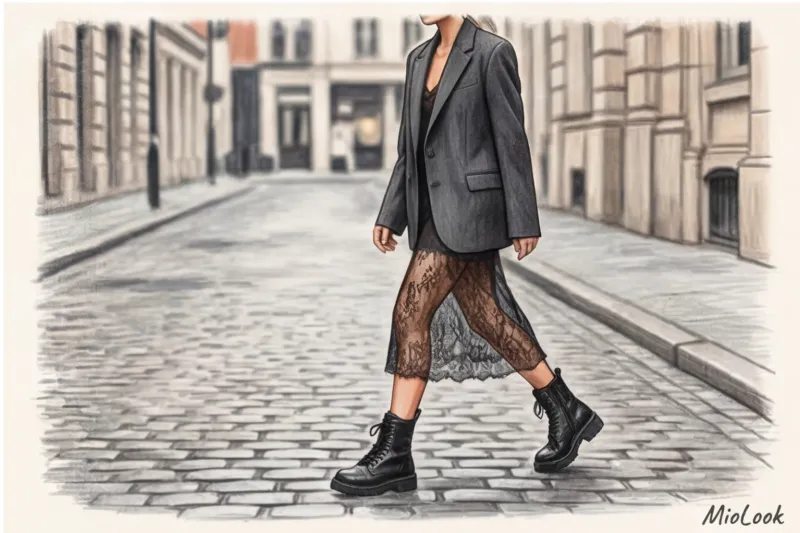
At the recent Paris shows, I observed a completely different picture. Glossy editors-in-chief and industry insiders, setting global trends, masterfully mix Chanel couture jackets with stretched-out vintage T-shirts and chunky, grunge-inspired boots. This deconstruction of pure styles isn't just a shocking move for the sake of street style chronicles, but a logical evolution of fashion. We've finally moved on from the strict dictates of the last century (when your bag had to match your shoes, and athletic wear was restricted to the gym) to a postmodern eclecticism where you make the rules yourself.
Over the years as a fashion journalist and stylist, I've developed a strict rule: a look that's 100% consistent in style today creates the undesirable effect of a theatrical costume. If you wear a flowing dress with a small floral print, accessorize it with a straw hat, wedge espadrilles, and a woven basket bag, you look less like a modern woman and more like an actress playing a tourist in Provence in an amateur production. The same goes for 100% boho, uncompromising romanticism, or total sporty chic. It looks flat, predictable, and, frankly, outdated.
Instead of trying to squeeze itself into outdated boxes (think of the typical “find out your style” tests from the magazines of our youth), the industry has moved towards the concept Style DNA — Style DNA. Think of your wardrobe as a complex fragrance composition. You have base notes (for example, Scandinavian minimalism), heart notes (dramatic silhouettes), and a trail (vintage or ironic details). Style DNA is unique, like a fingerprint, and it is formed at the intersection of your lifestyle, your observations, and your personal comfort.
So how do you put together your looks every day? The main tool for modern stylists, which I highly recommend mastering, is rule of contrasts We deliberately juxtapose opposing textures, volumes, and stylistic messages. A formal office blazer made of thick wool calls for relaxed, wide-leg jeans, while a naive silk slip dress requires a voluminous, "mannish" jacket or chunky sneakers. Smooth meets rough, and expensive meets decidedly casual.
To learn to see these subtle connections, you don't necessarily need to hire a personal stylist right away. I often advise my readers to use the "smart wardrobe" feature in the MioLook app By uploading your basic and accent pieces, you can safely experiment with counterintuitive combinations on your smartphone screen, practicing your visual acuity before wearing them in real life.
Fashion Insight: Try breaking up your most familiar, "clean" outfit tomorrow. Replace just one predictable detail with something completely different. You'll be surprised how instantly your look gains depth and character.
Fundamental (basic) clothing styles: the basis of a wardrobe
A study of shopping habits published by McKinsey analysts in early 2024 revealed a paradoxical pattern: women spend up to 70% of their budget on statement, trendy pieces, but wear them only 20% of the time. The rest of the time, we wear what we intuitively consider our "basics." When new clients show me their closets, I often see exactly this picture: an abundance of stylistic "add-ons" (feathers, rhinestones, micro-trends from TikTok) with a complete lack of a solid foundation.
To make your wardrobe work for you, rather than you working for it, you need to understand the taxonomy of styles. There are fundamental (base) clothing styles—the load-bearing walls of your visual image. These include classic, casual, dramatic, romantic, and avant-garde. Then there are add-ons—boho, grunge, preppy, normcore—that act as decor. You can't build a house solely from wallpaper and paintings; you need concrete and brick. Likewise, it's impossible to assemble a functional wardrobe exclusively from boho-style pieces if you live in a big city and work in an office.
Fundamental styles are deeply rooted in the psychology of perception. Drawing on Carl Jung's archetype theory, adapted to style by researchers like Carol Pearson, we can see a direct connection between clothing choices and our inner state. For example, classic style resonates with the "Ruler" archetype (control, status, structure), casual style appeals to the "Gentleman" (comfort, belonging), romantic style appeals to the "Aesthete" (sensuality, harmony), and dramatic and avant-garde styles appeal to the "Magician" and "Rebel" (transformation, challenging society). Understanding your dominant archetype protects you from making poor purchases: if your psyche demands freedom and dynamism, a 500-euro suit will remain hanging in its bag.
Classic and business styles: image architecture
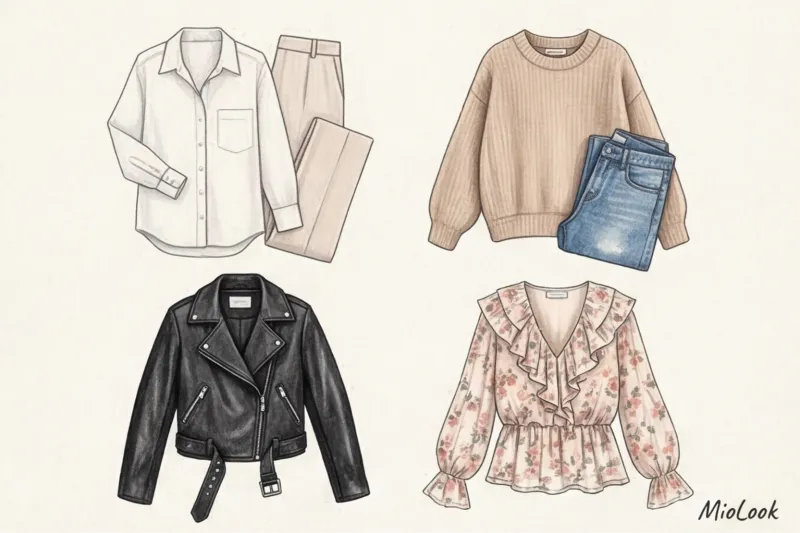
Modern classics are not boring uniforms, but complex architecture. Their historical roots lie in the formal English men's suit, which was adapted to the female figure throughout the 20th century. Christian Dior made a huge contribution to this transformation: his iconic New Look silhouette of 1947 (particularly the Bar jacket) brought architectural rigidity and sculpturality back into fashion after the shapelessness of the war years. Today, classics are based precisely on this fabric's ability to "hold one's own."
Over the years, I've noticed that many people confuse strict, classic formal attire with modern business attire. Strictly classic attire (a skirt strictly to mid-knee, closed-toe shoes, and mandatory tights) is now only appropriate in conservative settings: banks, courts, and diplomacy. For 90% of women, this level of formality is excessive. Modern business attire is much more flexible: it allows for relaxed cuts, loose jackets, and the use of knitwear.
Key markers of a well-constructed classic image:
- Clean cut: The item should create a complementary geometry to the body, and not just fit it.
- Achromatic and basic palette: black, white, all shades of gray, navy (deep blue), camel.
- Dense fabrics: Gabardine, high-quality suiting wool, heavy cotton, or high-density silk. The fabric should not be see-through or reveal the contours of the underwear.
Casual and its hybrids: Smart, Business, Sport
If the 21st century had an official uniform, it would undoubtedly be casual. The accelerating pace of life, the blurring of boundaries between work and personal time, and the widespread shift to remote work have made comfort a top fashion priority. However, casual isn't about stretched-out sweatpants and the first T-shirt you find. It's about deliberate casualness.
My clients often stumble over the difference between smart casual and business casual. Let's break it down:
- Business Casual: You take a formal business suit and tone it down. For example, swap out the tailored shirt for a quality basic T-shirt or turtleneck, and the stiletto pumps for leather loafers.
- Smart Casual: Moving in the opposite direction. You take a relaxed basic (like straight blue jeans) and elevate it with a structured tweed jacket, a silk scarf, and expensive shoes. Excellent examples of this aesthetic can be found in the collections of brands like Massimo Dutti or COS.
Sporty chic deserves special mention as a logical evolution of comfort. Integrating sporty elements into everyday wardrobes has long ceased to be considered bad form. A hoodie worn under a structured double-breasted coat, or chunky sneakers paired with a pantsuit, are already classics of the genre, built on the principle of stylistic contrast.
Don't know how to combine items from different styles?
Try MioLook for free: A smart AI stylist will analyze your clothes and select the perfect everyday looks, taking into account style combination rules.
Get access — €0.99 onceDramatic and Avant-garde Styles: The Art of Outrageousness
Dramatic style is always a visual statement. It requires boldness and impeccable grooming, otherwise it risks becoming theatrical or vulgar. In everyday life, drama should be used sparingly. Instead of wearing head-to-toe black leather, use dramatic accents sparingly: plunging necklines, pronounced asymmetry, chunky metallic jewelry, or contrasting color blocking (like fuchsia and emerald).
The avant-garde takes things a step further—it's intellectual fashion, a deconstruction of familiar forms. Japanese designers Rei Kawakubo (Comme des Garçons) and Yohji Yamamoto taught the world to see beauty in the unfinished: raw edges, distorted proportions, deliberate asymmetry. As Yamamoto once said: "Black is both modest and arrogant. It says: I don't bother you, and you don't bother me." The best way to introduce avant-garde into your wardrobe is through complexly cut outerwear or conceptual shoes, while keeping the rest of the look as neutral as possible.
Romantic and Naive Styles: New Femininity
Over the past five years, romantic style has undergone a colossal transformation. We've finally moved on from infantile pink ruffles, cheap lace, and cake-shaped dresses. The new femininity is far more sophisticated and expensive. Today, romance is expressed through tactile textures: flowing heavy silk, organza, fine cashmere, and the sheer trend that's constantly appearing on the runways.
The key to adapting romantic style to the modern city is neutralization. If you're wearing a sheer chiffon blouse with a bow (typically romantic), don't pair it with a circle skirt and Mary Janes—you'll look like a porcelain doll. Pair this blouse with wide-leg men's trousers with a crease and chunky boots. If you're unsure whether such a paradoxical mix will work with your clothes, try digitalizing them and uploading them to MioLook — The virtual capsule designer feature helps you see the balance of textures before you even start getting dressed.
Naive style (or gamine), related to romantic style, is characterized by smaller details: small millefleur prints, cropped silhouettes, and Peter Pan collars. It's ideal for petite women with delicate features, but in an adult wardrobe, it also requires a tight balance of casual or classic elements.
Styles born from subcultures and eras
For a long time, high fashion viewed the street with undisguised snobbery. Couturiers in closed Parisian ateliers would categorically decide the length of hemlines for the next season, and society obediently accepted these rules of the game. However, in the second half of the 20th century, the vector of gravity shifted radically: the street began to dictate its own rules to the catwalk. It was then that the very styles of clothing that we consider classic essentials today emerged, but which initially represented a resounding social protest.
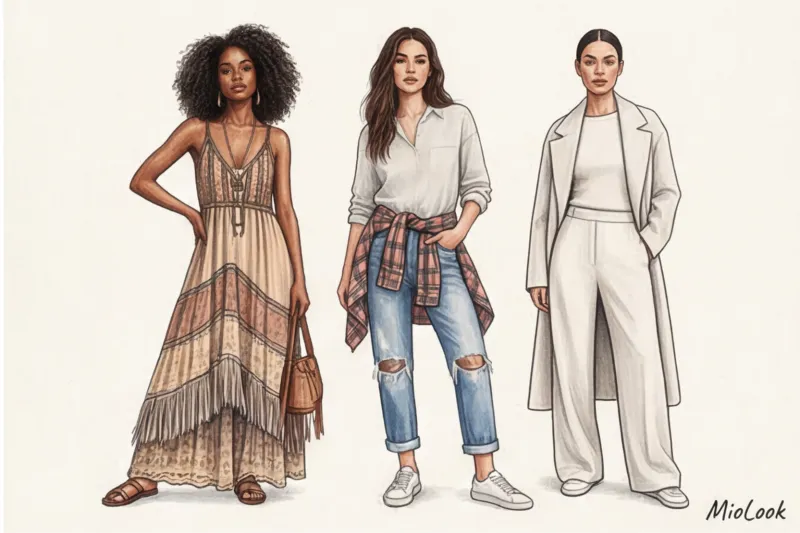
As Valerie Steele, a respected fashion historian and director of the FIT Museum, notes in her research, the process of "trickle-down" trends has been reversed. While for centuries fashion had trickled down from the aristocracy to the masses (the "trickle-down effect"), the development of youth subcultures ushered in a "bubble-up" effect—fresh ideas were born in underground clubs, music festivals, and the streets of suburbs, and were then commercialized by luxury brands. Musical movements became the main catalyst for change, from psychedelic rock to uncompromising punk.
Boho, Ethnic, and Safari: the spirit of freedom and travel
The aesthetic of the legendary Woodstock festival in 1969 forever cemented boho into the fashion lexicon. Initially, it was an anti-consumerist manifesto: "flower children" mixed vintage, elements of traditional costumes, and distressed denim, protesting the bourgeois neatness of their parents. Today, boho-chic is a fully-fledged luxury segment. Consider the collections of Chloé (especially the triumphant return of flowing silhouettes in 2024 under the direction of Chemena Kamali) or the timeless Parisian boho-rock of Isabel Marant.
The main rule of modern boho: No literal theatrics. We no longer dress head to toe in fringe, suede, and round glasses. A flowing chiffon dress with a floral print today requires a sturdy architectural support—for example, a voluminous men's blazer, a sleek leather jacket, or rugged Cossack boots.
Ethnic and safari styles always go hand in hand with boho. While safari is a celebration of utilitarianism, brilliantly adapted by Yves Saint Laurent in 1968 (his famous sand-colored laced Saharienne jacket forever changed women's summer wardrobes), ethnic styles in the 21st century require extreme caution. The line between respect for cultural codes and cultural appropriation is very thin. Using sacred Native American patterns on cheap mass-market tops is considered poor taste. But integrating an authentic ikat-embroidered jacket, purchased from local artisans, into a basic look with a white T-shirt and straight jeans is the pinnacle of stylization.
Grunge, Punk, and Rock Aesthetics: A Wardrobe Riot
April 1992. Young designer Marc Jacobs drops his spring collection for the venerable American brand Perry Ellis, causing a bombshell effect. Supermodels wore silk shirts printed to resemble cheap work flannel, stretched beanies, slip dresses, and rugged combat boots. Jacobs was fired for this show, accused of mocking high fashion, but it was he who legitimized grunge. The aesthetic of Kurt Cobain and the Seattle music scene became the new black.
The key hallmarks of grunge and punk are layering, deliberate casualness, raw edges, ripped denim, tartan, and chunky shoes (from classic Dr. Martens to heavy-duty choppers). But how do you wear all this if you're no longer sixteen and work in an office with a relaxed dress code?
The secret to "grown-up grunge" is impeccable quality materials with a casual aesthetic. Your oversized cardigan may look moth-eaten, but it should be knitted from premium mohair or alpaca, not creaky, cheap acrylic.
My favorite technique for incorporating rebellious notes is the one-shot method. To avoid overloading the image and looking like an overgrown teenager, I recommend digitizing your database in MioLook app and put together outfits virtually. Add just one grunge detail to tailored graphite pleated trousers and a simple cashmere coat—for example, a faded T-shirt with a vintage rock band print or boots with chunky tractor soles. The contrast between formal and informal will make the look magnetic.
Minimalism and Normcore: The Aesthetics of a Blank Slate
If grunge was a dirty reaction to glamour, then '90s minimalism was an intelligent response to the excess, shoulder pads, and neon frenzy of the '80s. Designers like Calvin Klein and Jil Sander offered women clean lines, a strict monochrome palette, and a complete lack of embellishment. Modern minimalism (the Olsen sisters' The Row is a prime example) has become warmer and more enveloping: rigid suits have given way to soft cashmere drapes and complex shades of milk, oatmeal, and taupe.
A logical continuation of minimalism in the age of digital overconsumption is normcore (a term coined by the New York trend agency K-Hole in 2014). It's a conscious refusal to stand out through clothing. Think of Steve Jobs's aesthetic: black turtlenecks, nondescript blue jeans, basic gray New Balance sneakers. It's a desire to look "normal," to blend in, thereby declaring, "My personality is bigger than my clothes."
However, this is where the most insidious stylistic trap my clients often fall into lies. When an outfit lacks an accent color, print, or complex cut, texture and fit take center stage. Normcore and minimalism are completely unforgiving of cheap fabrics. A basic white T-shirt for 15 euros, made of thin, loose cotton that loses its shape after the first wash, will make the look not minimalist, but simply sloppy. For a clean-sheet aesthetic, you need a dense, shape-retaining knit (in the 60 to 150 euro price range), a perfect cut, and impeccable grooming. Only when these conditions are met does the absence of embellishment transform into a quiet, yet incredibly confident statement.
Contemporary Micro-Trends and Aesthetics (Cores)
Have you ever noticed how quickly trendy terms become outdated these days? Just yesterday, everyone was discussing Barbiecore, and today, social media feeds are dominated by the Mob Wife aesthetic. According to the latest reports from the authoritative trend bureau WGSN, the life cycle of a macro trend is traditionally 5 to 10 years. However, modern micro trends, or so-called "cores," fade out in just 3 to 6 months.
This phenomenon of colossal acceleration is directly due to TikTok's algorithms. The platform demands constant visual novelty, forcing influencers to come up with catchy names for the slightest stylistic variations. The result is an endless conveyor belt of aesthetics that can confuse even the most sophisticated shopaholic.
But let's look at this through the eyes of a professional analyst. If you peel back the bright, viral packaging, absolutely all micro-trends are based on fundamental clothing styles. Balletcore is nothing more than classic romantic style, spiced up with leg warmers and ballet flats. 2000s grunge has been repackaged as Y2K, and elements of traditional casual have been fragmented into dozens of niche trends.
The obvious question arises: is it worth investing in these fleeting "crusts"? My answer is a resounding no, when it comes to buying expensive, one-time-only items with ultra-fashionable designs. Chasing every new internet aesthetic is a surefire way to a cluttered closet, supporting fast fashion, and wasting your budget. Treat micro-trends like spices: they can refresh your foundation, but they shouldn't become the main course.
Old Money and Quiet Luxury
In this maelstrom of micro-trends, two concepts stand out, often mistakenly used interchangeably by fashion magazines. In reality, there's a vast semantic chasm between the Old Money aesthetic and "Quiet Luxury."
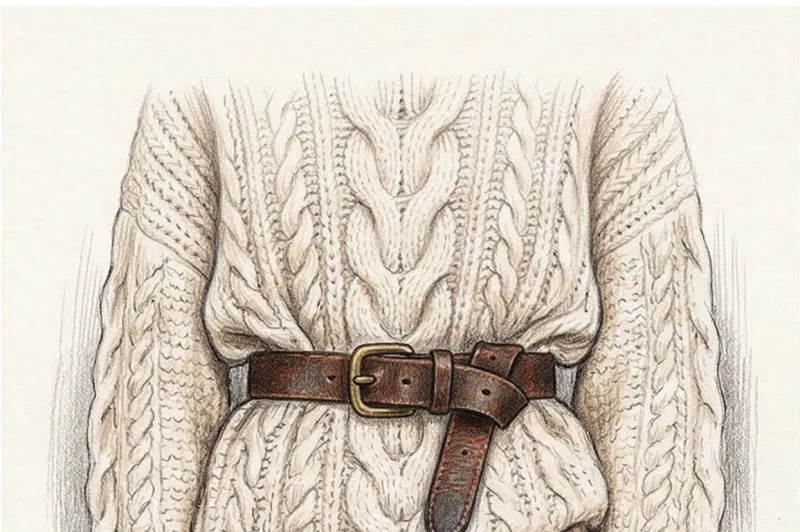
Old Money is a visual aesthetic, a play on "heir to the old fortune." It evokes the lifestyle of the exclusive Ivy League country clubs: pleated tennis skirts, textured cable-knit sweaters draped over the shoulders, pearl strands, and loafers. You can create an Old Money look at a mass-market store for 100 euros, because what matters is the visual code itself, not the garment's origin.
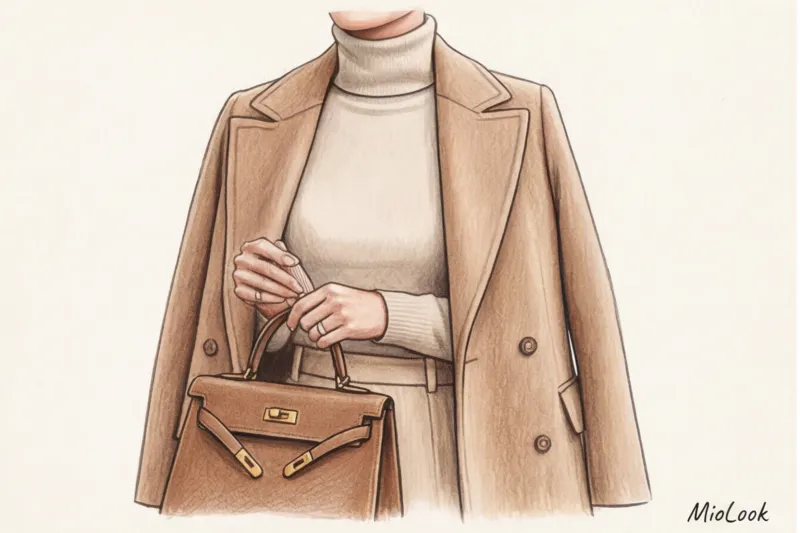
Quiet luxury, on the other hand, is an approach to consumption. It's a cashmere coat from The Row or a €2,500 Loro Piana turtleneck, which to the untrained eye look like the most ordinary basics. No flashy logos, monograms, or recognizable prints. The key markers here are uncompromising quality tailoring, a complex achromatic or natural color palette (shades of oat, graphite, undyed wool), and premium textures (silk, vicuña, heavy cotton).
Why has this trend become so dominant? Fashion sociologists call this phenomenon "recession core." During periods of global economic instability and inflation, overt displays of wealth begin to be perceived by society as bad taste and vulgar. Wealthy people prefer to "whisper" their status through qualities understood only by a select few.
Y2K, Gorpcore, and Other Internet Aesthetics
At the opposite extreme from understated luxury is Y2K—an aggressive nostalgia for the glamour of the 2000s. Dropped waists, extreme crop tops, an abundance of rhinestones, and velour suits have returned to the runways thanks to Miuccia Prada and her viral Miu Miu microskirts. This trend demands a perfect fit and a certain dose of self-irony, which is why it's so popular with Generation Z, who didn't experience that era as adults.
Gorpcore (from the acronym GORP—Good Ol' Raisins and Peanuts, a traditional backpacker snack) sets a completely different direction. It's a triumph of utility: integrating rugged outdoor gear into the urban jungle. Salomon trekking boots, Arc'teryx shell jackets, and fleece track jackets are suddenly being paired with classic trousers and tailored coats. Gorpcore proves that comfort and weather protection can be cutting-edge.
But what about the dozens of other viral trends? Office Siren (office siren with narrow Prada sunglasses and fitted shirts), Mob Wife (mobster's wife in a voluminous leopard-print eco-fur coat) – all these are brilliant stylistic games. They should be treated with the same lightness as theatrical props.
Before you give in to the impulse to buy leopard-print tights or hiking shoes, test the trend to see if it's safe for your wardrobe. I always recommend uploading photos of your basics to MioLook and virtually try on one trendy item with them. The app's artificial intelligence will immediately show you whether the "office siren" aesthetic will fit into your real life, or whether this item will remain on the hanger after one outing.
Access to MioLook for €0.99 — one-time payment
Start creating perfect images with the help of artificial intelligence
Get access — €0.99 onceAnatomy of Style: How to Mix Styles (The 80/20 Formula)
At a closed workshop in Milan, a famous Italian stylist uttered a phrase that has become my professional motto: "The perfect image is always a little wrong." It's precisely this carefully crafted "irregularity" that distinguishes a living, breathing wardrobe from a flat, theatrical costume. Today, pure clothing styles are practically unsustainable. Dressing 100% classic risks being boring and formal. Dressing 100% romantically risks being too childish. To avoid this, professionals use the golden 80/20 rule: 80% is devoted to your dominant, basic style, and 20% is devoted to an unexpected, paradoxical accent.
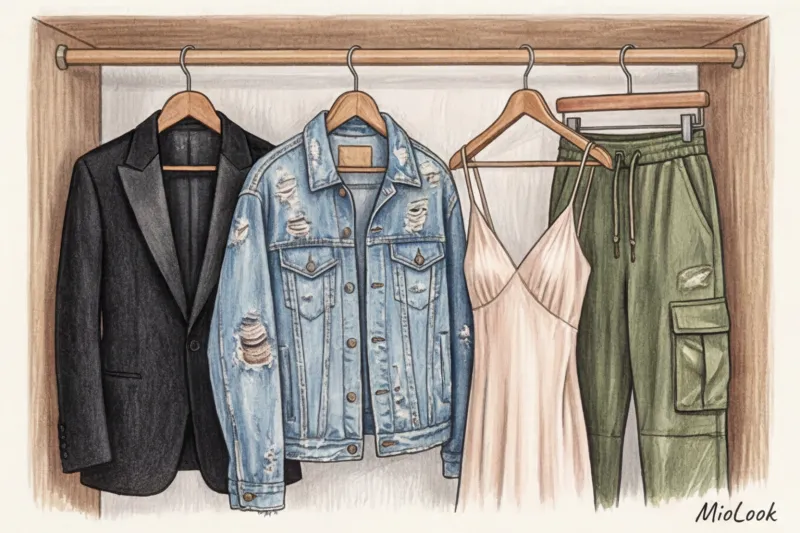
The secret of this formula lies in the theory of contrasts—the key tool of modern styling architecture. We juxtapose opposing textures, volumes, and stylistic paradoxes, creating a visual tension that captivates the eye. Miuccia Prada built the entire aesthetic of the Miu Miu brand on this approach: she masterfully combines dense, dry tweed with the finest sheer chiffon. In a well-assembled ensemble, smooth always calls for roughness, fitted begs for oversize, and matte requires a touch of shine.
Let's look at reference mixes that you can adapt to your needs tomorrow. The first one is the union of Romance and Grunge Imagine a flowing mulberry silk slip dress (an investment of around 150-250 euros for a quality base) layered with a voluminous, distressed leather biker jacket. The rough texture of the leather offsets the overly elegant feel of the silk. Another fail-safe technique is Classic Plus Sport A formal pantsuit made of high-quality wool instantly loses its formality if you wear a thick cotton hoodie under the jacket instead of a starched shirt, finishing the look with chunky running sneakers.
But the most powerful yet safest tool for shifting your style is accessories. In my practice, I often show my clients a practical trick: how to transform a classic daytime look into a dramatic evening one with just one pair of shoes. The starting point: an impeccably tailored gray loose-fitting pantsuit and a simple white T-shirt. During the day, you wear it with minimalist suede loafers. But in the evening, swap them for cherry-red patent leather pumps with an ultra-high stiletto heel or ankle boots with an architectural beveled heel—and the look skyrockets. Add a chunky metal ear cuff and lipstick to match the shoes, and you're ready for a theater premiere or dinner.
It can be nerve-wracking to experiment with these kinds of looks in person—there's always the fear of slipping into bad taste. So before buying contrasting pieces, I strongly recommend testing your ideas virtually. Upload photos of your basic tailored trousers or romantic dresses to the "smart wardrobe" feature in MioLook There, you can safely try on bold Cossack boots or sporty bomber jackets, clearly checking whether your personal 80/20 formula has worked before spending even a single euro on a new item.
How to Define Your Leading Clothing Styles: A Checklist
Do you know what stage of personal image development provokes the most resistance but yields the most powerful insights? It's not shopping. Or even analyzing trends. It's a brutally honest inventory of your own routine.
Start with lifestyle analysis — Make a pie chart of your monthly workload. Identify sectors: office, remote work, walks with the kids, evening outings, and sports. The proportions of your wardrobe should strictly correspond to this chart. This is where a typical mistake lies, one I constantly warn against: blindly copying images from Pinterest. A girl who lives in a rainy climate and commutes by subway brings me references of snow-white silk palazzos and suede mules because "it looks expensive." Ignoring the real climate and lifestyle is a sure path to a closet bulging with clothes but with "nothing to wear."
The next step is - audit of the current wardrobe Open your closet and take out 5-7 items that you wear literally to pieces. Analyze why you're drawn to them. It could be the impeccable fit, the easy-care fabric, or the color that instantly brightens your complexion. These "workhorses" are the unspoken foundation upon which your actual clothing styles are built. I recommend them immediately. digitize this database in the MioLook app to clearly see the core of your wardrobe and avoid buying duplicates.
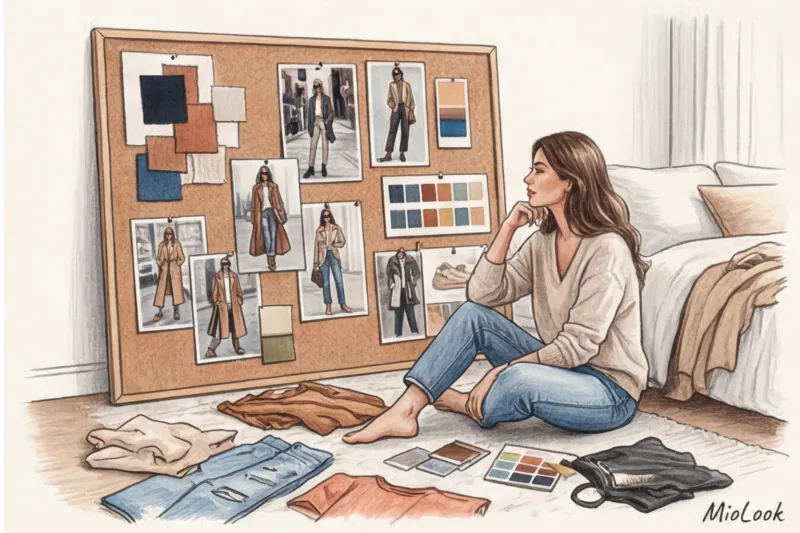
Only after this proceed to creating a mood board (Inspiration boards). Collect looks from the runway and street style, but look at them analytically. Look for repeating patterns. If eight out of ten saved photos feature layering, rough skin, or asymmetry, bingo, your style leans toward drama or grunge. If clean lines and monochrome predominate, you gravitate toward minimalism.
The final filter of our formula is taking into account body type, contrast in appearance and personal preferences in comfort Your leading style must resonate with your facial features. A complex architectural avant-garde can visually "crush" a woman with soft, low-contrast features. And a strict, classic suit made of stiff wool will become an instrument of torture if your top priorities are kinesthetic comfort and freedom of movement. Style should serve you, not you, style.
Your ideal image begins Here
Join thousands of users who look flawless every day with MioLook.
The main mistakes in choosing and stylingAccording to a classic study by psychologist Albert Mehrabian, 55% of first impressions are formed by nonverbal cues, including our appearance. Clothing is a powerful tool of nonverbal communication, your silent manifesto. The most fatal mistake I regularly observe is inconsistency between clothing style and internal state Imagine an introverted woman with a soft personality who, on the advice of a glossy magazine, dons aggressive leather or all-out drama. Her body language—drooping shoulders, stiff gestures, an uncertain gaze—immediately conveys discomfort. A visual dissonance arises, which subconsciously evokes mistrust in others. You can only look truly stylish in something that feels like a second skin.
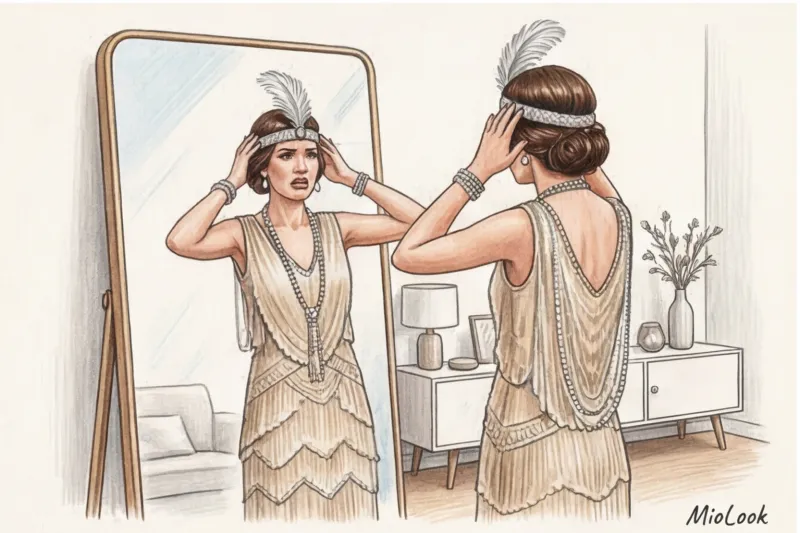
The second trap is - blindly copying trends without adapting them to one's own needs In the age of algorithmic feeds, it's all too easy to succumb to the temptation to buy "that dress" that looks perfect on your favorite influencer. Many forget that the image you see on social media is the result of skillful styling, the right angle, and lighting. In reality, clothing styles work differently: what looks natural on a tall, androgynous model often requires significant adjustments to proportions and consideration of your own personal contrast.
No less destructive ignoring context and relevance Modern fashion is incredibly democratic, but social dress codes remain. Showing up to a business meeting at a conservative bank in a deconstructed Maison Margiela jacket might demonstrate your awareness of avant-garde fashion, but it will completely undermine the professional context. Appropriateness to the situation is the invisible foundation upon which any successful image is built.
And finally, the classic financial mistake - buying single items of complex style without basic wardrobe support You buy a luxurious hand-embroidered kimono for 400 euros, bring it home, and realize you have absolutely nothing to wear it with. Such items hang for years with the tags, turning your closet into a museum of unfulfilled ambitions. Any complex piece requires a calm, measured canvas. To avoid such impulsive spending, I recommend regularly conducting an honest inventory. For example, by loading your items into MioLook , you'll immediately see whether you have those 80% neutral base colors in your arsenal that can "calm" and support that bright 20% accent purchase.
Summary: From style theory to a smart wardrobe
We've traveled a vast distance through decades of fashion history: from the strict canons of classics and rebellious grunge to the fast-paced micro-trends of TikTok. And if you only need to remember one thing after reading this guide, let it be this: in its purest form. clothing styles remained exclusively in cinema and on the theatre stage.
In real life, style is a flexible system, not a rigid set of rules set in stone. It's your personal visual constructor. You're under no obligation to swear allegiance to a single style. On Monday, you can be a champion of minimalist elegance at a board meeting, while on Saturday morning, you can add a touch of relaxed boho to brunch with friends. It's precisely this fluidity that makes modern fashion so exciting.
Sure, the theory sounds inspiring, but in practice, any experimentation is often thwarted by the fear of making mistakes. Buying a complex, avant-garde skirt for 250 euros, bringing it home, realizing it won't fit, and hanging it in the back of the closet—sound familiar? Statistics show that about 30% of the items in the average woman's wardrobe are worn less than once a year.
That's why the paradigm for managing your own image has changed dramatically. Using smart tools helps you safely experiment with styles before you spend money. For example, by digitizing your basic pieces and uploading them to MioLook virtual fitting room , you get the risk-free ability to combine seemingly incompatible items right on your smartphone screen. The app will clearly show you how your tailored tweed jacket will look with relaxed cargo pants or bold Cossack trousers. This eliminates the morning panic in front of your closet and saves you from impulse purchases.
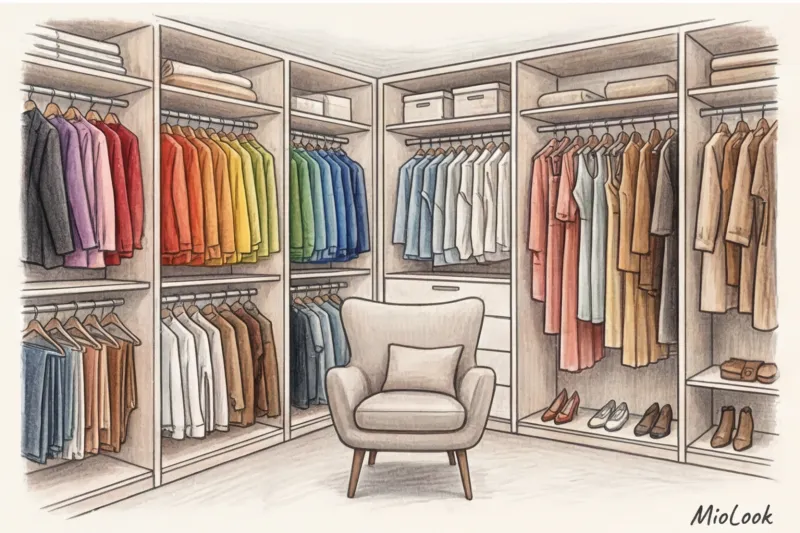
To make sure all this theory doesn't just remain text on a screen, I want to give you a concrete task. A call to action: start small. Start tomorrow morning by identifying your most tangible, rock-solid foundation—what you feel most confident in. Let it be the perfect pair of straight-leg jeans and a basic white T-shirt. Then add just one contrasting element from a completely different style.
If your base is casual, throw on a dramatic velvet blazer. If you prefer a more classic look, swap out your usual pumps for chunky sneakers with an outdoor twist (Gorpcore). Just one detail will shift the focus and make a familiar outfit feel fresh and modern.
And finally, I want to share the most important insight I've gained over the years in the industry. I often hear smart, accomplished women say things like, "At 25, I adored romance and ruffles, but now I'm 45, my status dictates that I wear elegant classics, even though they're boring."
Please forget the word "obligation." Your style evolves with you—with your life experiences, career, changes in your figure, and your new worldview. Changing your preferences as you age is completely normal and healthy. Clinging to a look that suited you ten years ago is as absurd as trying to squeeze into the jeans you wore in your freshman year of college.
Clothes don't matter until someone lives in them. — Marc Jacobs
Your wardrobe is a living organism, reflecting your current reality. If today you want to hide in voluminous, cozy normcore, and in a couple of years you suddenly decide to shine in bold leather and metal, indulge yourself in this luxury. Learn the rules, break them wisely, and remember: the best style is the one that makes you feel like yourself today.
Guide Chapters
What Is Ethnic Style in Clothing: Meaning, Characteristics & Looks
Ethnic style adapts traditional national costume elements into modern everyday wardrobes through natural fabrics and artisanal details.
What Is Glamorous Style: Features and Rules of Combination
Explore the essential elements and styling rules of a glamorous wardrobe to create elegant, festive outfits for both evening events and everyday life.
Balletcore: What is this clothing style and how to wear it?
Dark Academy: What is this clothing style and how to wear it?
Cottagecore Style: Distinctive Features and Wardrobe Elements
New Look Style: What It Is, Its History, and Distinctive Features
Barbicor: What it is, its distinctive features, and how to wear it
Eclecticism in clothing: what it is, its characteristics, and style rules
What Is Avant-Garde Fashion Style: Features and How to Wear It
Explore the experimental world of avant-garde fashion, where deconstructed cuts and architectural silhouettes transform everyday clothing into wearable art.
Casual style: what it is, types, and combination rules
Quiet luxury in clothing: what is this style and how to wear it
Old Mane Style: What It Is and Its Main Aesthetic Features
Smart Casual: What Is This Style of Clothing? | Fashion Glossary
Boho style: what it is, its distinctive features, and how to wear it
Minimalism in Clothing: Definition, Characteristics, and Style Rules
Vintage in clothing: what it is, its features, and how to wear it
Business casual: what it is, style rules, and dress code
Preppy style: what it is, history and distinctive features
What Is Sport-Chic: Style Guide and Outfit Rules
Master the art of sport-chic by learning how to seamlessly blend comfortable athletic wear with sophisticated wardrobe staples.
Lingerie Style: What It Is and What to Wear It With | Glossary
Retro style in clothing: what it is and its characteristic features
Grunge style: what it is, its history and distinctive features
Streetwear: What is it and the distinctive features of street style?
Military style: what it is, its characteristic features and elements
Safari style: what it is, its features, and how to wear it
Y2K Style: What It Is, Its Distinctive Features, and How to Wear It
Normcore: What is this clothing style and how to wear it?
Frequently Asked Questions
Your perfect vacation wardrobe
Pack your suitcase correctly – find out which vacation style suits you
About the author
Unlock MioLook
for €0.99
Start creating perfect outfits with artificial intelligence
Get access — €0.99 onceRelated Articles
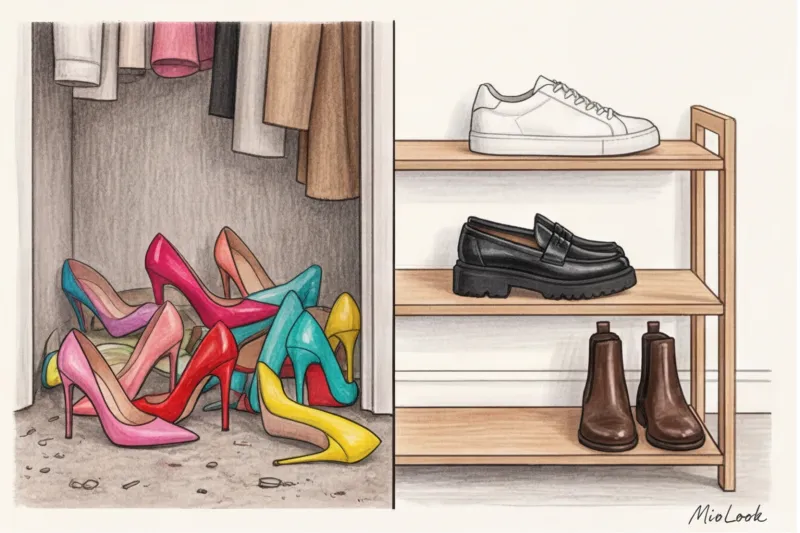
Types of Women's Shoes: Why the Old Rules Don't Work
Classic shoe classifications are hopelessly outdated. Find out from a personal s...
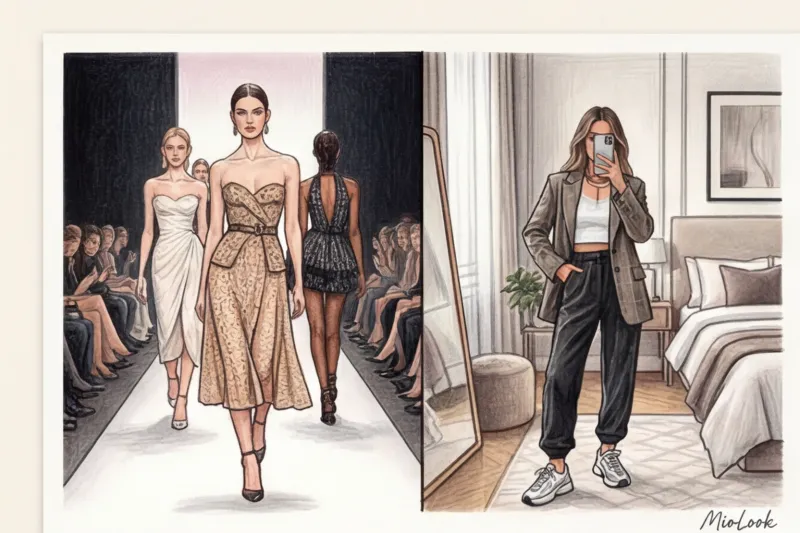
Fashion Aesthetics: How the Internet Has Changed the Fashion Industry
The era of glossy magazines' dictatorship is over. Discover how street style and...
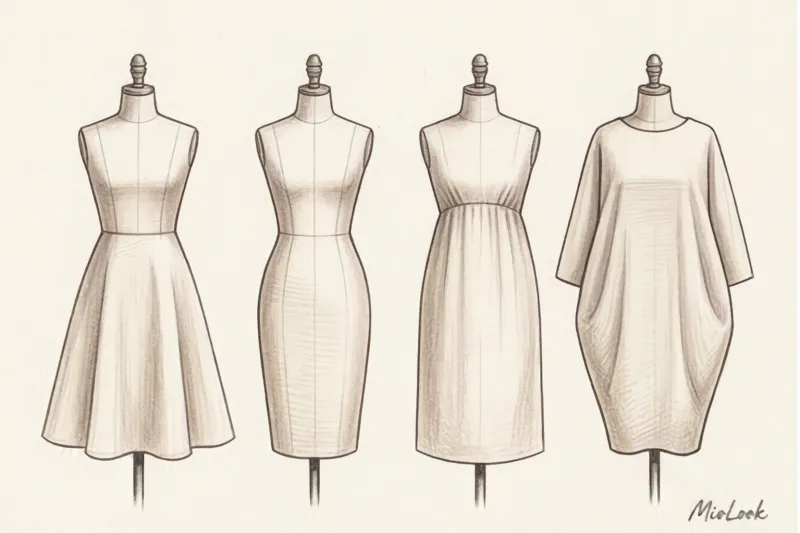
Clothing Silhouettes: Secrets to the Perfect Fit from a Stylist
Silhouette is the first thing our brain processes when we look at an image. Let'...