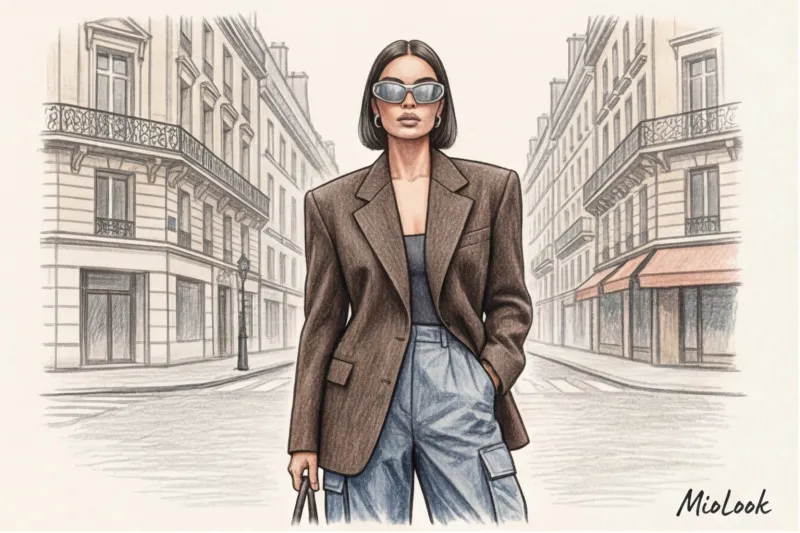
Have you ever noticed the paradox: in street style photos from Fashion Week, vintage looks like high art, but in real life, it often resembles a costume that was forgotten to be returned to the theater dressing room? When we ask ourselves how to wear vintage clothing, the first thing search engines return is the banal advice: "comfort a complex retro piece with simple, basic jeans and a white T-shirt."
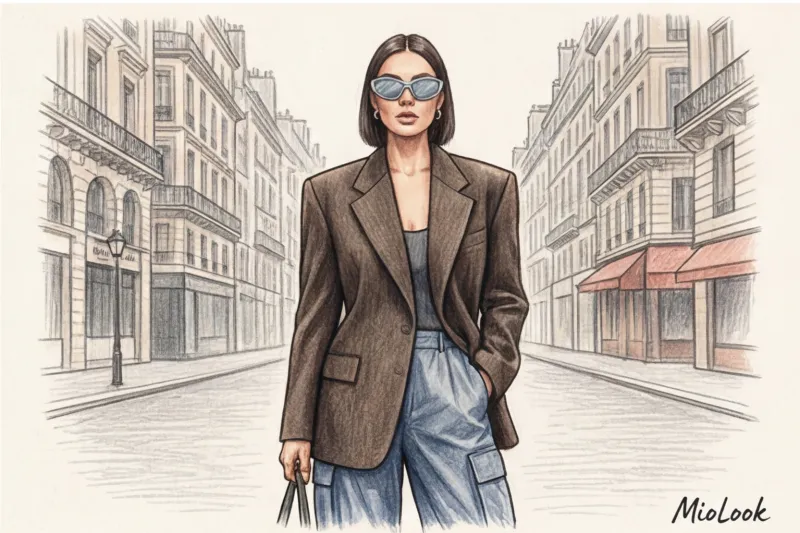
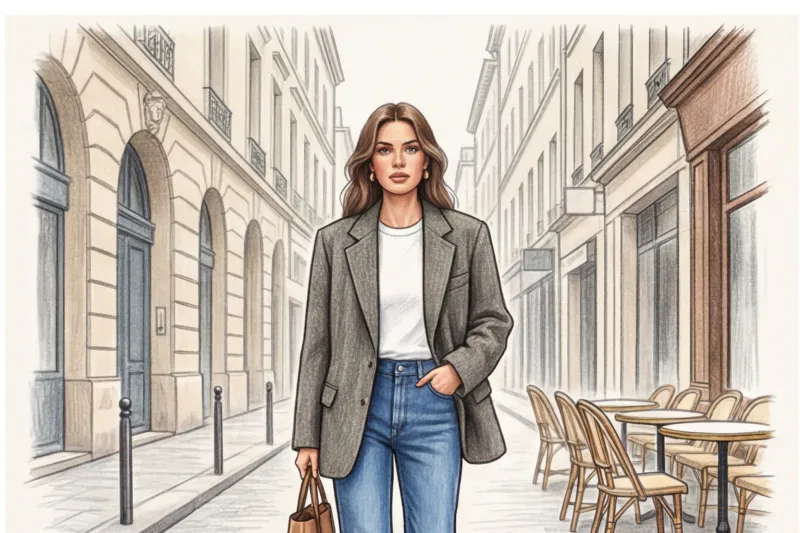
But as a fashion journalist and stylist with 12 years of experience, I'll tell you straight: this is the worst thing you can do to your look. Basic denim doesn't save vintage; it kills it, making the look flat and boring. Instead of a stylish statement, it looks like a woman who accidentally wore her grandmother's blouse because she ran out of clean shirts. The real magic begins where conflict arises. We've covered the architecture of smart shopping and where to find unique pieces in more detail in our The complete guide to clothing resale and vintage.
The Modern Vintage Formula: Why the "Basics" Rule No Longer Works
The popular misconception that vintage should be "diluted" with bland basics stems from a fear of looking outdated. But modern fashion tolerates no compromise. If you look at how leading designers work with archives, you'll notice a different pattern. Consider Martin Margiela's philosophy and his iconic line. Replica (launched in 1994): he didn't just copy old things, he placed them in a radically new, deconstructed context.
"A vintage piece is the architectural center of your look, not a fun retro detail. It requires a strong, equal partner, not a silent backdrop like blue jeans." This is the rule I tell every client during the first consultation.
The intellectual elite has long understood the value of archives. Research by The RealReal (2024) showed a 50% increase in vintage sales among millennials and Zoomers over the past year. And in Lyst Index reports, search queries for "archival fashion" (specifically, vintage Thierry Mugler corsets and Jean-Paul Gaultier prints) regularly break records. Why? Because today, a vintage jacket from the '90s in the €200–€400 range is 100% thick wool, perfectly tailored, and unique. For the same price in today's mass market, you'll only get bland polyester.
How to Wear Vintage and Modern Clothes: The Principle of "Stylistic Friction"
The secret of fashion industry insiders is the concept "stylistic friction" It's a deliberate clash of eras, textures, and meanings in a single look. You take a piece with a deep historical legacy and dramatically juxtapose it with something ultra-modern, utilitarian, or even sporty.
At the last Paris Fashion Week, I watched glossy editors masterfully break every written rule. The main rule they strictly adhere to is: don't wear more than one (maximum two, if it's a small accessory) vintage item at a time. Everything else should scream "this year" to you.
A contrast of textures: silk from the 1930s and technological fabrics
If you find yourself with a delicate retro fabric—like the finest 1930s bias-cut silk or intricate Victorian velvet—avoid wearing it with classic pumps or tailored trousers. Pair this delicacy with a rugged, modern nylon, matte faux leather, technical ripstop (parachute fabric), or hard-boiled denim.
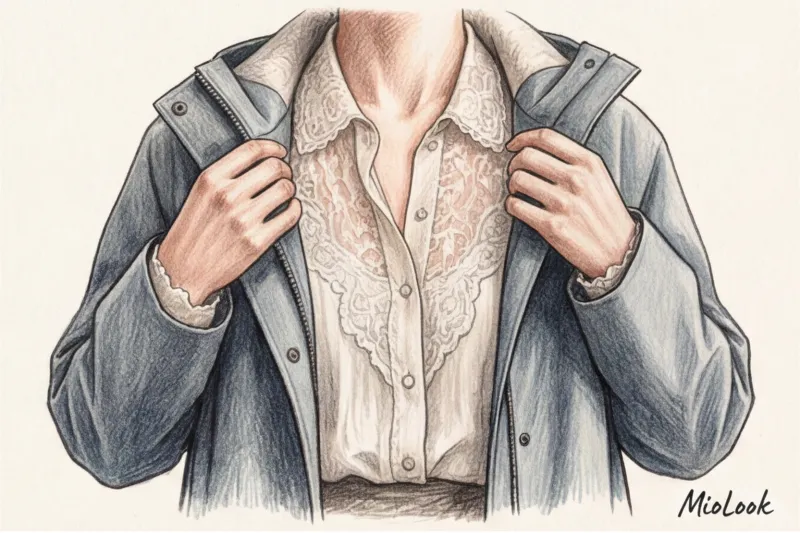
A play of volumes: the exaggerated shoulders of the 80s and modern minimalism
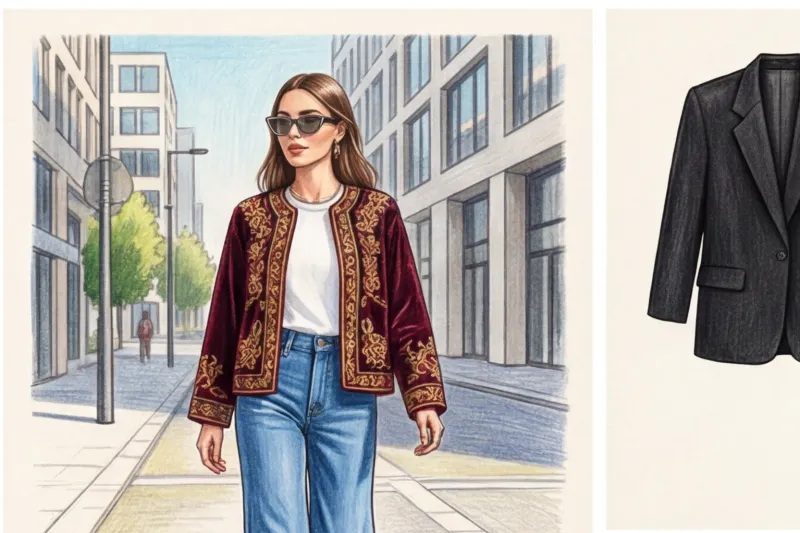
The cut architecture of the 1980s is the perfect base for a modern power dressing (Strong women's style). The oversized shoulders of Mugler or Armani jackets from those years look incredibly contemporary today when balanced. Wear such a jacket over a skinny bodysuit with technical leggings (as we discussed in the article about What to wear with leggings in the city ) or with wide, relaxed, drawstring parachute pants. This will instantly remove any retro drama from the look.
Your perfect look starts here
Not sure how to pair a vintage jacket with modern pieces? Join thousands of users who look flawless every day with an AI stylist.
Get access — €0.99 onceDangerous Eras: Which Decades Age You, and Which Make You Look Trendy
Not every vintage is created equal. Some eras carry such a strong visual signature that they can add 10-15 years to your age if handled carelessly.
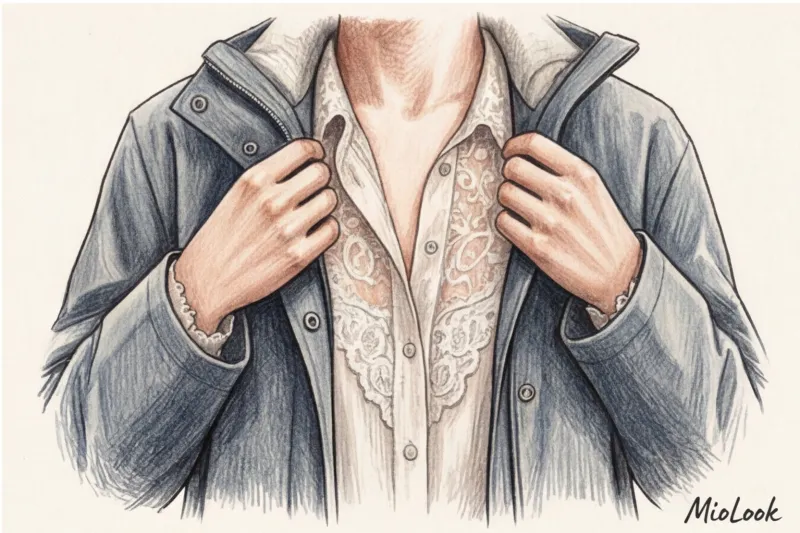
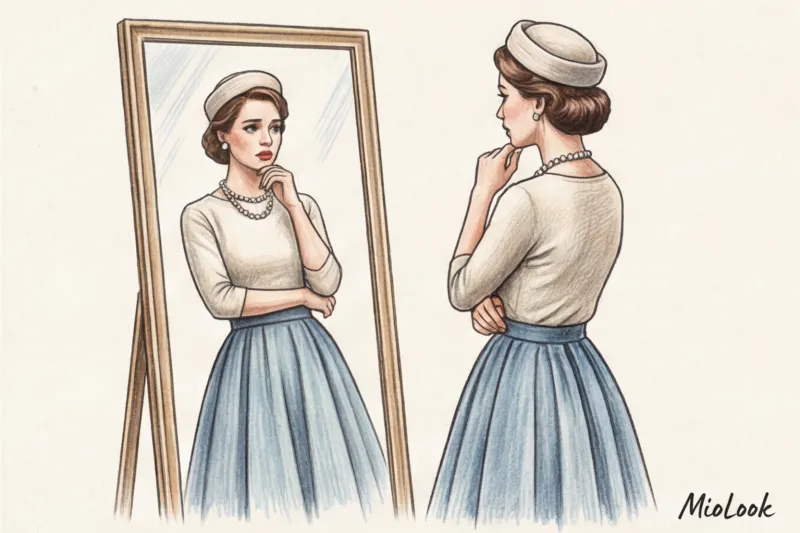
- The Treacherous 50s: Full midi skirts, fitted hourglass silhouettes (Dior's new look). Danger: the "Stepford Conservative's Wife" effect. How to wear: Never go for a total look. Wear a 50s skirt with a chunky, oversized hoodie (read the article for the secrets of layering). Hoodie with a jacket: a feminine look ) and sneakers.
- Romantic 70s: Floral maxi dresses, fringe. Danger: The line between stylish boho and a Woodstock hippie outfit is a fine one. How to wear: Ground flying fabrics with heavy combat boots and strict geometric glasses.
- Strict 90s: An ideal investment. Minimalism from Prada, Jil Sander, and Helmut Lang. This decade now looks fresher and more relevant than many contemporary collections.
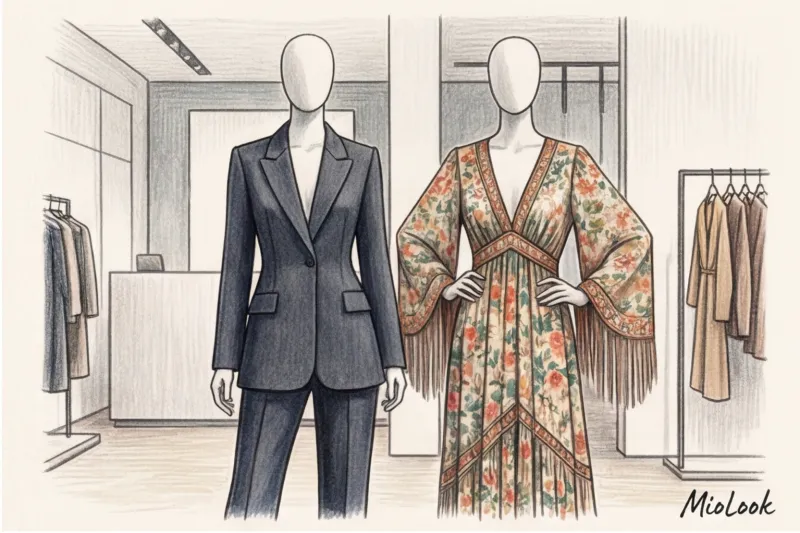
I had a revealing case in my practice. I was approached by a client who was the CEO of a large IT company. She needed a prestigious, yet not boring, business wardrobe. We integrated a vintage Jil Sander men's jacket from the late '90s into her wardrobe. Paired with a silk top and modern wide-leg trousers, it created a sensation at the boardroom. No one realized it was a piece from the last century—it looked so clean and architectural.
Accessories as an anchor of modernity: shoes, bags, and eyewear
A common mistake I see beginners make during wardrobe reviews is trying to match a period dress with "historically accurate" shoes. You bought a 1940s silk dress and are looking for round-toe Mary Janes to go with it? Stop. That's a direct route to the costume department for a period film.
The main rule of a stylist: never wear vintage clothes with vintage shoes.
Modern accessories are your main anchor in the 2020s. Chunky dad sneakers, Vibram-soled trekking boots, or grunge-inspired boots will instantly take the edge off a "granny" dress. If you prefer heels, choose shoes with an exaggeratedly pointed, square toe, or unusual architectural heel.
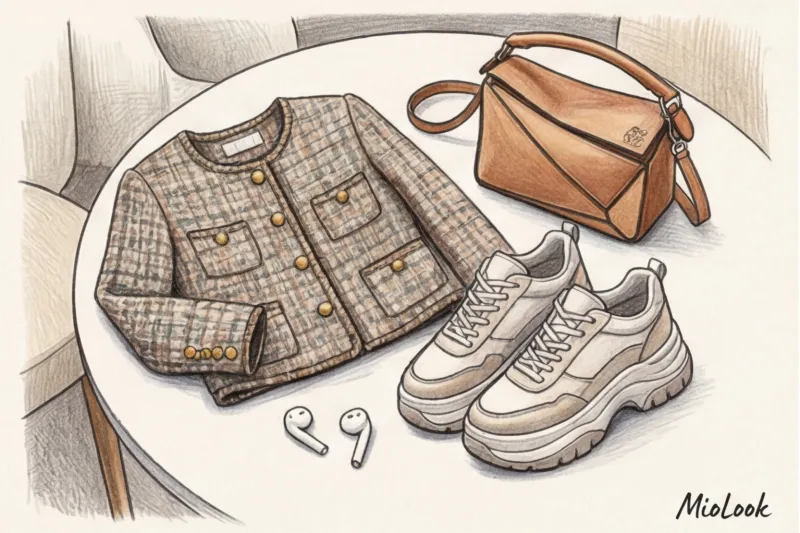
The same goes for bags. Save those soft vintage reticules for collecting. In real life, complement vintage clothes with bags in crisp, crisp, geometric shapes from modern brands (learn more in our guide). The Perfect Bag: A Stylist's Guide ). If you have difficulty finding a combination, try loading things into MioLook — a smart algorithm will help to collect a balance of invoices.
Common Rookie Mistakes: How to Avoid Turning Vintage into a Theatrical Costume
Even the perfect archival item can be ruined by improper presentation. Here are three taboos to keep in mind:
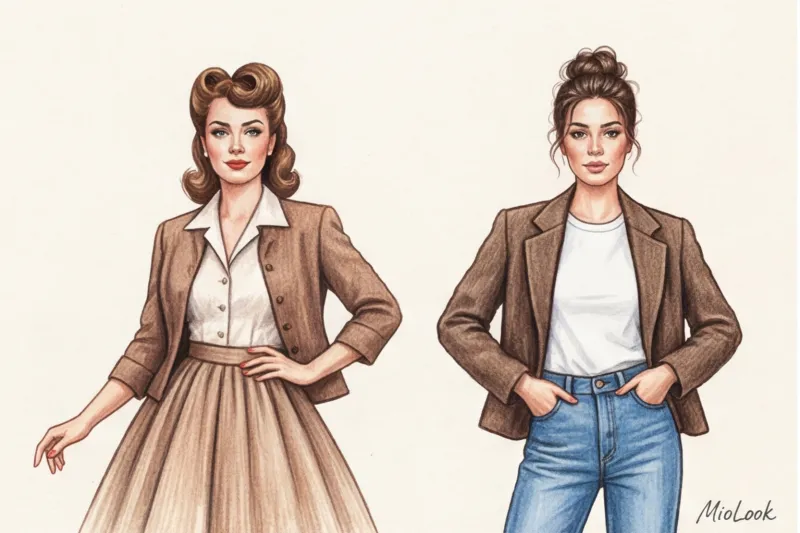
- Time machine effect (vintage hairstyle for a vintage outfit). Wearing a '70s-style dress? Keep your hair as casual and modern as possible—wet look, sleek bun, or slightly tousled. No backcombing or Farrah Fawcett-style curls. Makeup should also be on point: glowing skin and a "no-makeup" look work better than winged eyeliner and red lipstick from the '50s.
- Ignoring the state of a thing. A distinctive "chest smell," yellowed hardware, or out-of-place elbows can ruin any chic look. Vintage should look well-groomed.
- Preservation of obsolete design details. Sometimes vintage need to Alter. The huge foam shoulder pads on blouses from the '80s often become misshapen over time. Take the item to a reputable tailor: replace the shoulder pads with modern ones or remove them completely, and adjust the darts to your figure.
Fair Limit: This rule doesn't apply if you're holding a haute couture museum piece or a rare designer piece from before the 1960s. Any tailoring intervention will destroy the investment value of such a piece. But if it's a high-quality mass-market piece from the '80s or '90s, feel free to adapt it to your own tastes.
Ready to get started?
Organize your wardrobe and discover unexpected combinations of old and new pieces with a smart planner. No commitment.
Get access — €0.99 onceChecklist: 5 steps to incorporating vintage into your business look
Integrating archives into a corporate environment (especially in offices with a conservative or business-casual dress code) requires meticulous precision. Go through this checklist before you go:
- Appropriateness rating: Save the bright 70s prints for Friday. For formal negotiations, choose solid wool, tweed, or heavy silk.
- Checking for "freshness": Your makeup and hair should scream that you live in the present moment.
- Proportion control: The fit of older pieces varies. Pants from the '80s can be too tight in the waist and too wide in the hips by today's standards. Make sure the silhouette doesn't flatter your figure.
- Deodorization and dry cleaning: This is a basic respect for colleagues. If dry cleaning is prohibited (for example, for complex embroidery), use ozonizers.
- Micro-integration: If you're afraid to start with large shapes, start with details. For example, instead of using classic shapes, try tie a vintage scarf beautifully on the strap of a modern Apple Watch or weave it into a casual braid.

Conclusion: Archives as your personal stylistic signature
Knowing how to wear vintage is the ultimate sign of a high fashion IQ these days. In a world where fast fashion brands churn out millions of identical dresses a week, archival pieces are becoming a true luxury. This is your legitimate way to break away from the tacky style culture and create a wardrobe that can't simply be "copied" from a mannequin in a shopping mall.
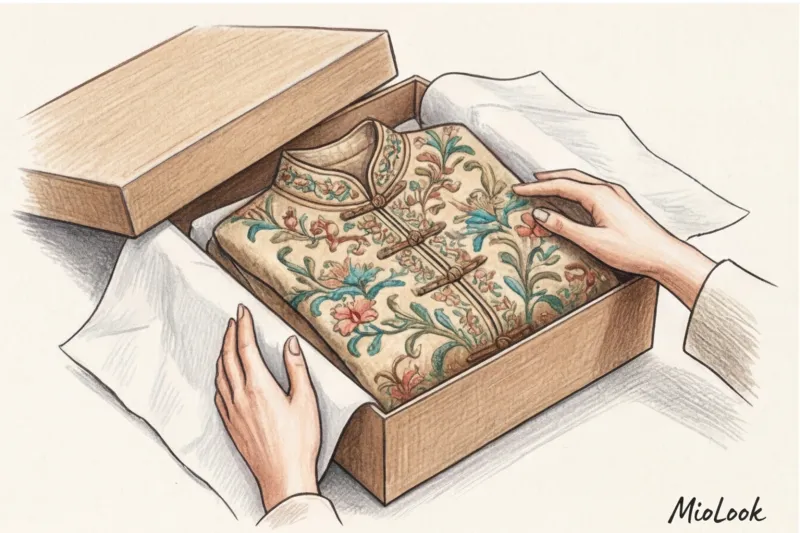
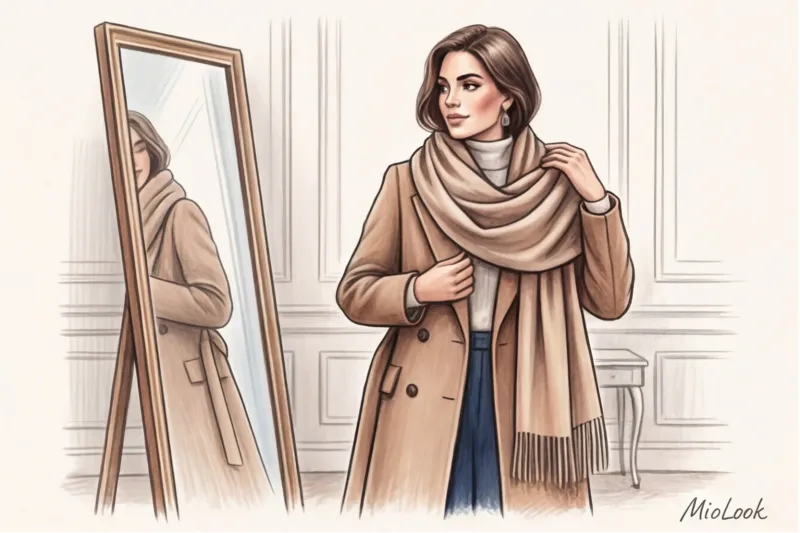
Don't try to buy a wardrobe from past decades right away. Start small: find the perfect men's jacket from the '90s, buy a silk Hermès scarf at a resale store, or try a chunky '80s brooch on the lapel of your most ordinary modern coat. Balance the respect for the piece's history with your personal contemporary reality. Vintage should serve you, not you.