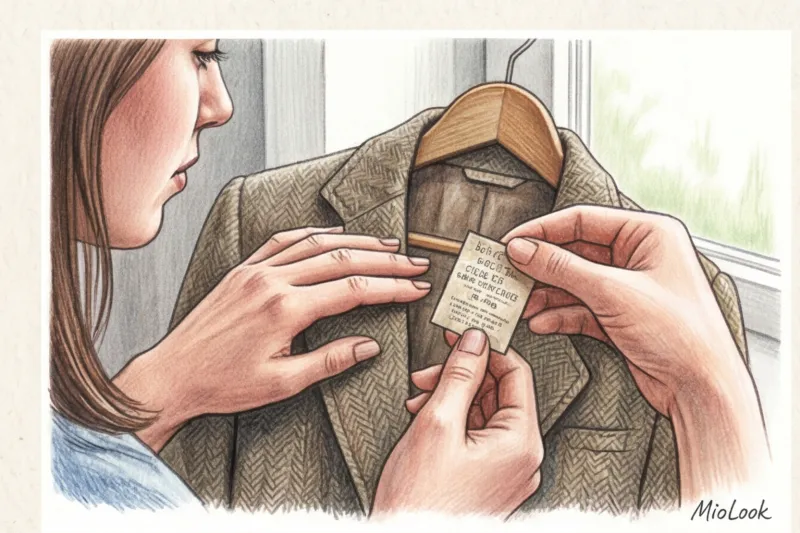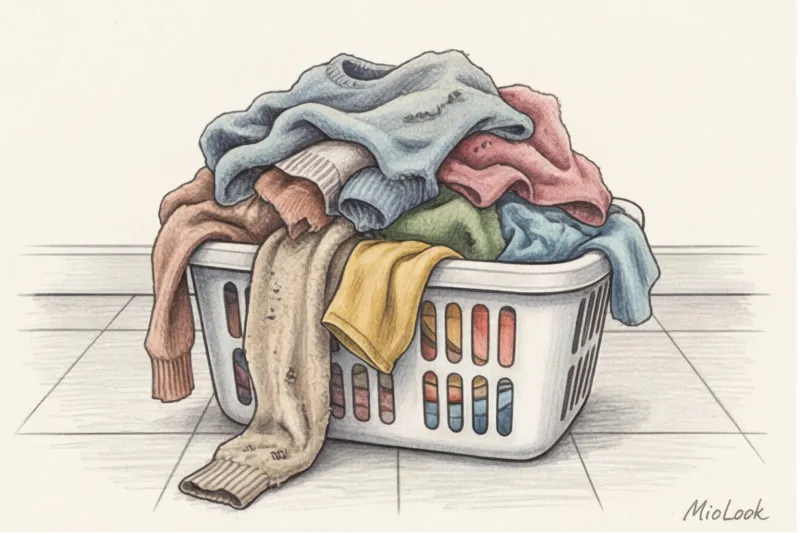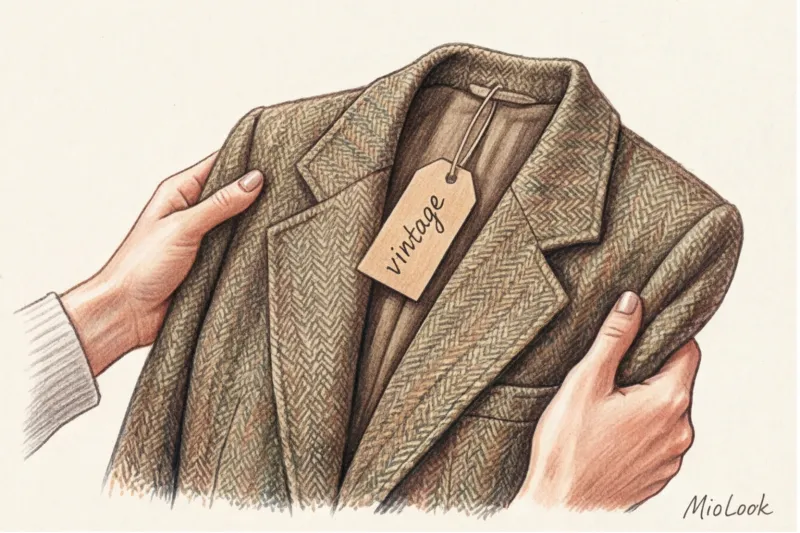
I remember that moment well. A few years ago, in Paris, I found the perfect '80s Dior jacket. Impeccable cut, heavy wool, a fit you wouldn't find even in luxury today. But the moment I brought it to my hotel room, the space instantly filled with the sharp, acrid scent of a chemistry lab. Sounds familiar, doesn't it? What many mistakenly call the "smell of age" or "someone else's" actually has nothing to do with the item's previous owner.
We talked more about the art of searching for vintage in our The Complete Guide to Thrift Store Shopping: How to Find the Pearls But finding a diamond is only half the battle. It needs to be cut correctly.
Today we'll explore a question that concerns every conscious fashion enthusiast: How to remove the second-hand smell from clothes Once and for all. And no, we won't be discussing dubious folk advice. As a fashion journalist and stylist who works with vintage archives for glossy magazines, I'll share with you professional fiber cleaning protocols used by museum restorers and theater costume designers.
Organize your vintage wardrobe
Try MioLook for free: A smart AI stylist will find the perfect combinations for your vintage finds and modern essentials.
Get access — €0.99 onceThe Anatomy of Scent: Why Do Second-Hand Clothes Really Smell?
Let's turn to chemistry. The characteristic pungent plume is a cocktail of formaldehyde (formaldehyde) and methyl bromide. According to European sanitary regulations (in particular, the REACH directive on textile imports), these toxic gases are used at sorting facilities for total disinfection against bacteria, fungi, and insects.
Have you ever noticed how different items in the same store smell with varying intensities? It's all about the physics of fiber. Cheap modern polyester absorbs and retains chemicals three times more effectively than dense vintage cotton or wool. Synthetics act like a sponge, their pores closing around gas molecules.
"Wearing secondhand clothing without first decatizing it isn't just an aesthetic faux pas. It's a surefire way to contact dermatitis and allergic reactions. Formaldehyde must be completely neutralized before it comes into contact with the skin."
This is not a question of disgust, it is a question of basic safety and respect for your body.
The biggest mistake newbies make: why conditioners and perfumes only make things worse
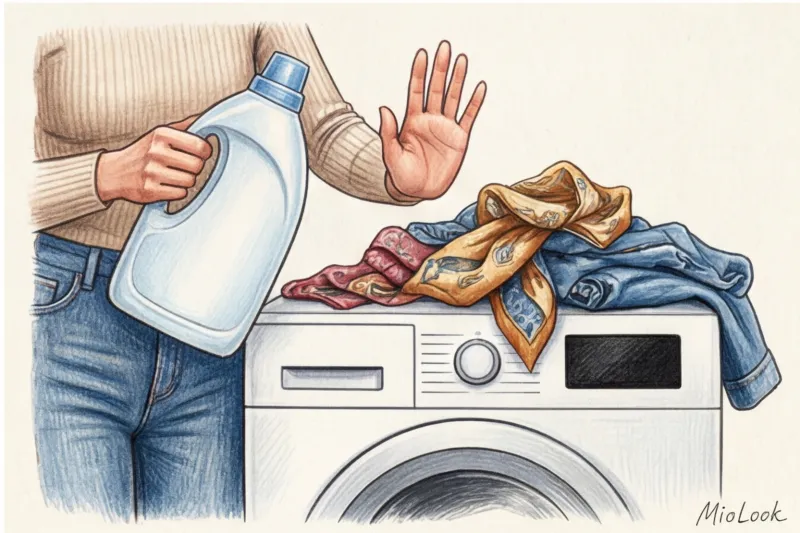
In my experience, eight out of ten clients who buy a vintage item for the first time make the same fatal mistake: they throw it in the washing machine, add triple the amount of fabric softener with the scent of "Alpine Meadows," and set the temperature to 60 degrees. The result? The item is irreparably ruined.
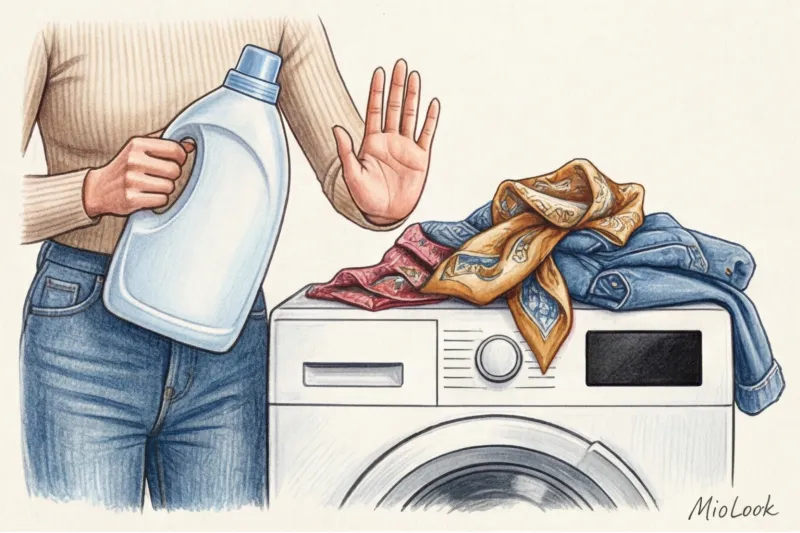
Why does this happen? Firstly, the fragrances in mass-market conditioners react chemically with formalin. Instead of neutralizing the fragrance, you get a suffocating, nauseating hybrid of chemicals and floral perfume. Secondly, there's a so-called temperature setting threshold. Any washing at temperatures above 40°C permanently “bakes” formaldehyde molecules into synthetic and blended fibers. The smell will remain with the item for the rest of its life.
In professional environments, there's a strict "zero cycle" rule: an item should always be cleaned of chemicals first (in a cool environment), and only then washed to remove dust and dirt. Incidentally, this same blank canvas principle applies when you decide How to look expensive using a budget wardrobe — the foundation must always be flawless.
How to remove second-hand smell from clothes: a basic washing procedure
This method is the gold standard for cotton, denim, viscose, and low-maintenance synthetic blends. It doesn't require expensive products, but it does require precise proportions. Forget the abstract "add a little"—chemistry thrives on precision.
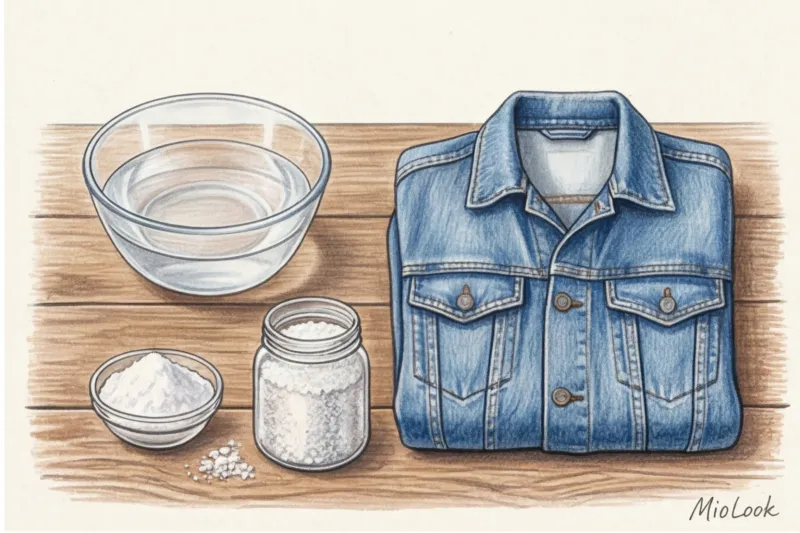
Step 1: Acid Neutralization (Vinegar and Salt)
Formaldehyde is alkaline, so we need an acid to break its bonds. Make the solution in a plastic bowl (avoid metal, as it can oxidize):
- 5 liters of cool water (not warmer than 30°C);
- 100 ml of regular table vinegar (strictly 9%, not essence!);
- 2 tablespoons coarse salt (works as a color stabilizer).
Immerse the item completely. The exposure time depends on the density of the fabric: 2 hours for thin viscose, 5-6 hours for heavy denim. The acid will gently break down the chemical film on the surface of the fibers.
Step 2: Alkaline Finish (Baking Soda)
After soaking, the item should be wrung out (without twisting) and thrown into the washing machine. This is where we perform a final cleaning:
- Set the delicate cycle at a temperature of exactly 30°C.
- Replace the classic loose powder with a liquid product (it washes out better).
- Add 50 grams (about 3 tablespoons) of regular baking soda straight into the drum on clothes.
It's best to dry such items outdoors. A breeze is the best natural neutralizer of residual molecules, which will dissipate the slight vinegar scent.
Your perfect look starts here
Join thousands of users who look flawless every day with MioLook. Add your cleaned-up vintage finds to your virtual wardrobe.
Get access — €0.99 onceSpecial Forces for Delicate Fabrics: Saving Vintage Silk, Wool, and Cashmere
The basic algorithm described above is absolutely It doesn't work For protein fibers. If you soak vintage silk or cashmere in vinegar, the acid will simply burn the fabric, leaving it brittle and dull.
One night before an important magazine shoot, I received a stunning Yves Saint Laurent silk blouse from the '80s. It smelled like it had been in formaldehyde for a year. Vinegar was out of the question. What did we do?
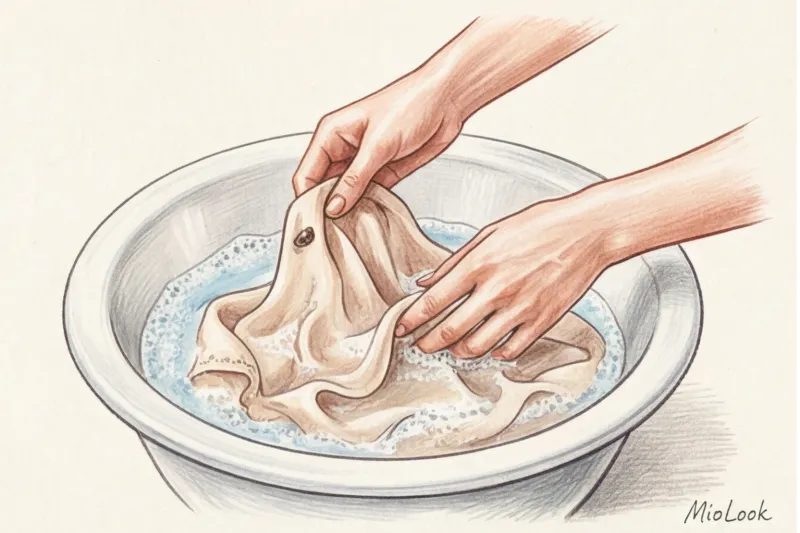
To save silk and fine wool use neutral hair shampoo Silicone-free (ideally, baby-safe) and ice-cold water. Protein fabrics are structurally similar to human hair, so the shampoo gently washes away chemicals without damaging the hair's cuticle. Hand wash only, using gentle pressure.
But for thick cashmere there is a secret weapon - cold freezing Place a dry cashmere sweater in a cotton bag and place it in the freezer for 24-48 hours. Extremely low temperatures kill bacteria and physically destroy the chemical odor crystal structure. After defrosting, simply air the sweater out on the balcony.
Dry methods: caring for coats, jackets and leather jackets
The biggest headache for a stylist is structured garments. Jackets with shoulder pads, coats with interlining, leather jackets. They absolutely must not be soaked: water will distort the adhesive materials, and the garment will lose its shape forever.
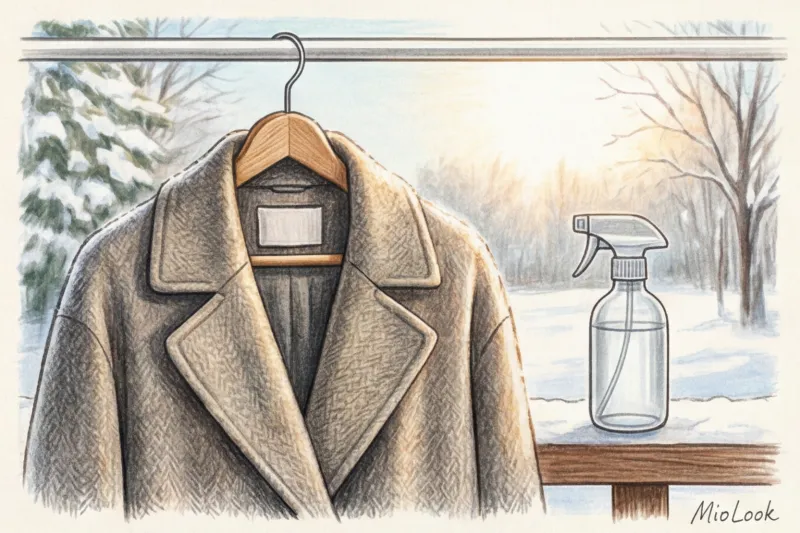
Theatrical Trick: Vodka Instead of Dry Cleaning
I learned this secret from the costume designers at the Guild of Theatre Costume Designers, who work with multi-layered historical costumes. To neutralize odors, they use the cheapest vodka without additives or glycerin.
Pour vodka into a very fine spray bottle. Turn the jacket or coat inside out and spray the alcohol evenly onto the lining, paying particular attention to the armpits and collar. Alcohol is an excellent solvent. As it evaporates, it literally captures formaldehyde molecules. Vodka leaves no stains on the silk lining or alcohol residue after drying.
Closed-space method: coffee and skin sorbents
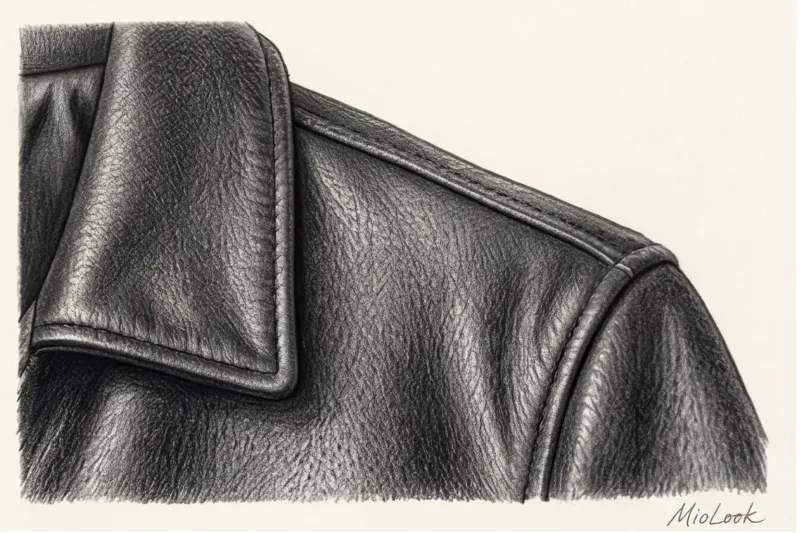
Leather absorbs chemicals instantly, but it shouldn't be washed or sprayed with alcohol (it will dry out the leather). The "matryoshka" method works here.
Place the leather jacket in a large, airtight bag (a vacuum-sealed storage bag will do). Add several cloth bags containing active sorbents. These can include freshly ground cheap coffee, crushed activated charcoal, or silica gel (fragrance-free cat litter). Seal the bag for 3-5 days. The sorbents will draw the chemical odor out of the leather pores in a completely dry and safe manner.
Checklist: 5 Steps to the Perfect Odor-Free Vintage Wardrobe
So, you've returned from a successful shopping trip. What next steps should you take to avoid ruining the atmosphere in your home and maintain the quality of your items?
- Composition analysis. If you're looking at 100% acrylic or cheap polyester with a strong odor, it's best to avoid it. The risk of the odor not completely dissipating is too high.
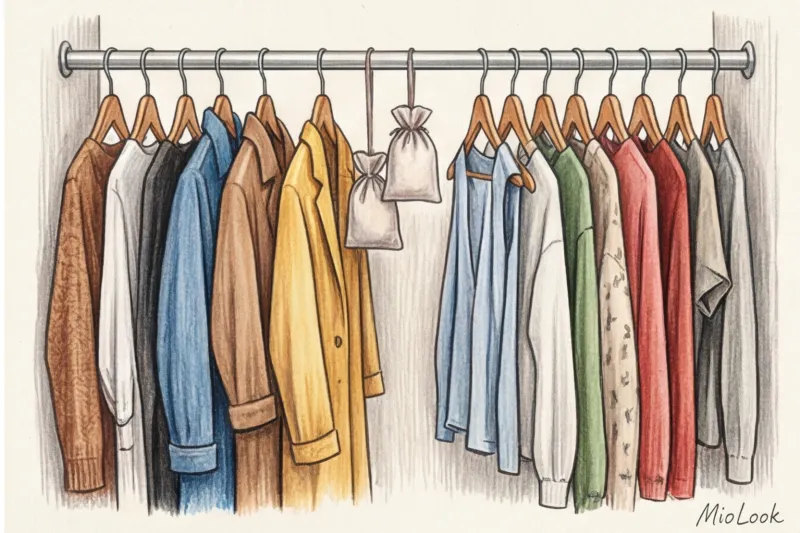
- Rigid insulation. Never put freshly purchased second-hand clothes in a closet with clean clothes. The formalin smell is volatile and will easily transfer to your favorite clothes. business leather bag or silk blouses.
- Air baths. Before any water treatments, hang the item in a draft (on a balcony or near an open window) for at least 24 hours. Allow the first wave of gas to escape.
- Dye fastness test. Before soaking in vinegar, apply a drop of the solution to an inconspicuous inner seam. Vintage dyes (especially from the 1960s and 1970s) can be unpredictable.
- Correct aromatization. The use of aromatic sachets (lavender, cedar) or drops of your favorite perfume is acceptable. only after complete neutralization of chemicals.
Ready to get started?
Try the MioLook plan for free—no commitments required. Create your perfect capsule collection of new and vintage pieces in just one click.
Get access — €0.99 onceStylist's Resume: Is It Worth the Candle?
I often hear the question: "Camilla, why spend two days soaking in vinegar, freezing, and airing out an old wool cardigan when you can just buy a new one at a mass-market store?" My answer is always clear: for uncompromising quality.

Incorporating vintage into the wardrobes of top executives and businesswomen, I see how their attitude changes when it comes to pieces with a history. Fabrics that were made 20-30 years ago (pure heavy silk, genuine virgin wool, thick denim) are now found only in the high-end luxury segment. Spending a weekend properly decating a piece is a small price to pay for owning a unique, perfectly-fitting piece that will outlast all the latest trends.
Vintage is the choice of the intellectual elite. And proper care is a meditative ritual that makes a piece truly yours.