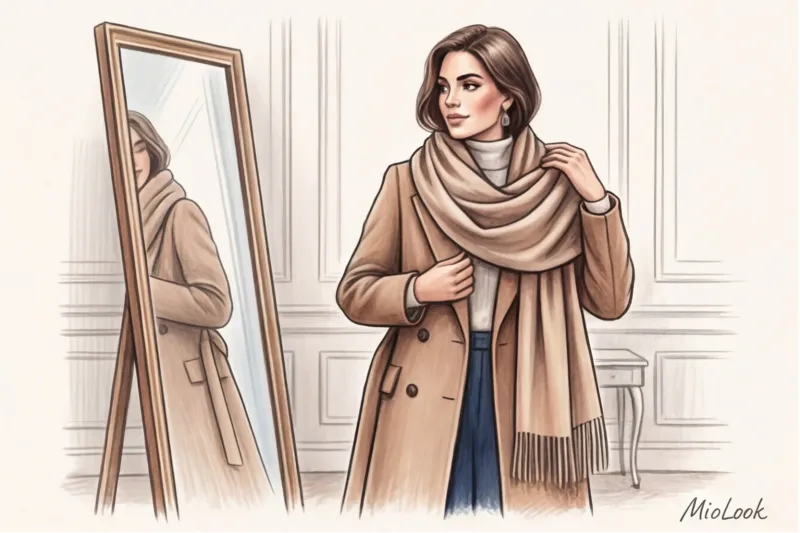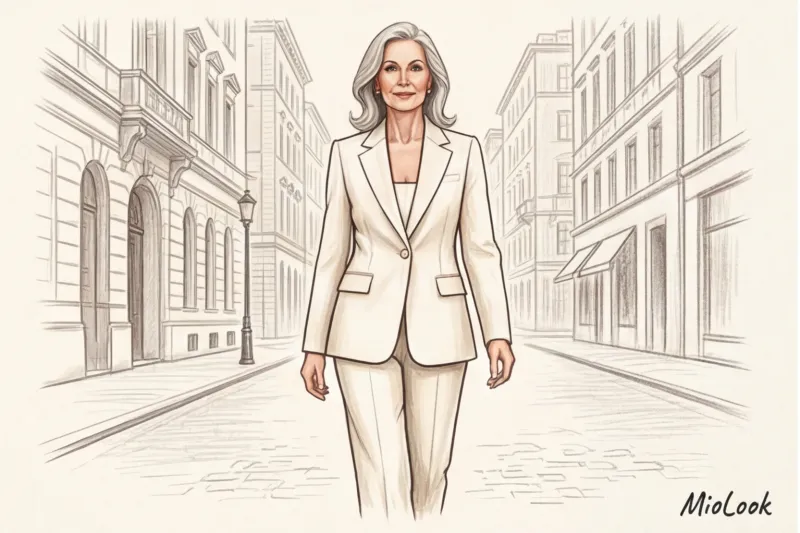
One day, Anna, a top manager at an IT company, came to me for a consultation. She had spent around €2,000 on a luxurious wardrobe of cashmere and silk in exclusively beige, powder, and sand shades. The clothes were impeccable. But when she put them on, something strange happened: her face began to look tired, her eyes lost their brightness, and her entire appearance, instead of the expected status, conveyed illness. “Why do I look like a moth, even though I paid for this fortune?” she asked. And this question brings us to the biggest mistake women make when trying to master quiet luxury style.
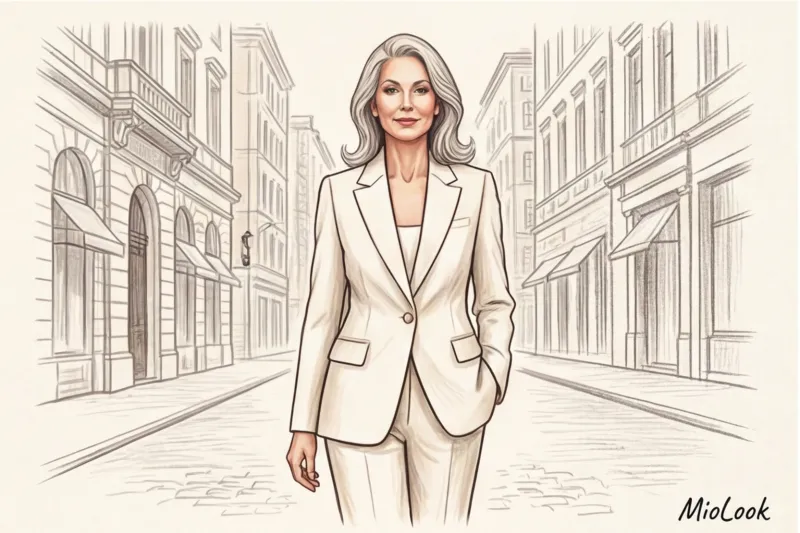
I'm Darina Marchenko, a stylist and colorist with 12 years of experience. And today I'll prove to you that the Old Money aesthetic isn't just a mindless purchase of logo-free beige sweaters. It's a subtle play with cut architecture, texture density, and deep, complex colors. We've already covered the basic rules of high-status looks in our The complete guide to looking expensive as you age Now let's break down the anatomy of this phenomenon down to the smallest details.
The Anatomy of Quiet Luxury: More Than Just the Absence of Logos
According to WGSN's 2024 analysis, the global trend toward "visual calm" has finally supplanted logomania. People are tired of fast fashion and flashy brands. Today, true status is whispered, not shouted.
But what exactly is he whispering? When I work with female executives, I always point out wardrobe architecture The quiet luxury style is based on how a garment shapes your silhouette. These aren't soft, shapeless robes. These are clothes that hold their shape and, as a result, visually "pull you together."
The psychology of perception works flawlessly: a visually calm, geometrically precise image is perceived by others as a marker of confidence. A person wearing such clothing doesn't need to prove anything to the world with a full-chested Gucci logo.
Your perfect look starts here
Join thousands of users who look flawless every day with MioLook. A smart AI stylist will help you create stylish capsule wardrobes from your items.
Get access — €0.99 onceThe Biggest Old Money Myth: Why You Don't Have to Wear Only Beige
Let's get back to my client Anna. Her problem was that pure beige (especially with warm undertones) mercilessly "eats" the contrast of the Slavic complexion. If you have fair skin with a pinkish or olive undertone, light brown hair, and low-contrast eyes, a total nude can simply age you.
The main myth of the Old Money aesthetic is that it is a style of exclusively light colors. In fact, true luxury lies in complex shades.
"A complex color is a color that can't be described in a single word. It's not just "blue," it's the color of the night sky with a hint of gray. It's these mixed pigments that absorb light, making the fabric appear deep and expensive."
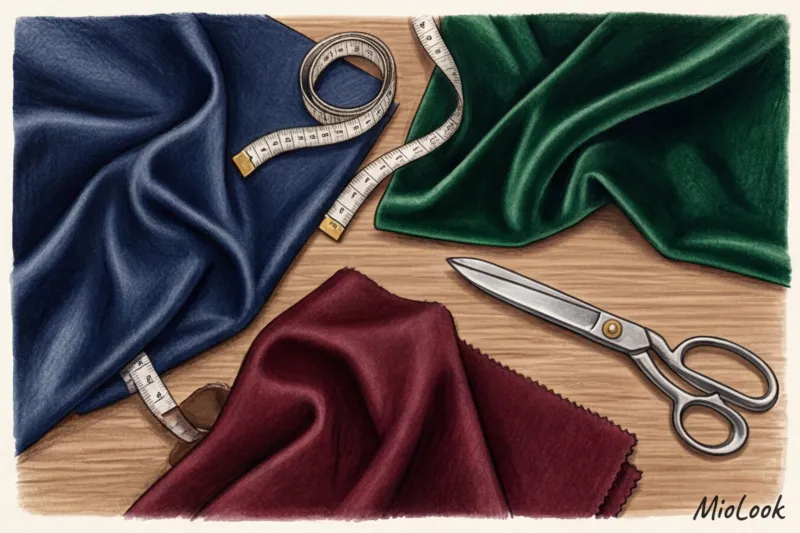
Dark, rich tones on high-quality fabric always work in your favor. They create that perfect contrast that makes your face look fresh and your look aristocratic. However, there's a key caveat: deep colors look stunning in the office or at evening events, but they can look heavy and out of place on a relaxed beach vacation or sporty casual.
Sophisticated shades that are guaranteed to look expensive
- Dark chocolate color: The perfect alternative to boring black. Black often highlights wrinkles and shadows on the face, while deep brown (with a cool undertone) illuminates the skin.
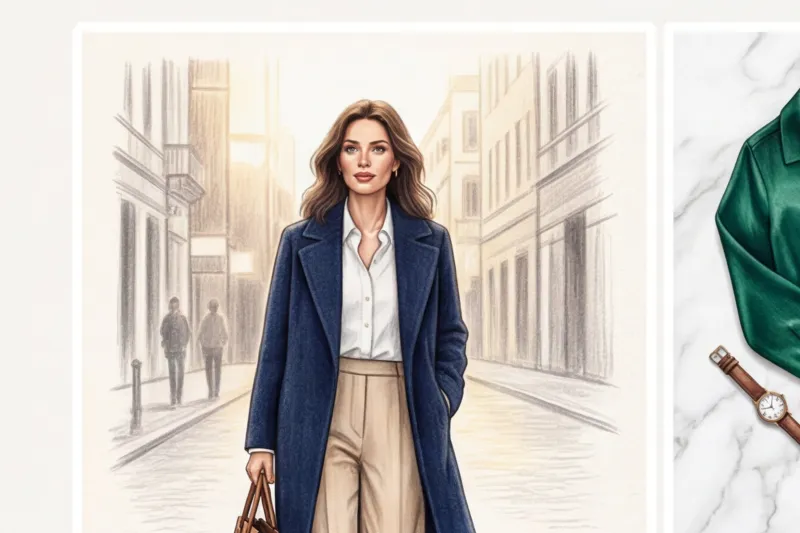
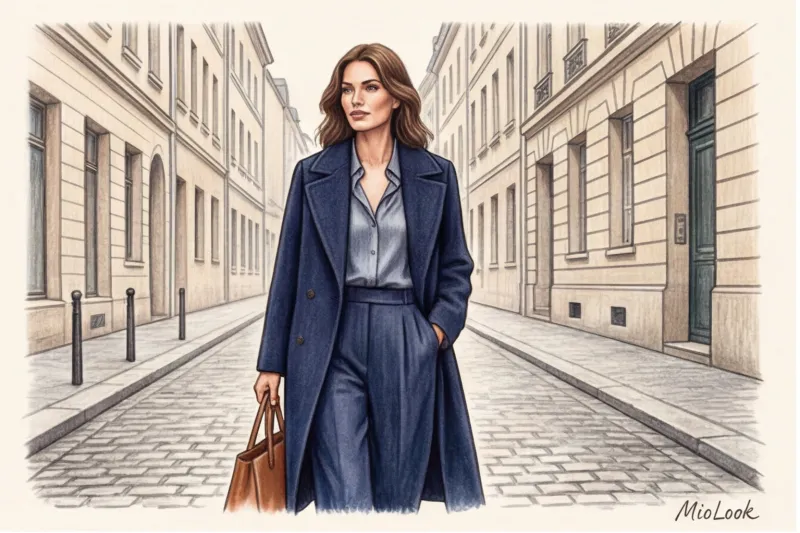
- Midnight blue: The most prestigious color for a business wardrobe.
- Deep Wine (Oxblood): A rich burgundy color without excessive redness. Looks great with leather accessories and silk blouses.
- Taupe: A taupe color that is the perfect, grown-up alternative to the usual beige.
Fabrics and textures: what physically underpins the quiet luxury style
Let's be honest: no matter how ingenious the cut, it won't save a garment made from 100% cheap polyester. Synthetics treacherously shine in the sun, become staticky, and attract all the dust within a meter.
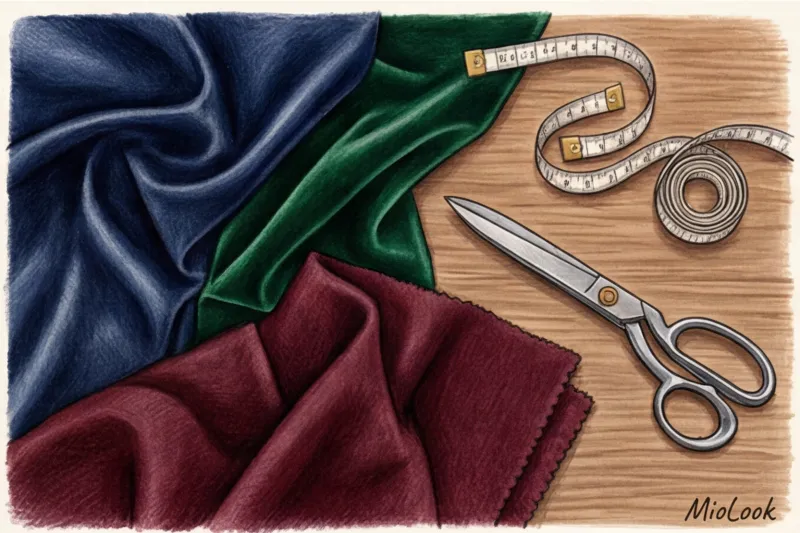
Does this mean we should only wear 100% natural fabrics? Not at all! This is another common misconception. Premium brands like Loro Piana or Brunello Cucinelli rely on long-staple cotton and complex twists, but casual brands like Massimo Dutti or COS mixed compositions - this is your salvation.
Adding 5–20% elastane, nylon, or polyester to wool or viscose is beneficial. In such microdoses, synthetic fibers act as reinforcement: they prevent trousers from stretching at the knees and a jacket from losing its shape at the shoulders.
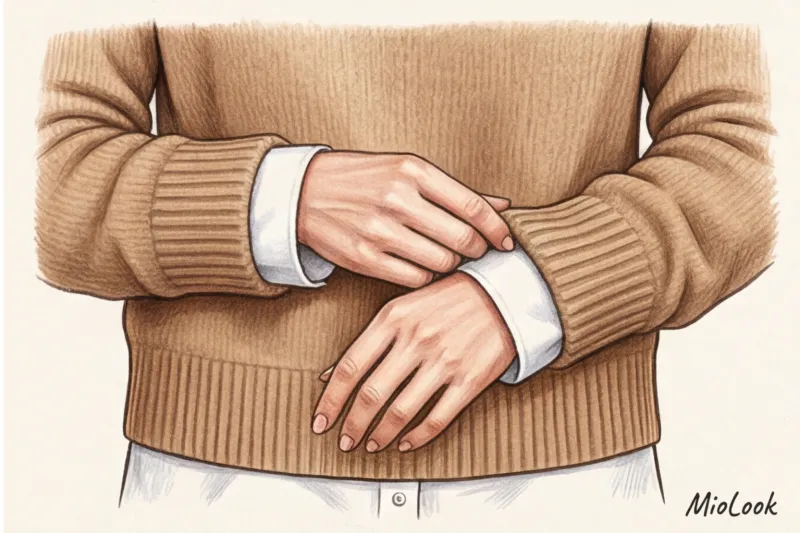
The Density Rule: Why Thin Fabrics Give Away Their Price
The quickest way to cheapen an outfit is to wear flimsy knitwear. You know those thin turtlenecks where the lace of your bra shows through and every fold of your waist is visible? Throw them in the trash right now.
The fabric density acts like a corset. Cotton with a density of 180 g/m² or heavy viscose conceals the skin's microrelief, creates a classy geometry, and falls in beautiful, large folds rather than fine ripples.
Organize your wardrobe wisely
Stop buying duplicates. Upload your wardrobe to MioLook and create an endless number of luxurious capsule collections from what you already own.
Create a virtual wardrobeInvesting Smart: 5 Things That Build the Old Money Foundation
For my clients I always count Cost Per Wear (Cost Per Wear) Imagine a 100% cashmere sweater for €300. You'll wear it at least 100 times over three seasons. The price per wear is €3. Now, take an acrylic jumper for €30. After five washes, it will pill, lose its shape, and you'll relegate it to the "cottage" category. The price per wear is €6. It's a paradox, but investing in quality means saving.
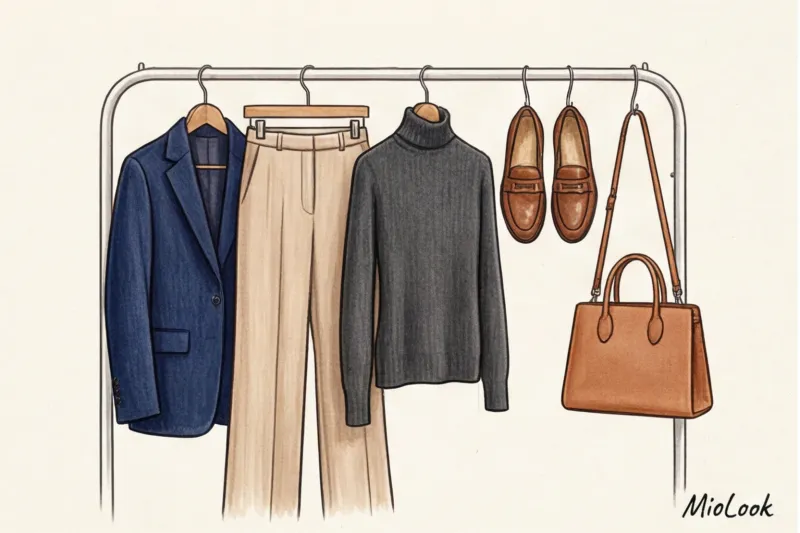
Here are the 5 pillars of the status capsule:
- Structured jacket with a perfect shoulder line. The fabric should be matte, with some wool mixed in. The shoulders should be clearly defined (even if slightly oversized).
- High-waisted palazzo pants. Made from dense suiting fabric that flows as you walk, creating heavy, straight lines.
- High-quality basic knitwear. A merino turtleneck or a loose V-neck jumper (in a tight knit!).
- Leather loafers with a rigid shape. Avoid soft, shapeless moccasins—they'll dull your look. Opt for structured shoes with a sturdy sole.
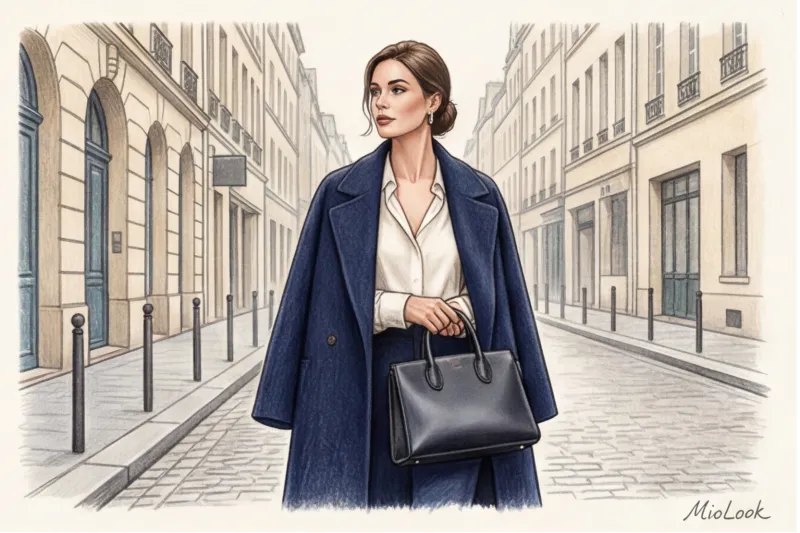
- Tote bag with rigid construction. No visible hardware, rhinestones, chains, and, of course, no logos. Just a clean shape and high-quality smooth or grained leather.
Markers of "cheapness": details that instantly destroy status
I often do blind tests of items in stores. I can close my eyes, feel the fabric and hardware, and pinpoint the price range with 90% accuracy. The devil is in the details.
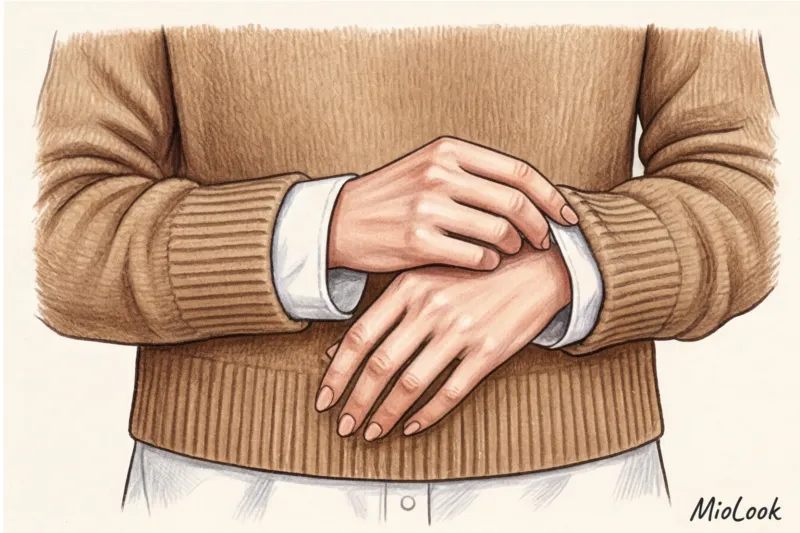
What immediately reveals the low cost of an item?
- Light, excessively yellow or shiny fittings. Plastic buttons that look like metal or snag zippers can ruin even a good cut. Replace the plastic buttons on a mass-market jacket with horn or metal ones (bought for a couple of euros at a tailor's) and the item will look three times more expensive.
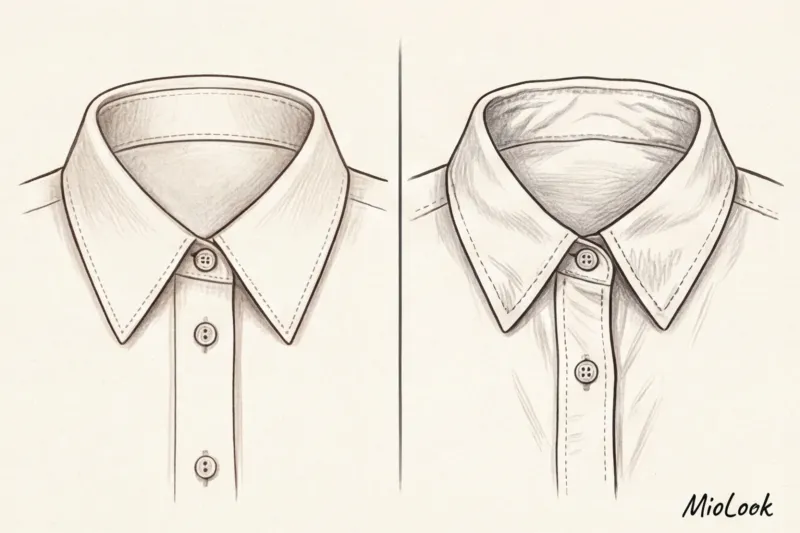
- Crooked lines and wrinkles on the seams. This is especially critical on jacket lapels and armholes. If the fabric in these areas is bunched up, it's a manufacturing defect in the thread tension.
- Cheap lining. It rustles, becomes electrified, and often peeks out from under the hem of a skirt or sleeves. The inside of an expensive garment is as beautiful as the outside.
- Unkempt shoes. Worn heels, creases in the leather, or frayed toes will ruin the look, even if you're wearing a vicuña coat.
Checklist: How to Transform Your Wardrobe into a Quiet Luxury Aesthetic in 3 Steps
Transitioning to Old Money style doesn't require you to throw everything away and spend your budget on new collections. It's a curation process. To make it easier, you can use image selection function in MioLook , which will help you algorithmize your combinations. For now, start with these three steps:
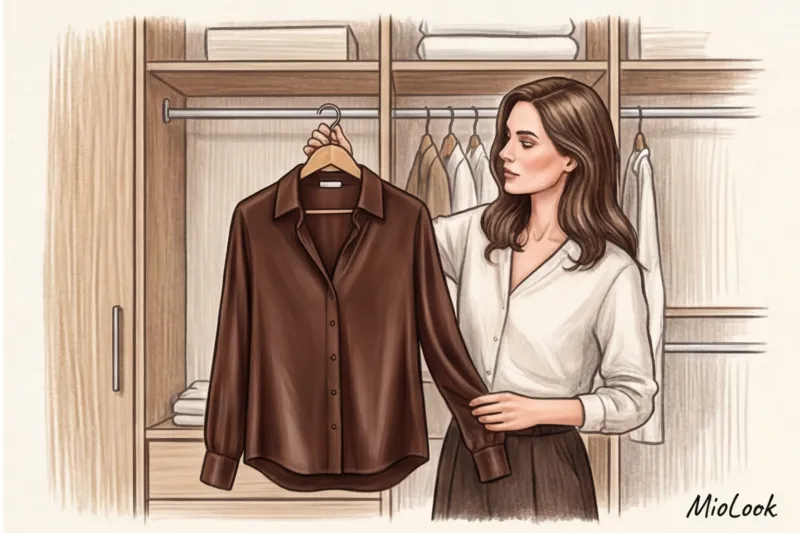
Step 1: Ruthless audit. Get rid of "tired" items. Sagging knees on pants, pilling on sweaters, misshapen T-shirt collars—all of this is visual noise. Keep only those items that retain their original shape.
Step 2: Building a personal palette. Choose two or three deep base colors that complement your contrast (e.g., dark chocolate, navy, and ivory). Avoid neon and other overly vibrant colors.
Step 3: Replace "fast" trends with architecture. The next time you're tempted to buy a trendy one-season blouse for €40, stop. Put that money aside. And in a month, buy a single, impeccably tailored basic shirt made of thick cotton for €80-120.
Quiet luxury isn't a competition of wallets. It's respect for yourself, your comfort, and how you convey your value to the world. Choose rich textures, deep shades, and the right cut, and you'll notice a change not only in your reflection in the mirror but also in the way people interact with you.