What is a face primer?
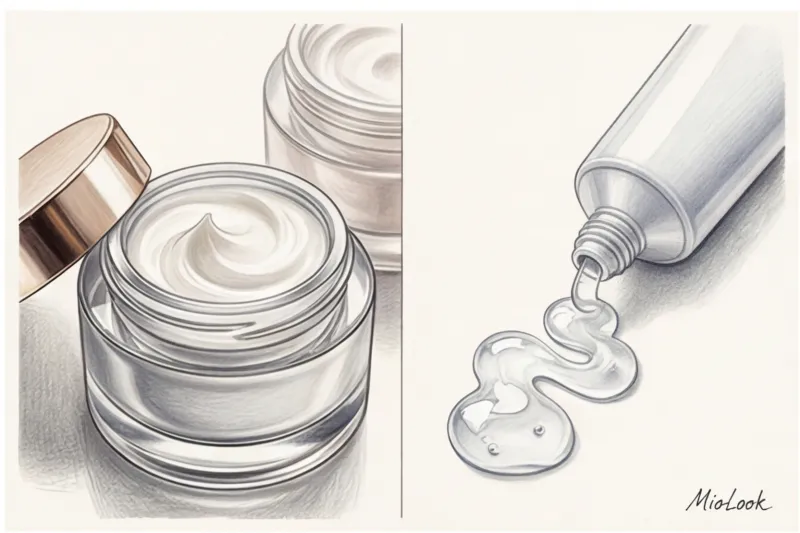
Primer A makeup primer is a cosmetic product applied to the skin after basic skincare and before foundation. Its primary function is to create a smooth surface between the skin and makeup. This ensures even distribution of the foundation and prolongs the wear of your makeup.
Primer prevents foundation from oxidizing when it comes into contact with sebum. It prevents pigment from settling into pores, settling into fine lines, and accentuating dry patches.
Depending on its composition, a makeup primer can perform additional functions. It can protect the epidermis from external influences, control sebum production throughout the day, or retain moisture.
Main types of primers
Mattifying bases They are made with silicones or absorbent components. They block shine in the T-zone and are intended primarily for oily or combination skin.

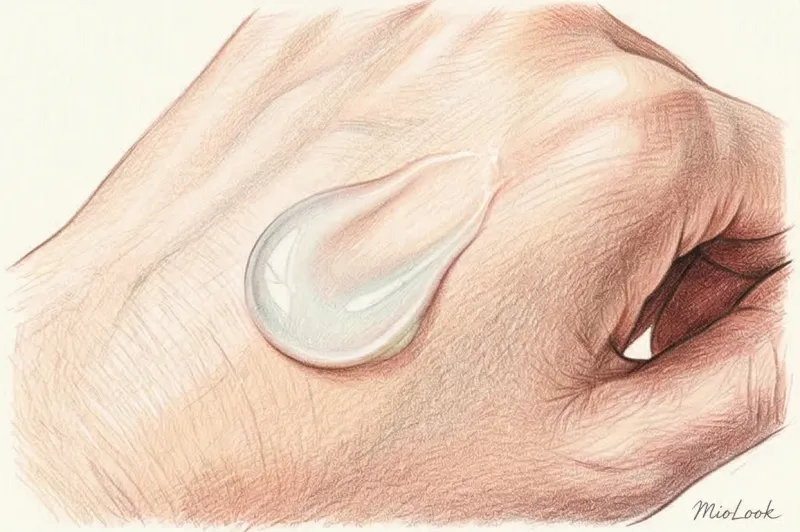
Moisturizing primers These water-based products contain hyaluronic acid, glycerin, or vitamin complexes. These products eliminate tightness and prepare dry, dehydrated skin for makeup.
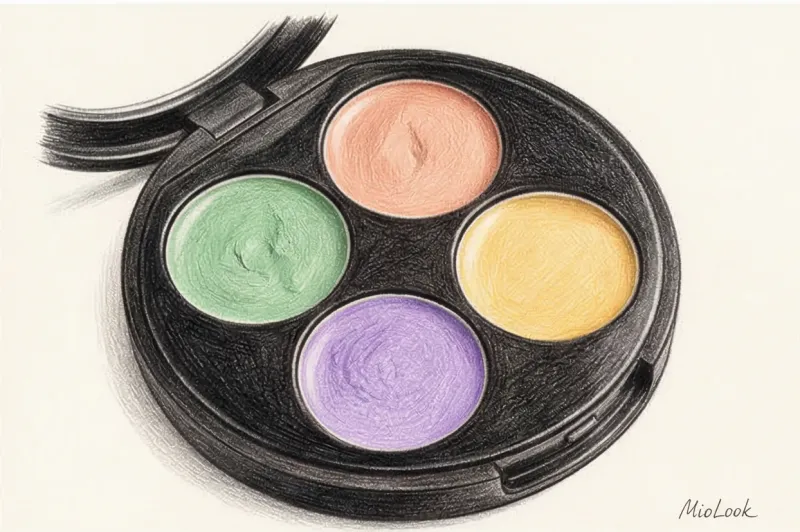
Color correction Color-correcting bases are lightly tinted to neutralize visual imperfections. The green pigment covers redness and rosacea, the violet pigment counteracts dullness and yellowness, and the peach pigment conceals pigmentation and dark circles.
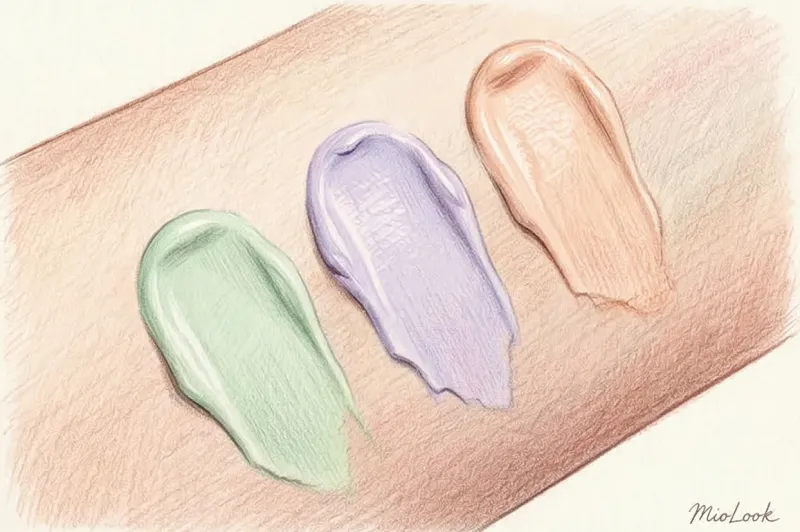
Rubbing Pore-filling primers have a dense texture that visually fills in enlarged pores and fine lines. They create a blur effect, smoothing the skin's microrelief.
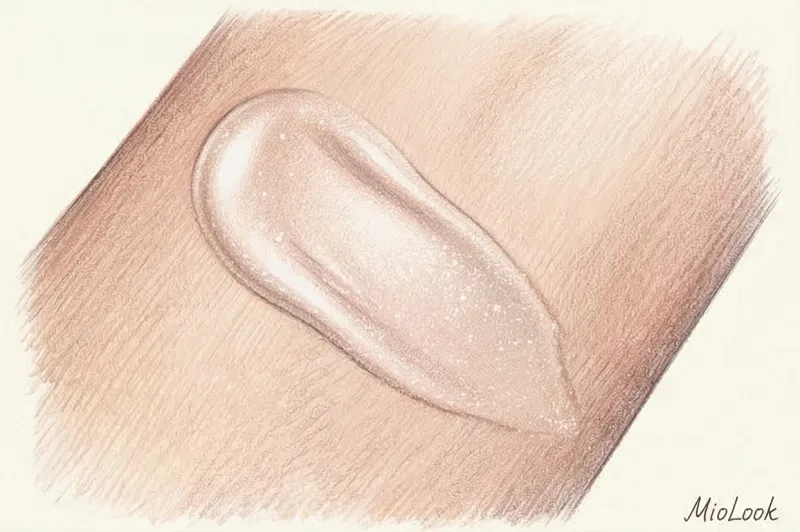
Illuminating Illuminating bases contain finely dispersed light-reflecting particles. They give the face a natural glow and a rested appearance, known as glass skin.
How to use primer
Apply the primer to clean skin after the daytime moisturizer has been fully absorbed. Typically, a 3-5 minute wait is required to prepare the skin.
The optimal amount of product for the entire face is a pea-sized drop. Excess product will not improve wear and will cause makeup to crease.
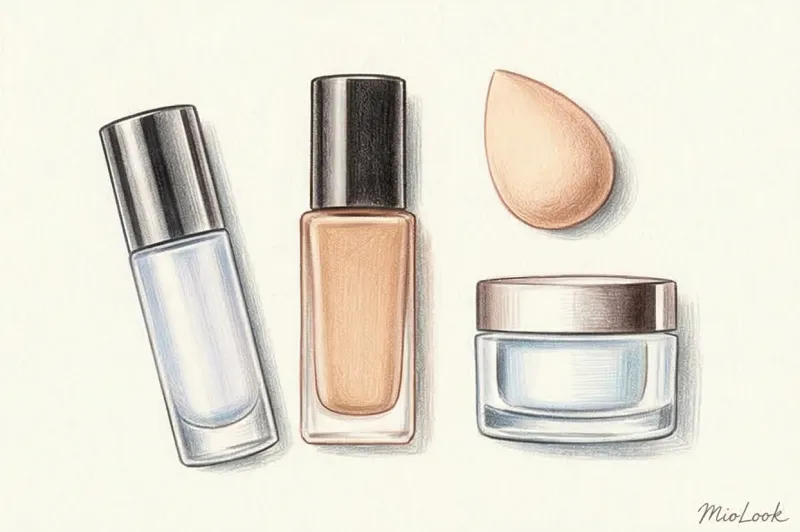
Apply the primer with your fingertips using light patting or smoothing motions, working from the center of the face outward. Pay particular attention to problem areas: the sides of the nose, forehead, and chin.
For a long-lasting result, it's essential to adhere to the texture compatibility rule. Silicone primers should only be paired with silicone-based foundations, while water-based primers should only be paired with water-based foundations. Mixing different formulas can lead to formula clashes and peeling.