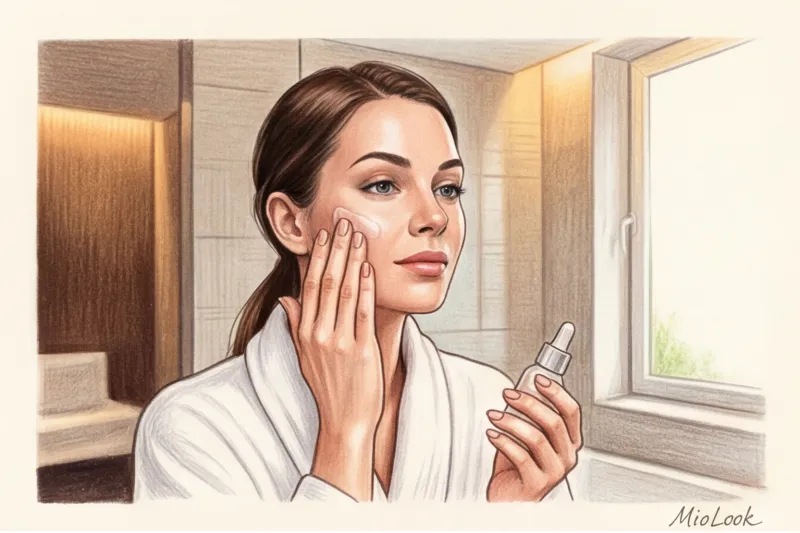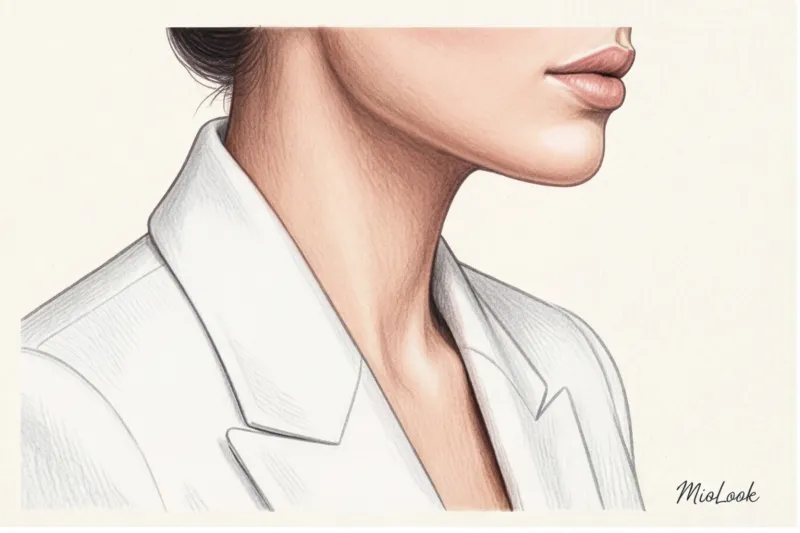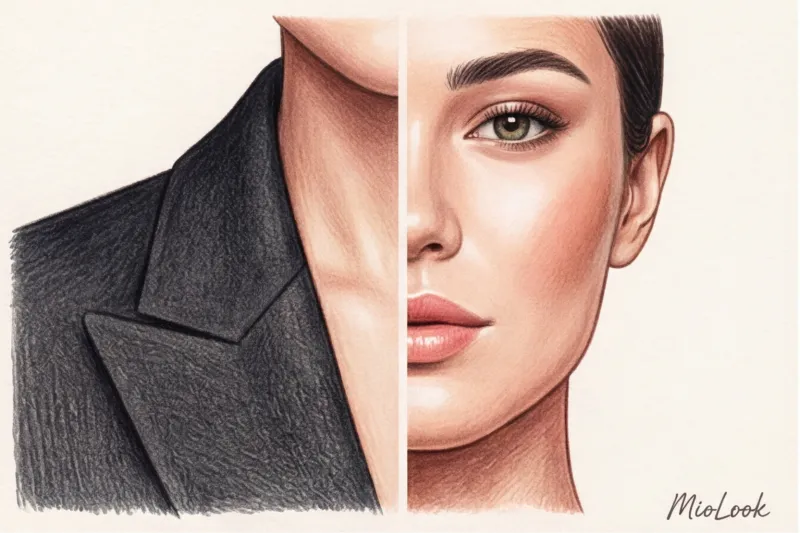
I'll tell you every stylist's worst nightmare: a 300-euro white silk blouse whose flawless collar, by the middle of the event, has developed a rusty, oily stain from foundation runoff. And the worst part is, the client spent two hours getting ready, but forgot one chemical detail.
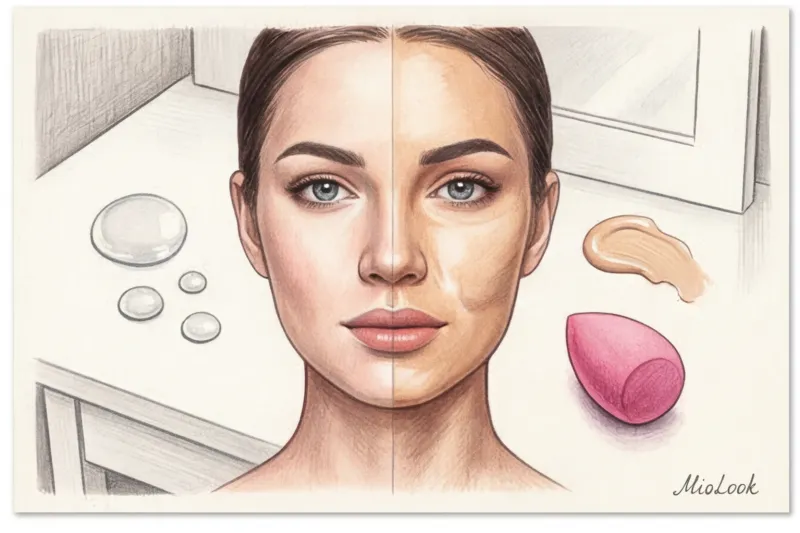
I often hear the question, How to make makeup last , but this topic is usually addressed by makeup artists and beauty bloggers. As a practicing stylist, I have a completely different focus. For me, a "washed-out" foundation isn't just an aesthetic blemish. It ruins your clothes, risks staining your partner while hugging, and instantly cheapens your look. You'll agree, even a perfectly tailored COS jacket loses its charm if you see traces of your powder on the lapels.
I talked in more detail about the architecture of the image for the 16-hour marathon in our complete guide. Wedding makeup: rules for a long-lasting festive look Today, we'll examine longevity as a rigorous engineering challenge. No magic, just the right layering, the right base, and protection for your wardrobe.
How to Make Makeup Last: Layering Chemistry, Not Just Fixative
The biggest misconception is that you can apply any moisturizer to your face, smear on some random foundation, and then just slather it all on with a setting spray. Spoiler: it won't work.
Makeup runs for one main reason: sebum reacts with the pigment and oils in your foundation. According to chemist Michelle Wong (PhD, 2023), oil-based foundation begins to oxidize and flake on oily skin after an average of 3-4 hours if there isn't a reliable chemical barrier between the sebum and the makeup. This barrier is your primer.
Longevity isn't a shell on the outside; it's a strong bond on the inside. If the base layer clashes with the top layer, your makeup will come off in patches, leaving dirty marks on the collar of your favorite shirt.
The Law of Compatibility of Bases: Water, Silicone, and Oil
If you want your makeup to stay put, you'll need to learn to read the ingredients on the labels. There's a golden rule of cosmetic chemistry: like attracts like.
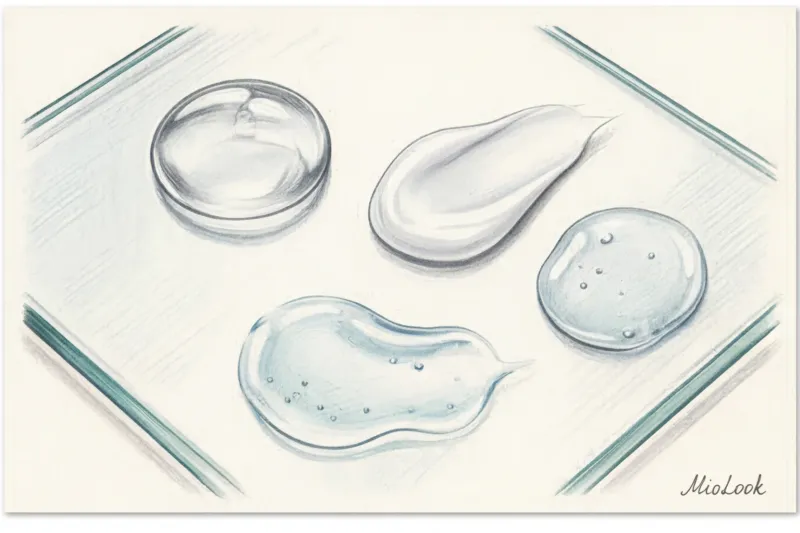
- Silicone bases (look for words ending in the first lines of the composition -cone or -siloxane , For example, Dimethicone or Cyclopentasiloxane ). They perfectly even out the texture, fill pores and create a matte barrier.
- Water bases (in the first place is Aqua/Water , Glycerin , Aloe Barbadensis Extract ). They moisturize and provide a light, lively coverage.
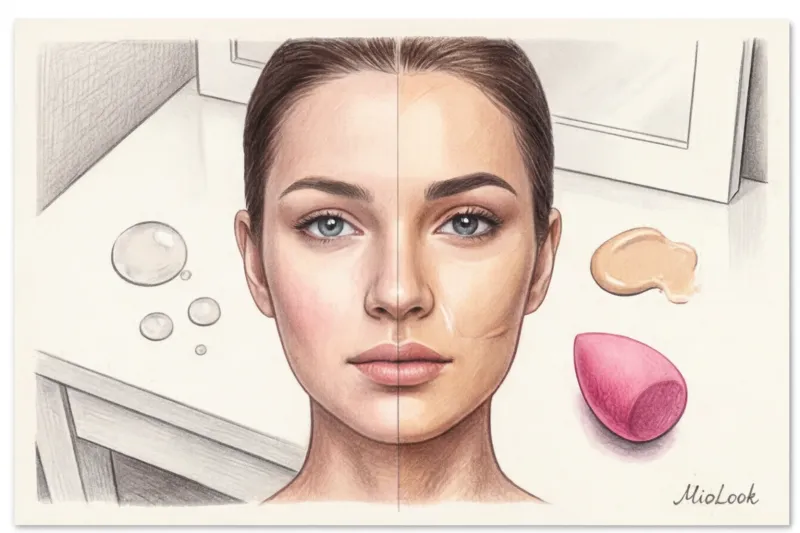
Now, the biggest mistake I see my clients make is applying water-based foundation over a thick silicone primer. What happens? The foundation literally starts to roll off into pellets, like eraser shavings. Water and silicone repel each other. Choose a base and foundation with the same base—only then will they blend into a single, monolithic layer.
The Best Makeup Bases: Preparing the Canvas
Primer works like double-sided tape between your skincare and makeup. But there's one major limitation that's rarely discussed honestly.
This is my categorical opinion: no primer in the world, even the most expensive, will work if your skin is flaky or overloaded with a thick, nourishing cream. Poor skin preparation negates the effectiveness of any foundation.
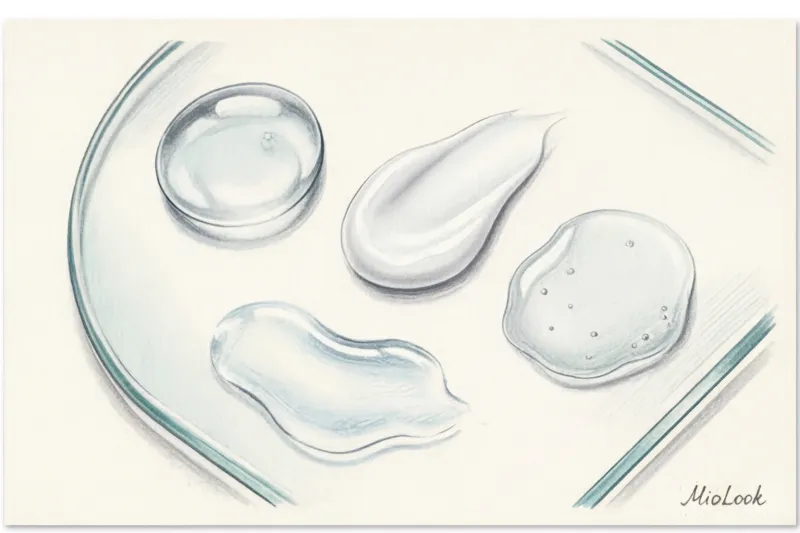
In my experience, 8 out of 10 women have combination skin. Using one primer for the entire face is a strategic mistake. I always recommend multi-priming Apply a mattifying gel (such as one with niacinamide) directly to the T-zone to control shine, and a moisturizing base to the dry areas of the cheeks to prevent the foundation from emphasizing wrinkles.
Rating of working bases: from mass-market to professional segment
You don't have to spend hundreds of euros on luxury products. The European market offers excellent options in various price ranges, which I've personally tested on my clients:
- Premium: Bobbi Brown Vitamin Enriched Face Base — the perfect balance of hydration and adhesion for normal to dry skin. It doesn't leave a greasy film.
- Middle segment/Prof: M A C Prep + Prime Skin Base Visage — a classic silicone base that literally blurs pores and holds the foundation in place.
- Budget analogues: Mattifying bases from KIKO Milano or NYX Angel Veil (a great dupe for the expensive Hourglass Veil Mineral Primer) - they do a great job of controlling shine for 15-20 euros.
Access to MioLook for €0.99 — one-time payment
A smart AI stylist will select the perfect look to complement your long-lasting makeup.
Get access — €0.99 onceThe Sandwich Technique: A Makeup Artist's Secret to Long-Lasting Makeup for Events
Last year, I was preparing the head of a large company for an important conference. The hot stage lights could melt any makeup in 20 minutes (by the way, if you often have to present, check out our article about business makeup for executives ). The Hollywood "sandwich" technique saved us.
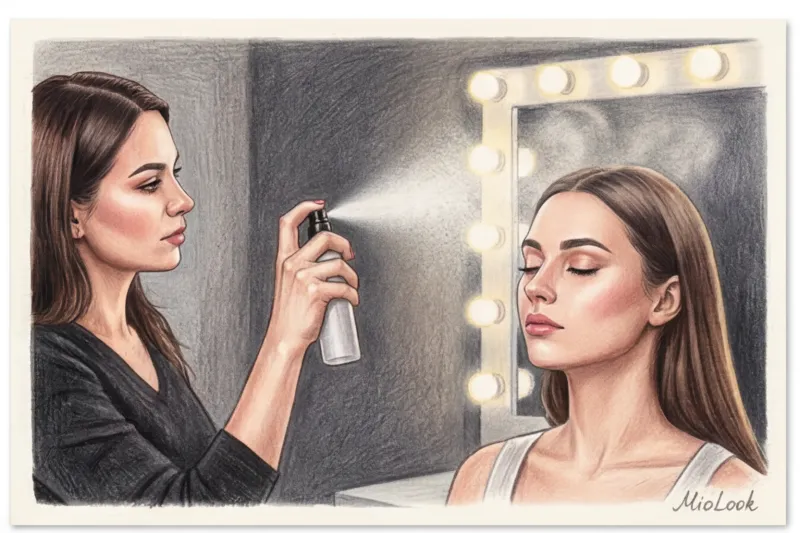
The point of this technique is to "glue" the fixative onto each stage of your makeup application, not just the final result. Here's the step-by-step algorithm:
- Care: Apply a light moisturizer and let it absorb (10-15 minutes). Blot away any excess with a dry cloth.
- First layer of fixation: Lightly spray your face with setting spray and let dry.
- Primer: Apply a suitable base in a thin layer.
- Tone (The Main Secret): Take a damp sponge, but don't just soak it in water—spray it with setting spray! Apply the foundation using a dabbing motion. This literally imprints the polymers into the pigment.
- Cream correction and powder: Apply concealer, lightly powder the T-zone (only light transparant powder).
- Final spray: Secure the result with a generous layer of fixative.
This method permanently eliminates the "layered cake" and mask-like effect on the face. The layers are chemically fused together.
Makeup Fixatives: Film-Forming Agents vs. Moisturizers
Now let's debunk one of the most harmful beauty myths: Thermal or rose water. does not fix makeup. Moreover, as water evaporates, it draws moisture from the upper layers of the skin, causing foundation to crack and flake.
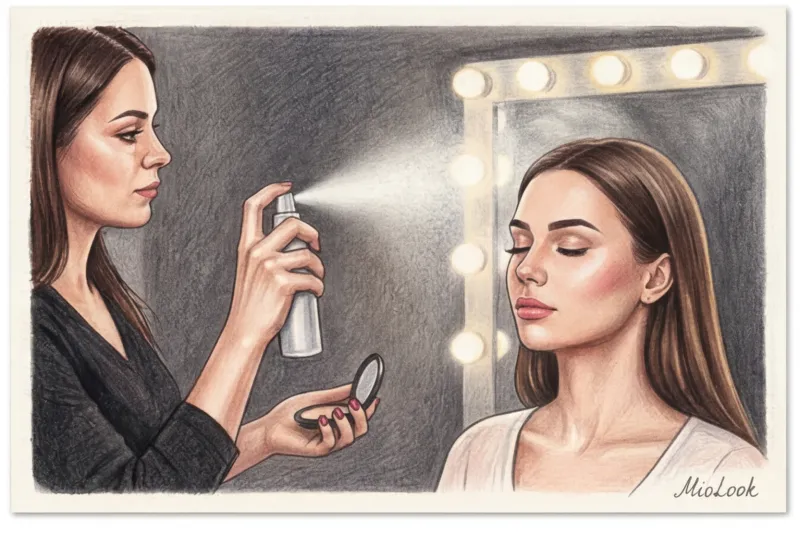
You need to clearly understand the difference between Setting Spray And Fixing Spray — in English these are two different products, although we often confuse them.
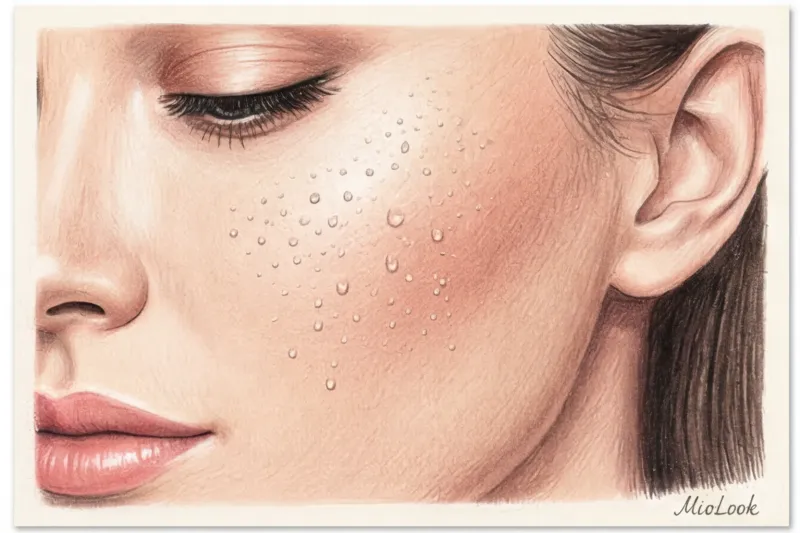
Setting Spray (styling spray or mist): Its purpose is to eliminate the "over-powdered peach" effect. It contains humectants (glycerin, aloe) that dissolve dry layers of powder and blend them with the foundation. The face looks fresh and vibrant. But it does not prolong durability.
Fixing Spray (real fixative): This is heavy artillery. In its composition, you will find polymers (for example, Acrylates Copolymer , PVP ) and cosmetic alcohol ( Alcohol Denat ), which is needed for rapid moisture evaporation. A study by the Cosmetic Ingredient Review expert committee (2022) confirms that these polymers, when dried, form an invisible, waterproof microfilm on the face that holds the pigment in place for up to 16 hours. This spray is what makes makeup resistant to friction from clothing.
Top Fixatives That Actually Work
- Gold standard: Urban Decay All Nighter Contains patented temperature control technology. This is the spray you can use to dance all night long, and your color will stay in place in the morning.
- For maximum armor: Charlotte Tilbury Airbrush Flawless Setting Spray It creates such a perfect polymer coating that brides can withstand hugs from hundreds of guests without leaving beige stains on their suits.
- Budget analogues: Milani Make It Last or NYX Matte Finish Setting Spray Excellent workhorses with the right concentration of polymers in their composition.
What Long-Lasting Makeup Fears: 3 Fatal Mistakes
Even the highest quality cosmetics will fail if you don't follow the instructions for using them throughout the day.
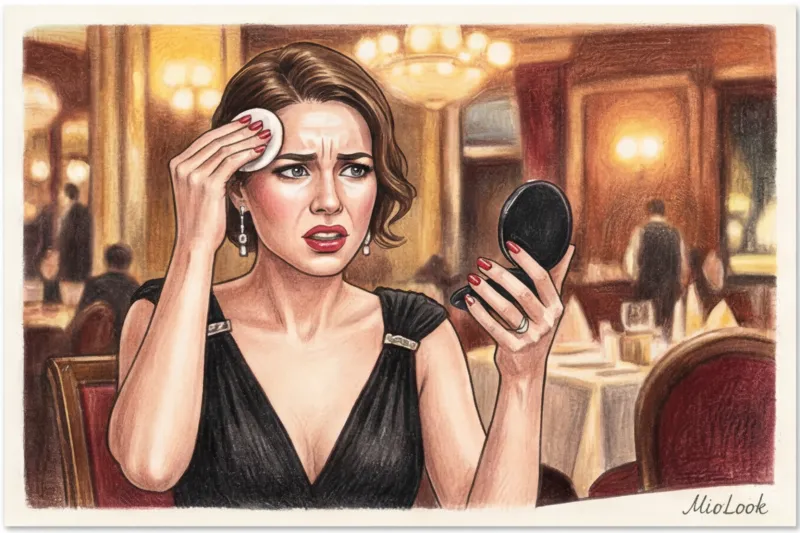
Here are three things that kill your stamina and ruin your wardrobe:
- Generous powdering ("baking") during the day. It's completely counterintuitive, but powder doesn't save makeup; it ruins it. Mixed with sebum, a layer of powder forms a thick, heavy "mud" that settles into wrinkles and clogs pores. The key to long-lasting makeup is this. liquid hold between layers when applied, rather than a dry shell of powder over an oily shine.
- Touching face with hands. The temperature of your fingertips is about 36 degrees Celsius. When you touch your face, you literally melt your makeup and damage the polymer film of the fixative. Then, those same hands touch your light-colored handbag or coat collar.
- Too dense layers. Trust me: thin, layered coverage lasts 10 times longer than one thick layer of heavy foundation (commonly known as "putty"). Thick, cracked makeup instantly cheapens your look. It's better to have a slight redness showing through than to have foundation peeling off in chunks on the lapel of your Massimo Dutti wool jacket.
Your ideal image begins Here
Join thousands of users who look flawless every day with MioLook.
Get access — €0.99 onceA stylist's checklist: how to save face and avoid staining your wardrobe
We've reached the most important point: practical application. As a stylist, I always ask my clients to test the adhesion of their makeup before wearing expensive or light-colored clothing.
- Imprint test: After finishing your makeup and applying setting powder, wait 2 minutes. Take a clean tissue and lightly press it to your cheek or chin. If a clear beige mark remains on the tissue, your foundation isn't set. You'll need to blot your face and add a light layer of translucent powder.
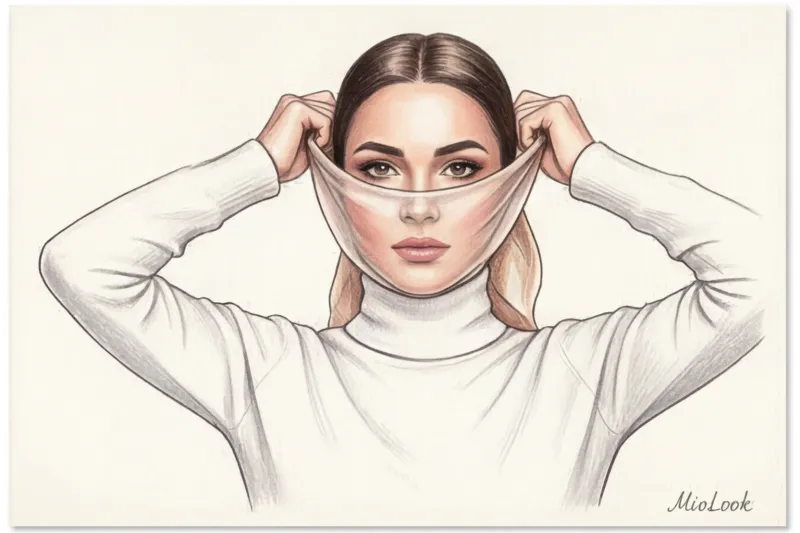
- Silk scarf rule: If you need to slip on a turtleneck or a tight dress over your head after applying your makeup, drape a lightweight, slippery silk scarf over your face and head. Slip your head through the neckline—the fabric will slide over the scarf without touching any of your foundation or staining your collar.
- Emergency cosmetic bag in a clutch: Never take powder with you. To maintain long-lasting results, you'll only need blotting papers (blot the gloss, don't rub!), concealer (for spot correction), and lipstick.
To reduce stress on the day of an event, I always recommend that clients test makeup and clothing combinations beforehand. This is incredibly helpful. MioLook app By uploading items to your virtual wardrobe, you can visualize the entire look and decide in advance whether you need a full-bodied foundation or a light, fluid shade. When you plan your look in advance, you have more time to carefully and thoughtfully work on the chemistry of your makeup layers.
Long-lasting makeup isn't like a concrete screed on your face at the end of a night out. It requires a well-thought-out layering process, chemical compatibility between primer and foundation, and the careful use of polymer fixatives. Approach the process like an engineer, and your white shirts will stay crisp and your confidence will be rock solid until the very end of the party.