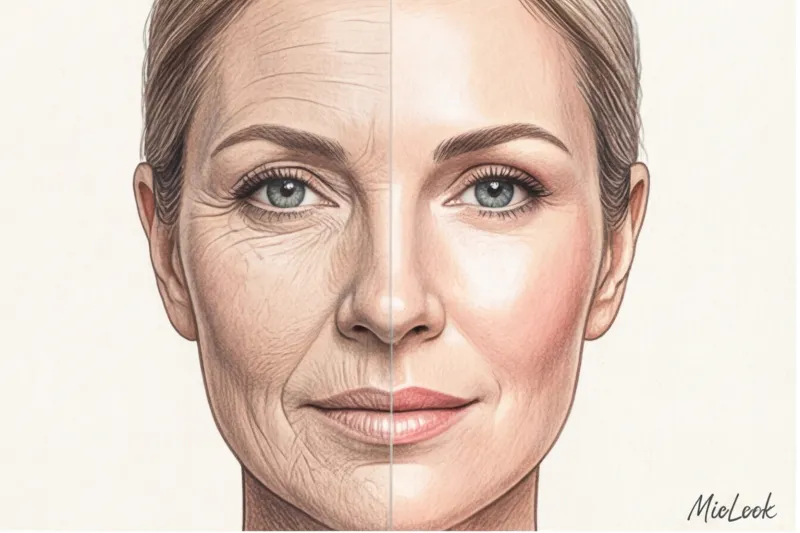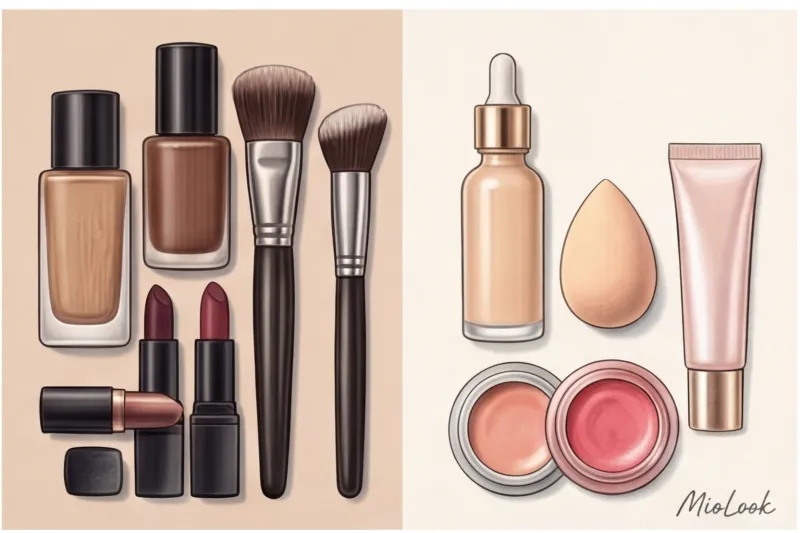
One of my clients, 42-year-old Anna, came to me for a makeup bag review with a typical complaint: "I bought a much-vaunted silicone pore filler for €55 to hide wrinkles, but after two hours, my foundation had simply rolled into dirty streaks." Sound familiar? We've spent years learning to mattify our faces and cover imperfections with thick layers, but what worked at 25 has the exact opposite effect at 45.

Let's be honest. Silicone "smoothing or pore-filling primers," so aggressively marketed by cosmetic giants, actually accentuate signs of aging. They create an artificial film on the face that dries out already dehydrated skin, causing foundation to settle into the finest creases. The right makeup base for mature skin — this is not a construction putty, but a smart treatment that works in synergy with your lipid barrier.
We have discussed the fundamental principles in more detail in our The complete guide to lifting makeup after 35 , but today I want to talk specifically about preparing the canvas. This article will debunk the myth of thick primers and teach you the European approach to layering, which will help you use exactly half as much foundation.
Why the old rules of preparation no longer work
To understand why your usual makeup suddenly stops working, you need to look at physiology. According to research published in the British Journal of Dermatology (2023), after age 40, sebum production drops sharply, and the hydrolipidic mantle thins. The skin loses its ability to retain moisture on its own.
What do we do out of habit? We use a mattifying primer to keep our face from looking shiny, and a thick foundation. As a result, by midday, the moisture from the foundation evaporates, leaving behind a dry, pigmented finish that makes you look five years older.
The concept of modern lifting makeup is based on reflecting light, not creating a dense mask. A glow (even a subtle, delicate one) is subconsciously interpreted by our brain as a marker of youth and health. That's why we mercilessly toss mattifying foundations into the trash—they make the face look flat and tired.
Moisturizing is the foundation: what mature skin needs before applying foundation
Every year after age 35, the level of hyaluronic acid in our skin decreases by 1-2%. This causes changes in the skin's texture. Many people confuse nourishment and hydration when it comes to makeup. A nourishing cream based on heavy oils (such as shea butter or mineral oil) is good for nighttime use. During the day, under makeup, it will create a greasy film that will prevent any makeup from "slipping off."
No primer, even the most expensive €80 one, can replace a full-fledged day cream. A primer is the glue between skincare and makeup, but it can't deeply restore the skin.
Layering vs. Density
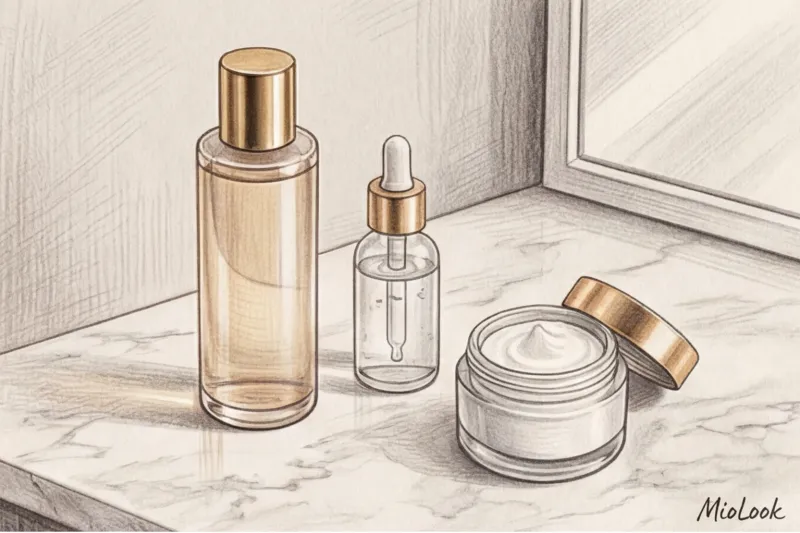
European makeup artists have long abandoned the use of a single, heavy cream before applying makeup. The secret to a perfect canvas is layering lightweight textures. Instead of a pea-sized amount of thick cream, we use three lightweight steps: a base toner, a watery serum, and a lightweight fluid. This approach allows moisture to penetrate deeper without creating a heavy, layered layer on the surface that causes sweating.
The 3-Minute Rule
The most common mistake my clients make is applying all their products one after the other without a break. Remember three-minute rule This is how long it takes for a lightweight moisturizer or serum to settle onto the skin. How do you test for readiness? Place the back of your hand on your cheek. If the skin is noticeably damp, wait. If it's slightly sticky (like a scotch tape effect), it's the perfect time to apply primer.
Makeup base for mature skin: how to choose the right one
If you walk into any cosmetics store, you'll be overwhelmed by the jars. But only two types of primers are suitable for mature skin. Before you take your product to the checkout, turn the packaging over and look at the ingredients.
I always say it straight out: avoid products where the first or second word is Dimethicone , Cyclopentasiloxane or other silicones. They are detrimental to dry, aging skin. Look for ingredients that include hyaluronic acid, peptides, squalane, niacinamide, and delicate light-reflecting particles.
Illuminating bases: the effect of a rested face
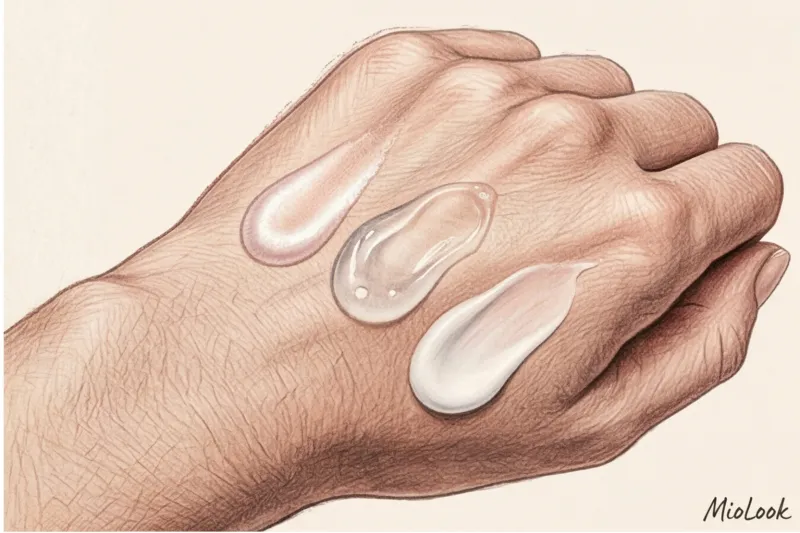
This is an absolute must-have in any woman's makeup bag over 40. Light-reflecting microparticles (often finely ground mica) visually "push" wrinkles outward, creating a smoother appearance. But there's a trick to it.
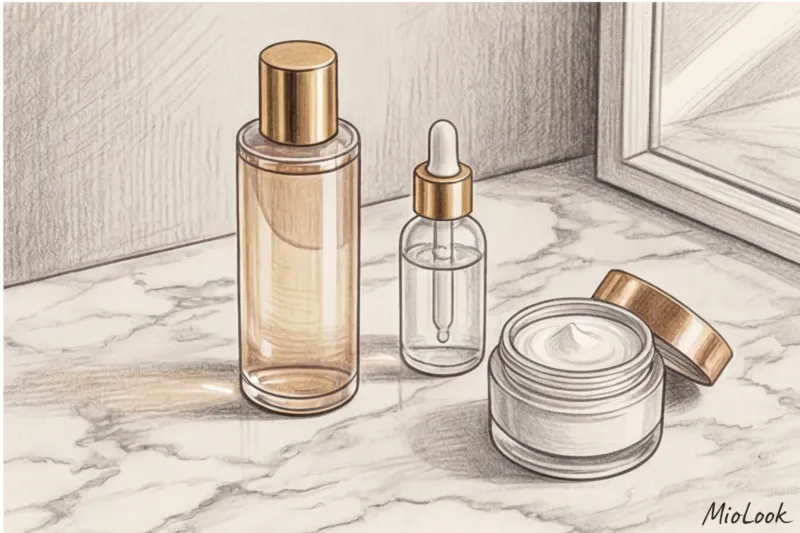
I never apply a shimmery base all over my face—otherwise, you'll look like a Christmas tree. Apply it locally: to the tops of your cheekbones, the bridge of your nose, the T-shaped area above your upper lip, and lightly to the center of your forehead. This creates that natural, lifting effect.
Hydrating bases: relief from tightness
Water-based formulas, often in the form of a clear gel or light milk, are ideal for skin prone to flaking, especially in the fall and winter. This base acts like a sponge, absorbing moisture from the air and releasing it back into the skin, preventing foundation from removing water from your cells.
Your perfect look starts here
Join thousands of users who look flawless every day with a smart AI stylist. Upload your outfit, and the algorithm will suggest ready-made looks.
Get access — €0.99 onceTexture Compatibility: The Main Mistake That Ruins Your Makeup
Now, a little cosmetic chemistry. You bought a great moisturizing primer for €40 and a beautiful luxury foundation for €60, but they turned into dirty pellets on your face. Why?
The basic rule of wording is: Water attracts water, silicone attracts silicone, and oil attracts oil. If you apply water-based foundation over a silicone primer, they will repel each other. The water will simply roll off the silicone film.

How to check compatibility? Look at the first three ingredients. If it's listed first in the base Aqua (Water) While silicones are at the bottom of the list, your foundation should also be water-based. Take five minutes to study the labels on your makeup bag—80% of makeup longevity issues stem from texture conflicts.
Practical Guide: Step-by-Step Facial Preparation
Theory without practice is dead. Here's a step-by-step guide on how to prep your face so your foundation fits like a second skin.
- Step 1: Cleanse and Tone. Wash your face with a gentle, non-squeaking cleanser. Then, be sure to wipe your face with an alcohol-free toner (alcohol denat.). This will restore the pH balance.
- Step 2: Hydrating Serum. Apply 2-3 drops of hyaluronic or peptide serum to your face, still slightly damp from the toner. Use gentle patting motions.
- Step 3: Day cream. Cover the serum with a light fluid cream. This will seal in the moisture. Wait 3-5 minutes until it feels slightly tacky.
- Step 4: Apply a makeup base. Take a pea-sized drop of the base and distribute it between your fingertips.
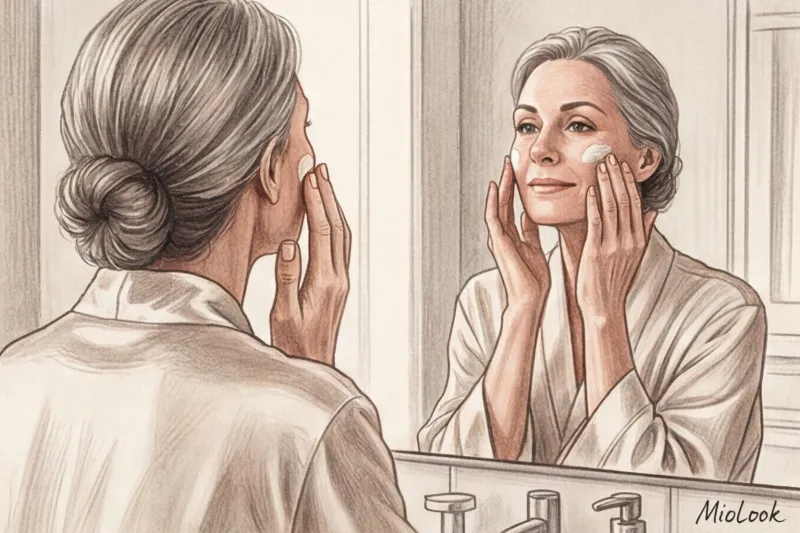
Insider tip: Apply foundation only with your fingers! The warmth of your fingers warms the texture of the product, allowing it to literally melt and blend into your skin. Save brushes and sponges for foundation. Pat the foundation in with a patting motion, rather than smudging it from the center outward.
Personal experience: top 3 proven combination strategies
Over 12 years of working as a stylist and consultant, I've developed three foolproof skin prep strategies for my clients, depending on their daily goals.
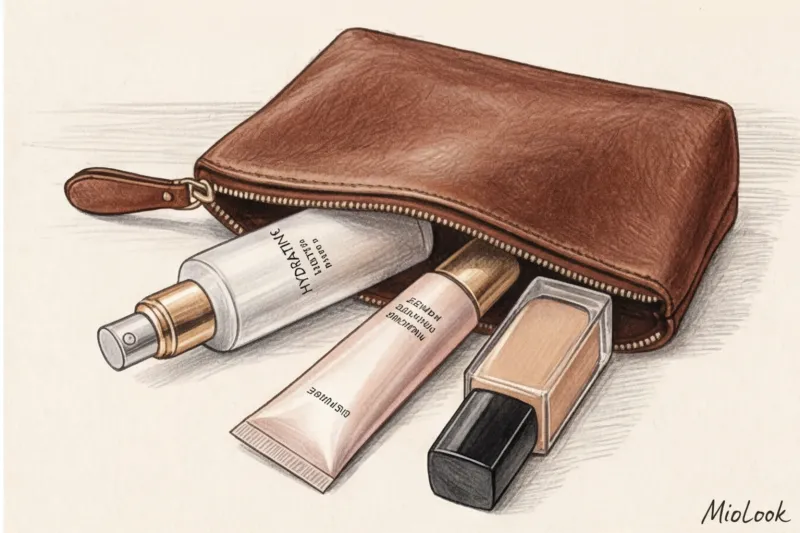
Office Strategy (Long-Lasting + Subtle Glow)
For work days when I need to look fresh from 9 a.m. to 8 p.m. in dry, air-conditioned conditions, I use a lightweight moisturizer and highlighting primer only on the high points of my cheekbones. I choose a foundation with a satin (semi-matte) finish. During the day, I use matting wipes and thermal water instead of powder.
Photoshoot Strategy (Control Shine Without Drying Out)
When we're preparing for a portrait shoot (like for LinkedIn), camera flashes mercilessly highlight any oily shine. But powdering mature skin is a no-no! My trick: I apply a mattifying primer. only Apply a powerful hydrating serum to the T-zone (wings of the nose, center of the chin), and to the cheeks and cheekbones. The face remains vibrant, yet looks refined in the frame.
Strategy for very dry skin (maximum hydration)
If my skin is flaking, I skip the traditional primer step altogether. Instead, I mix a drop of liquid highlighter directly with a thick moisturizer (in a 1:3 ratio) and apply this mixture as a base. After this, foundation goes on like butter.
Access to MioLook for €0.99 — one-time payment
A smart AI stylist will create the perfect look for you. It will analyze your wardrobe and suggest everyday combinations.
Get access — €0.99 onceConclusion: A Checklist for the Perfect Canvas
Let's recap. Your skin changes, and that's normal. The key is to adapt your makeup routine to these changes. Remember the golden rule: proper skincare is primary, foundation is secondary, and foundation is just the final layer, evening out your complexion rather than masking it.
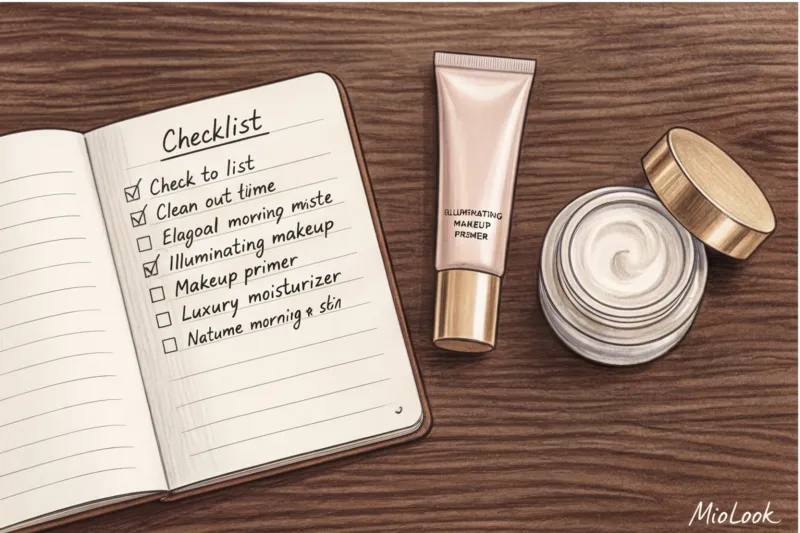
I suggest you audit your makeup bag today. Take three simple steps:
- Throw away thick silicone "grouts" without mercy if they dry out your skin.
- Check the compatibility of your favorite primer and foundation (water to water, silicone to silicone).
- Make it a habit to wait 3 minutes between applying moisturizer and makeup primer.
Style and beauty aren't about painting a new face. They're about skillfully highlighting what you already have. Invest time in preparing your canvas, and you'll never have to worry about creased makeup again.