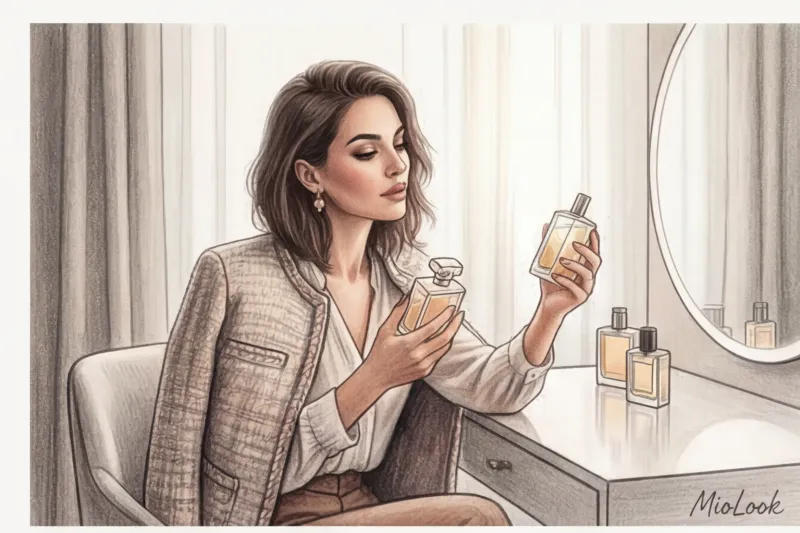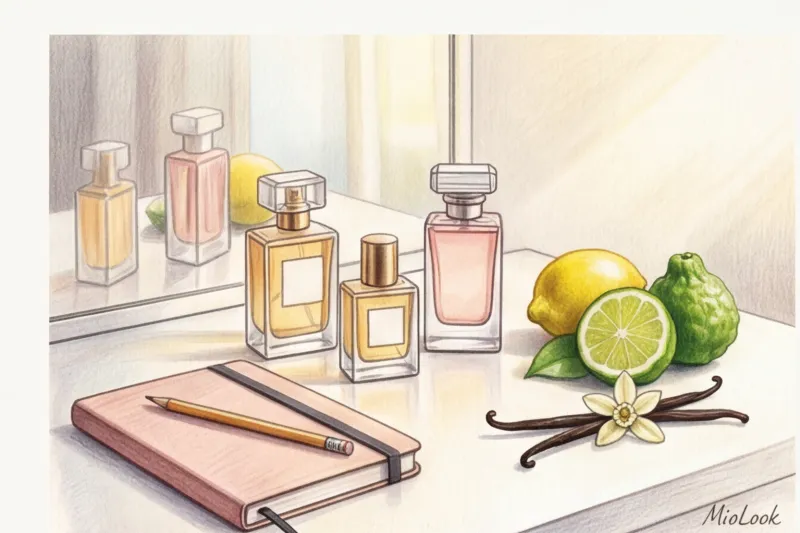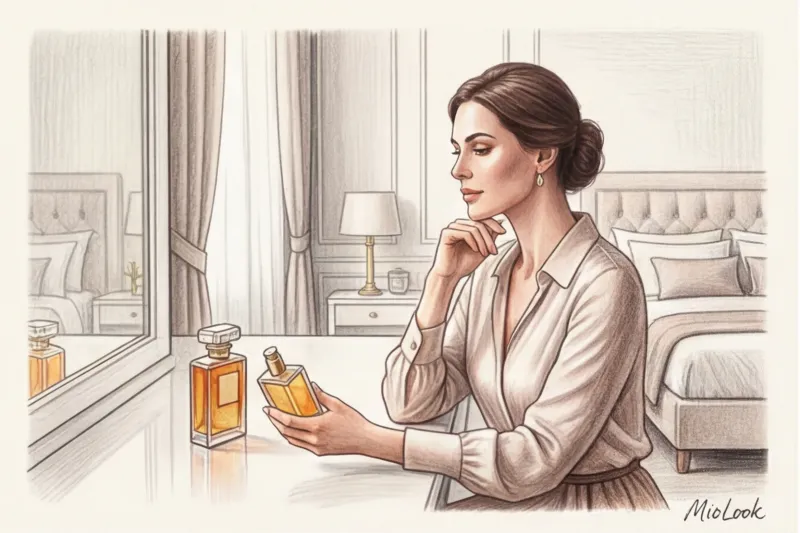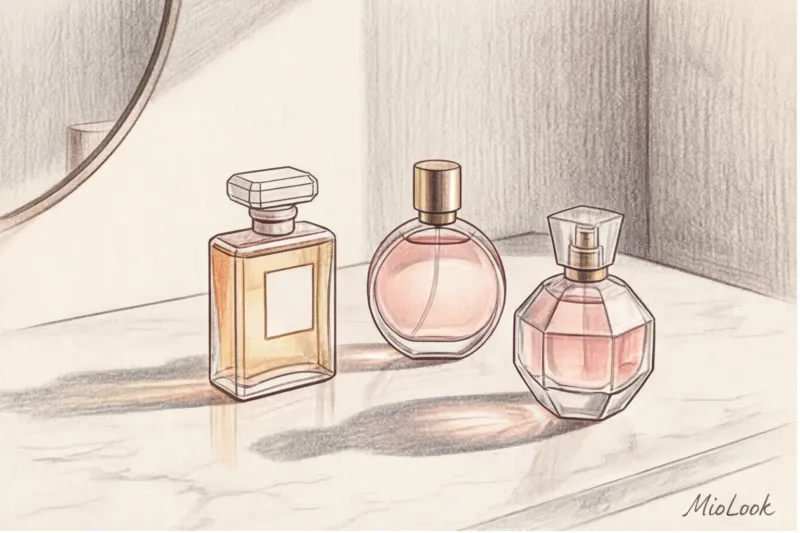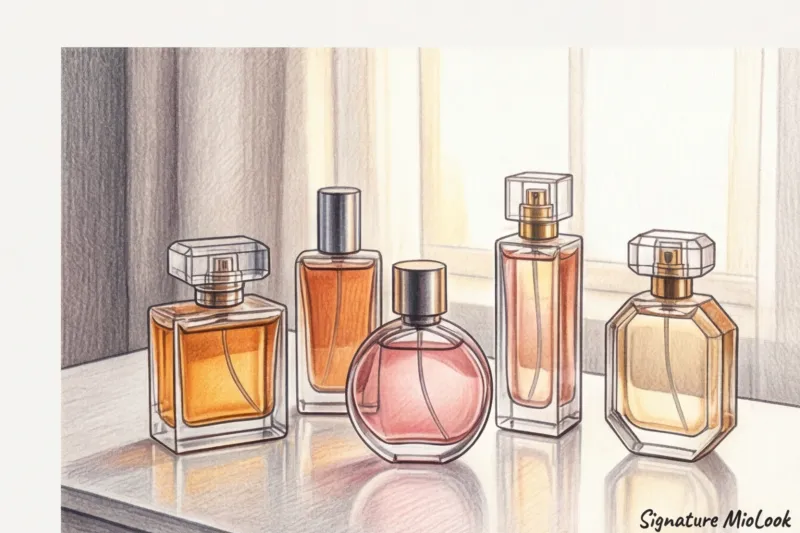
What is fragrance layering and why is the “one bottle” concept hopelessly outdated?
Six months ago, Anna, a top manager at a large IT company, came to me for a consultation. Her problem sounded unusual: "Emily, I love gourmand perfumes that smell like cotton candy and vanilla. But when I walk into the boardroom, that lingering scent destroys all my credibility. I need a serious fragrance, but classic, austere chypres give me a headache." We didn't look for a compromise middle ground. Instead, we applied aroma layering — an olfactory layering that allowed her to retain her beloved sweetness, but “dress” it in a strict business suit of dry vetiver.
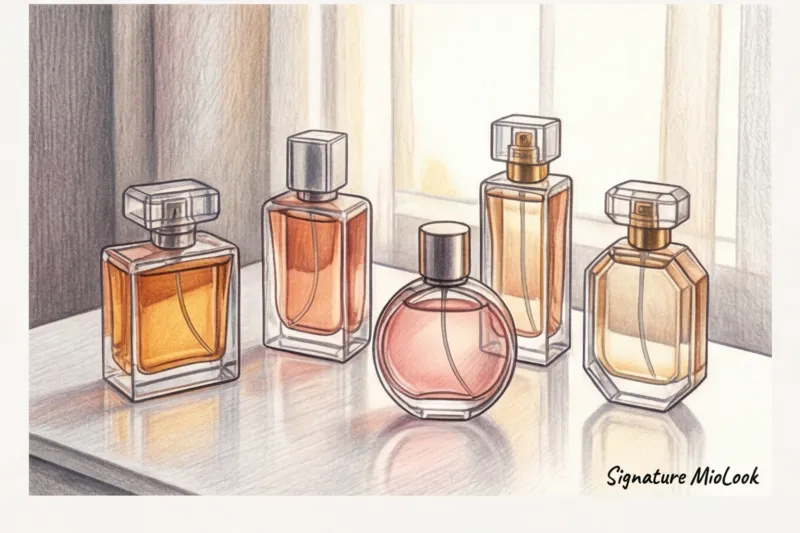
Leyering (from English layering Layering is the art of blending several fragrances to create a unique trail. I view this process not as magical alchemy for perfume addicts, but as a technological system. It's the perfect equivalent of a capsule wardrobe. Why wear the same sweater every day when you can wear a shirt underneath and throw on a structured jacket over it? We've covered base layering in more detail in our complete guide. Perfume Wardrobe: How to Build a Basic Collection ".
Over the course of 12 years as a stylist, I conducted an experiment: I kept a “perfume diary” for 6 months, testing over 50 different combinations and recording the reactions of those around me. The numbers were astounding: 100% of the times I was stopped on the street with a question "Girl, what kind of perfume are you wearing?" , coincided precisely with the days when I was layering. The concept of searching for "your one and only scent for life" is outdated. Customization is king these days.
Basic Rules: How to Mix Perfumes Properly Without Fragrance Disasters
Many people are afraid to mix perfumes, fearing the possibility of creating a chemical mess. In fact, the mathematics of scent is much more predictable than it seems. About 70% of modern commercial fragrances are technically compatible because they are built on the same base fixatives—musk, ambroxan, cedar, or iso-e-super. They already "speak" the same language.
But for the layers to work properly, you need to prepare the canvas. Hydrated skin retains fragrance molecules twice as long as dry skin. I always advise clients to apply a fragrance-free base lotion (such as one with ceramides) immediately after showering. It's akin to... How to prepare your skin for makeup — without a good primer, the foundation will lay down in patches, and without a moisturized base, the perfume will quickly fade or become distorted due to the individual pH of the skin.
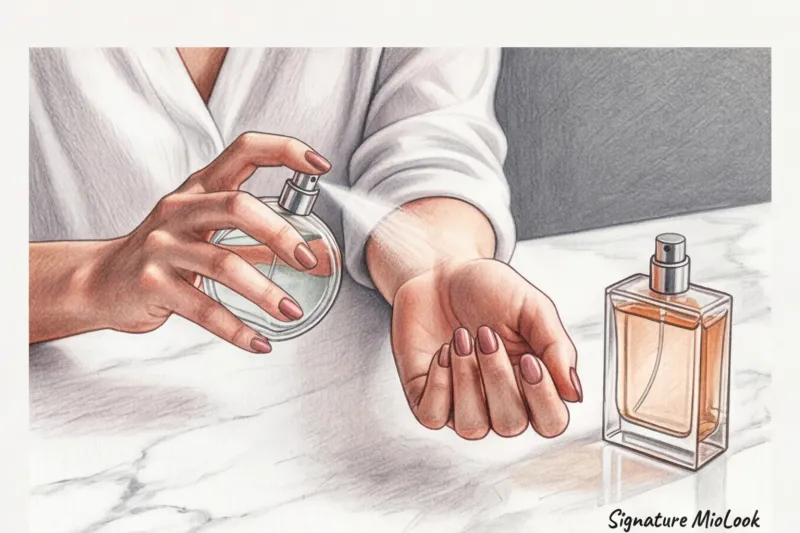
Weight Rule: From Dense Textures to Transparent
We don't wear a thin silk blouse over a bulky wool sweater. The same rule applies to perfumery. First, we apply the "heavyweights": ouds, resins, thick amber or leather accords. We let them settle on the skin for a couple of minutes, and only then do we spray on the lighter fractions—citrus, aquatics, green tea, or aldehydes.
What happens if you mess up this order? A "dull" scent will result. Heavy base notes will simply crush the fragile top notes, preventing them from evaporating. The end result is a flat, heavy trail with no volume.
Spatial Layering: The Secret of Zoning
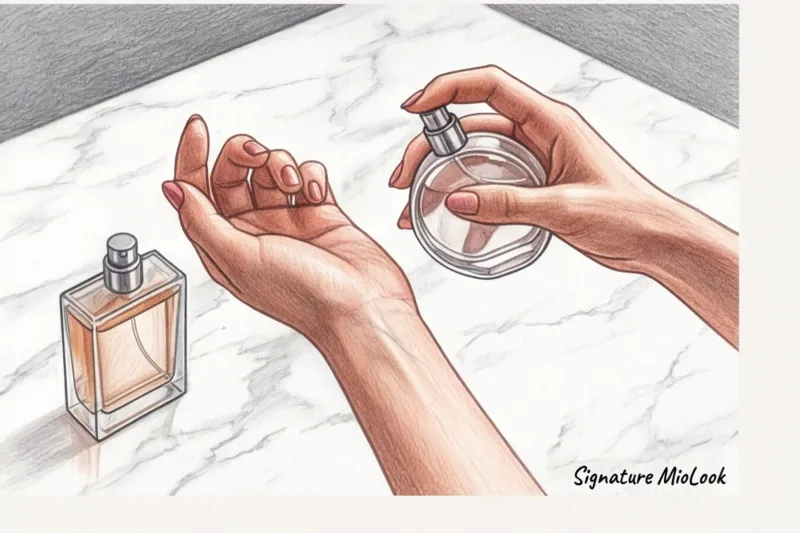
The most common mistake beginners make is layering perfumes "dot-to-dot," spraying a second bottle directly over the first on the wrist. Professional stylists use the spatial zoning technique for red carpet looks.
The secret lies in physiology. The temperature of different pulse points varies: the back of the neck is usually 0.5–1°C warmer than the wrists, and the back of the knees gets warmer when walking. I recommend the following approach: apply a dense, heavy fragrance to your wrists and behind your knees (it will rise), and a light, diffuse fragrance to the back of your neck and hair (it will create a trail that will follow you). Due to the temperature difference, the layers will evaporate at different rates, increasing the overall longevity of the composition by 30–40%.
Digitize your style with MioLook
Stop guessing what to wear tomorrow. Upload your wardrobe to the app, and our AI algorithm will create the perfect outfits for every day, taking into account the weather and your plans.
Get access — €0.99 onceMolecular Perfumery: The "White T-Shirt" of Your Fragrance Wardrobe
If you're just starting out in layering, molecular fragrances will be your best friend. Simply put, these are perfumes built around a single, large synthetic molecule: Iso E Super (providing a warm cedar effect), Ambroxan (minerality and purity), or Javanol (creamy sandalwood). The most famous example is the Escentric Molecules line.
In a stylist's wardrobe, a high-quality white T-shirt made of thick cotton is a lifesaver. It can "calm down" even the wildest leopard-print jacket. Molecular perfume works in the same way, acting as a primer or enhancer.
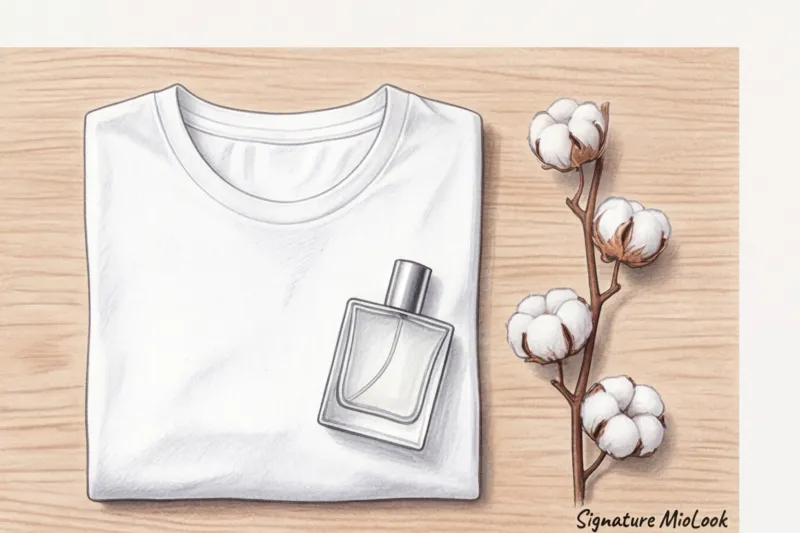
"Molecular scents add airiness to a composition. If you've bought a perfume that seems too harsh, dense, or aged, don't rush to give it away. Apply a layer of Iso E Super underneath, and a heavy, retro fragrance instantly becomes modern, transparent, and airy."
Perfume designer for the office: status without suffocation
The specifics of business dress codes in the era of open spaces are ruthless. Your scent must convey status and competence, but at the same time, it must not violate the personal boundaries of a colleague sitting a meter away. Sweet gourmands or suffocating florals are prohibited.
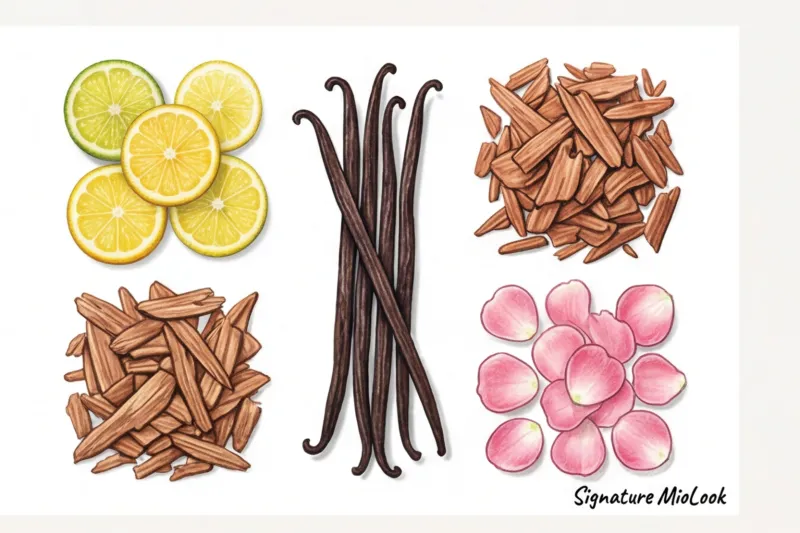
My favorite formula for a business mix: a strong woody base (sandalwood, cedar, vetiver) plus a fresh green or tea topper. You can read more about woody perfume for women to choose the right foundation. Wood is subconsciously perceived as reliability and support, while greenery symbolizes dynamism and mental freshness.
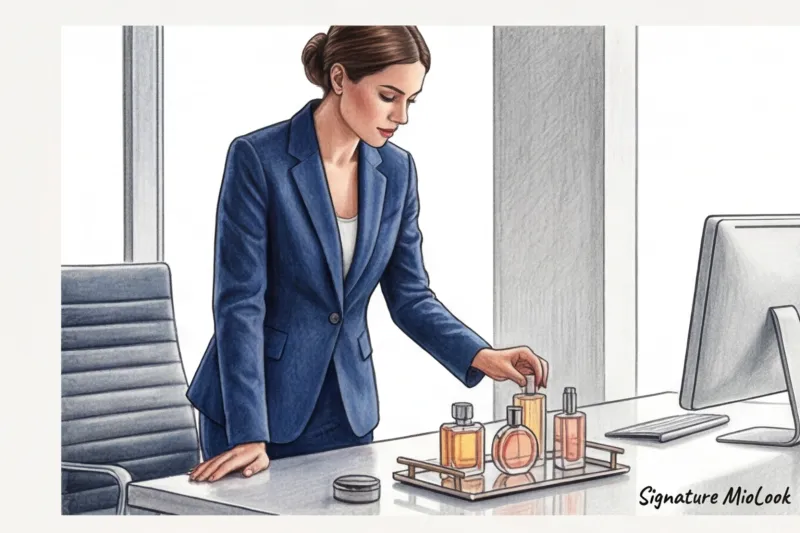
The beauty of this designer is its adaptability. Let's say you have a business dinner planned after work. You don't need to wash off your morning perfume. Simply apply a touch of spice (cardamom, pink pepper) or dry vanilla over your morning woody base. A daytime "white collar" look transforms into an elegant evening tuxedo in a second.
Your personal stylist in your pocket
Not sure how to combine your outfits? MioLook's smart AI stylist will analyze your appearance and wardrobe to suggest stylish solutions every day.
Create the first imageThe Biggest Myth: Why You Shouldn't Be Afraid of Mixing Complex Niche Perfumes
Perhaps the most persistent stereotype goes like this: "You can only mix simple mono-fragrances like Jo Malone, but you can't touch a complex niche—you'll ruin the perfumer's idea." This is a misconception.
Contrary to popular belief, the most expensive and prestigious sillages are achieved by layering complex niche compositions. Legendary perfumer Jean-Claude Ellena often said that perfumery is an illusion. According to the Osmothèque of Versailles classification, even the most complex perfumes have a dominant profile. If you skillfully use the spatial zoning I mentioned above, cacophony will be avoided.
The main secret of professionals is one-meaning-bridge rule To ensure two complex perfumes don't clash, they must share at least one common note. For example, in the first fragrance, rose takes center stage, surrounded by oud and saffron, while in the second, the rose is hidden in the base under a thick layer of citrus and musk. This shared rose note will "stitch" both compositions together, creating an incredibly voluminous 3D effect.
When it does NOT work: Never mix two distinctly aquatic (marine) fragrances from different eras or brands. Their synthetic components (calone and its derivatives) often clash, producing a scent of stagnant water or metal.
Top 5 Win-Win Perfume Combinations (Checklist)
If you want to start experimenting today, here are 5 proven recipes guaranteed to give you beautiful results without the risk of smelling like a perfume shop:
- Vanilla + Citrus. The lemon tart effect. Warm, dense vanilla warms, while tangy bergamot or grapefruit prevent it from becoming cloying.
- Oud/Wood + Rose. An oriental classic with a modern twist. Dry, prickly wood perfectly tempers the rose's rosy sweetness.
- White flowers (tuberose, jasmine) + Leather/Suede. Ideal for formal looks, leather takes away the flowers' excess indole and animalic sweetness, leaving them cool and aristocratic.
- Marine notes/Aquatic + Fig/Greenery. Relaxed smart casual. Smells like you've just returned from a stroll along the Amalfi Coast.
- Musk + Berries/Fruits. The scent of a clean, musky body after a shower, complemented by a playful, playful fruity accent. A perfect choice for a weekend.
How to integrate layering into your fragrance wardrobe
Clever layering is also a great way to optimize your budget. With just three high-quality bottles (for example, one basic woody scent for €150, one fresh scent for €80, and one molecule in the €50-€100 range), you get seven unique fragrance compositions. You no longer need to buy a new perfume every season.
Before you head to the store to buy new fragrances, take stock of your current shelf. Write down the key notes of your perfumes. You'll likely notice that many of them would make excellent pairings.

To avoid getting lost in successful combinations, I use digital tools. In the app MioLook When I save or plan my look for tomorrow, I add the fragrance formula to the look notes. For example: "Beige trench coat + white shirt = leather perfume on your wrists + fig on your neck" This saves a lot of time in the morning.
Stop treating perfume like a finished work of art you can't touch. It's just paint on your palette. You are the true work of art—so let your scent trail be as multifaceted as your personality.