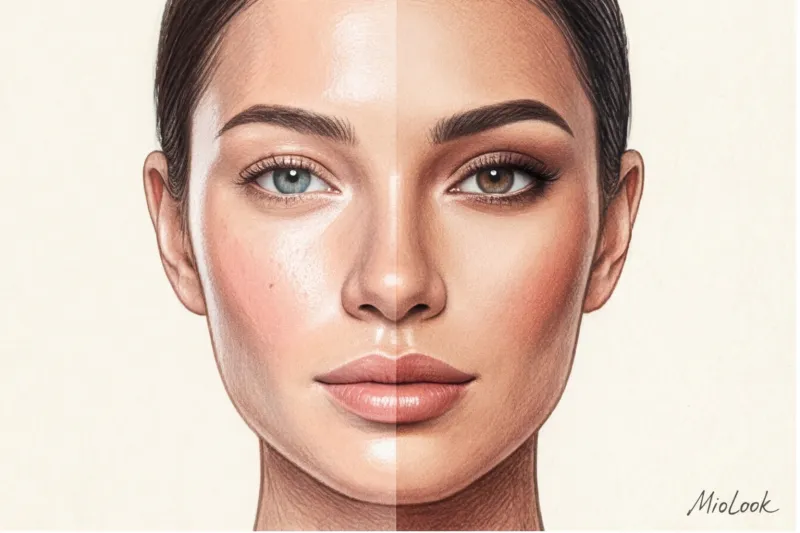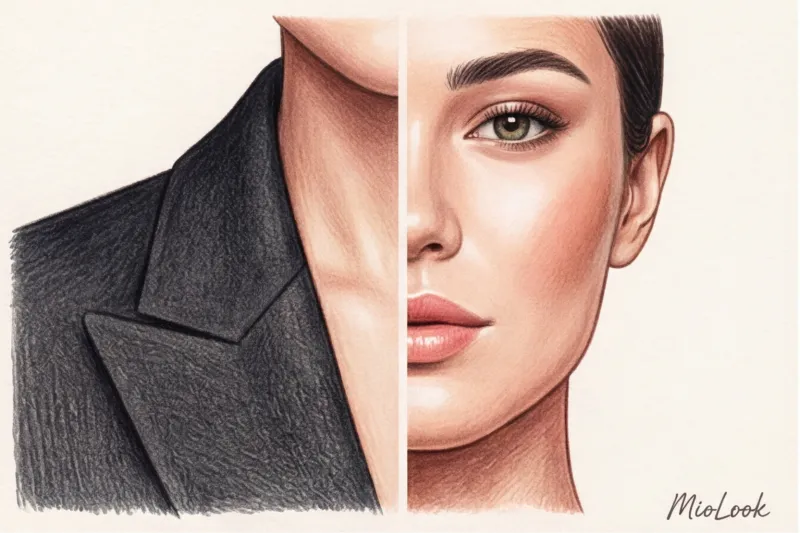
Два роки тому моя клієнтка, топ-менеджер фінтех-компанії, купила бездоганний вовняний костюм Jil Sander за 2300 євро для найважливішої профільної конференції. Ідеальний крій, дорога тканина, вивірений силует. Але коли я побачила її фотографії із виступу, образ розсипався. Проблема була не в костюмі і навіть не у висвітленні. Тональний крем на її обличчі скатався дрібними пластівцями, підкресливши кожну лушпиння і мімічну зморшку. Недоглянута, зневоднена шкіра візуально здешевила преміальний гардероб швидше, ніж це зробила б м'ята сорочка.
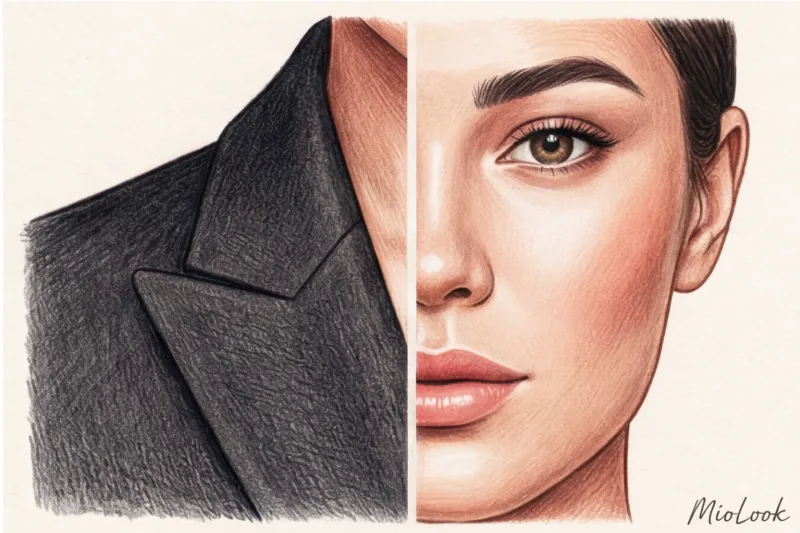
Багато жінок десятиліттями шукають «той самий» ідеальний тональний крем, скуповуючи флакони в діапазоні від 30 до 150 євро. Але правда в тому, що те, як підготувати шкіру до макіяжу визначає 90% успіху. Декоративна косметика не вміє маскувати текстуру - вона підкреслює її. Докладніше про фундаментальні принципи роботи з обличчям я вже писала у нашому повному гіді: Базовий догляд за шкірою обличчя: секрет стійкого макіяжу. Сьогодні ми розберемо практичну, покрокову архітектуру ранкової рутини.
Чому те, як підготувати шкіру до макіяжу, важливіше за вибір тонального крему.
За 12 років роботи, у тому числі на бекстейджах Тижня моди в Парижі, я засвоїла золоте правило провідних світових візажистів: 70% часу йде на підготовку шкіри моделі, і лише 30% - на сам макіяж. Коли ви наносите пігмент на непідготовлений, зневоднений епідерміс відбувається проста фізика. Суха шкіра починає жадібно витягати вологу з тонального засобу. В результаті на поверхні залишається тільки сухий пігмент, який забивається в пори та тріщини.
Подумайте про це як про ремонт: ви ж не станете клеїти дорогі шовкові шпалери на нерівну, запилену бетонну стіну? Те саме стосується й особи. Принципи корнеотерапії (науки про роговий шар шкіри) свідчать: збереження цілісності ліпідного бар'єру - це єдиний спосіб змусити макіяж триматися до 12 годин без скочування.
Крок 1. Очищення: створюємо ідеальне полотно
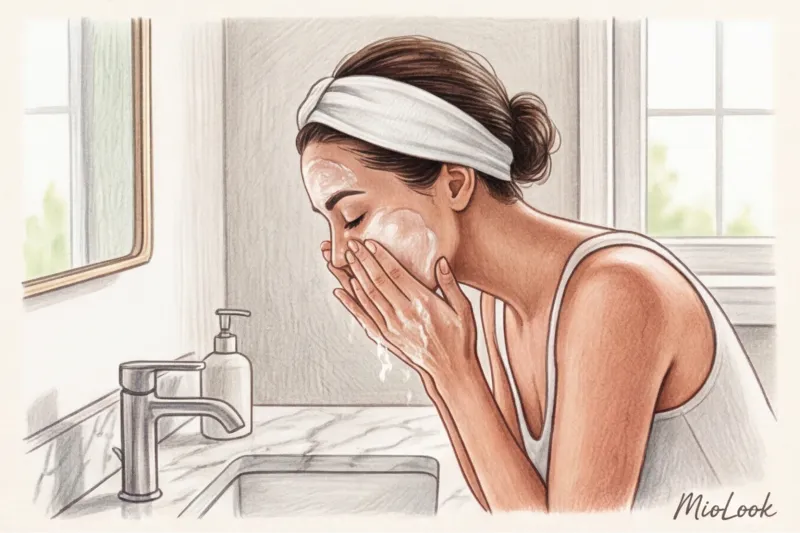
"Я просто вмиваюся водою вранці, навіщо мені гель, якщо я спала в чистому ліжку?" — цю фразу я чую від кожної третьої клієнтки. І це перша фатальна помилка. Вночі наша шкіра активно працює: виділяє себум (шкірне сало), позбавляється токсинів, плюс на ній залишаються щільні шари вашого нічного крему. Ранкова вода не розчиняє жирів. Якщо завдати тону поверх цього «нічного коктейлю», формула декоративної косметики зруйнується вже до обіду.
Руйнуємо міф про чистоту «до скрипу»
Умивання агресивними пінками із жорсткими сульфатами (SLS/SLES) дає ілюзію ідеальної чистоти, але насправді запускає механізм паніки. Пересушена шкіра, намагаючись захиститись, через 2 години викине подвійну порцію себуму. Ваш макіяж буквально "попливе".
«Використовуйте вранці м'які ензимні пудри, молочко, що очищає, або слабокислі гелі з pH 5.0-5.5. Шкіра після вмивання має бути м'якою та зволоженою, а не стягнутою», — це база, на якій будується будь-який макіяж у стилі олд мані.
Ваш ідеальний образ починається тут
Приєднуйтесь до тисяч користувачів, які щодня виглядають бездоганно з MioLook. Розумний AI-стиліст допоможе продумати всі деталі.
Відкрити доступ — €0,99 разовоКрок 2. Тонізація та мікровідлущування: секрет гладкого рельєфу
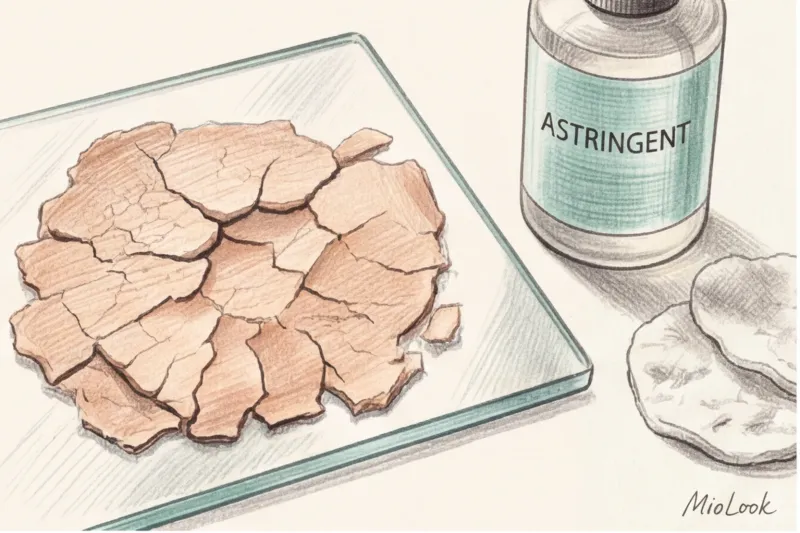
А тепер давайте поговоримо про хімію косметики та принцип «зчеплення» (adhesion). Щоб тональний крем ліг другою шкірою, рогові лусочки епідермісу повинні бути пригладжені, а не здиблені. Саме тому жорсткі скраби з абрикосовими кісточками ваші головні вороги перед макіяжем. Вони залишають мікротравми, в які миттєво забивається пігмент.
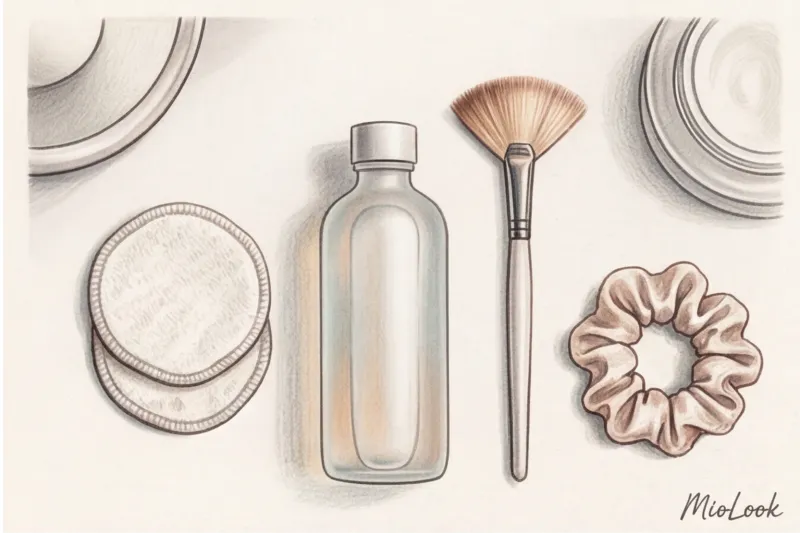
Чим їх замінити? Слабокислотні тоніки (з AHA, BHA або PHA-кислотами в концентрації до 2-3%). Вони м'яко розчиняють зв'язки між омертвілими клітинами та вирівнюють pH-баланс після водопровідної води. Крім того, волога від тоніка шкіра працює як губка, втягуючи наступний зволожуючий крем в два рази ефективніше.
Крок 3. Зволоження: архітектура стійкого покриття
Різниця між нічним та денним доглядом критична. Вночі нам потрібні ліпіди (харчування, щільні олії). Вранці, перед макіяжем – волога (гідратація). Тяжкий живильний крем створить на обличчі масляну плівку, на якій будь-який консилер просто не зможе зафіксуватися.
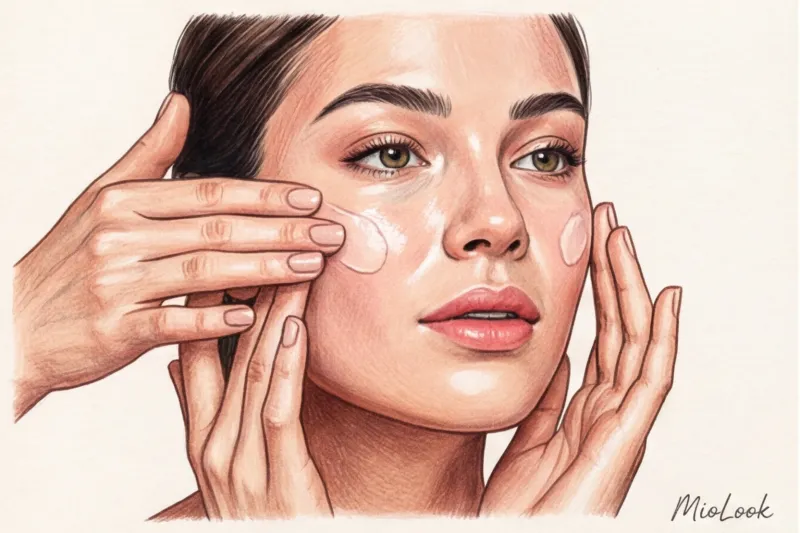
Особливу увагу приділіть зоні навколо очей. Шкіра тут у 4 рази тонша, ніж на щоках. Використовуйте легкі гелеві текстури з кофеїном. Наносите їх втоптуючим, масажними рухами безіменних пальців - це не тільки зволожує, а й забезпечує лімфодренаж, знімаючи ранкову набряклість.
Правило трьох хвилин та конфлікт баз
За даними досліджень хіміків-технологів косметики (зокрема, публікацій у Cosmetics & Toiletries за 2023 рік), 80% випадків скочування тонального крему викликані банальною несумісністю текстур або поспіхом. Запам'ятайте Правило трьох хвилин: саме стільки мінімум повинен «сідати» ваш догляд, перш ніж ви візьмете в руки спонж з тоном
Друге правило - конфлікт баз. Вода дружить із водою, силікон — із силіконом. Якщо ваш зволожуючий крем зроблений на водній основі (на першому місці у складі Aqua/Water), а тональний крем щільно замішаний на силіконах (Dimethicone на перших позиціях), при зіткненні вони можуть дати цей «ефект гумки», скачати катишками.
Доступ до MioLook за €0,99 — разовий платіж
Розумний AI-стиліст підбере ідеальний образ до вашого бездоганного макіяжу. Гармонія стилю та бьюті-рутини в одному додатку.
Відкрити доступ — €0,99 разовоКрок 4. Праймер: реальна потреба чи маркетингова ілюзія?
Тут хочу поділитися інсайтом, який суперечить більшості глянсових статей. Силіконові праймери, які агресивно продають маркетологи як обов'язковий крок для стійкості, найчастіше є головною причиною руйнування макіяжу.
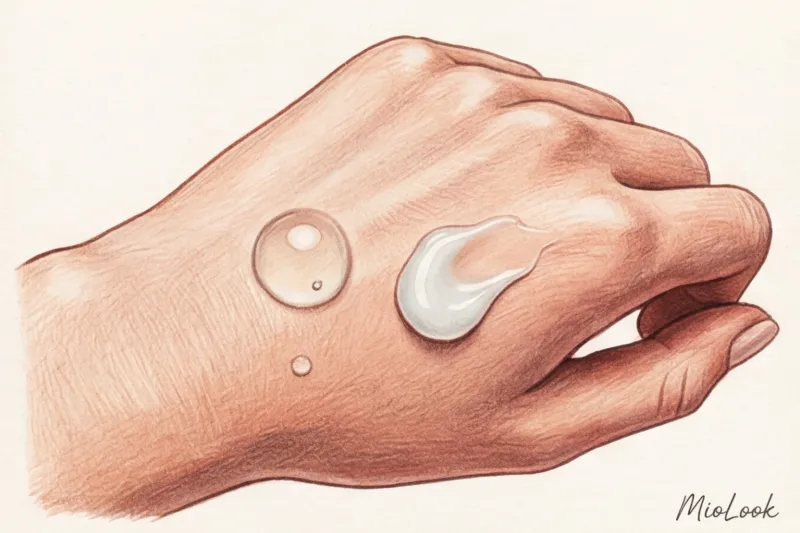
Якісний базовий догляд це єдиний праймер, який вам дійсно потрібен. Нашаровуючи сироватку, крем, силіконову базу, а потім тональний крем, ви створюєте «ефект листкового пирога». Шкіра під ним задихається, виникає парниковий ефект, і обличчя починає нещадно блищати.
Коли праймер справді виправданий? Це виняткові випадки: затирання глибоких, кратероподібних пір локально на носі (і тільки там!), або зелені коригуючі бази при вираженій розацеа. Для 90% жінок на кожен день праймер — марнування грошей (в середньому 40-60 €) і ризик зіпсувати текстуру.
Специфіка того, як підготувати шкіру до макіяжу: різні типи
Універсальних порад немає. Лікар Леслі Бауманн, світовий авторитет у дерматології, виділяє 16 типів шкіри, але для базової підготовки перед макіяжем ми розділимо їх на дві основні фізіологічні групи.
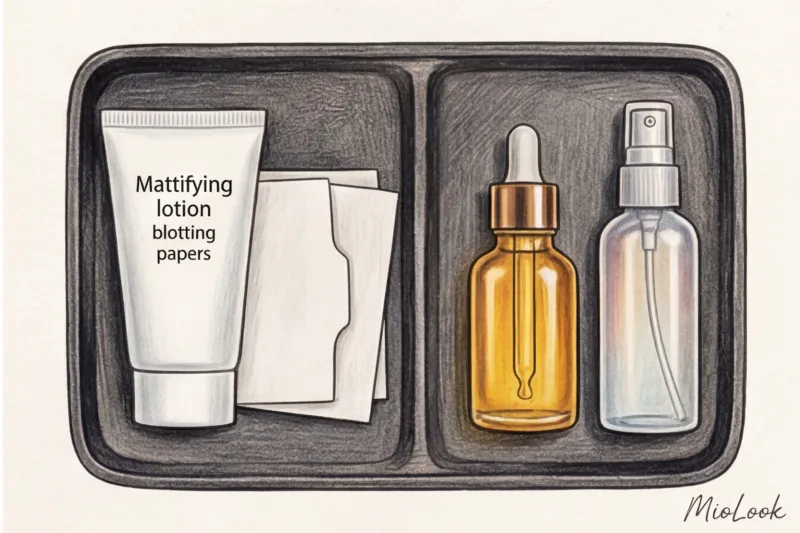
Жирна та комбінована шкіра
Головна помилка власниць жирної шкіри - спроба заматувати її відходом до пустелі Сахари перед нанесенням щільного матового тону. Це прямий шлях до зневоднення.
- Правило: Використовуйте легкі себорегулюючі сироватки з ніацинамідом (5-10%). Вони заспокоюють сальні залози, а чи не блокують їх.
- Текстури: Тільки oil-free (без олій) гелі та емульсії.
- Лайфхак: Відмовтеся від пудри на користь серветок, що матують, протягом дня. Пудра, нашарувана на себум, створює ефект штукатурки.
Суха та вікова шкіра
Тут рятує багатошаровість (layering). Ваше завдання — створити ефект внутрішнього свічення, який зробить обличчя візуально молодшим.
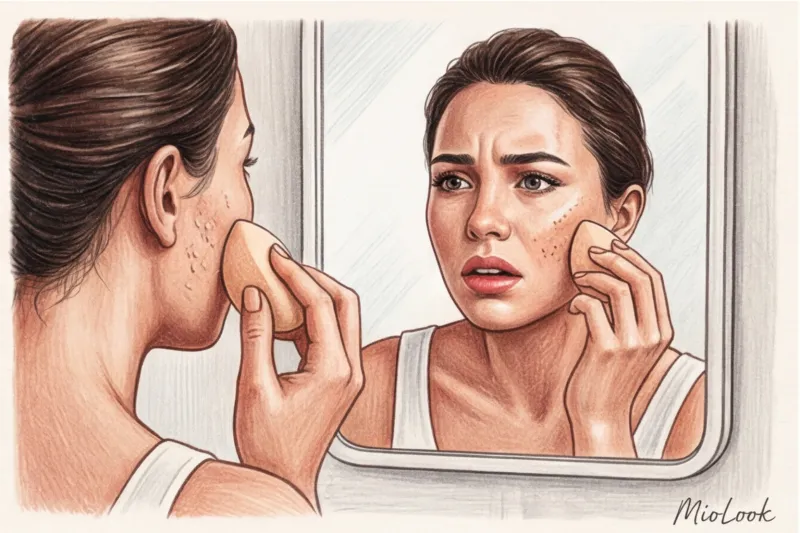
- Техніка: Зволожуючий тонік → сироватка з гіалуроновою кислотою (наносити трохи вологе обличчя!) → Крем з церамідами.
- Секретний трюк: Додайте одну краплю рослинного сквалана прямо у вашу порцію тонального крему. Це дасть цей ефект дорогої, випещеної шкіри.
- Обмеження: Матові, глухі тональні основи суворо протипоказані до вікової шкіри. Вони миттєво западають у зморшки, додаючи візуально 5-7 років. Це правило варто пам'ятати, особливо якщо ви робите офісний макіяж під діловий костюм.
Чек-лист: 5 фатальних помилок перед нанесенням макіяжу
Давайте резюмуємо. Навіть найдорожчі кошти не спрацюють, якщо ви припускаєте ці промахи. Збережіть цей чекіст:
- Нанесення тону одразу після крему. Немає паузи в 3 хвилини - чекайте скочування текстури.
- Щільний шар сонцезахисного крему без усадки. SPF (особливо на фізичних фільтрах) вимагає щонайменше 10-15 хвилин для формування захисної плівки до нанесення пігменту.
- Ігнорування лущення. Тональний крем не приклеїть лусочки шкіри назад, він зробить їх помітними за кілометр. Вилузуйте обличчя кислотами з вечора.
- Використання чистих косметичних олій. Олії - природні розчинники. Нанесення олії перед макіяжем просто розчинить ваш тональний крем на обличчі.
- Умивання гарячою водою. Гаряча вода провокує розширення капілярів та стійку почервоніння, яку потім доведеться перекривати подвійним шаром консилера. Лише трохи тепла, кімнатна температура.
Чи готові почати?
Організуйте свій гардероб та б'юті-образи в одному місці. Спробуйте безкоштовний план MioLook без обов'язків.
Відкрити доступ — €0,99 разовоРезюме: статус та доглянутість починаються до макіяжу
Повертаючись до історії моєї клієнтки у костюмі Jil Sander: ми повністю переглянули її ранкову рутину. Замінили агресивне вмивання на м'яке молочко, ввели легкий тонік із молочною кислотою та якісний базовий зволожуючий крем. Через два тижні її звичний тональний крем за 45€, який вона збиралася викидати, ліг ідеально рівно і протримався весь робочий день.
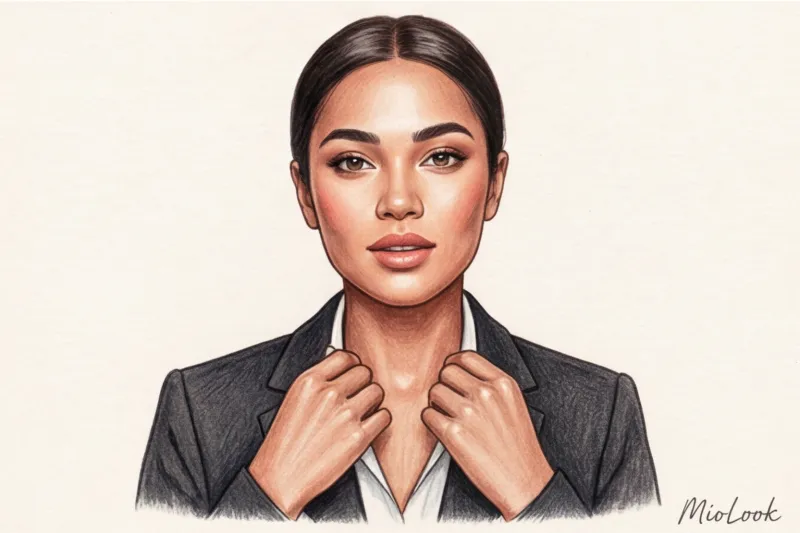
Здорова, правильно підготовлена шкіра – це ваш головний дрес-код. Жодний брендовий одяг не врятує образ, якщо обличчя виглядає втомленим, зневодненим і перевантаженим косметикою. Інвестуйте додаткові 5 хвилин щоранку грамотну підготовку шкіри до макіяжу. Це заощадить годинник на виправлення потеклого тону в офісних вбиральнях і подарує впевненість, яку неможливо купити в жодному бутику. І пам'ятайте: плануючи свій образ із вечора, наприклад, у додатку MioLook , Залишайте собі час на спокійну, вдумливу б'юті-рутіну з ранку.