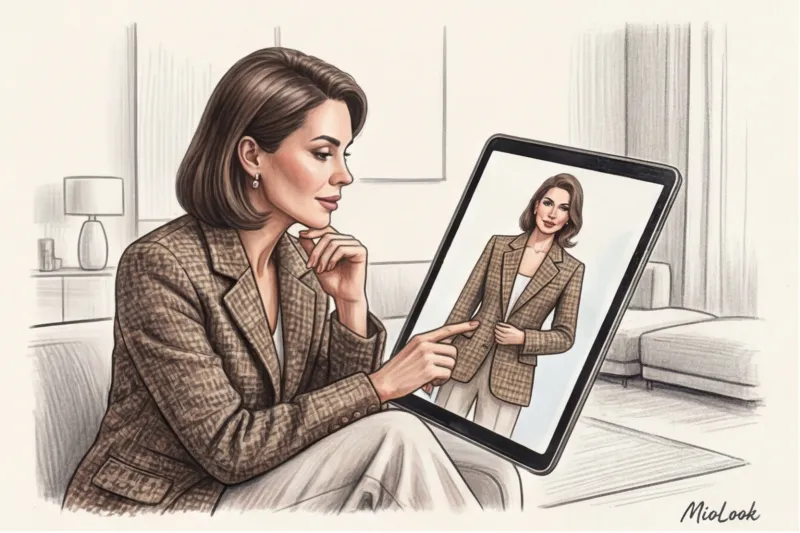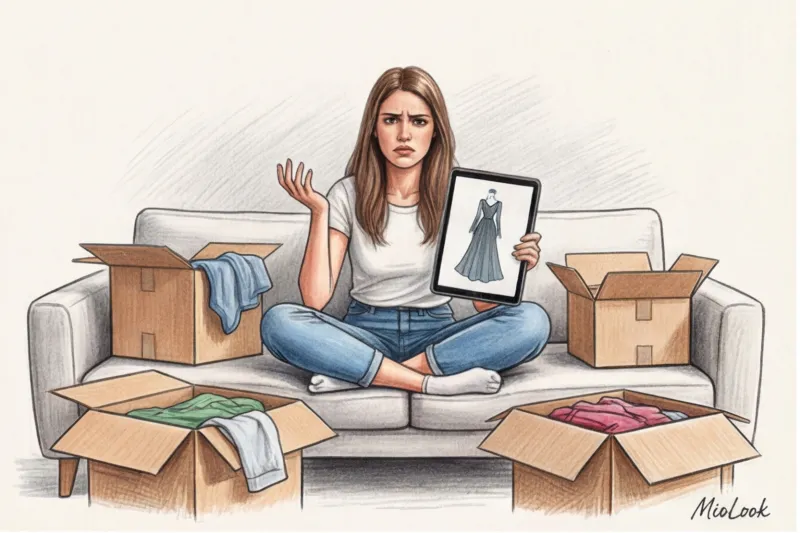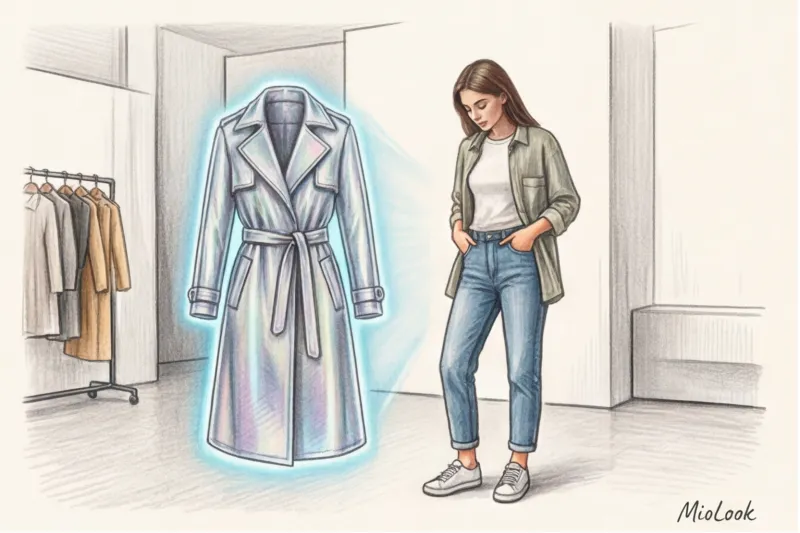
Have you ever noticed how often an item looks stunning on a model online, but in reality, it turns your figure into a shapeless rectangle? According to McKinsey statistics for 2024, up to 40% of online clothing purchases are returned to the warehouse due to poor fit. We've been playing this game of roulette for years, but today we have a tool that can radically change the rules of the game.
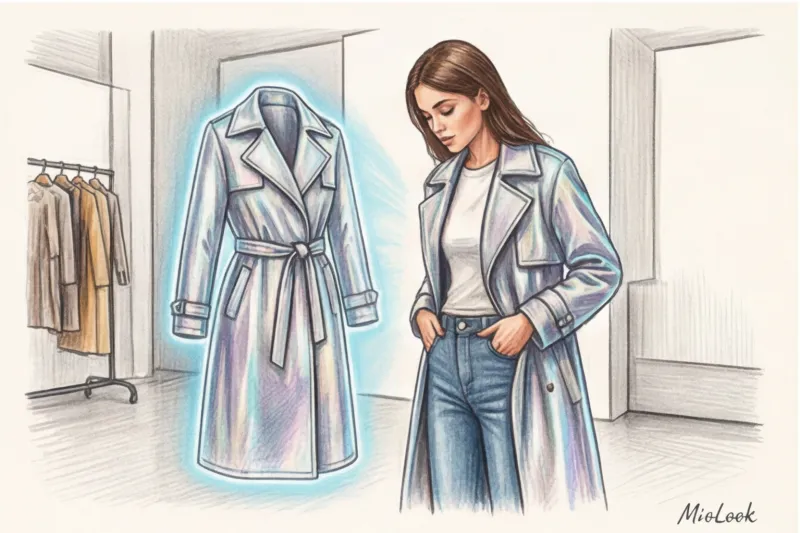
I'm not talking about funny masks on social media. As a practicing stylist and colorist, I use neural networks to put clothes on the photo customers before they spend a single cent. This allows them to test out a style, see how a trendy shade works with their natural coloring, and create a dream capsule wardrobe absolutely free. We've covered the evolution of this trend from video games to real-life wardrobes in more detail in our A complete guide to what digital clothing is and why people buy it..
In this article, I won't just give you a list of apps. We'll examine AI tools from a real-world styling perspective: how algorithms understand fabric drape, why they "break" your proportions, and how to make virtual fitting your ultimate secret weapon for mindful shopping.
Why You Should Put Clothes on Photos: From Cyberpunk to Real-World Usefulness
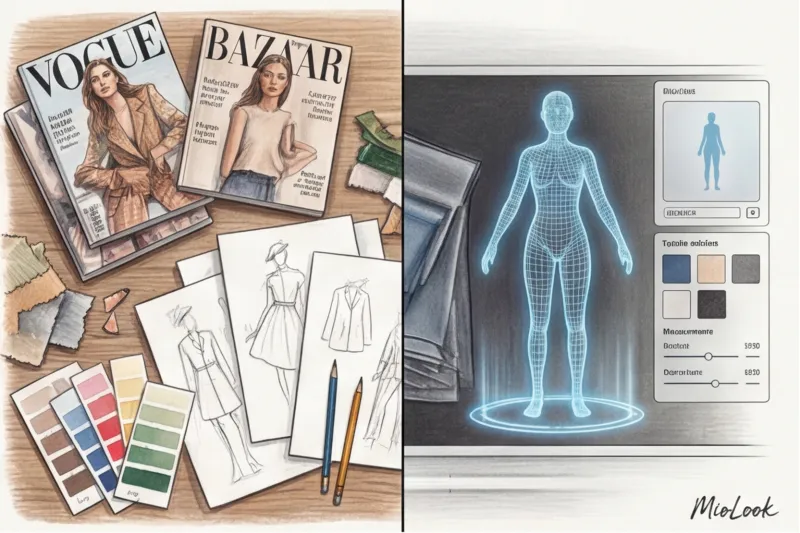
For a long time, digital fashion was seen as a geek's toy or an expensive PR stunt for high-fashion brands. Previously, creating a high-quality 3D look for an influencer required the work of a 3D artist, costing between €50 and €200 per image. Today, neural networks can do it in 15 seconds.
But the main benefit of a virtual fitting room is reducing the cost of error. Just last week, a client and I saved about €500. She desperately wanted a sophisticated neon-green jacket from a niche brand. Before placing the order, I ran her base photo through the AI, overlaying this specific color and style. After seeing the result, she herself admitted: the shade made her skin look sallow, and the jacket's stiff shoulders turned her graceful figure into a massive box. The purchase was cancelled, and the money was saved.
"Virtual fitting isn't about pretending to be someone else online. It's a powerful analytical tool for testing style without compromising your wallet or the environment."
Another common scenario in my practice is creating content for experts. A psychologist contacted me urgently needing to update the visuals for her professional blog. Her wardrobe was dominated by relaxed hoodies and jeans, and buying ten formal suits for a single photo shoot was impractical. We used neural network generation to "re-dress" her in her old, successful portraits in stylish blazers from brands like COS and Massimo Dutti. None of her followers noticed the trick.
Your perfect look starts here
Join thousands of users who look flawless every day with MioLook.
Get access — €0.99 onceHow Neural Networks Understand Fashion: A Stylist's View of Technology
When we try to superimpose clothing onto a photo, most algorithms use specialized models like OOTDiffusion or the Inpainting modules in Stable Diffusion. But AI is math, while fashion is about fabric physics and anatomy. And this is where the most interesting conflicts arise.
Firstly, reading anatomy I once tested the algorithms on a client with a pronounced pear-shaped body type (narrow shoulders, voluminous hips). If the client was standing straight up in the original photo (as in her passport photo), the neural network "missed" the actual hip size due to the lack of shadows and generated pencil skirts that would simply not button on her in real life. Therefore, a pose with a slight torso turn (3/4 view) provides the algorithm with a depth map.
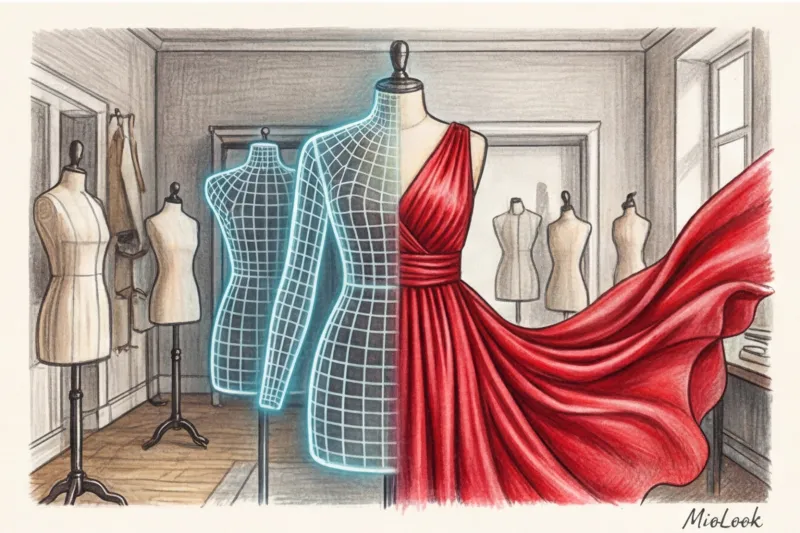
Secondly, working with textures Artificial intelligence is excellent at rendering matte, dense materials like denim, heavy cotton, and leather. However, when asked to generate velvet, silk, or intricate lace, the rendering often falters. The algorithm can't calculate how light is refracted by each microscopic fold of silk, so the fabric appears flat.
But my main pain as a colorist is color rendering and light temperature Imagine you took a great selfie in the rays of the setting sun (warm light, around 3000K). Then you ask a neural network to "dress" you in a cool emerald dress. What happens? The AI literally pastes cool-colored pixels into a warm environment. Result: the dress looks like a foreign, dirty sticker, and your face takes on a sickly yellow undertone by contrast. According to the PANTONE Color Institute (2025), mismatched light temperature is the cause of 80% of unsuccessful digital images.
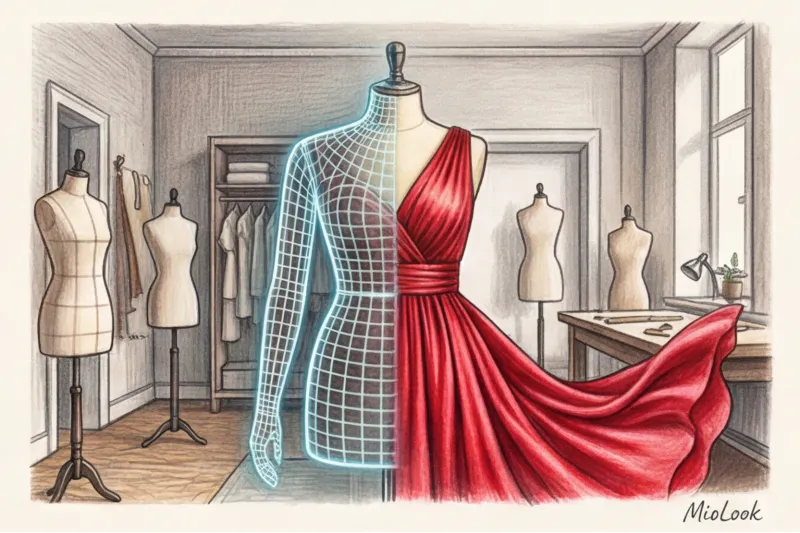
Top services and apps for adding virtual clothing to photos
The virtual fitting room market is currently overcrowded, with options ranging from niche startups to giants like Adobe. But let's be honest: many popular mobile apps are guilty of ruthlessly "eating" your waist, trying to fit your figure to a standard 3D mannequin. Below, I've divided the tools into two categories based on your needs.
Phone apps: quick results (DressX, Krea)
Whether you're looking to quickly create a creative social media post or just have fun, mobile solutions are a great choice. DressX offers a huge library of ready-made AR looks and digital 3D assets from contemporary designers. Krea.ai lets you generate looks in real time using text prompts.
- Pros: Low entry threshold, speed (1–2 minutes), huge selection of eccentric styles.
- Cons: A pronounced "plastic" effect. The lighting on the finished 3D model of the garment often doesn't match the lighting in your photograph. These apps aren't suitable for understanding how a real basic garment will fit your body.
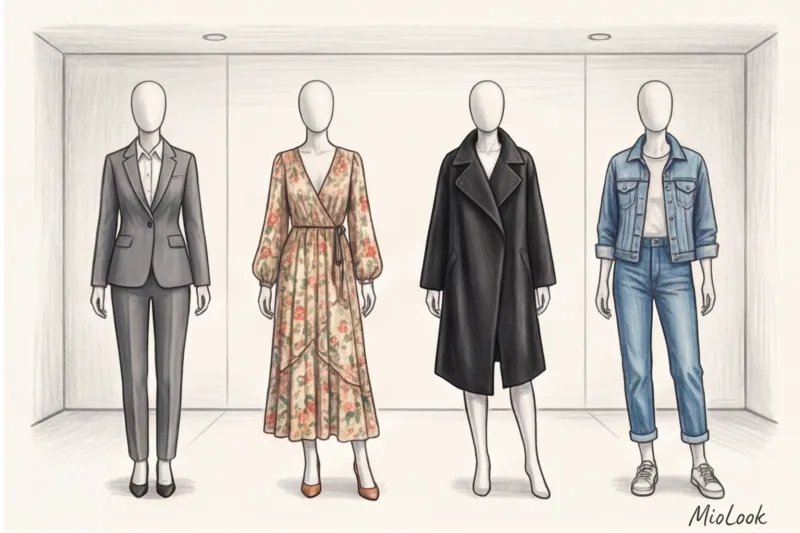
Neural networks and editors (Midjourney, Stable Diffusion, Photoshop)
For professional content and detailed stylization, I use the Generative Fill method in Photoshop or targeted models in Stable Diffusion (such as OOTDiffusion).
Here you don't stretch a ready-made 3D model, but let AI draw Clothing fits your body, taking into account anatomy and lighting. This requires basic prompt-writing skills, but the results are worth it. You can request: "Oversized double-breasted jacket in gray wool, unbuttoned, natural creases at the elbows" and get a realistic texture that will perfectly rest on your shoulders.
Ready to get started?
Try the free plan—no commitment—and start creating perfect looks with AI.
Get access — €0.99 onceGuide: How to Take a Photo to Get Perfect Fit from AI Clothes
Many people think that to get a good virtual fitting, they need to take photos in lingerie or a swimsuit. This is a popular, but absolutely false myth Human skin is difficult to render shadows on, and most AI filters have built-in censorship and will simply block the generation of a semi-naked body.
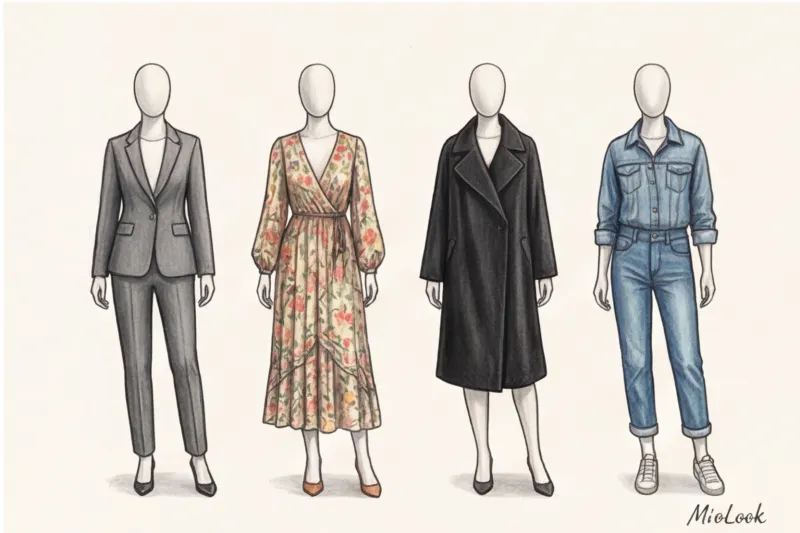
Over two years of active algorithm testing, I've developed a step-by-step checklist for preparing the ideal "canvas" for AI:
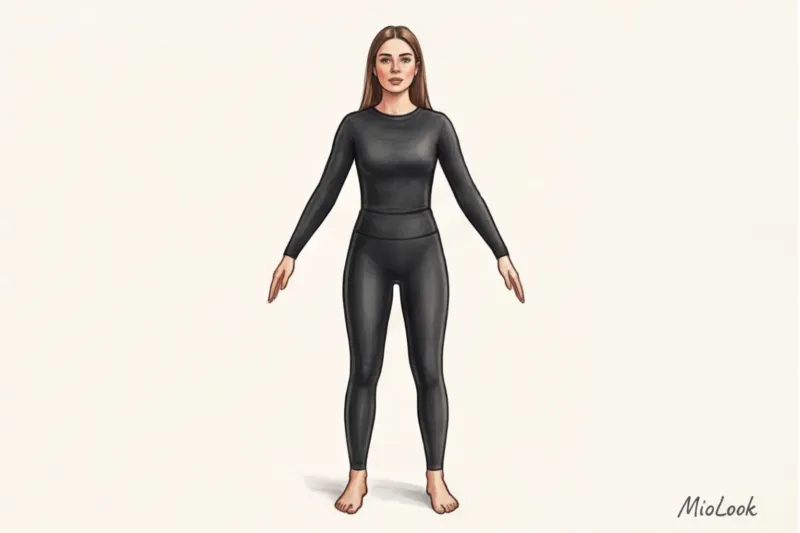
- Basic wardrobe (Canvas): The ideal option is a fitted black long-sleeve top and matte black or dark gray leggings. Black provides the neural network with an ideal map of shadows and volumes, which makes it easier to "build" new pieces on top of it.
- The danger of volumes: Never pose for an AI fitting wearing a bulky sweater or down jacket. The algorithm doesn't know that underneath the sweater is a petite woman. It will use the sweater's outer contour as your actual figure and apply the new dress over that bulk. As a result, you'll look 2-3 sizes too big.
- Lighting is everything: Avoid harsh sunlight and harsh shadows on the face. Soft, diffused light from a window on an overcast day or a studio softbox is ideal. The more neutral the light (around 4500-5000K), the easier it is for the AI to match the color of new clothing.
- Hair and arms: These are the main enemies of generation. Pull your hair into a sleek ponytail or bun—if long strands hang over your shoulders, the AI will get confused when trying to draw the jacket collar underneath. Arms should be held slightly away from the body. Crossing your arms over your chest is absolutely forbidden—the neural network will turn your fingers and fabric into a horrible mess.
The Main Mistakes of Virtual Try-Ons: Why Your Look Looks False
Even if you used a high-quality photo and an advanced neural network, the result may disappoint you. Why does this happen? The answer lies in the violation of basic laws of physics and stylistics.
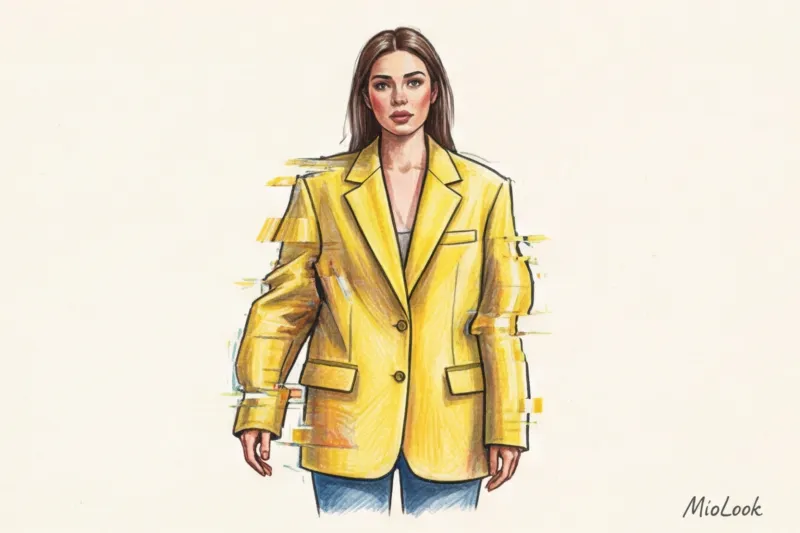
The most common glitch is a dynamic conflict. You upload a static selfie with still hair and a calm pose, but ask the AI to generate a "dress hem fluttering in the wind." Our brain instantly detects the fakery: the dress flutters, while the hair and earrings hang motionless.
The second problem is - loss of texture Sometimes AI tries to average out materials. If you ask it to generate a premium cashmere sweater (which in reality costs €300), a poorly designed photo might render it as cheap polyester. And herein lies my main counterintuitive insight for clients:
"Don't try to 'elevate' a cheap, poorly lit photo by adding digital branded items. Digital fashion only enhances the quality of the original. Sometimes it's better to buy one real, high-quality basic item than to imitate luxury in pixels."
Finally, AI is completely indifferent to your color type unless you give it clear instructions. The algorithm might suggest the trendy "peach fuzz" look, ignoring your cool olive undertone. The result? The clothes fit perfectly, but your face looks tired. Always include color temperature characteristics in your prompts (for example, "cold icy blue" instead of just "blue").
The Future of Wardrobe: How to Use AI in Real Life Today
Virtual fittings are no longer a social media focus. Today, they're a practical planning tool. How do I recommend using them in practice?
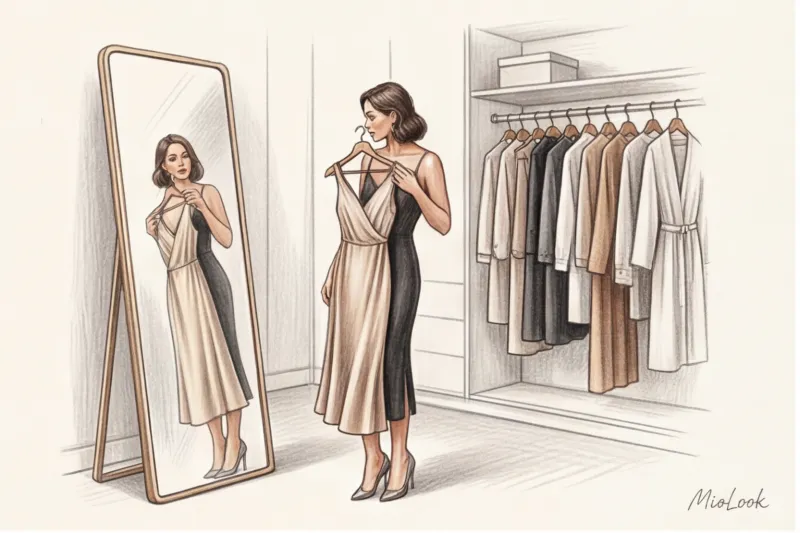
Before you go shopping, create a mood board of three or four items you're missing (for example: a sand-colored trench coat, straight-leg blue jeans, a burgundy long-sleeve shirt). Take a photo with a black base using our guide and use AI to superimpose these items onto your photo. See how these volumes and colors complement your complexion. Only then should you open the stores' websites.
The integration of such AI solutions into style management apps is fundamentally changing the way we approach things. For example, by uploading your best photos and measurements to MioLook smart wardrobe , you can not only catalog your current items, but also understand what exactly is missing for the perfect capsule by testing new combinations virtually.
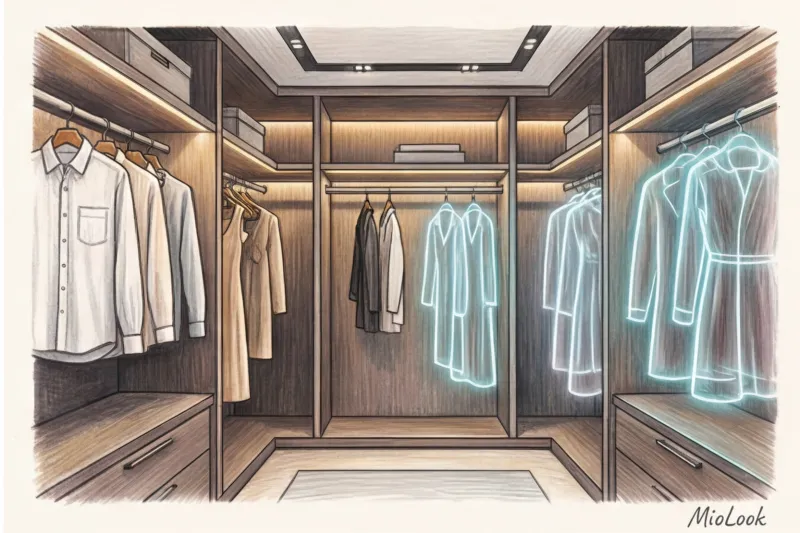
We're on the threshold of an era when your smartphone becomes your personal, experimental stylist. But for this experiment to be successful, start small: digitize your physical closet, study how your favorite pieces fit, and only then conquer virtual fitting rooms. Artificial intelligence is a brilliant performer, but you must always remain the director of your style.