What is organza?
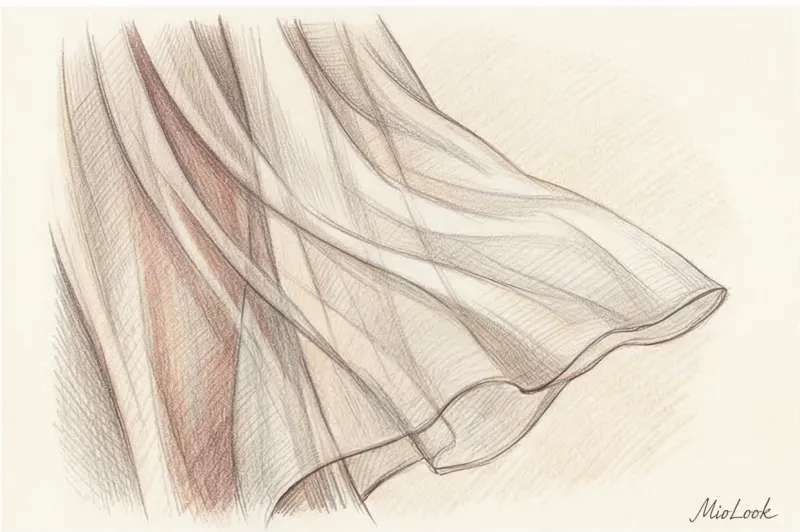
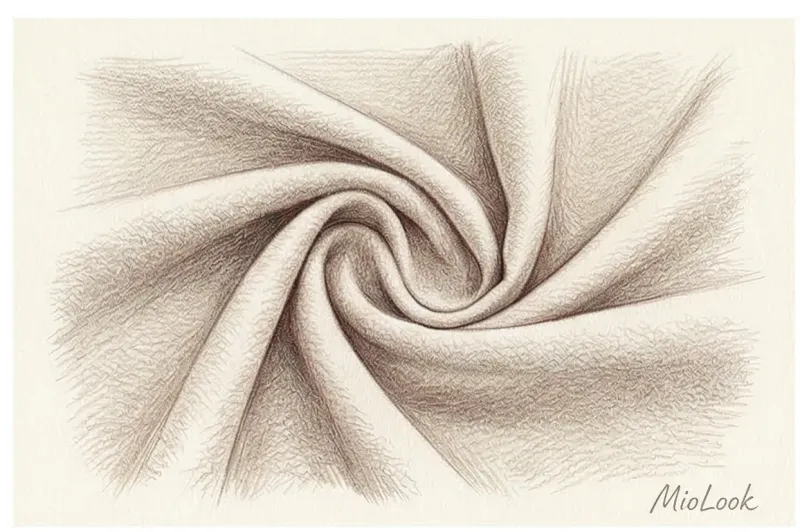
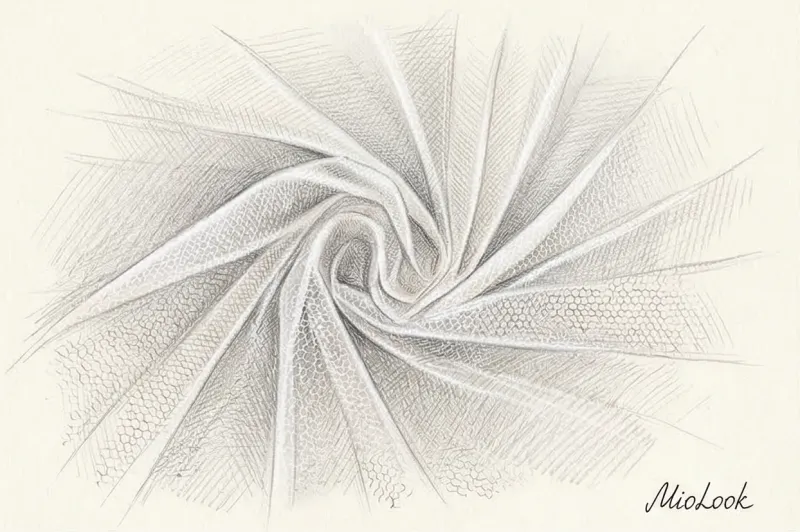
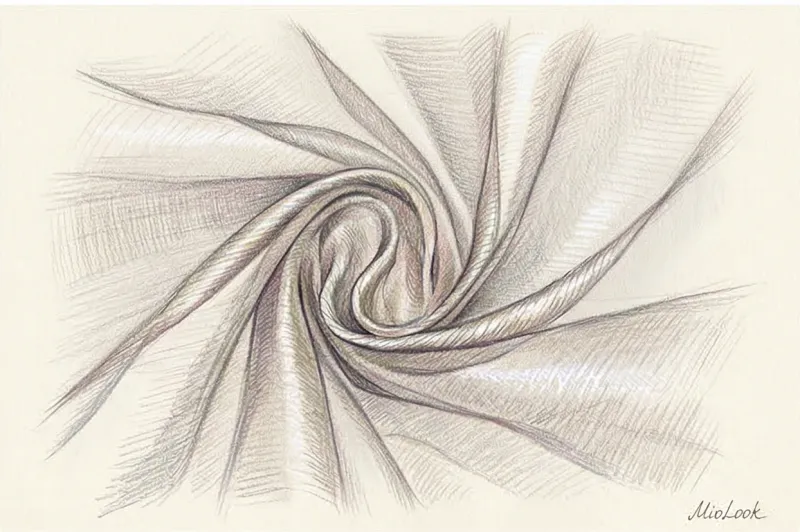
Organza - is a thin, stiff and transparent fabric that is created by tightly twisting two fibers.
To answer the question of what organza is made of, historically it was made exclusively from natural silk. In the modern textile industry, the material is more often made from polyester, viscose, or blends of the two, which significantly increases the fabric's durability and reduces its cost.
There are two main theories about the origin of the fabric's name. According to one, it derives from the ancient Uzbek city of Urgench, home to a historic silk factory. According to another, the term originates from the American brand Organzine, which produced dense silk threads.
Distinctive features and types
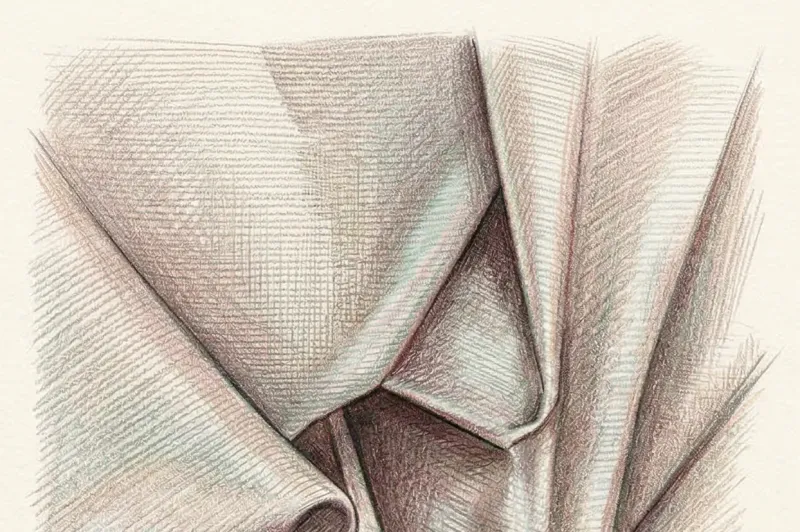
Organza's main characteristic is its combination of high transparency and rigidity. This characteristic allows the material to retain its shape perfectly and create architectural volumes in clothing without the need for additional frames.
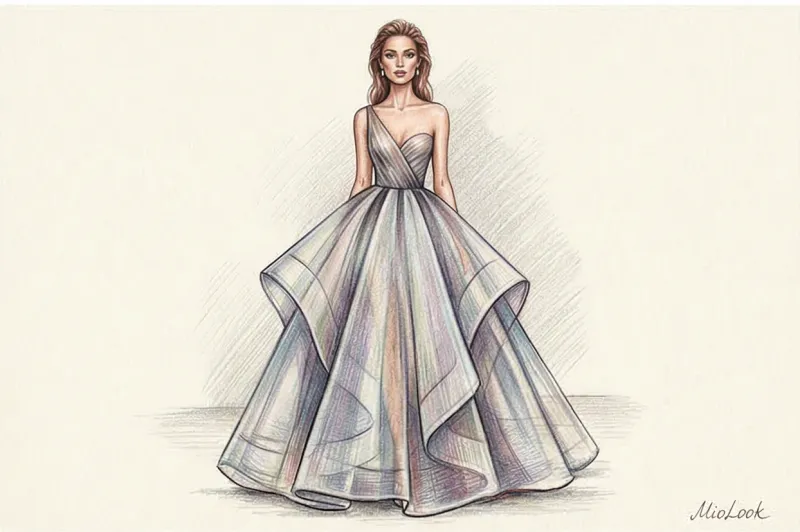
The fabric has high tear strength, wrinkle resistance, and a characteristic slight sheen. Organza comes in matte and shiny textures.
Various decorative types of this material are used in design:
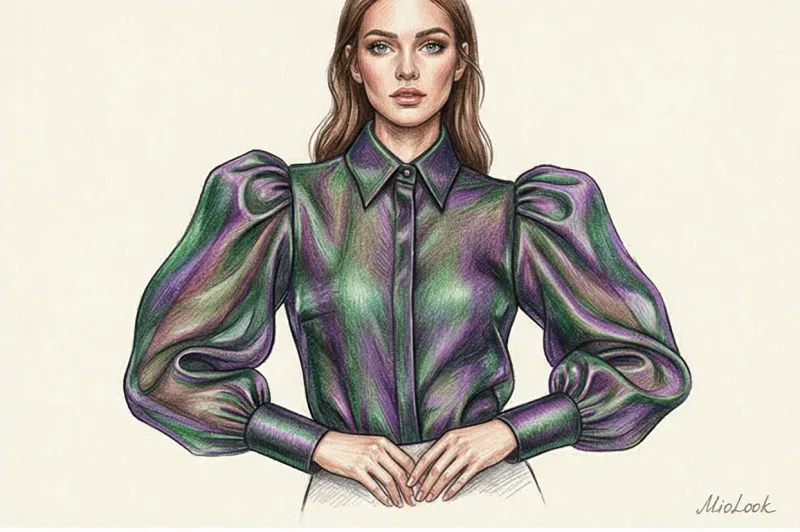
- "Chameleon" — the fabric changes color depending on the viewing angle due to the interweaving of threads of different shades;
- Crash (reaper) — fabric with fixed artificial creases and folds;
- Devore - organza with a translucent or opaque etched pattern;
- Jacquard organza - a material with large woven patterns.
Application and care
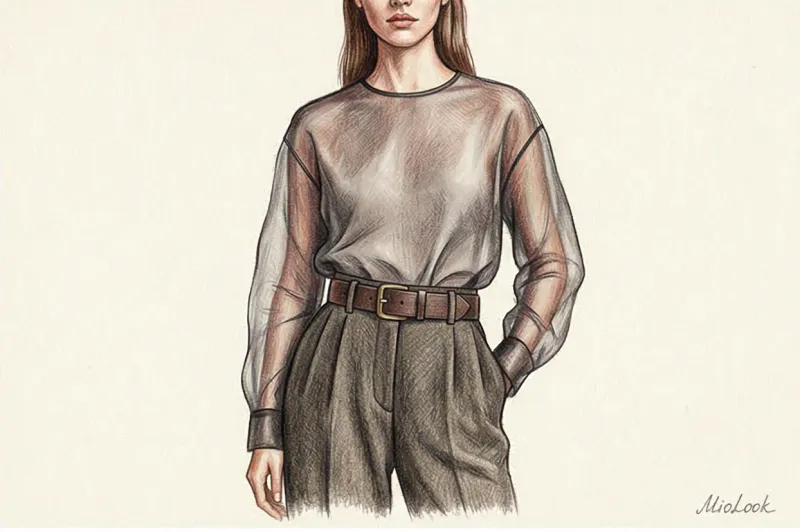
In clothing design, organza is used to create voluminous elements. It's used to create puffy puff sleeves, layered skirts, evening dresses, and also to create translucent blouses and decorative capes.
The principle of contrasting textures is used in styling everyday and evening looks. Lightweight yet stiff organza is combined with dense, heavy materials: smooth suiting wool, denim, matte leather, or thick cotton.
Organza items require delicate care. Hand or gentle machine washing at a temperature no higher than 30°C (86°F) is recommended, with no heavy spinning. Iron the fabric while still damp at the lowest temperature, using the "silk" or "synthetics" setting.
It's preferable to iron the material using a steam iron. Direct steam is strictly avoided, as it can deform the twisted fibers and rob the fabric of its characteristic stiffness.