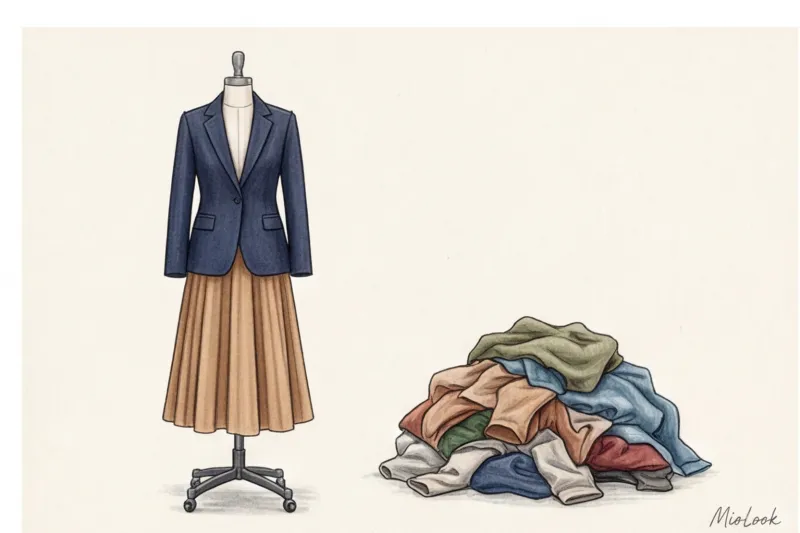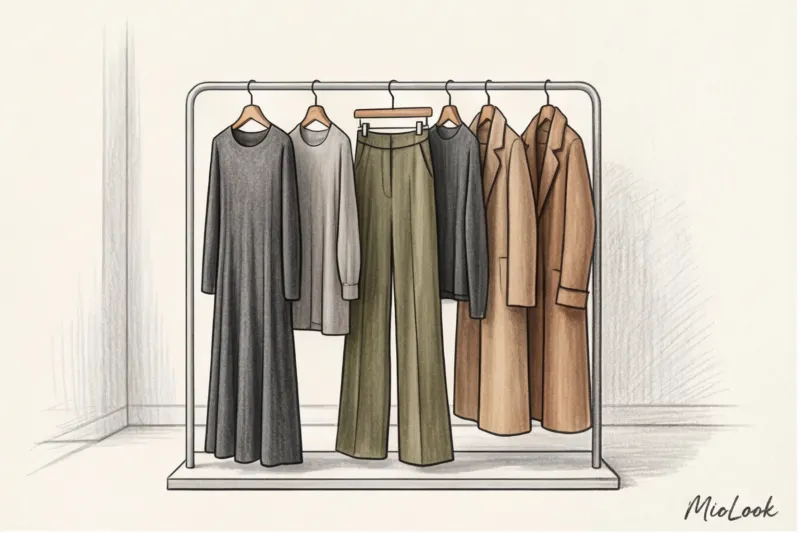
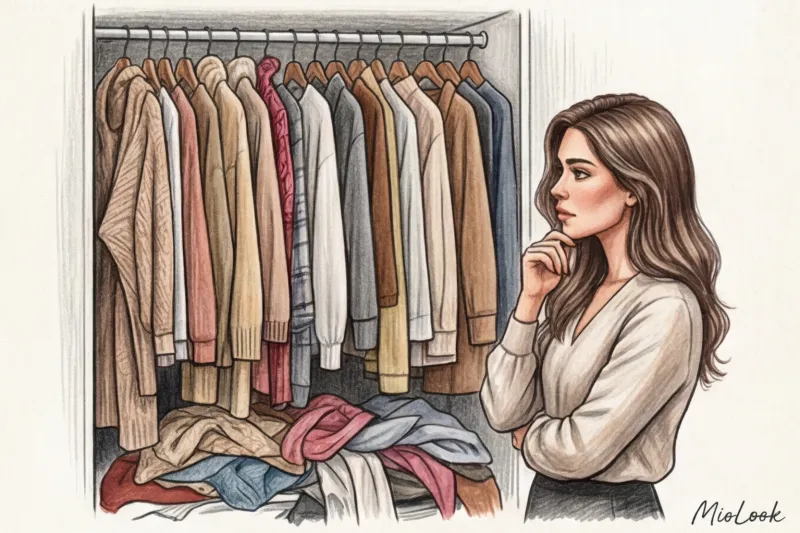
Have you ever noticed that trying to dress modestly often turns your closet into a warehouse of knitted sweaters? Over 14 years as a stylist, I've seen this scene hundreds of times. A woman decides to cover her shoulders and cleavage, and instead of buying one perfect piece, she buys a dozen turtlenecks to wear under her summer sundresses. The result is the notorious "cabbage effect," visual excess weight, and a constant morning feeling of "I have absolutely nothing to wear." We discussed the evolution of this style in more detail in our The Complete Guide to a Basic Wardrobe for Modest Fashion.
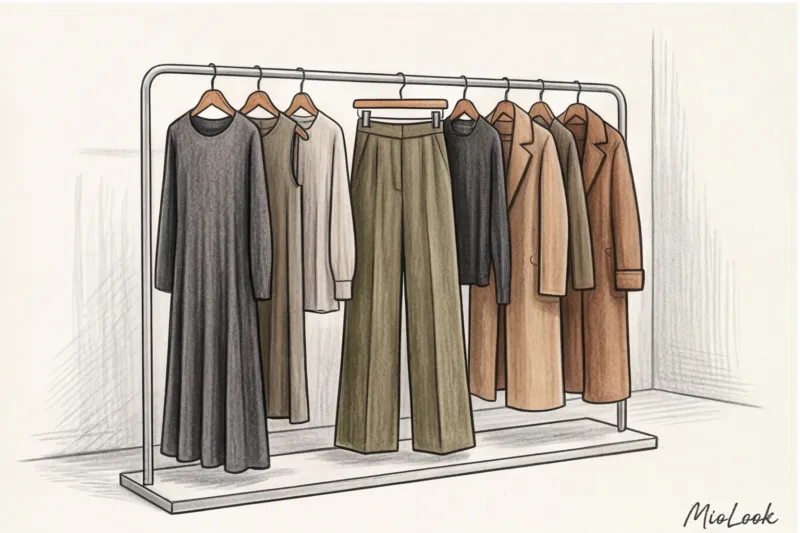
Today I want to talk about how technology is changing the rules of the game. By creating smart wardrobe, closed clothing It's no longer a daily puzzle if you use digital tools and an architectural approach to cutting, rather than trying to salvage ill-fitting items.
The Layering Trap: Why a Closed Wardrobe Requires a System
One of my clients, Amina, came to me with a typical problem. Her closet was bursting with 150 items, but she couldn't get dressed. Do you know what the problem was? Almost 70% of her wardrobe served solely as "covers" or "linings." She had about 20 thin cardigans in every imaginable color, all serving the same purpose: to hide her exposed arms in short-sleeved dresses. And an equal number of long-sleeved tops, worn under strapless dresses.
The statistics are merciless: when spontaneously switching to a closed style, women, on average, increase their wardrobe size by 30%, trying to combine old revealing pieces with new covering layers. This is a dead-end path that only clutters the shelves. The myth that modest fashion requires constant layering is a major pitfall for your budget and style.
Access to MioLook for €0.99 — one-time payment
A smart AI stylist will choose the perfect look for you.
Get access — €0.99 onceThe Anatomy of a Modest Capsule: Investing in Architecture
The 2024 report by global fashion platform Lyst Index clearly documented a curious shift: intelligent minimalist brands like The Row and Lemaire have established themselves at the peak of popularity. Their aesthetic is built on closed-toe silhouettes that appear luxurious precisely because of the absence of chaotic layering. As noted in the global report by DinarStandard, modern socialites embrace closed-toe aesthetics for their status and elegance.
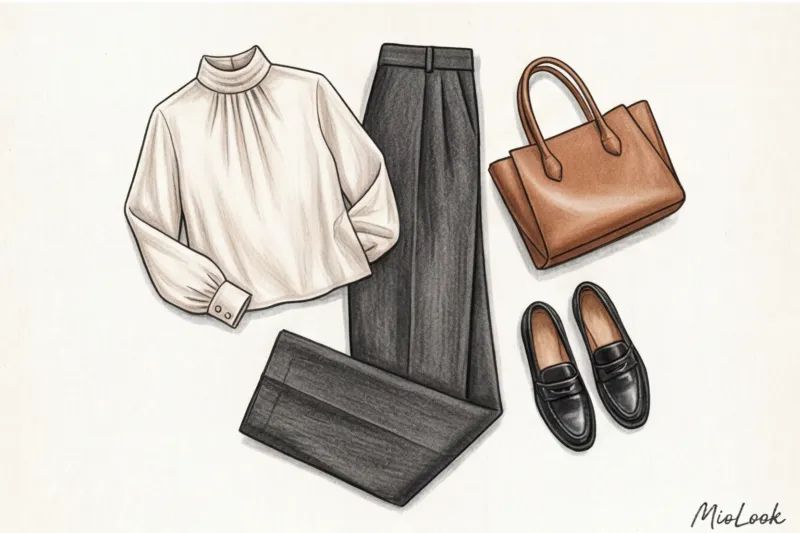
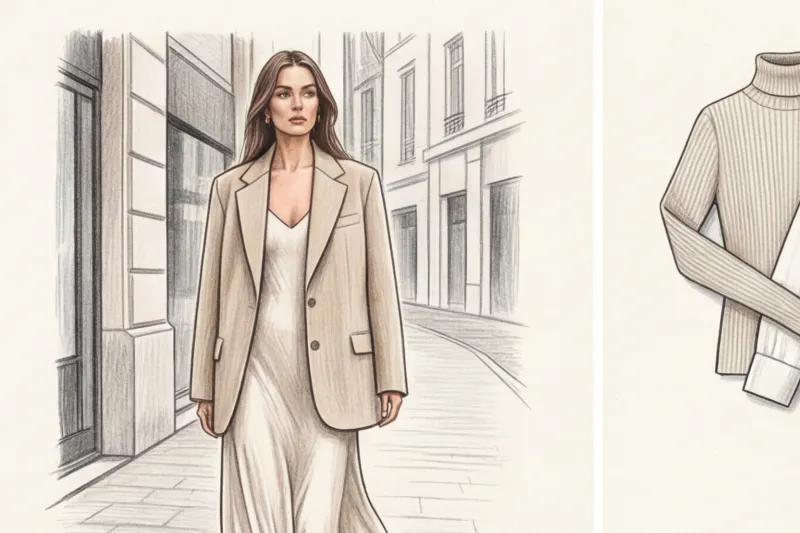
The secret to a luxurious look lies in completely abandoning "crutches"—items you buy only to salvage another failed item. A well-designed wardrobe is built on the rule of three confident lengths: a full maxi, a midi paired with the right trousers, and a longer top. The density and weight of the material are always more important than the number of layers.
The Basic Elements That Decide Everything
For a capsule to work, it needs to have the right foundations. Here are the specifics I require from my clients while shopping:
- Wide-leg palazzo pants: Forget thin polyester that clings to your legs. Look for thick wool (at least 60% wool) or heavy viscose that flows, holds your creases, but doesn't cling to your hips as you walk.
- A-line maxi dress with long sleeves: A completely self-sufficient piece. It should be cut in such a way that you don't want to wear a T-shirt underneath it and throw a jacket on top.
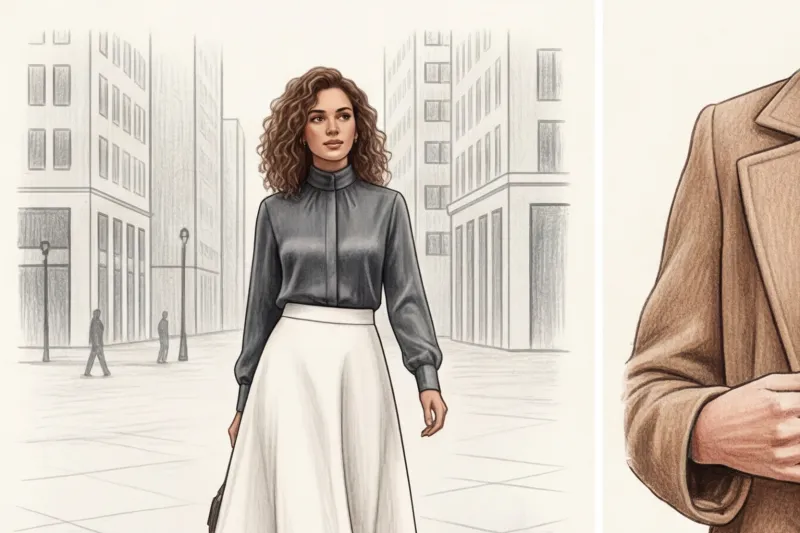
- Loose shirt: We look for thick Oxford cotton (at least 180 g/m²). The key test: if the outline of the underwear is visible through the fabric on the back in daylight, the item stays in the fitting room.
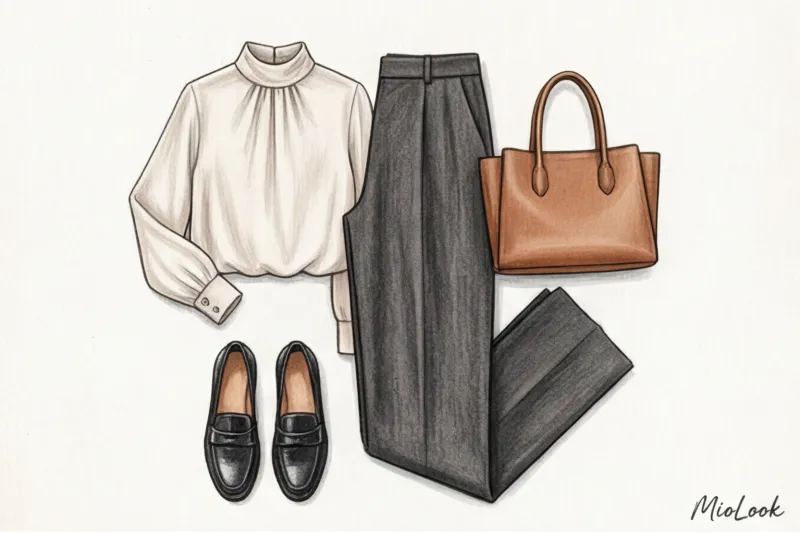
Digitizing Style: How to Use a Closed-Length Clothing App
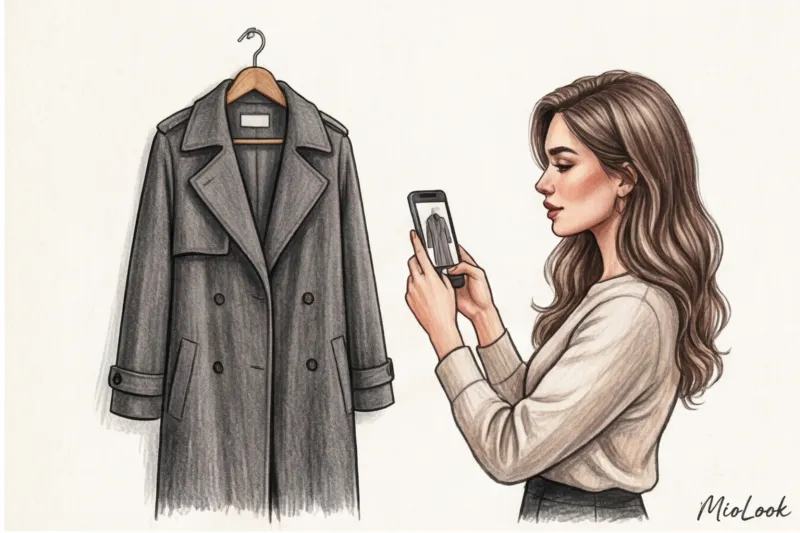
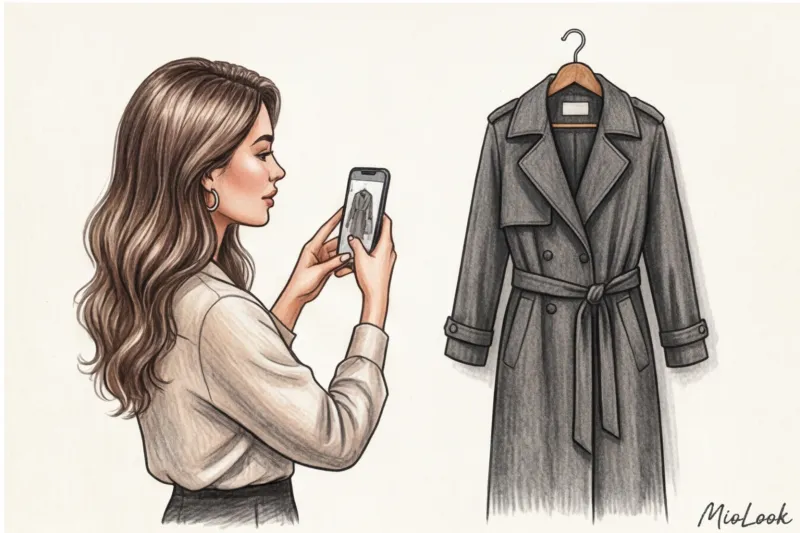
Once we've assembled the right base, technology comes into play. In my experience, fully digitizing my wardrobe capsule in an app reduces my morning getting ready time from a painful 18 minutes to a calm 4. I always recommend uploading your clothes to a digital closet, as the human brain isn't capable of keeping 50 items of clothing and all their combinations in its working memory.
In the appendix MioLook You can create the perfect tagging system, which is crucial for modest fashion. You don't just type "blue dress." You create functional tags: "high collar," "maxi," "non-see-through," "long sleeves." In the morning, instead of rummaging through hangers looking for that perfect collarbone-covering blouse for a formal meeting, you simply open a virtual shelf with the right filter.
Your perfect look starts here
Join thousands of users who look flawless every day with MioLook.
Get access — €0.99 onceSmart Wardrobe: Cover-Ups and Rules for Ideal Proportions
When you constantly wear oversized or maxi-length clothes, there's a huge risk of looking like a shapeless "mountain of fabric." And here I should clarify: this is where my advice about voluminous, covered-up pieces doesn't work universally. If you're petite, a total oversize (a wide dress + an enormous trench coat) without visible focal points will make you appear shorter and wider.
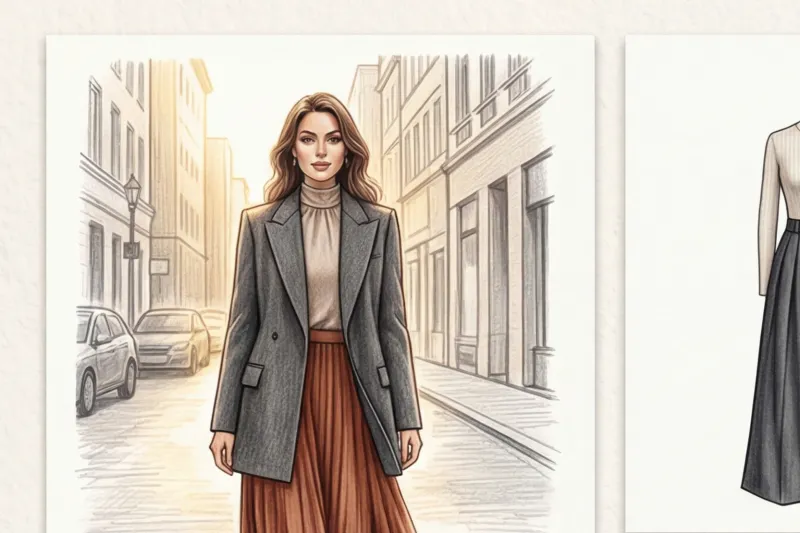
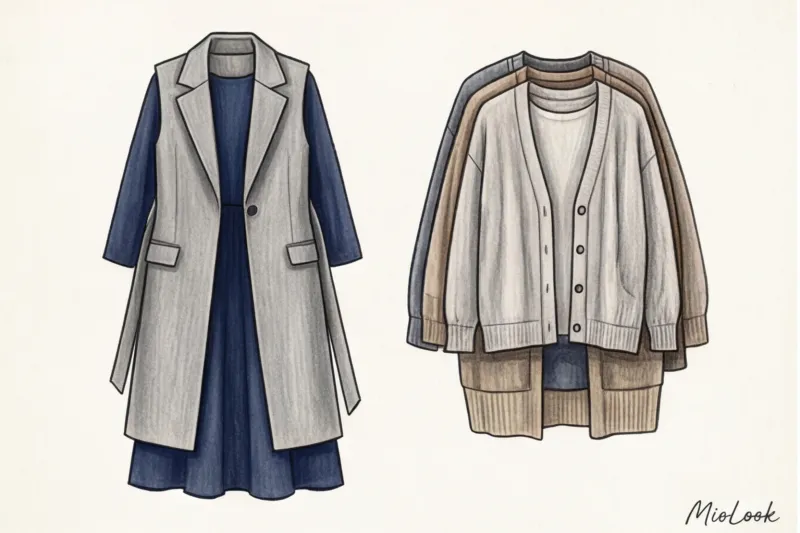
Correctly constructed smart wardrobe closed clothing The dominant style strictly adheres to the golden ratio: the proportions are 1/3 to 2/3. What does this mean in practice? If you're wearing a high-necked outfit, never divide your figure in half. Use a long, structured vest (2/3 of your height) and a skirt that peeks out from underneath (1/3). The app's outfit-building algorithms allow you to check these proportions using collages before you even take anything out of your closet.
Playing with textures instead of playing with the body
Since we're removing exposed skin (which in traditional looks serves as visual dividers and allows air to circulate through the outfit), the viewer's eye needs something to catch the eye. Dressing in smooth cotton from head to toe will result in a dull and flat look.
My favorite stylist formula for a closed-off monochrome look: combine matte, shiny, and fluffy colors in one outfit. Wear a thick, smooth silk skirt, an oversized, chunky wool sweater, and carry a structured, polished leather bag. You're covered from head to toe, but the look still looks expensive and textured.
Common Mistakes (and How the App Prevents Them)
Even women with impeccable taste stumble over the same rake when creating a modest capsule wardrobe. Smart wardrobe analytics on your smartphone helps you spot imbalances before you blow your entire salary on them.
- Buying translucent blouses Thinking, "No big deal, I'll just wear a basic top underneath." The app will immediately show you on a diagram that you're wearing too many "problem" tops. Each such top requires an extra layer, which means it adds extra bulk and heat in the summer.
- Excess of thin, tight knitwear. It's counterintuitive, but a thin, tight cardigan with small buttons is the sworn enemy of modest fashion. It cheapens the look and highlights the bulge you were trying to hide. Replace it with a thick suiting vest or a loose jacket with a sharp shoulder line. The exception? Thin knitwear is only acceptable as an invisible base layer in severe frosts.
- Silhouette cloning. If you've found a flattering style of dress, it's tempting to buy it in five colors. The program will mercilessly highlight this imbalance: you have 10 identical silhouettes, meaning zero wardrobe variety. You always look the same.
A step-by-step plan: from chaos to system in your smartphone
This checklist is based on my signature wardrobe-clearing method, which has been used by over 300 clients. It doesn't require weeks of agonizing deliberation—you can implement it in a single weekend, phone in hand.
- Step 1: Hard revision. Take out absolutely everything. Put away any unnecessary items (boleros, tight-fitting tops, short cardigans) in the box. Leave only what you can put on comfortably and easily on the railing.
- Step 2: Digitizing the database. Take photos of the remaining correct items in good daylight and upload them to your digital closet.
- Step 3: 15 Set Method. Create at least 15 "blind" looks in the app—those that work on their own. No layering of T-shirts or capes. If you can come up with fewer than five, your current capsule isn't working; you're just hanging on by crutches.
- Step 4: Smart Shopping. Analyze visual gaps using the app. What's missing to complete the proportions? Add specific items to your shopping list. Instead of writing, "I need something warm and covered," write, "a structured, long vest in a graphite color made of dense fabric."
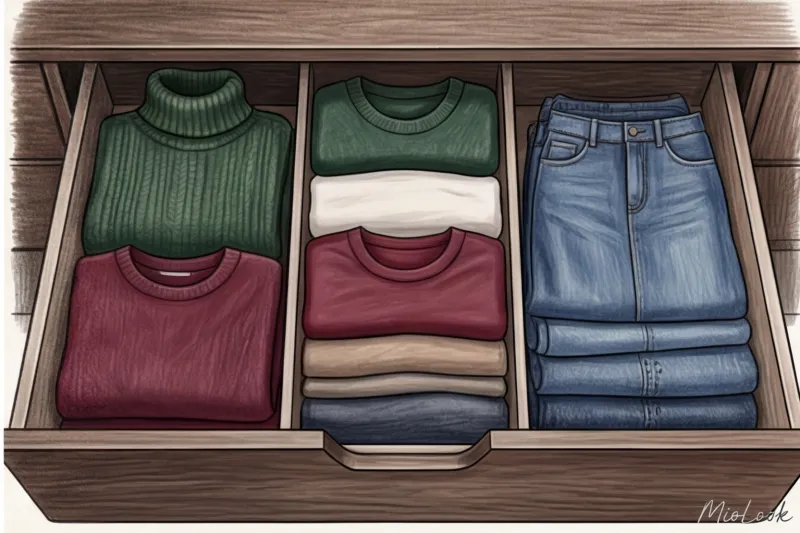
Ultimately, modest fashion isn't about shyly hiding behind dozens of layers of shapeless fabrics. It's the art of wearing architectural, high-quality pieces with dignity. Stop buying knitted patches for ill-fitting outfits. Invest in self-sufficient clothing, manage it digitally with your smartphone, and you'll be amazed at how much free time, closet space, and confidence you'll have each morning.