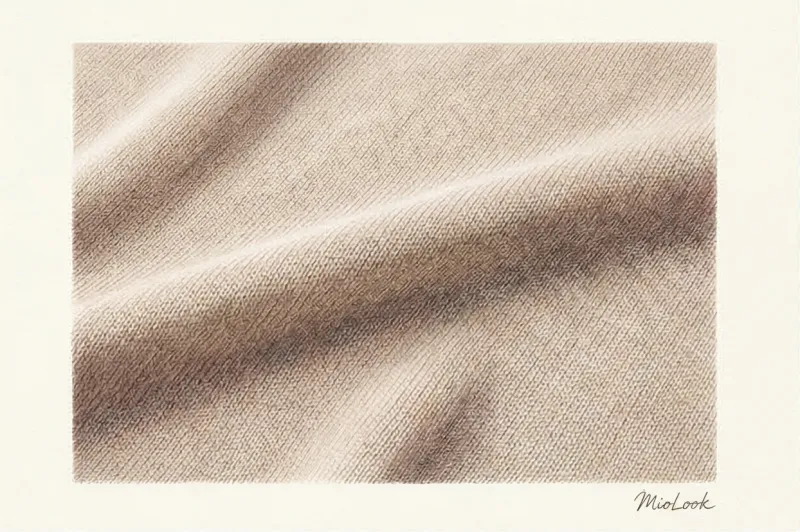
What is Merino wool?
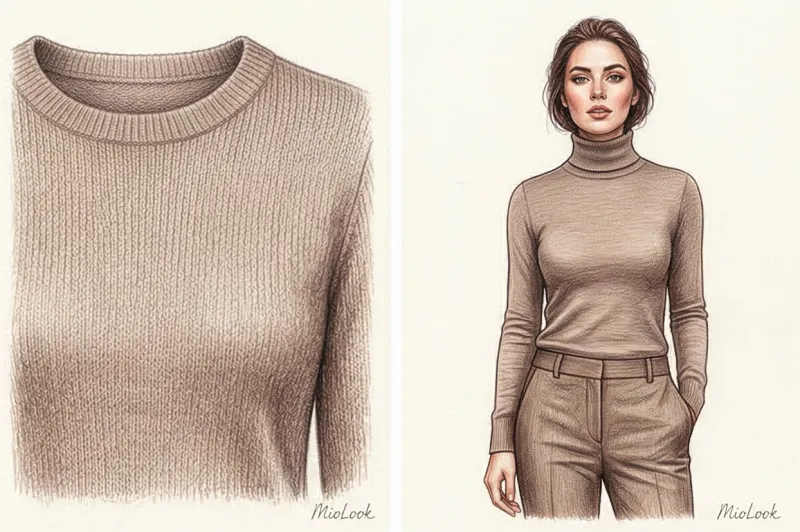
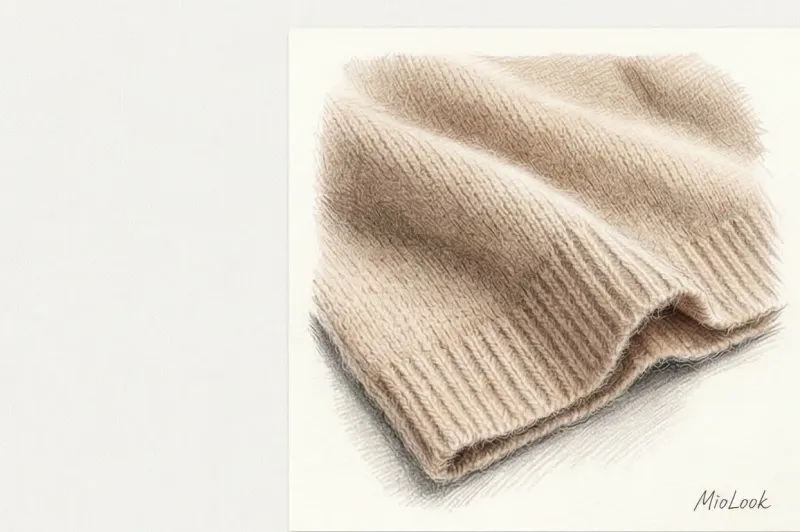
Merino — is a natural fiber obtained from the fleece of sheep of the fine-wool breed of the same name.
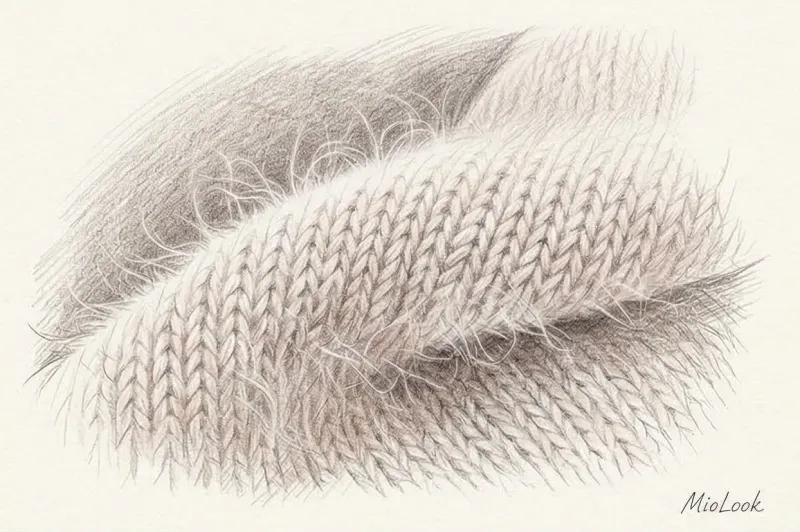
Historically, this breed originated in Spain, but today, Australia and New Zealand are the world's leading suppliers of this raw material. When understanding merino wool, what this material is, and why it is so highly prized, it's important to note its physical characteristics. The most important of these is the extremely fine hair thickness, which ranges from 15 to 24 microns. This allows the yarn to be significantly finer, lighter, and softer than traditional sheep's wool.
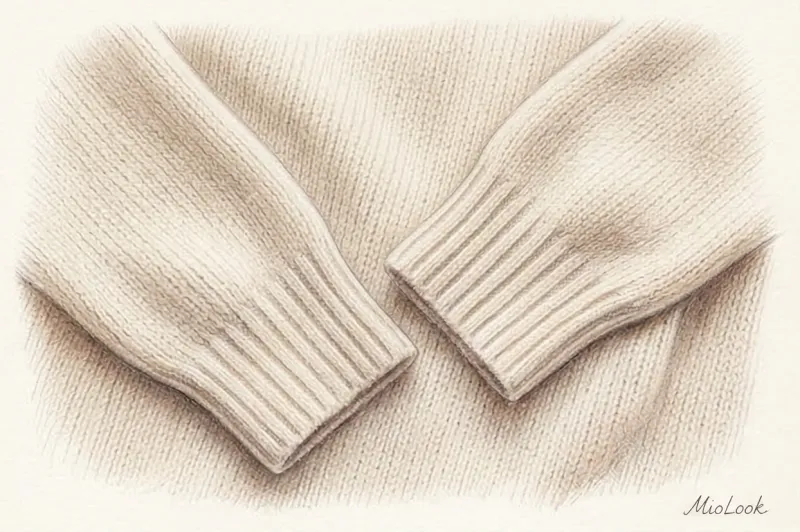
In the modern fashion industry, this raw material is used to create smooth knitwear, including basic turtlenecks, jumpers, and cardigans. It is also used to produce high-tech thermal underwear and premium suiting fabrics.
Distinctive properties
The key advantage of this material is its high tactile comfort. Due to its thinness, the fibers bend easily when in contact with the skin. This completely eliminates the prickly, irritating sensation often associated with traditional wool garments.

Merino yarn has exceptional thermoregulation properties. The porous structure of the fibers creates a microscopic air gap. It reliably retains body heat in winter while effectively wicking away excess moisture, preventing overheating in warm rooms.
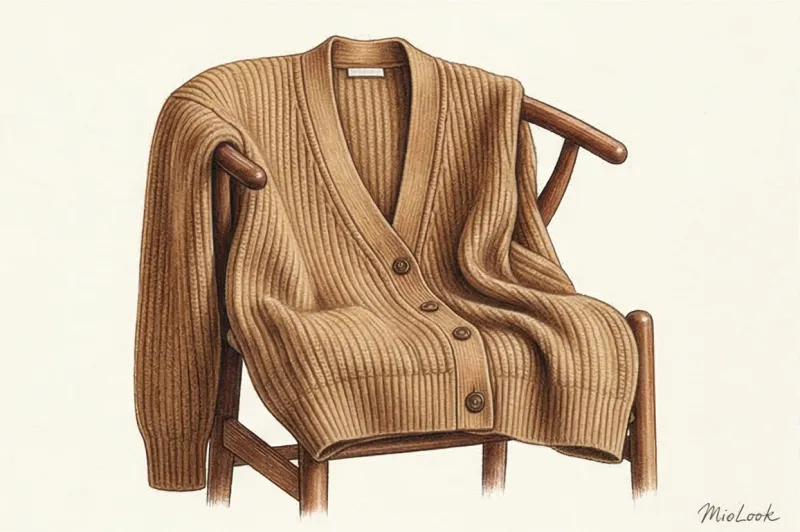
The material is highly hygroscopic and can absorb up to 30% of its own weight in moisture while remaining completely dry to the touch. The natural animal wax lanolin contained in the fibers prevents bacterial growth and neutralizes unpleasant odors.
Merino yarns have a natural elasticity. They spring back when stretched and easily return to their original shape. This allows knitwear to wrinkle less during wear and prevent stretching at the elbows.
How to care
Merino knitwear requires a delicate approach to washing. Machine wash on the "Wool" or "Delicate" cycle at a temperature no higher than 30°C. Use only special liquid detergents designed for wool and silk. Harsh detergents, fabric softeners, and bleaches are strictly prohibited.
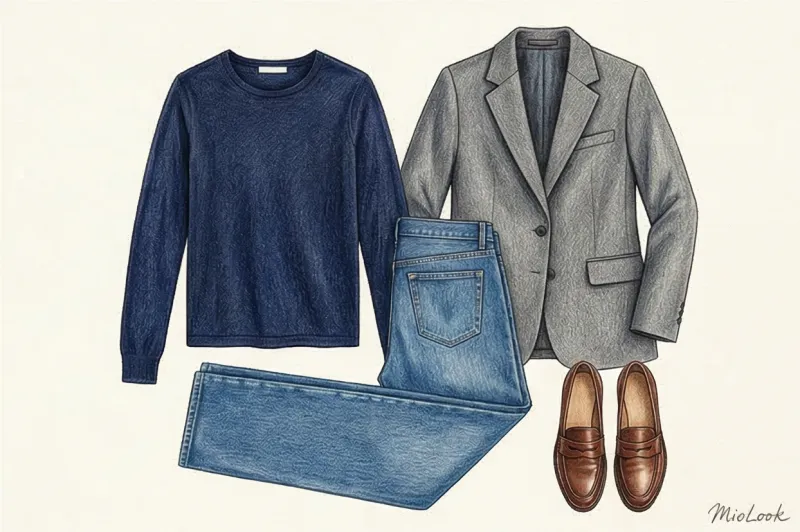
Dry these items only horizontally, laying them flat on a flat surface. Store them away from direct sunlight and radiators. Twisting and tumble drying are strictly prohibited, as this will cause irreversible shrinkage and deformation.
Merino knitwear should only be stored folded on closet shelves. Hangers are not recommended, as they stretch under their own weight and cause shoulder seams to become deformed. To protect the material from moths, sachets of dried lavender or cedar blocks are recommended.