What is facial contouring?
Facial contouring — is a makeup technique that uses the play of light and shadow to visually correct the shape of the face, highlighting its contours and concealing asymmetry.
The basic principle of the technique is based on optical illusion. Dark shades visually recede and shrink areas, creating shadows, while light shades bring them closer and enlarge them, adding volume. Initially, dense contouring was used exclusively in theatrical makeup to alter actors' facial features on stage.
In the 2010s, the technique was adapted for everyday use. The modern approach has evolved from the bold, graphic lines popular on social media in previous years to a soft, subtle, natural correction.
Main types
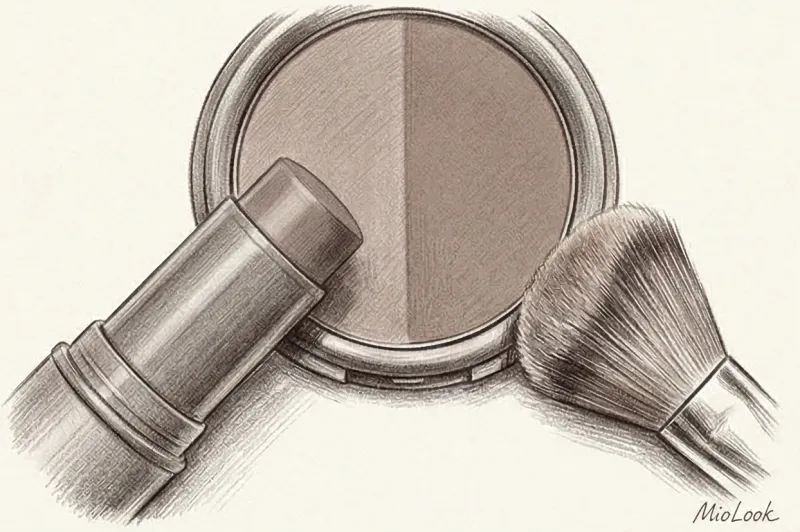
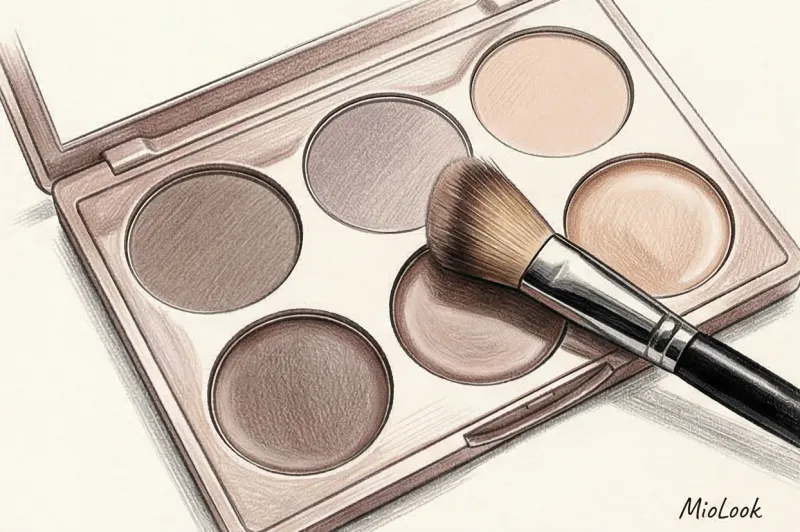
Cream contouring is done with dense sticks, liquid contouring products, or cream palettes. The texture requires careful blending with a damp cosmetic sponge or a dense synthetic brush. This type of contouring blends seamlessly with foundation, is suitable for dry and normal skin, and is often used for evening makeup and studio photo shoots.

Powder contouring is created using pressed or loose powders in a taupe shade. The product is applied with fluffy, angled brushes over setting powder to create a soft, natural shadow. Powder textures are ideal for oily skin and quick daytime makeup looks.
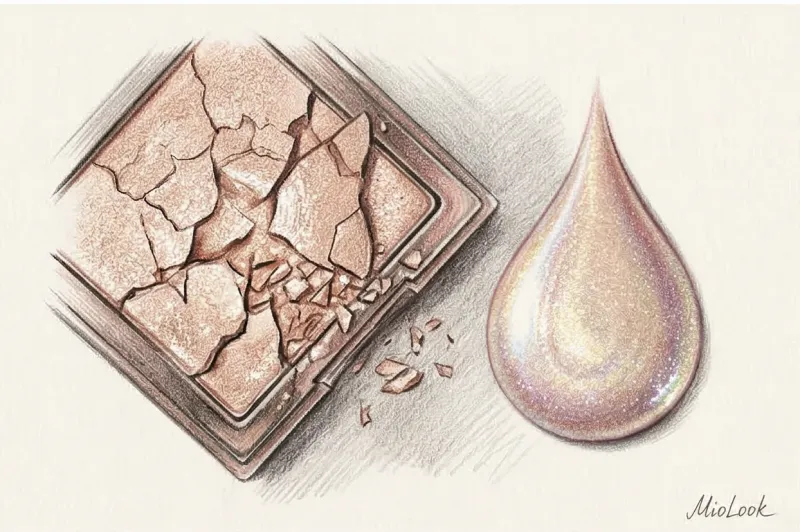
Draping and non-touring are modern alternatives to classic contouring. Draping uses blush in various shades to create facial contouring, while non-touring eschews dark contouring products in favor of light, shimmering textures and highlighters.
How to use
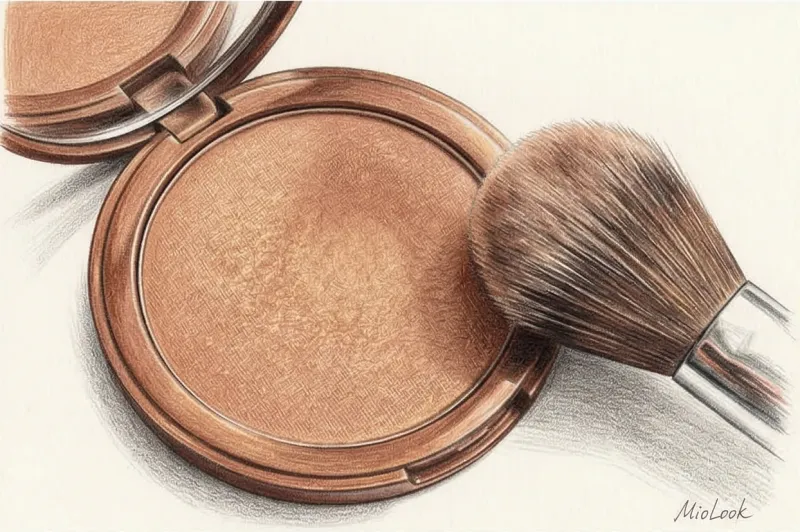
To create a realistic shadow, use a contouring powder with a cool grayish or olive undertone, mimicking natural darkening. Warm red shades (bronzers) are used only for a light tan effect and are not suitable for shaping the face.
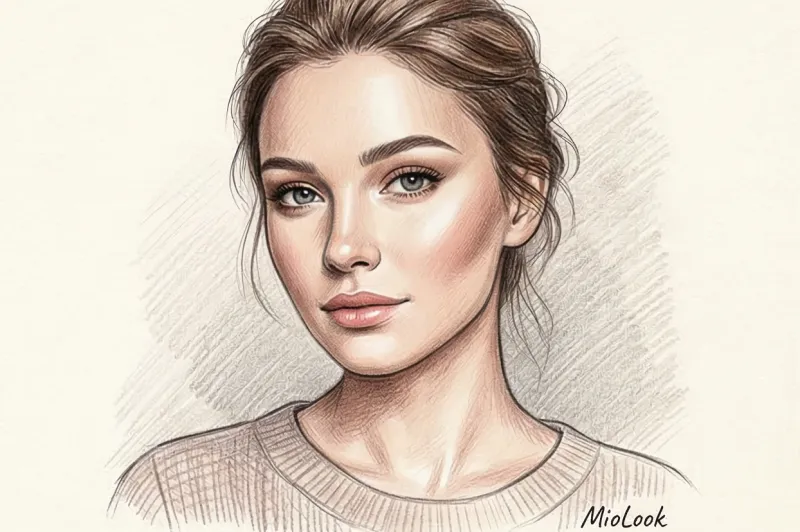
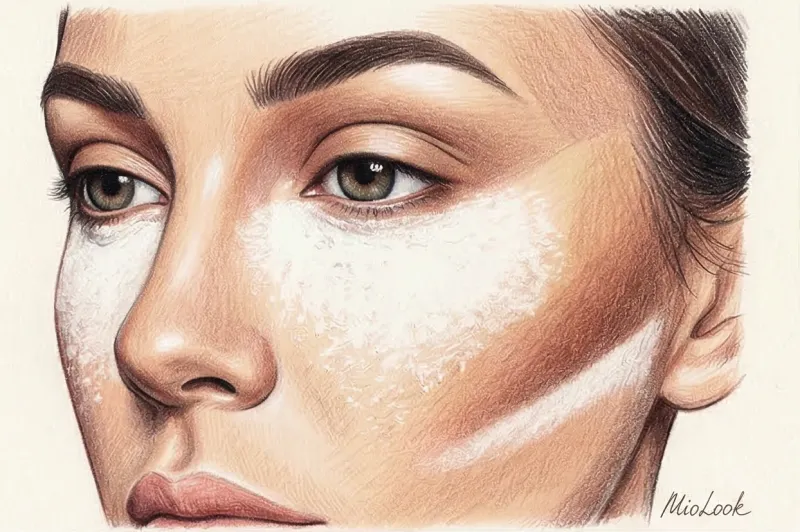
The basic application scheme involves applying a dark pigment to the cheekbones, along the hairline on the forehead, on the sides of the nose, and along the jawline. A light pigment, in the form of a concealer one to two shades lighter than the skin tone, is applied to the protruding areas: the cheekbones, the bridge of the nose, the center of the forehead, and the chin.
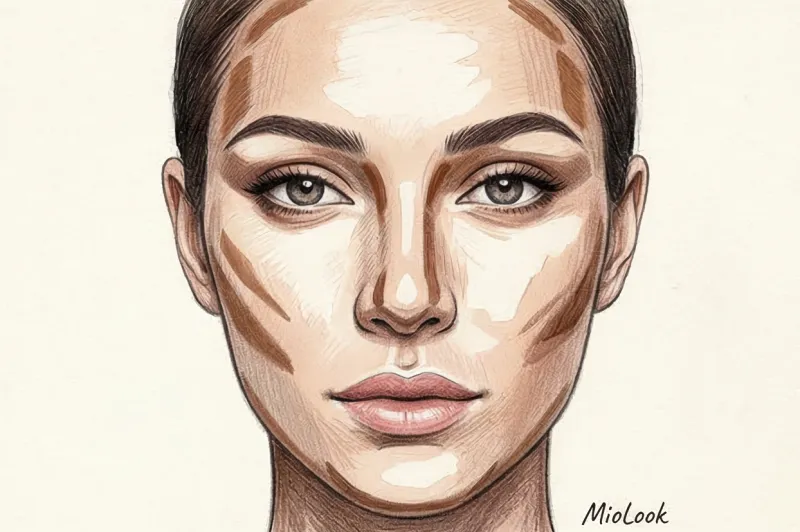
Contouring lines are always blended upward. This helps visually lift facial features and avoid the appearance of sunken cheeks or dirty spots on the skin.