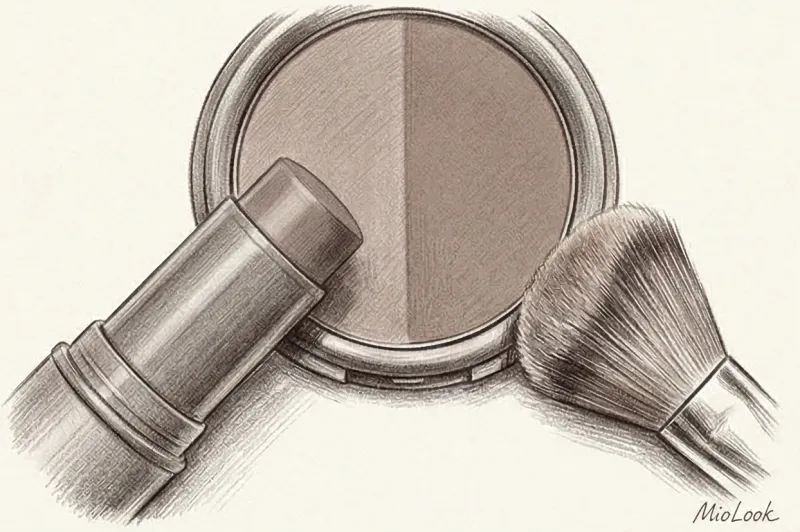
What is a facial sculptor?
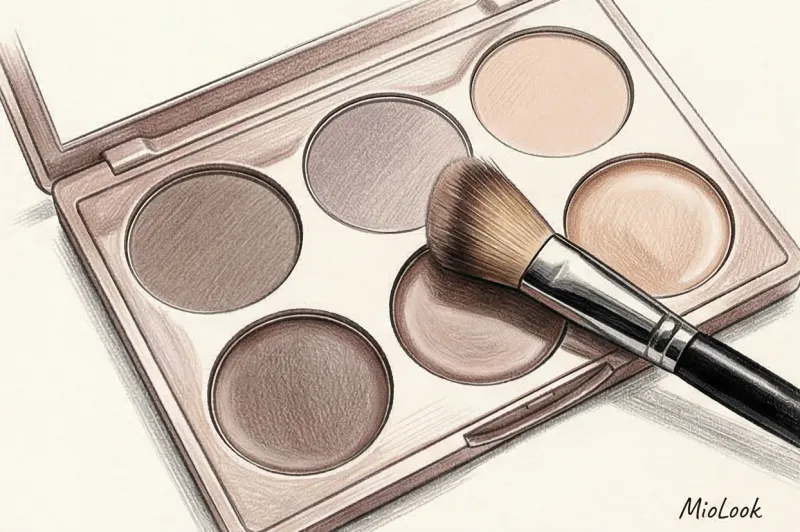
Sculptor (or contouring) is a cosmetic product designed to create artificial shadows on the face in order to visually correct its proportions and emphasize its relief.
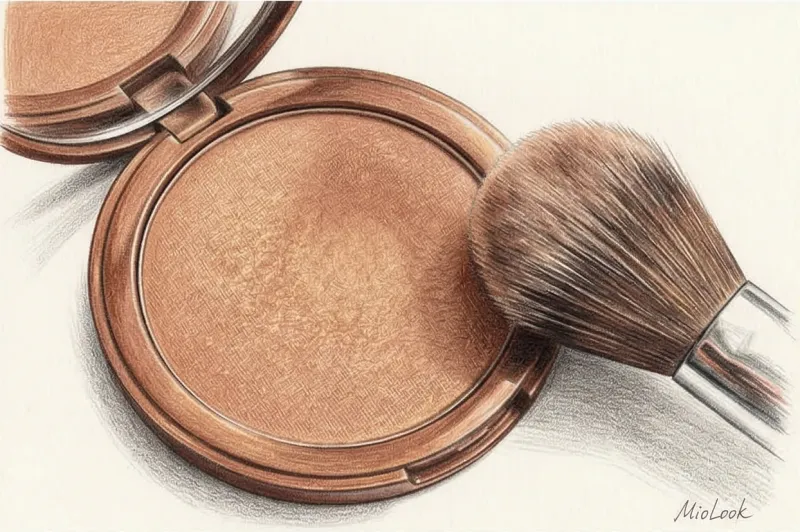
The main difference between a contouring foundation and a bronzer is their shade. A contouring foundation has a cool or neutral grayish-brown undertone that mimics natural shadows. A bronzer, on the other hand, imparts a warm, tanned glow to the skin.
The product has a matte finish without shimmer or reflective particles. This creates a realistic illusion of hollows, visually reducing volume where needed. In professional makeup and when preparing for photo or video shoots, the contouring tool restores natural volume to the face. This volume is often lost after applying heavy foundation and under bright, directional lighting.
Main types
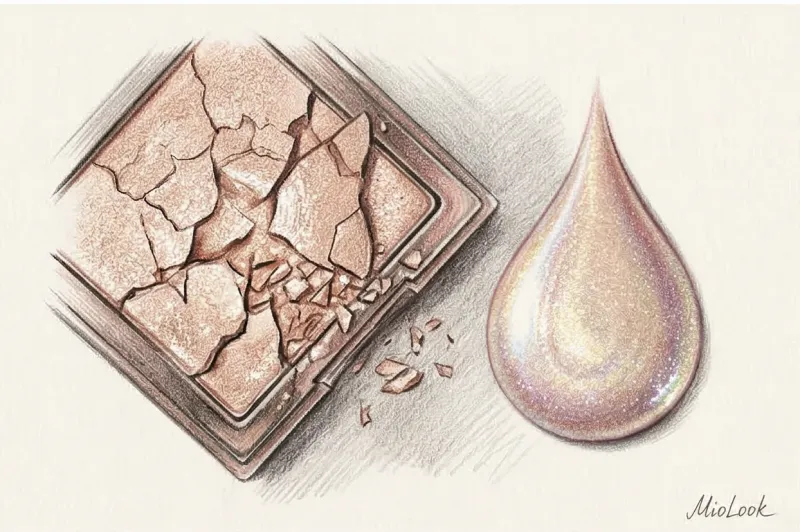
The cosmetic market offers products with different textures, suited to specific skin types and needs. Dry (powder) contouring products are applied with a fluffy brush and are easy to blend. They are suitable for oily and combination skin, and due to their ease of use, they are recommended for beginners.

Creamy foundations come in palettes or jars. They create a natural, immersive finish and are ideal for dry or mature skin. Stick foundations offer a dense, creamy formula in compact packaging. The stick allows for precise lines and is convenient for quick makeup applications and travel use.
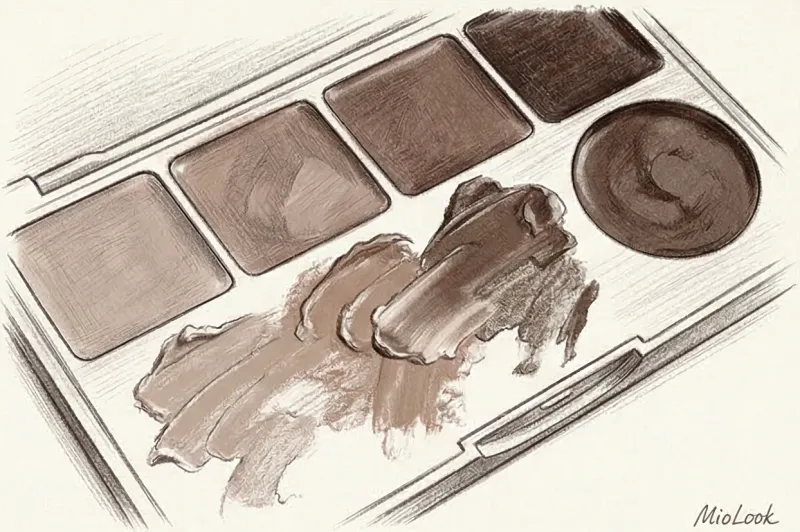
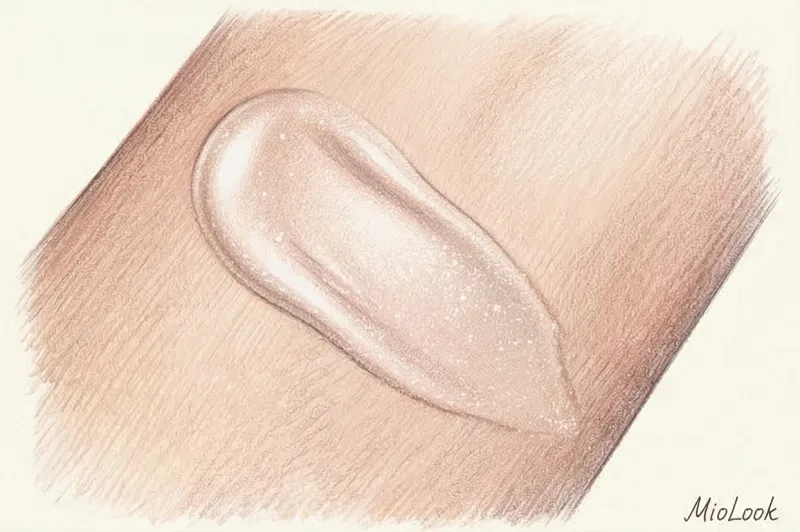
Liquid contouring foundations have a lightweight texture and often feature a sponge applicator. They provide a translucent finish that's easy to layer to achieve the desired shade intensity.
How to use
Primary areas for applying the sculpting product include the hollows under the cheekbones, the jawline, the sides of the nose, and the hairline on the forehead. When applying the product, always blend upward. This creates a lifting effect, while blending downwards visually lowers the features and makes them appear heavy.
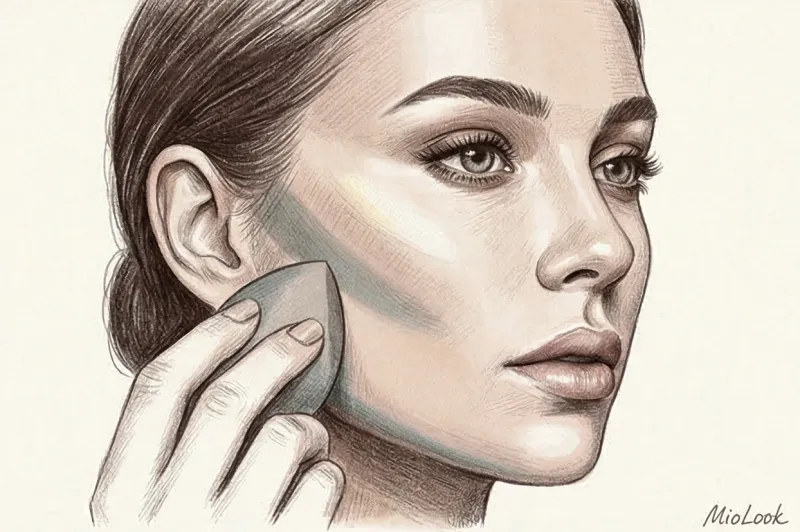
The choice of tools depends on the texture of the product. For creamy sculpting products, use a damp sponge or a densely packed synthetic brush. Dry products are applied with an angled, fluffy brush made of natural or soft synthetic bristles.
The application order is strictly tied to the format. Creamy contouring products are applied over foundation before powdering. Dry products are applied only after setting the foundation with powder, preventing unsightly patches on the skin.