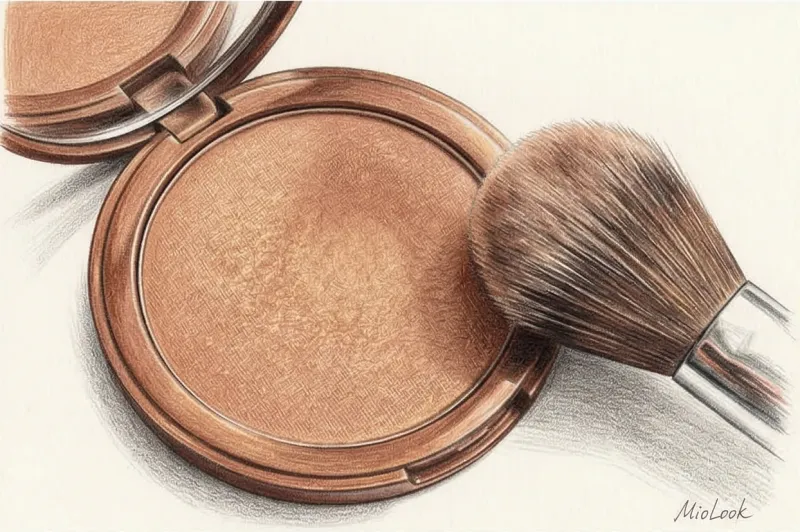
What is bronzer?
Bronzer — is a cosmetic product designed to give the skin the effect of a natural tan and visually “warm” the complexion.
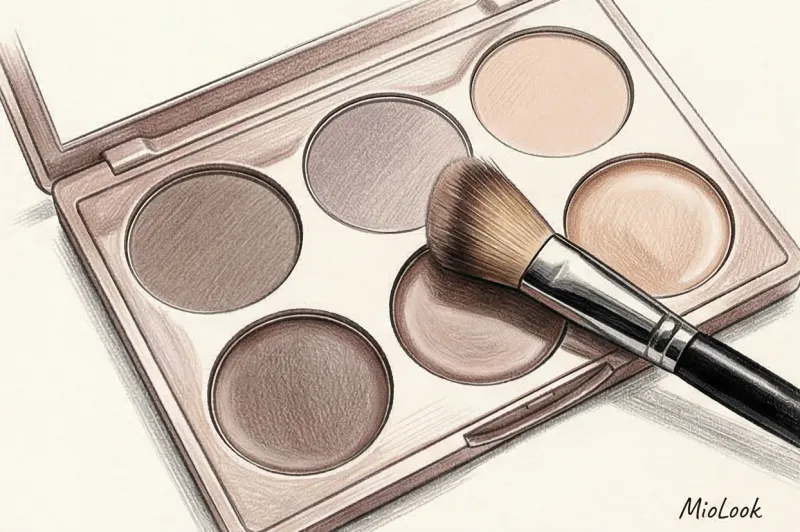
To understand what a bronzer is, just look at its main function: creating a well-rested look without the effects of UV rays. Unlike a bronzer, which mimics natural shadows and has a cool, grayish undertone, a bronzer always features warm tones. The palettes include golden, peach, terracotta, and caramel shades.
Historically, the product gained widespread popularity in the second half of the 20th century. During this period, an active lifestyle became fashionable, and tanned skin became perceived as a sign of health and high status.
Main types
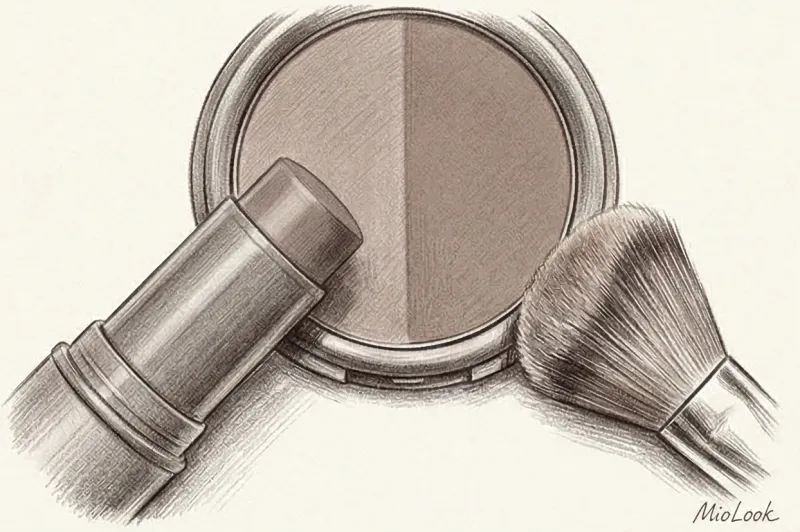
Powder bronzers are available in compact and loose formats. The latter is a classic option and is applied with a fluffy brush. Powder textures are ideal for normal, combination, and oily skin types, as they provide long-lasting coverage without creating an oily shine.
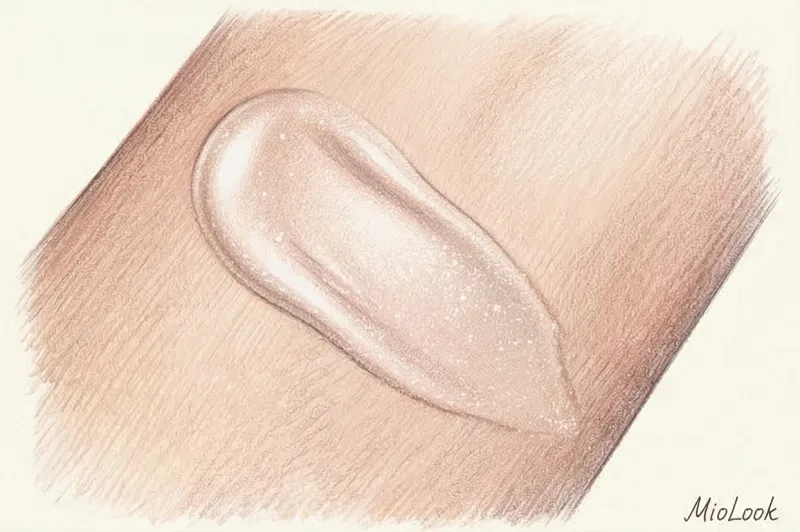
Creamy products and bronzers in sticks have a melt-in texture and are easy to blend with a damp sponge or fingers. These formats are recommended for dry and mature skin, as they create a dewy, natural glow without accentuating flaking.
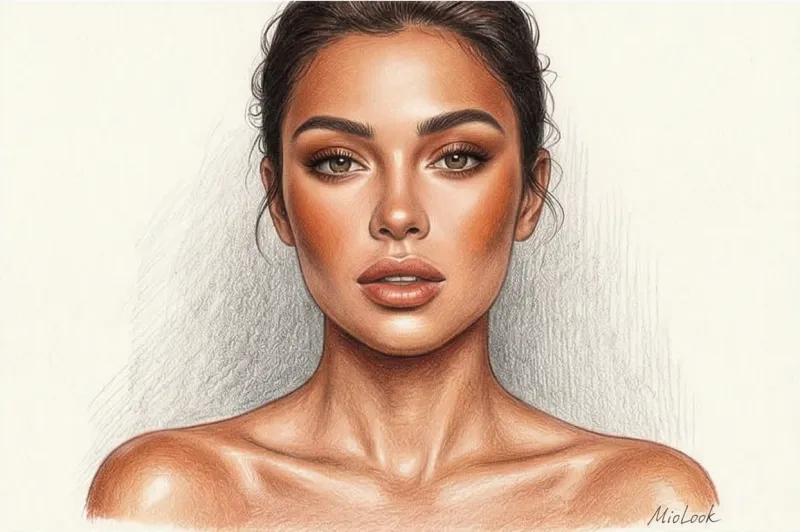
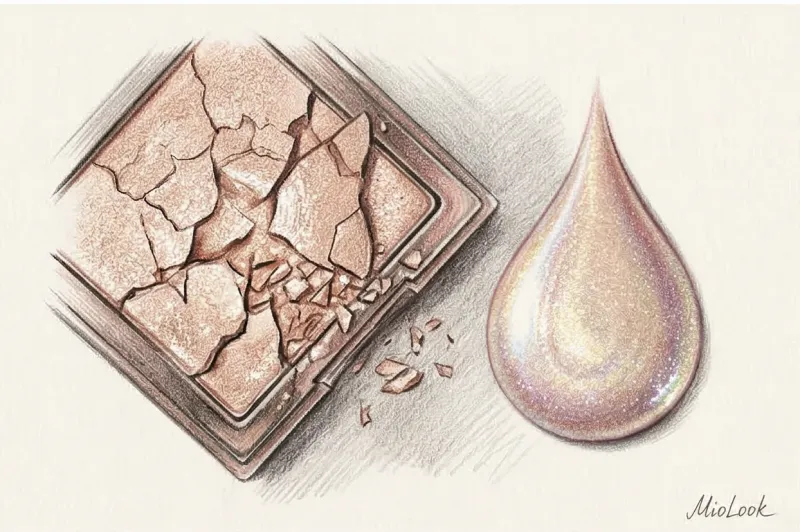
Liquid bronzers, in drop or fluid form, are highly pigmented products. They can be used alone or mixed with foundation to add a subtle warmth to the complexion.
Based on their finish, products are classified as matte or shimmery. Matte textures are ideal for the most realistic tan effect. Shimmery bronzers contain light-reflecting particles, creating the illusion of skin glowing in the sun.
How to use
The classic bronzer application technique is called the "rule of three." The product is applied to the sides of the forehead, cheekbones, and jawline, forming a "3" shape on each side of the face. Additional application is made to the high points where the sun hits the most: the bridge of the nose, chin, and collarbone.
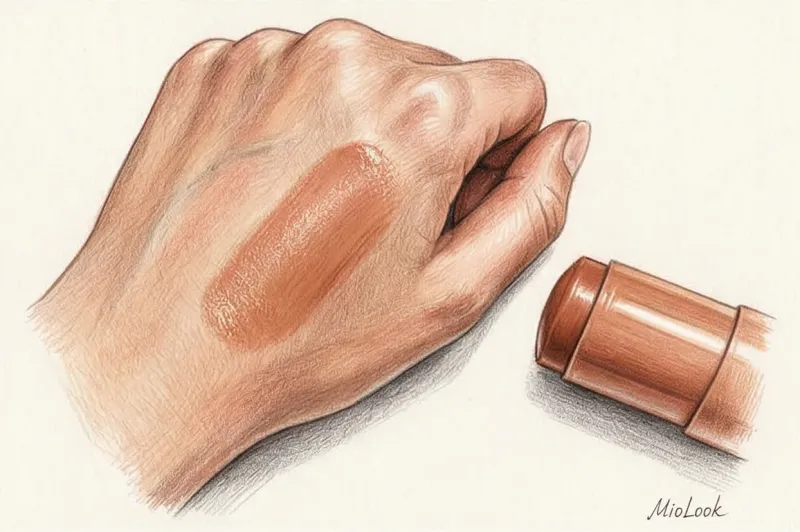
The shade of the product should be one to two shades darker than your natural skin tone. Too dark or too pronounced a red pigment will create a foreign-looking effect on the face.
The choice of tools directly depends on the product's texture. For powder bronzers, use a voluminous brush with soft bristles to create a lightweight veil. For creamy textures, use a densely packed synthetic brush or a damp sponge.
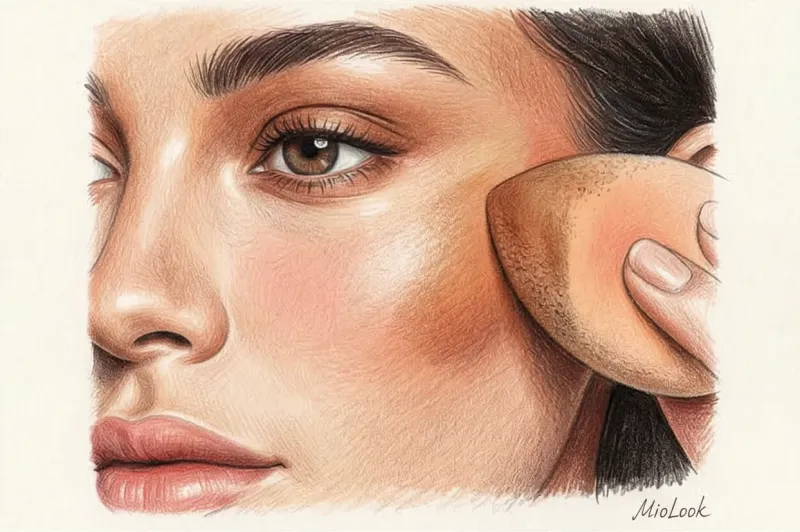
In makeup, bronzer is applied after foundation and concealer, but before blush and highlighter. Dry textures are spread over powdered skin to prevent pigment from settling. Creamy products are applied strictly before powder.