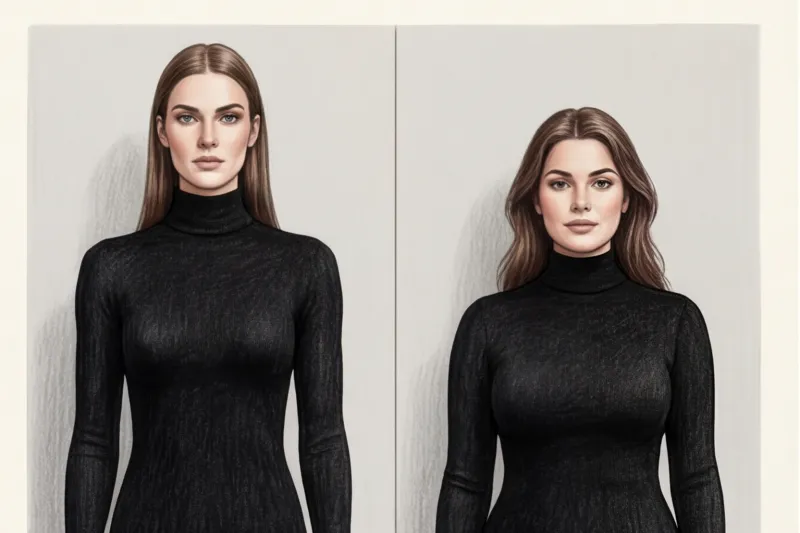
In 12 years of working as a fashion journalist and stylist, I've learned one ironclad rule: if a beautiful, stately woman puts on an expensive, classic sheath suit and suddenly looks like a high school student who stole her dad's jacket, I know she's a Natural. The stiff beading, sharp angles, and stand-up collars have a remarkable ability to transform this type's luxurious, natural geometry into something bulky and constrained.
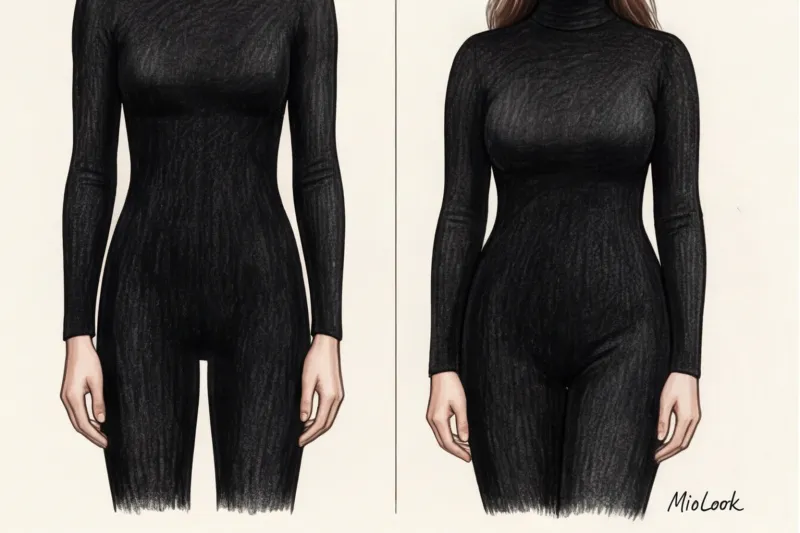
When girls start studying the type system and type it into the search natural kibbie wardrobe , they often clutch their heads. The internet helpfully feeds them images from the 2010s: linen sacks, shapeless boho, miles of fringe, and gypsy skirts. But modern fashion has come a long way. We've already covered the basics of this classification in more detail in our The Complete Guide to Kibbe Body Types: How to Find Your Style Based on Your Body Shape Today, we'll translate classical theory into the aesthetics of "quiet luxury" and relaxed tailoring.
Who is the Kibbe Natural?: Style DNA and Bone Structure
To understand how to dress a Natural, you need to look at the architecture of his body. In 1987, in his groundbreaking book Metamorphosis David Kibbie coined the term "blunt yang." What does this mean in practice? Imagine a strong, broad bone structure, but without the razor-sharp edges (characteristic of Dramatic types) and without the absolute roundness (as in Romantic types).
At the first consultation, I always explain to my clients: forget about "apples" and "pears." These fruit metaphors are hopelessly outdated because they only take into account volumes that change with weight. The Kibbe system works with the skeleton. We look at the shoulder line, the rib cage, and—most importantly—the way the tissue falls from the shoulder girdle down.
Naturals always have a certain width and solidity to their shoulders. Fabric should support this beautiful framework and flow freely, rather than clinging to every inch of the body.
Flamboyant Natural: Sculptural power and freedom
The Natural Natural (FN) is a supermodel type. According to statistics from major modeling agencies for 2023, over 40% of models on the world's catwalks fall into this category. Their dominant characteristics are "vertical" and "width."
These are typically tall women (165 cm and above) with a T-shaped silhouette. They have a stunning, strong, model-like frame, with muscle mass and soft tissue evenly distributed, creating an athletic yet feminine look. Their superpower is the ability to wear large, long pieces without "sinking" into them.
Soft Natural: Sensuality and soft edges
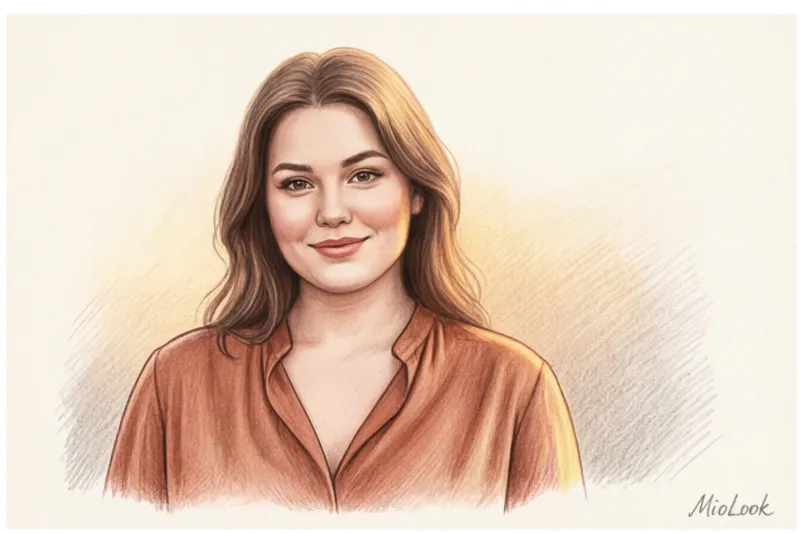
The Soft Natural (SN) is a completely different story. Here, the natural "width" of the frame is complemented by a "curve"—feminine curves. Height is typically moderate (up to 170 cm).
The main problem my SN clients have is that they often feel "wide" or "boxy." But the paradox is that this effect only occurs when they try to squeeze themselves into stiff turtlenecks, high collars, or stand-up fabrics. Reveal your collarbones and let soft draping flow across your body—and the "boxy" appearance instantly disappears, giving way to a sensual aesthetic.
Your perfect look starts here
Join thousands of users who look flawless every day with MioLook. The smart algorithm takes your body contours into account.
Get access — €0.99 onceThe Biggest Myth: Why a Natural's Wardrobe Isn't Just Boho and Linen Bags
It's time to dispel a major stereotype. Kibbee talked about "free spirit chic," but many took it too literally. Today, you don't have to dress like Pocahontas to fit your type.
Modern Natural is a minimalist aesthetic with fluid silhouettes Bottega Veneta and relaxed luxury The Row These are expensive textures that live in motion.
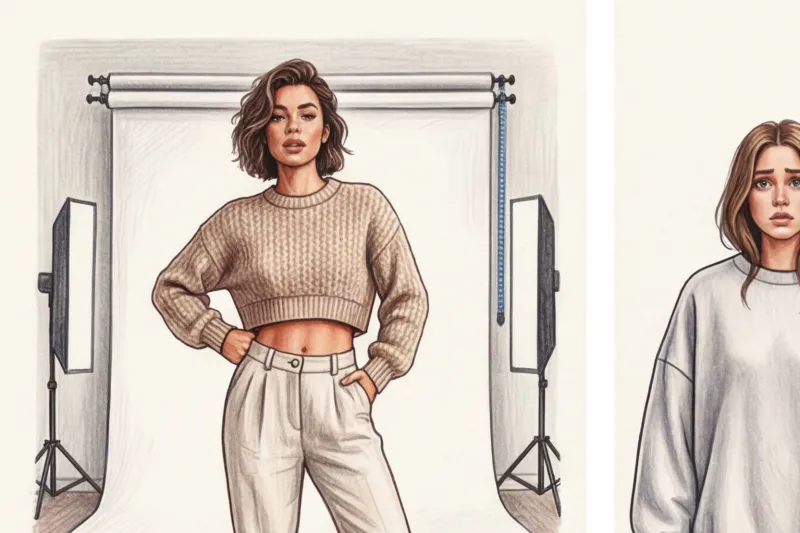
"The most common mistake Naturals make is confusing relaxed tailoring with extreme oversize. Oversize, cut like a rigid rectangle, makes a Soft Natural look like a nightstand, while turning a Bright Natural into a monument. The secret isn't in the size of the garment, but in its flexibility."
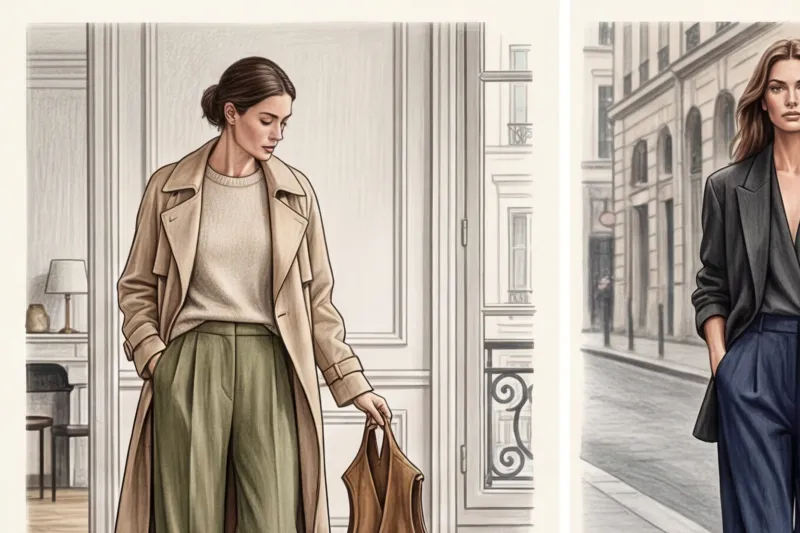
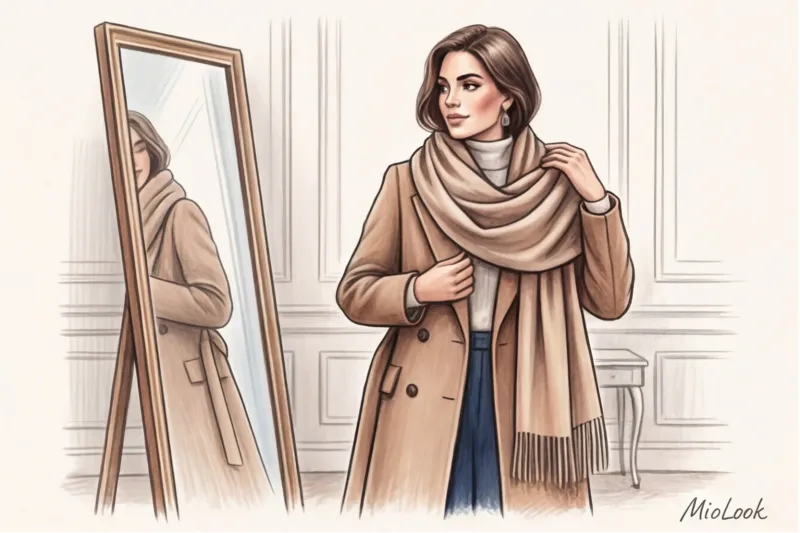
You want a loose fit, but with the right amount of support. The fabric should flow over your body, not feel stiff.
The Perfect Wardrobe for the Flamboyant Natural (FN): Silhouettes and Fits
For the Bright Natural, the golden rule of the T-silhouette works: we emphasize the shoulder girdle (boat necklines, dropped shoulders, asymmetry) and create a long, continuous vertical line down. If you want wear an oversized jacket to the office , choose deconstructed models.
- Deconstructed Tailoring: Jackets without stiff shoulder pads and lining, long, chunky knit cardigans, robe coats.
- Length: Maxi and midi are your best friends. Avoid breaking the silhouette in half with contrasting colors.
- Fabrics: Thick drape, large textured knits, and heavy flowing silk suit you.
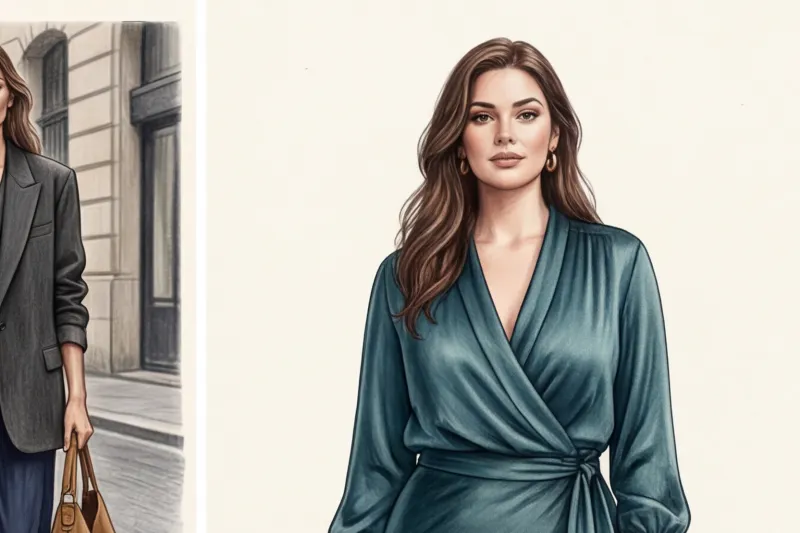
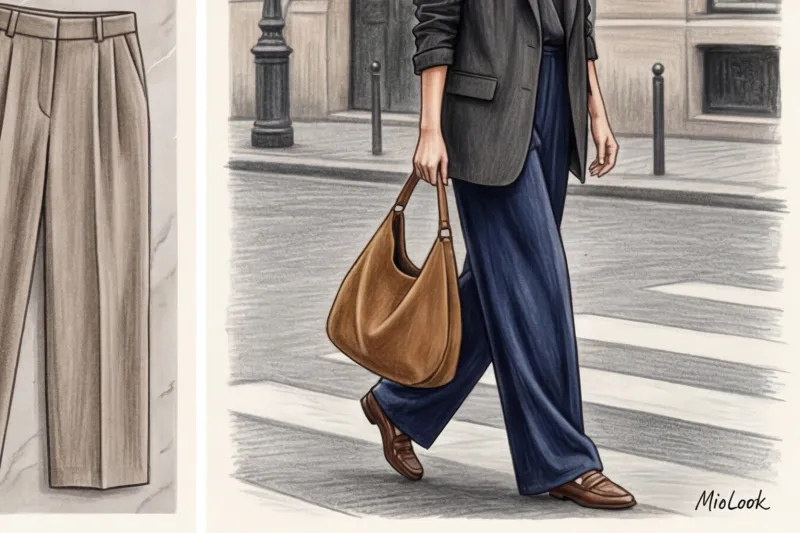
Shoes and accessories should also be appropriate for the scale. The flamboyant Natural is one of the few types that can easily pull off oversized hobo bags, chunky boots, and chunky, rugged metal jewelry. A small, rigid baguette bag would simply disappear against your background.
Capsule Wardrobe for the Soft Natural (SN): Relaxed Chic
If you're a Soft Natural, your key rule is to emphasize your waist. But! No rigid fixation. No tight leather belts over stiff shirts. The waist should be defined softly: through wraps, draping, drawstrings, or asymmetrical cuts.
I remember a client, Maria, a classic Soft Natural. She worked in a bank and wore classic cotton shirts with stiff collars tucked into pencil skirts. She complained that they looked "bulky." We swapped the cotton for a thick silk wrap blouse with a V-neck (swing neck). Visually, she dropped 5 kilograms in a second, simply because the fabric began to hug her natural curves rather than fight them.
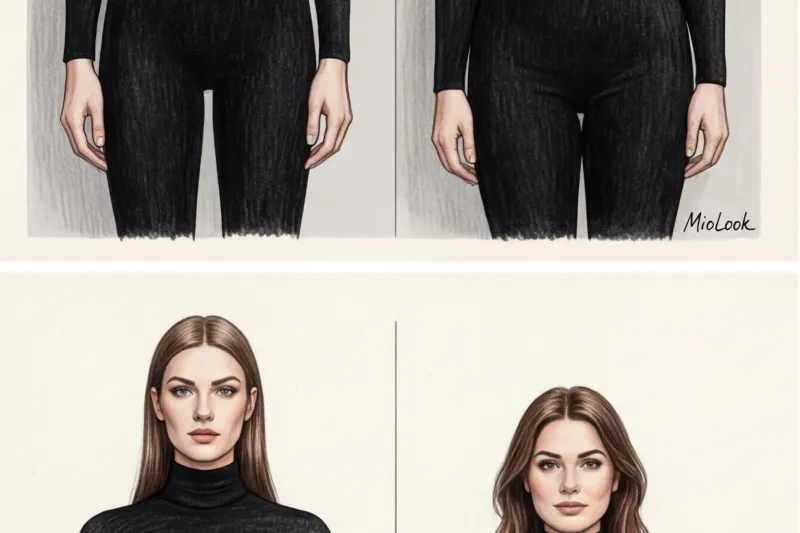
From a technical standpoint, pay attention to the fabric's density (GSM). According to textile standards, the ideal fabric density for Soft Natural is 150-250 g/m². This includes dense silk, fine merino wool, and high-quality viscose. The fabric should be heavy enough to fall flat, but soft enough to drape.
Ready to get started?
Try the MioLook free plan—no commitments required. Digitize your wardrobe and create looks tailored to your personality.
Get access — €0.99 onceAdapting Trends and Business Style: Natural in the Office
The corporate environment is the most hostile place for Naturals. Strict dress codes have historically been created for Classics and Dramatics. How can we gather business image and not look like you're wearing someone else's armor?
The secret lies in changing textures while maintaining the overall rigor of the silhouette:
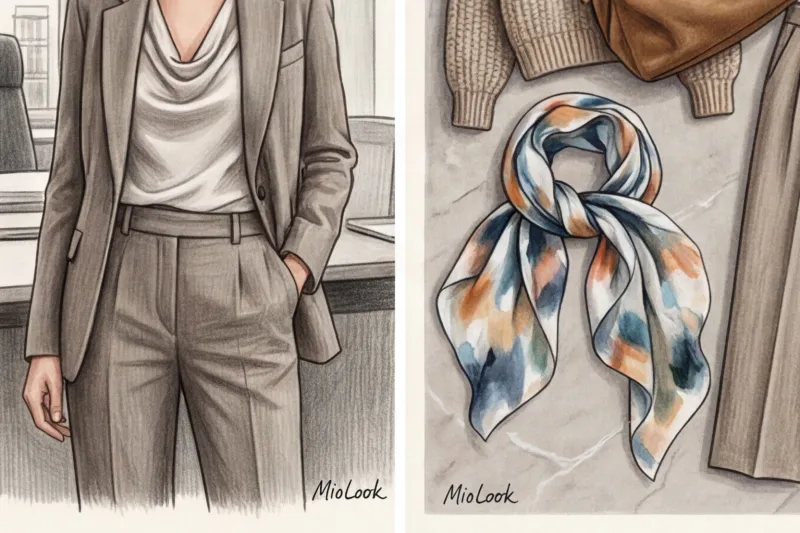
- Jacket replacement: Leave the classic blazer to the dramatic. Choose straight-cut jackets made of soft wool, heavy crepe, or linen-viscose blends (for warmer weather). Shoulders should be slightly dropped or natural, without sharp foam shoulder pads.
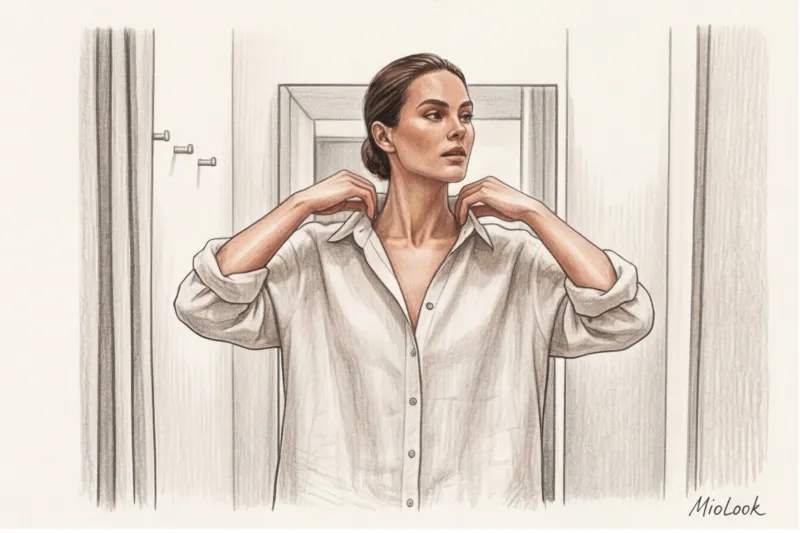
- Alternative to a shirt: Instead of starched cotton, opt for blouses made of matte silk or viscose. A V-neck or open top buttons are essential—they create a vertical line and take the weight off the chest.
- Trousers: Ditch the stiff, pleated suit trousers for flowing palazzos or soft slacks.
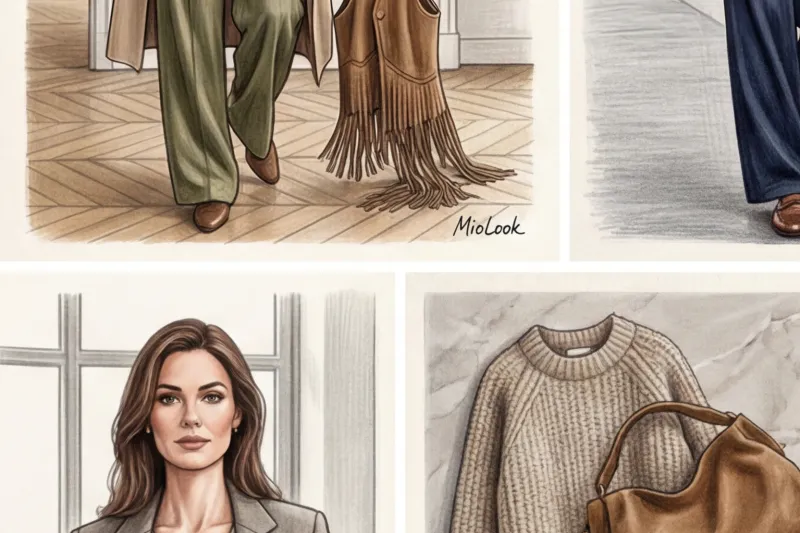
If the dress code calls for a more formal look, integrate your natural side through details. Use prints without sharp geometric boundaries (watercolor, abstract, soft ethnic) and natural elements: matte gold, wooden or horn buttons, suede shoes instead of smooth patent leather. More work outfit ideas can be found in our article about transformation of daytime look into evening one.
Stylist Checklist: 5 Steps to the Perfect Wardrobe for a Natural
Theory is great, but let's get down to practice. Here are 5 steps you can take right now when you open your closet:
- Collar and lining audit: Get rid of all items with stiff, geometric collars and stand-up fabrics. If you can't soften them (for example, by unbuttoning them or layering a soft cardigan over them), put them aside. They're a beauty stealer.
- Focus on the armhole: Put on your favorite jackets and lift your arms. The armholes of classic jackets often dig into the armpits and restrict the upper back of straight men. If you want freedom of movement, look for raglan sleeves or slightly dropped shoulders.
- Texture is more important than color: Naturals' look is built on tactility. Smooth, shiny fabrics will be easy on you. Add depth by combining matte and textured materials: suede + cashmere, bouclé + silk.
- Implementation of asymmetry: Strict symmetry is contraindicated for naturals. Uneven hems, a wrap-over look, or a sweater tied diagonally across the shoulders—all of these instantly make an outfit appear complex and expensive.
- Smart Scan: Checking how new silhouettes fit will help MioLook Take a photo in the mirror, upload it to the app, and the AI stylist will tell you if you've distorted your figure's proportions with an unfortunate cut.
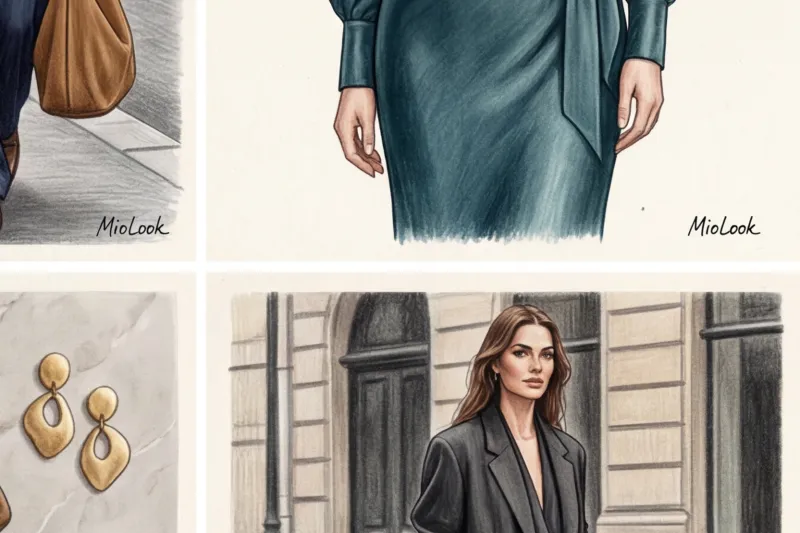
It's important to remember that any typology isn't a check, but a compass. Yes, stiff taffeta or glossy satin aren't your best friends, but if you really want to, use them on your shoes or away from your face.
Nature has gifted Naturals with incredible stature and kinetic beauty that only reveals itself in movement. Stop confining yourself to rigid frames, let your fabrics breathe with you—and you'll see a completely different, luxurious, and confident person in the mirror.