Introduction, or Why We're Tired of Black
You know what phrase I hear most often from new clients? "Sofia, please don't offer me beige, it makes me look pale." And then there's usually a request for "something practical and safe, preferably black." For many years, black was considered a universal armor, behind which you can hide everything from excess weight to self-doubt.
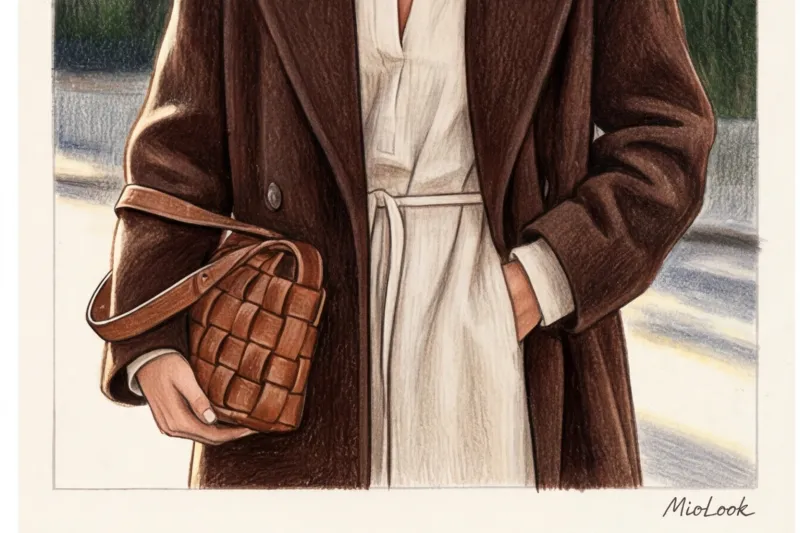
But if you still think that your wardrobe should be built exclusively on dark classics, I advise you to take a look at our A complete guide to the perfect color combinations in clothing There, we discussed in detail why the old rules no longer apply. Spoiler: brown color in clothes, combinations Its complex shades and textures today solve far more stylistic problems than total black.
In this article, I won't simply list off "brown looks good with white." We'll examine the natural palette through the lens of fabric quality, light reflectivity, and sustainable fashion. You'll understand why one camel sweater looks like a million bucks, while another makes you look like a tired office worker.
Why brown and beige have displaced black from the basic wardrobe
In the post-pandemic era, our perception of primary colors has radically changed. According to the authoritative WGSN Color Trends Report 2024-2025, the global focus has shifted to "Grounded Browns" palettes. We're tired of aggressiveness and sterility, craving the tactility and warmth that come with a "quiet luxury" aesthetic.
Optically, black has one fatal flaw: it absorbs light. This becomes critical with age. Black casts harsh shadows near the face, highlighting nasolabial folds, signs of fatigue, and uneven skin tone. Warm brown (shades of espresso, dark chocolate, and mocha), on the other hand, acts as a soft photo filter—it reflects warm light onto the face, visually evening out skin tone.
"One of my clients wore black cashmere coats for years, complaining of an unhealthy appearance in winter. When we switched her base coat to a dark chocolate-colored one, her colleagues started asking if she'd returned from vacation. The only difference was the color temperature of her skin."
The environmental aspect is equally important. According to Textile Exchange, the process of dyeing fabrics deep black is incredibly toxic and requires enormous amounts of water. Meanwhile, natural, undyed fibers—alpaca wool, linen, and cotton—naturally possess luxurious beige-brown hues. Wearing such items today is a sign of conscious consumption and high status.
Your perfect look starts here
Join thousands of users who look flawless every day with MioLook. A smart AI stylist will help you integrate trending colors into your wardrobe.
Get access — €0.99 onceThe Anatomy of Shades: How to Choose "Your" Beige and Not Blend In with Your Outfits
The biggest mistake when buying beige is choosing a shade that perfectly matches your skin tone. In the industry, we call this the "bare skin effect." From a distance, it looks like you're missing a blouse or pants. Remember the golden rule: the right beige should be either two shades lighter or two shades darker than your skin tone.
The second pitfall is color temperature. Beige isn't universal. It needs to be chosen based on your complexion (those same 12 color types that still work great for a basic wardrobe):
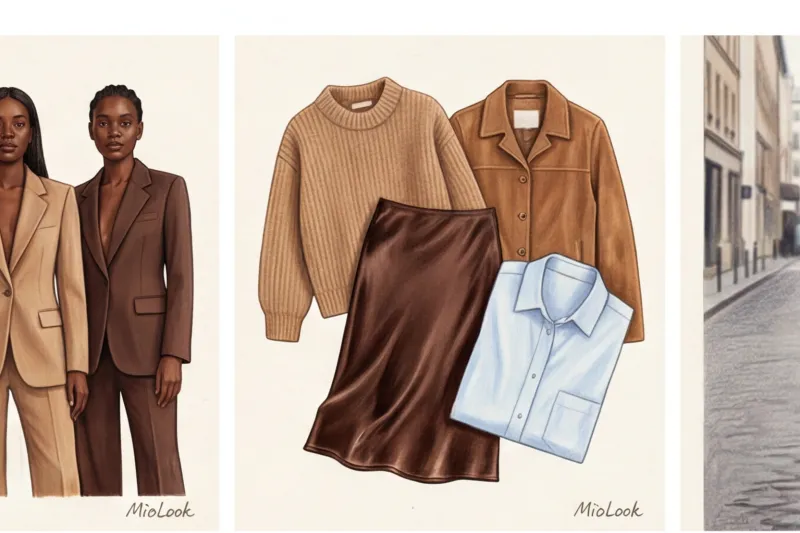
- Cold taupe — a gray-beige shade with a lilac or ash undertone. Ideal for women with cool skin tones and light brown or ash-colored hair.
- Warm camel — a classic camel shade with distinct yellow or orange pigment. Looks luxurious on those with warm, olive, or tanned skin.
Practical advice from my experience: How can you tell the temperature of an item in a store with terrible artificial light? Take a plain white sheet of paper from your bag (even a receipt will do, as long as it's pure white) and hold it against the fabric. Against a crisp white background, the fabric will instantly reveal its base: you'll clearly see whether it has a yellowish or grayish tint.
Brown in clothing: combinations that look expensive and eco-friendly
While brown used to be paired exclusively with white or black, today designers are offering a much more complex color palette. Forget boring office standards. Here are three unconventional color pairings this season that are guaranteed to garner compliments:
- Chocolate + icy blue. A stunning contrast between a warm, crisp bottom (like brown wool trousers) and a crisp, cool top (like a light blue cotton shirt).
- Camel + deep burgundy. A combination that screams "old money." Works especially well in fall/winter looks.
- Taupe + sage (muted green). The most natural, calming combination, ideal for spring capsules and linen summer suits.
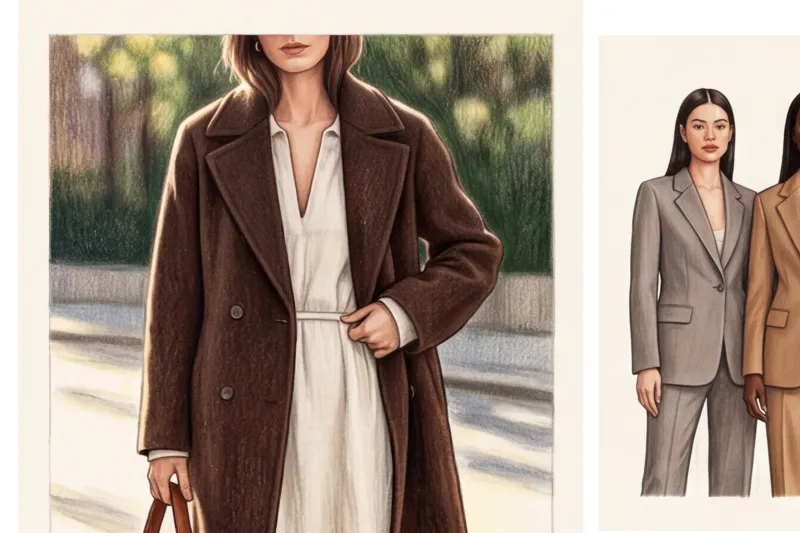
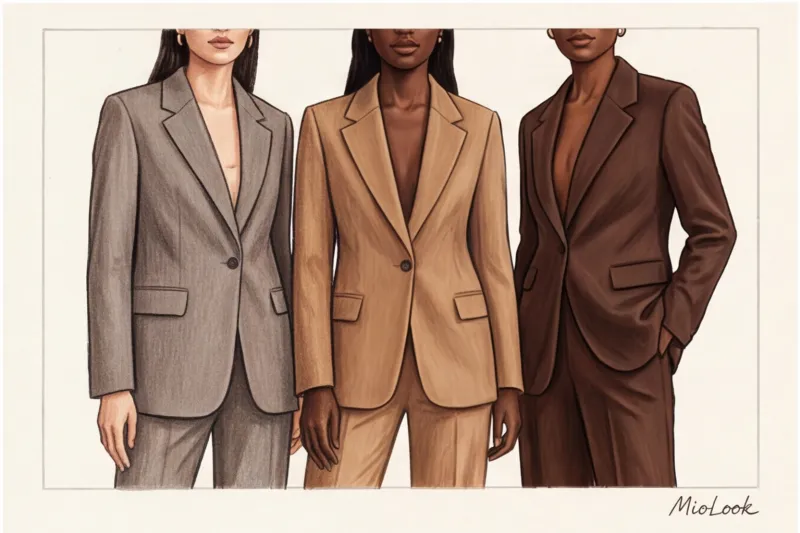
In a business environment, these combinations work on a subconscious level. A black or dark blue suit creates distance and emphasizes subordination. A brown suit with a sophisticated cut (especially when paired with light blue) conveys confidence, yet also evokes empathy and encourages dialogue during difficult negotiations.
If you are unsure how exactly to combine these colors from the items you have, I recommend uploading photos of your clothes to MioLook app The AI algorithm will quickly generate dozens of fresh color combinations from your database that you never even thought of.
The Rule of Texture: Why Smooth Polyester Kills Precious Colors
I often tell my clients: color doesn't exist separately from fabric. About 70% of the visual "cheapness" of a beige or brown garment is due to the high light reflectivity of cheap synthetics.
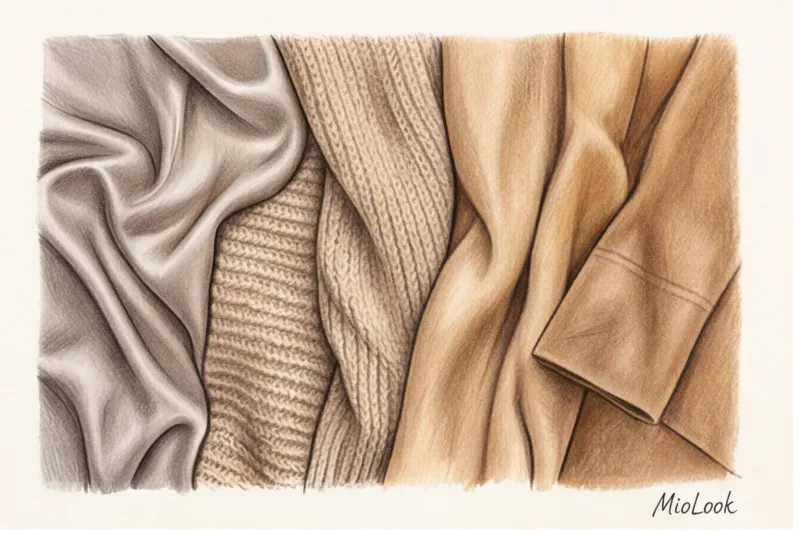
The problem lies in the chemistry of textiles. Smooth synthetic fibers (cheap polyester, acrylic) can't deeply absorb and retain complex brown pigments. Light bounces off their glossy surfaces, making the color appear flat and artificial. Natural wool, cashmere, or heavy cotton (from 180 g/m²) absorb light, allowing the shade to reveal its depth.
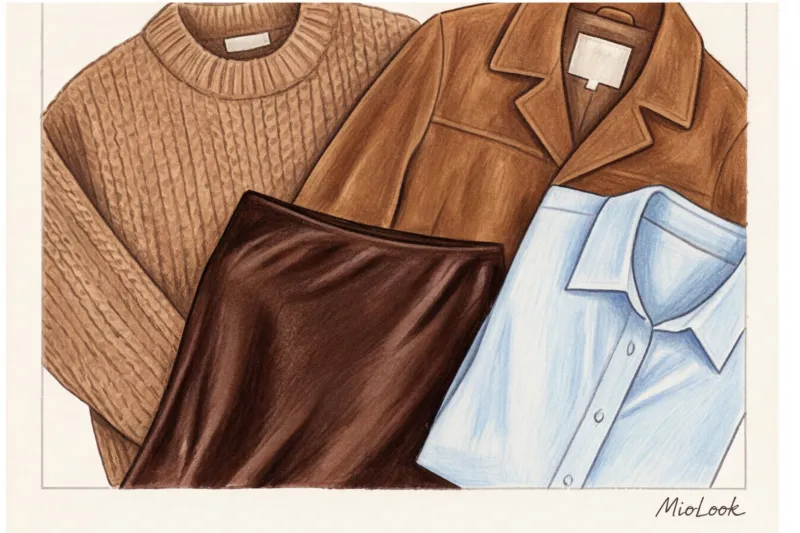
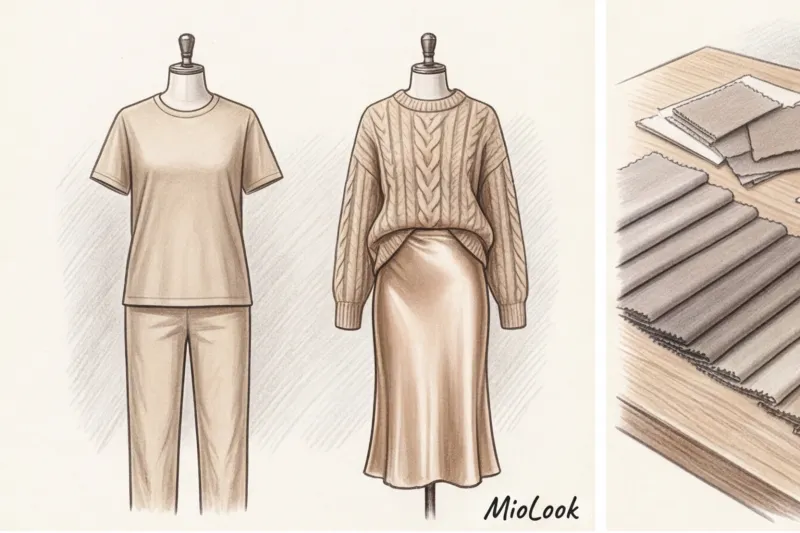
The formula for a truly expensive look is based on the contrast of materials: matte light absorber (suede jacket, cashmere sweater) plus glossy reflector (silk skirt, smooth leather bag). But remember the caveat: this combination won't work if both pieces are made of thin knitwear that bunches up—the look will immediately lose its structure.
Ready to get started?
Try the MioLook free plan—no commitments required. Digitize your wardrobe and start creating stylish combinations in just a few clicks.
Get access — €0.99 onceThe Monochrome Mistake: How to Avoid Turning into a Boring Cappuccino
Perhaps the most pernicious myth perpetuated by glossy magazines in the 2000s is the "perfect monochrome" rule, where shoes, trousers, and a sweater must match tone-on-tone. Today, trying to find identical shades of beige in different stores will not only waste your time but will also hopelessly cheapen your look. You'll look like a mascot.
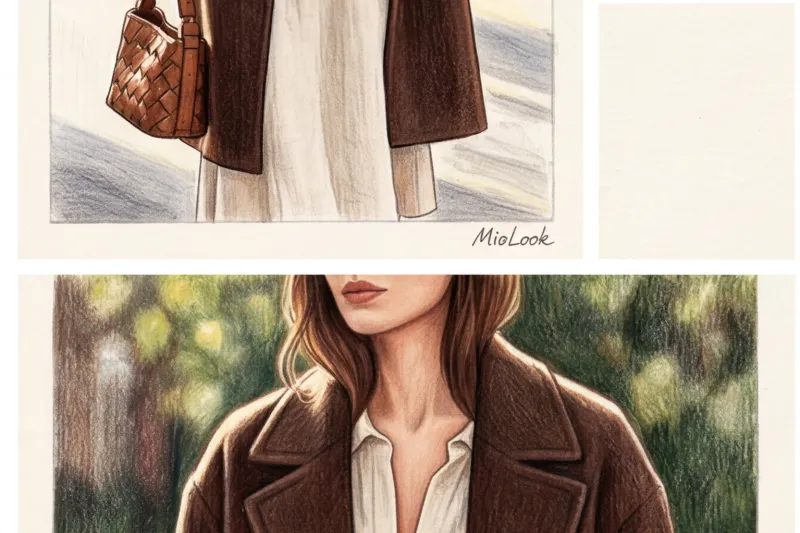
Modern styling calls for a casual look. The perfect brown look is built on the principle of gradient and temperature clashes. My favorite styling technique, which creates that signature "Parisian chic" effect, is the deliberate clash of cool and warm.
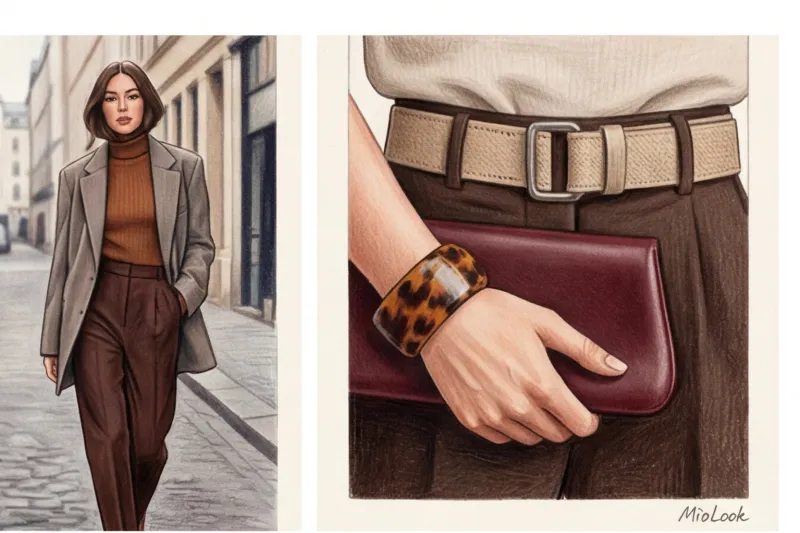
Try wearing a cool, oversized taupe jacket over a warm terracotta or tan turtleneck, paired with dark cocoa pants. Layering three to five different shades of brown creates a dynamic look that begs to be explored.
Shoes and Accessories: Debunking Old Myths About Outfits
Another rule worth abandoning: a bag, belt, and shoes all made of the same brown leather. In 2024, this is considered bad taste and a sign of trying too hard. Relaxedness is the key marker of modern style.
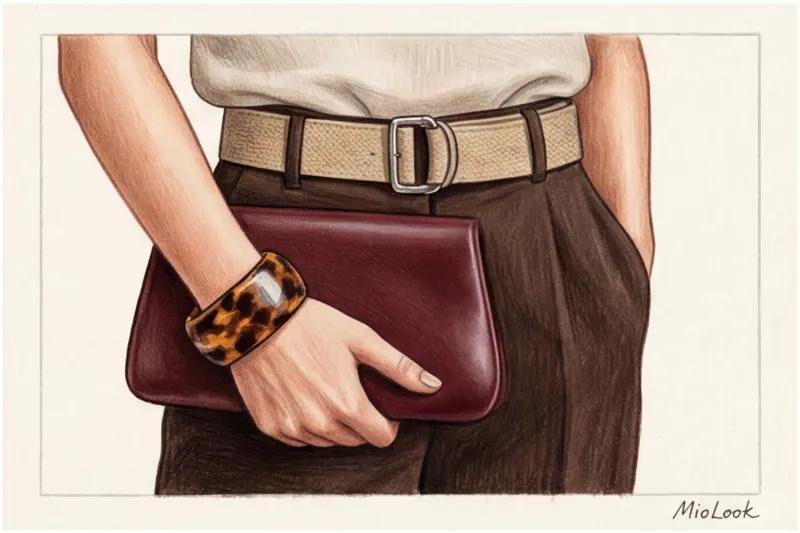
Work through textured contrast. If you're wearing sleek brown ankle boots, choose a suede bag or a combination (for example, heavy canvas with camel-colored leather inserts). If you're wearing wool trousers, add a crocodile-embossed belt.
Pay attention to the hardware. Metal dramatically changes the "temperature" of your brown look. Yellow gold creates a more classic and warm look, while cool silver adds a bold and modern edge. It's no coincidence that flagship brands of "quiet luxury" like The Row or Bottega Veneta are now intentionally using matte, distressed hardware to prevent the shine of the metal from stealing the spotlight from the quality of the leather itself.
Stylist Checklist: Incorporate a Natural Palette into Your Wardrobe in 3 Steps
So, where do you start if your closet is filled with black and gray, but you're craving something soft and classy? Here's a concrete plan for this weekend:
- Conduct a database audit. Get out your favorite black t-shirts, turtlenecks, and thin sweaters. Plan to gradually replace them with similar styles in shades of mocha, dark chocolate, and cafe au lait. To avoid making blind purchases, use MioLook for digitizing your current wardrobe - this way you will clearly see what elements you are missing.
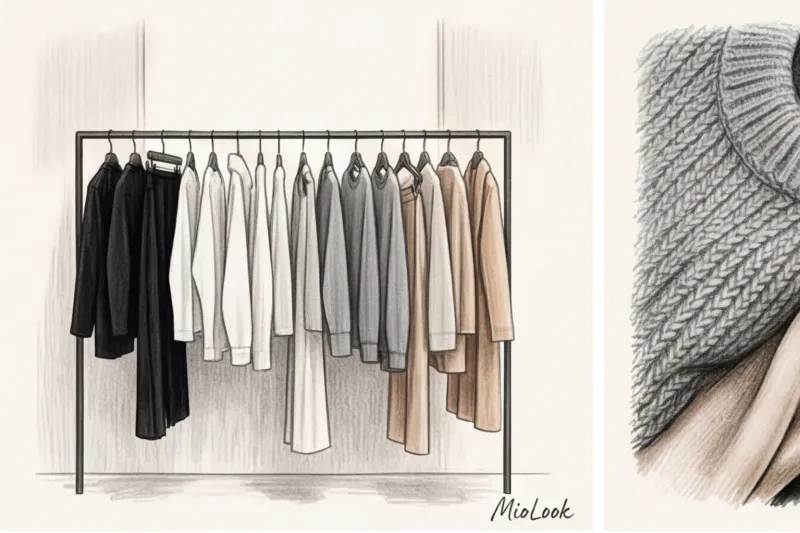
- Make one investment in the invoice. Buy just one flawless piece in camel or taupe. It could be a double-breasted jacket made of a thick wool blend, a perfect trench coat, or an oversized cashmere sweater. This will be your "anchor," around which new looks will begin to coalesce.
- Integrate color through micro-doses. If you're not quite ready for a brown coat, warm up your usual gray or blue looks with accessories. A brown suede belt on gray pants or an espresso-colored bag will instantly make your look more sophisticated and expensive.
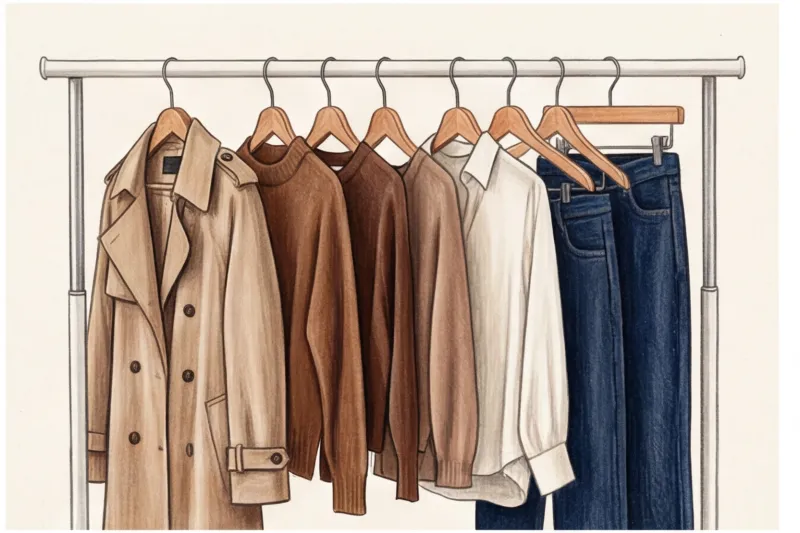
Eschewing all-black in favor of sophisticated, natural shades isn't just about following trends. It's about reaching a new level of self-understanding and style. Brown and beige, chosen wisely, don't steal the show, but rather subtly highlight your appearance, allowing you, not your clothes, to take center stage.