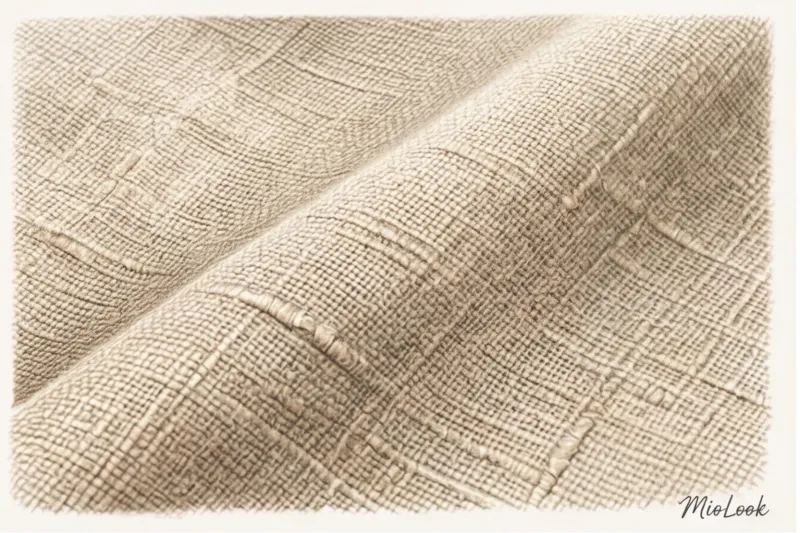
One of my clients once brought me a Max Mara linen jacket worth around €600 with tears in her eyes. The gorgeous cut, perfect fit, and luxurious shade of undyed linen—all of it had been reduced to a shapeless, scratchy mess after one routine cycle in the dryer. For me, caring for natural fabrics isn't a boring household chore, but truly "asset management" of your wardrobe.
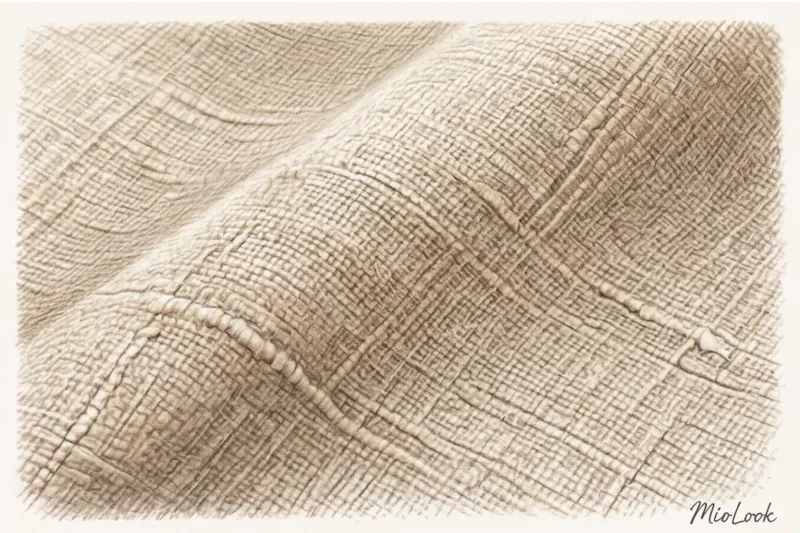
When you buy a status essential, the investment doesn't end at the checkout counter. How it will look a year from now depends 90% on your bathroom habits. Today, we'll explore... How to wash linen items and premium cotton so they last for decades, with a cost-per-wear approaching zero. I discussed the concept of careful handling in more detail in our complete guide. How to Care for Your Clothes: Secrets to a Long-Lasting Wardrobe.
The Anatomy of Natural Fibers: Why Linen and Cotton Actually Shrink
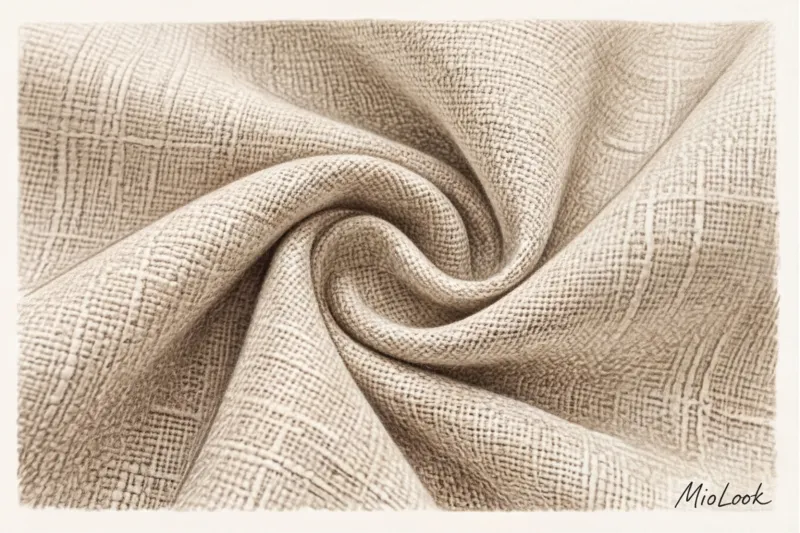
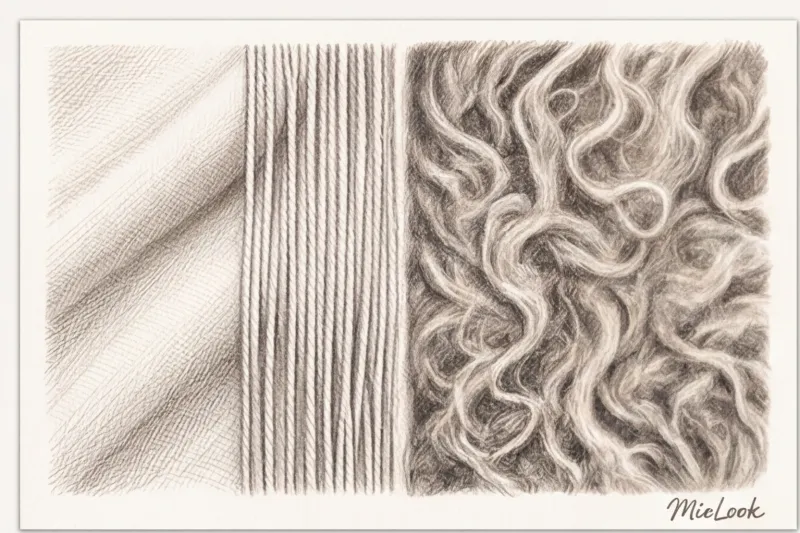
To understand why fabric shrinks, you need to examine it under a microscope. Linen threads are hollow inside, while cotton fibers are spiral-shaped. When exposed to hot water and sudden cooling, these natural structures instinctively contract.
According to the Italian Textile Association (Associazione Italiana Tessile, 2023), untreated linen can shrink up to 10% during the first hot wash. Premium brands combat this even before cutting: the fabric undergoes a process decatization (forced wet-heat treatment). This is why a €150 Pima cotton or Egyptian long-staple cotton shirt will retain its seams, while a €10 mass-market T-shirt will become distorted at the side seam after the third wash: fast fashion brands skimp on decatizing and use short fibers.
"Linen has one amazing superpower that other fabrics don't have: when wet, its fibers become 20% stronger than when dry. That's why high-quality linen not only tolerates water, it loves it," share the masters of Florentine manufactories.
The main myth about dry cleaning high-status items
It's generally accepted that expensive suits require dry cleaning only. I often see "Dry Clean Only" tags on linen trousers. I'll let you in on a professional secret: in 8 out of 10 cases, this is simply the brand's insurance against careless buyers.
Moreover, regular dry cleaning damages linen. Harsh solvents (such as perchloroethylene) leach the natural oils and plant waxes from the flax stems. The result? The fabric becomes brittle, begins to prick, and loses its noble matte sheen.
Access to MioLook for €0.99 — one-time payment
A smart AI stylist will select the perfect look for every day and help you digitize your wardrobe.
Get access — €0.99 onceHow to Wash Linen and Premium Cotton: Rules That Will Save Your Investment
If you want your shirt to stay as crisp as the day you bought it, forget about the generic supermarket laundry detergents. Here's my personal algorithm. How to wash linen items and cotton without the risk of ruining them.
- Temperature conditions: Strictly 30–40°C. Cold water doesn't dissolve sebum well, while hot water sets protein stains and causes shrinkage.
- Spin speed: No more than 600. If you use 1000 RPM to dry the item faster, you're literally breaking the linen fibers. Micro-creases form that are impossible to smooth out even with a steam generator.
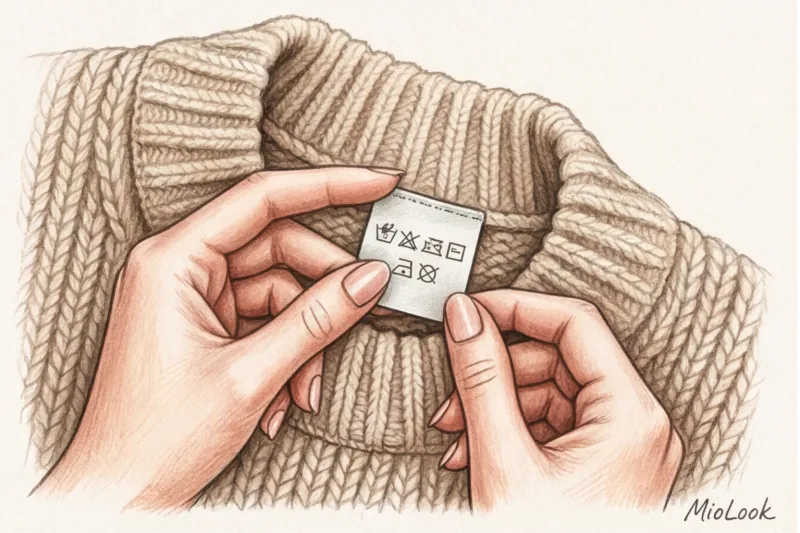
- Selecting a product: Read the ingredients. Your biggest enemies are optical brighteners and enzymes (especially cellulase). They literally eat away at cotton and linen threads, weakening them. Buy liquid gels for delicate fabrics. A bottle for €15–€20 pays for itself in one season, saving hundreds of euros in clothes.
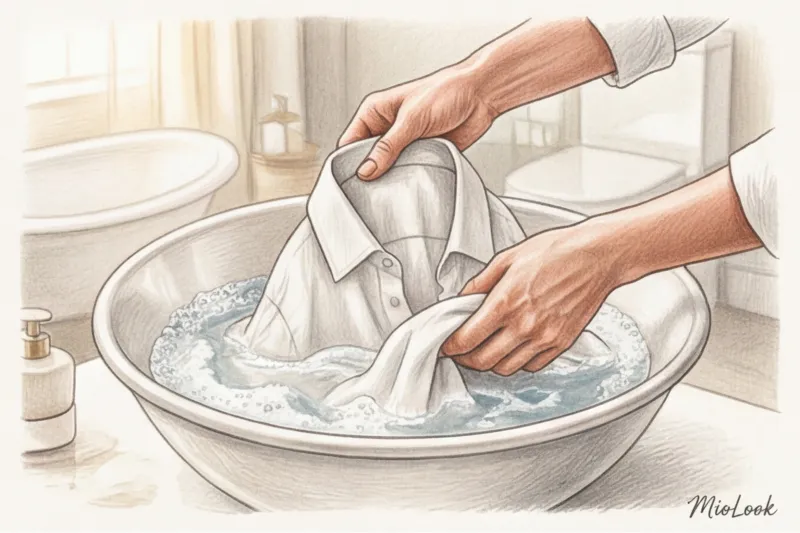
Hand wash vs. delicate cycle: which to choose?
Hand washing is ideal for fine linen and knitted cotton. However, sometimes a washing machine is better—it ensures even rinsing of the detergent, which is crucial (residual detergent can yellow in the sun).
The main rule of machine washing is to "empty the drum." Linen and cotton items should be washed with a maximum of one-third of the drum capacity. Overfilling the drum will cause the fabrics to rub against each other, creating permanent creases and pilling.
Drying without deformation: how to maintain the geometry of the cut
Never, under any circumstances, put 100% linen or premium cotton in the dryer. One of my clients turned €400 designer trousers into shorts for her five-year-old.
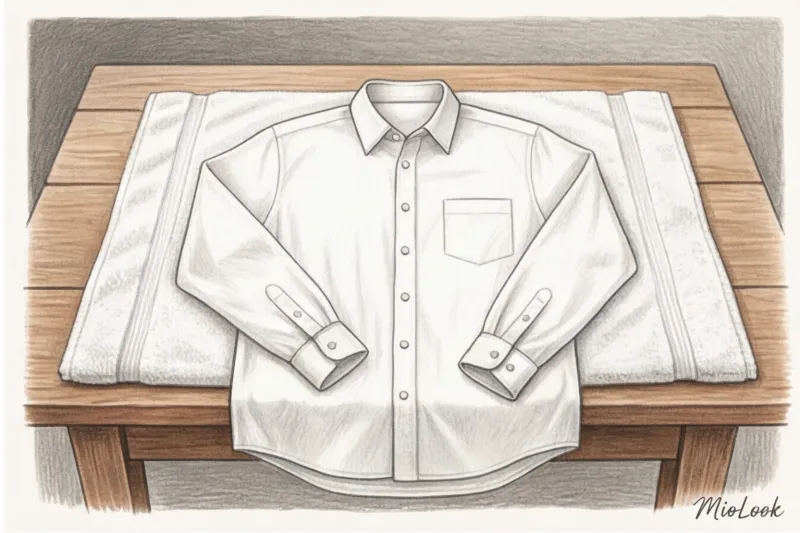
Dry knitwear and heavy cotton sweaters flat on a terry towel, smoothing out the seams. I recommend hanging linen dresses and shirts on wide hangers immediately after a light spin. The moisture trapped in the hem will pull the garment downward under its own weight. This natural tension minimizes the need to stand for long periods with an iron.
Ready to get started?
Try the MioLook free plan—no commitments. Organize your closet with AI.
Get access — €0.99 onceThe Art of Ironing: Why Italian Tailors Never Iron Dry Linen
Early in my career, I had the pleasure of observing the old masters at work in a Florence atelier. Their cardinal rule: touching dry linen with an iron is a crime. The fibers must be pliable.
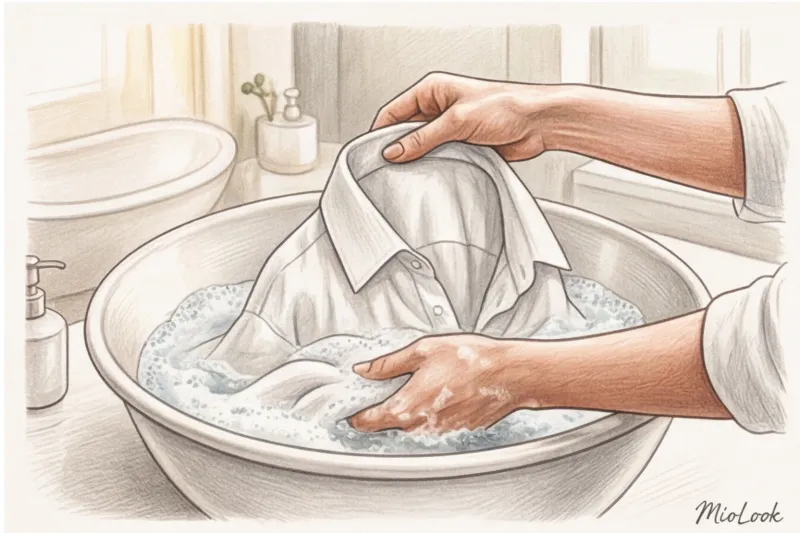
Remove linen from the dryer while it's still slightly damp. If you miss the moment, generously spray it with clean water. Iron at a high temperature (around 200°C), but always with plenty of steam. Steam penetrates the hollow structure of the thread and relaxes it much more effectively than a hot iron soleplate.
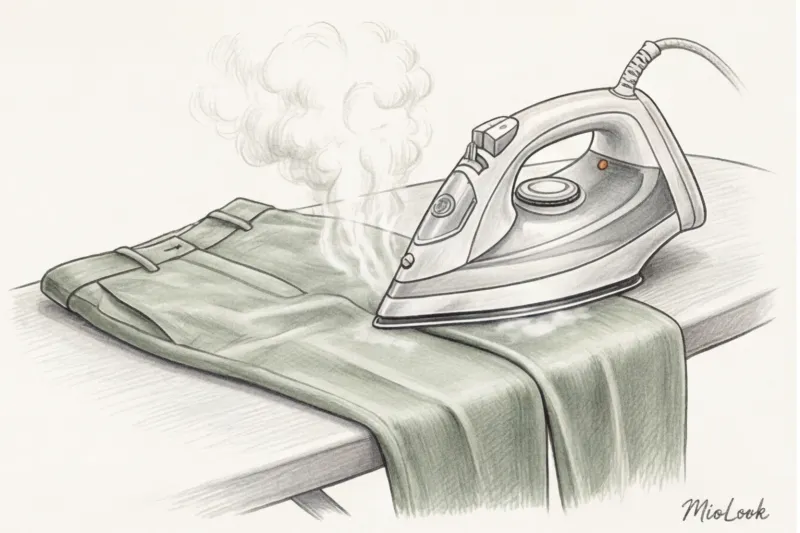
Pro trick: I always iron dark and bright linen only from the back. Ironing the front side will leave unsightly shiny marks on the seams and pockets. Cotton shirts, however, are ironed from the front side, starting with small details (collar, cuffs), moving to the sleeves, and finishing with the back.
Between-Wash Care: The Secret to Long-Lasting Basic Wardrobe
The secret of Italian fashionistas isn't constantly washing their clothes, but letting them rest. Don't wear the same cotton suit or linen dress several days in a row. Natural fabrics need at least 48 hours to regain their shape after being stretched at the elbows and knees.
To reduce the number of washes (which, as we've discovered, wears out clothing), make friends with a steamer. Hot steam kills 99% of odor-causing bacteria and restores freshness in just a few minutes.
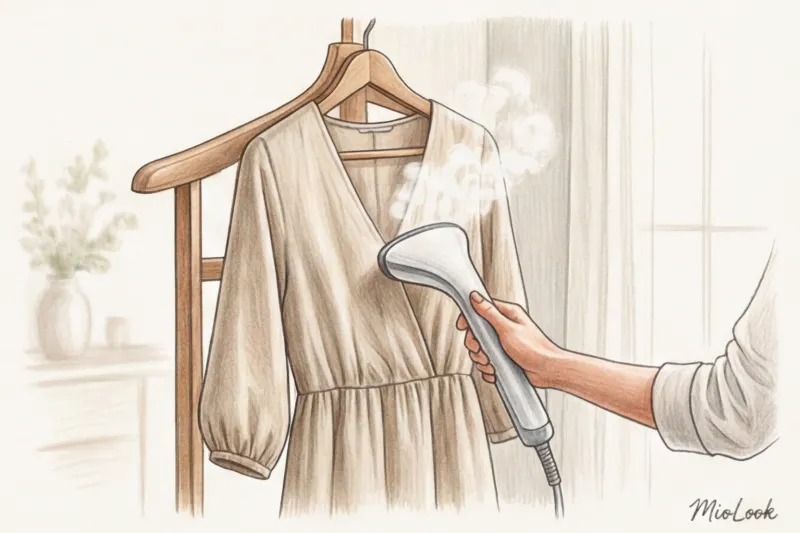
By the way, in order not to get confused about when and what you wore, and to wisely alternate things, I advise using MioLook digital wardrobe The app helps you visualize your entire capsule wardrobe and plan your looks so that each item has time to "rest" and not become worn out.
Checklist: Resuscitating a Shrunken Item (and When It's No Longer Possible)
Let's say a disaster has already occurred: someone at home washed your favorite cotton top at 60°C. Can it be saved? Yes, if you act quickly.
Here's my tried and true method for relaxing fibers:
- Pour cool water into a basin and add 1 tablespoon of mild baby shampoo or hair conditioner (per 1 liter of water).
- Soak the shrunken item for 30 minutes. The conditioner's components will soften the shrunken threads.
- Gently squeeze out the water with a towel without wringing.
- Lay the garment out on a dry towel and begin to gently stretch it along the seams, millimeter by millimeter. Don't pull from the center of the fabric (this will leave bubbles), but rather from the structural lines of the cut.
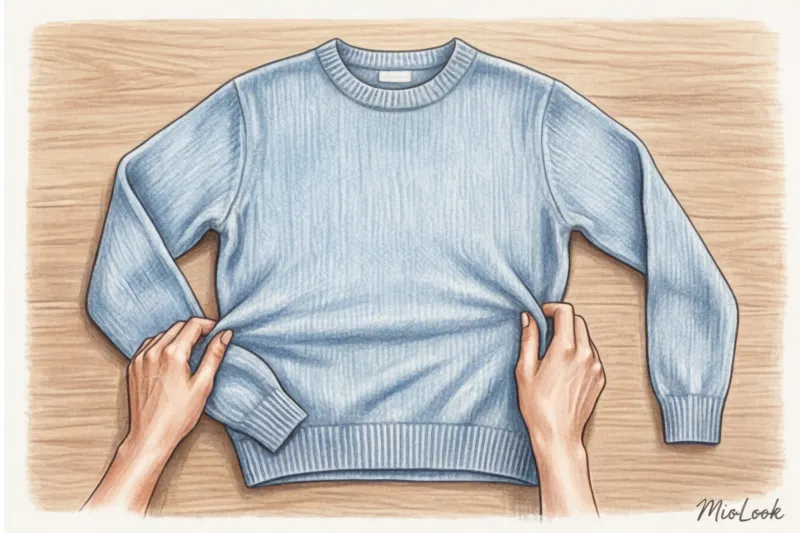
I'll be honest with you: this method It doesn't work If the fabric has been subjected to severe felting in the dryer at the highest temperature, it's likely safe to wear. If the fibers are completely fused and the garment is as stiff as cardboard, unfortunately, it's beyond saving. You'll have to recycle it or recycle it.
Summary: Smart care as a guarantee of a status appearance
According to a McKinsey study (2024), conscious consumers are increasingly paying attention to cost-per-wear (CPW)—the cost per wear. If you buy a linen shirt for €200 and throw it away after five wears due to improper washing, your CPW is €40. If you care for it properly and wear it 100 times, the cost drops to €2.
Investing in a wardrobe is pointless if you're washing a masterpiece of tailoring with a harsh €3 detergent. A well-maintained mid-priced item will always look more prestigious than a ruined luxury item. Review your laundry detergent drawer today, buy a good detergent for delicate fabrics, and forget about the "1000 RPM" button for natural linen.