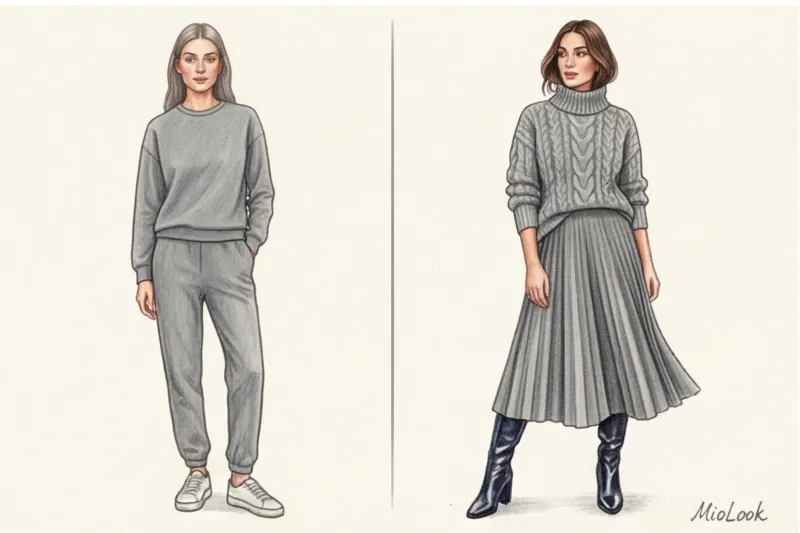
Have you ever noticed the paradox: on some women, all-black looks like couture, while on others, it looks like a dull uniform? The difference isn't in the logos on the tags or the price of the items. The secret that glossy magazines keep quiet about is simple physics. The architecture of an expensive outfit is built on how different materials absorb and reflect light.
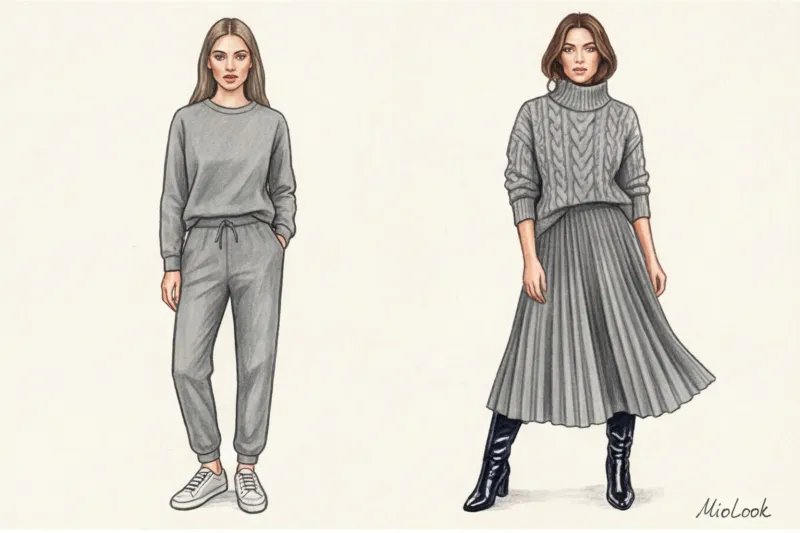
Collecting monochrome look in clothing , most people make the same mistake: obsessively searching for items with absolutely identical shades and textures. The result is a flat patch of color. We've covered working with patterns in more detail in our the complete guide to print pairing in the capsule collection , but today we'll talk about the magic of pure, solid color.
I'll show you how to make a single color work in 3D using textile design principles and my favorite trick, optical illusions.
The Anatomy of Boredom: Why Your Monochrome Look Looks Flat
Six months ago, Anna, a top manager at a large IT company, contacted me. Her request was as follows: "Isabella, I spend €1,500 on basics, buy perfect gray suits, but in the office I blend in with the concrete walls. I look... nothing.".
When we sorted through her wardrobe, the diagnosis became clear: "texture blindness." Her capsule collection consisted of smooth, matte fabrics—basic suiting wool, smooth cotton, and thick viscose. Excellent cuts, the right gray color (cool graphite), but a complete lack of chiaroscuro. In such pieces, the viewer's eye simply glides over the figure, catching nothing.
Many people think that minimalism, in the spirit of iconic brands like The Row or Jil Sander, simply means basic pieces without prints. This is a dangerous misconception. True minimalism is about architectural cuts and a rigorous selection of textures. If you wear a matte cotton T-shirt with matte trousers from a mass-market store, you won't become a style icon. You'll become invisible.
Your perfect look starts here
Join thousands of users who look flawless every day with MioLook. A smart AI stylist will help you find the perfect texture.
Get access — €0.99 onceThe Secret Rule of 3 Textures (and How the Physics of Light Works for Your Style)
Over 12 years of working as a stylist, I've developed the golden rule "1+1+1." Incorporating just three different textures into a single monochrome look increases its visual value by 80%. Why? Because monochrome is a play with light, not color.
The formula for the ideal image looks like this: light absorption + light reflection + volume.
When I'm trying on clothes with clients, I always use my signature "Squint Test." Get dressed, step two meters away from the mirror, and squint hard. If your outfit blends into one solid blob of color, you've failed the test. If you can clearly see the edges of the sweater, skirt, and shoes thanks to the highlights and shadows, bingo, you've put together the perfect outfit.
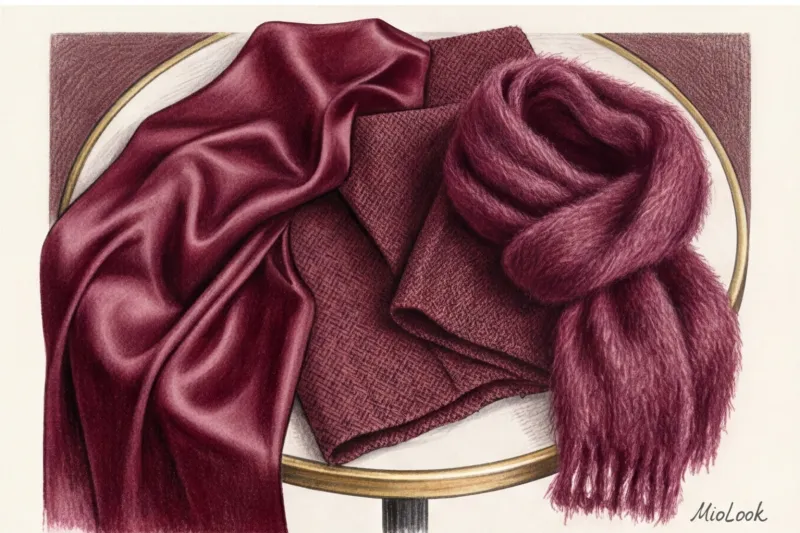
Matte absorbers (Base)
These include thick wool, suede, heavy matte cotton (from 180 g/m²), and drape. These materials absorb light rays without glare. Their main role is to create a foundation.
Matte textures visually reduce body volume. Therefore, if you want to contour your hips, choose a matte suiting fabric or thick suede. They act as a canvas against which other pieces will shine.
Glossy reflectors (glare)
Silk, satin, smooth leather, lacquer, sequins. These are your fashion highlighters. They reflect light, creating the illusion of a wet sheen.
Gloss always draws attention to the area it's placed on. Wearing a silk blouse accentuates the bust and chest. For a daytime business look, shine should be used sparingly: just one reflective detail (like a silk top under a jacket or patent leather pumps) is enough to bring the outfit to life.
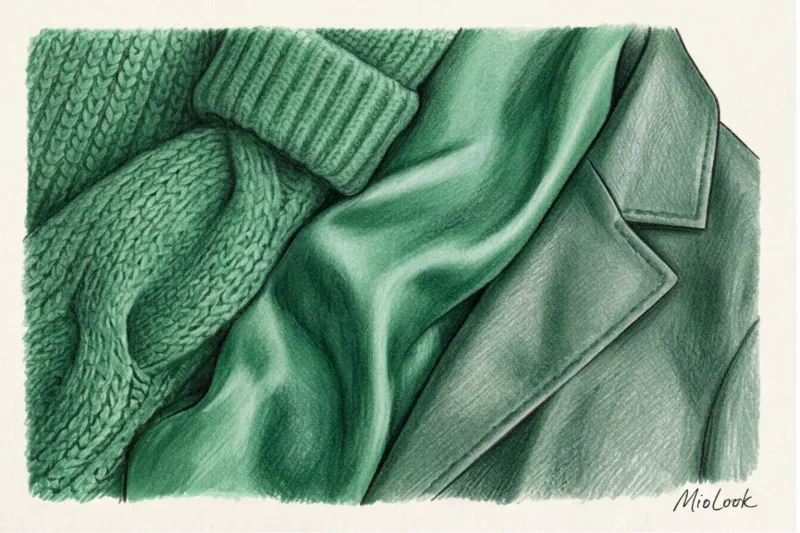
Embossed and pile materials (Volume and character)
Chunky knits, bouclé, tweed, corduroy, mohair, cashmere. My favorite category, which brings a Mediterranean relaxed feel to the look (what the Italians call sprezzatura - deliberate negligence).
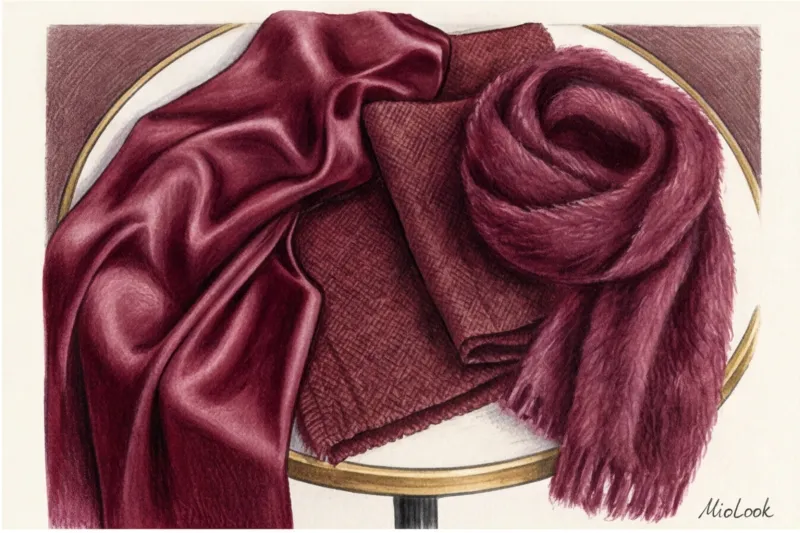
The pile and interweaving of these fabrics create their own micro-shadows. The textured texture is best placed on the upper body: a voluminous cashmere sweater softens facial features and creates an incredibly cozy and luxurious look.
Debunking the myth: Why a perfect color match makes an outfit look cheaper
And now I’m going to tell you something that might change your idea of your wardrobe. Trying to match things tone on tone in a monochrome is a fatal mistake.
Firstly, it's practically impossible. If you take silk thread and wool yarn and dip them in the same vat of dye, they will produce different shades. The wool will absorb the pigment deeply and become matte, while the silk will become shimmery and appear lighter.
"According to research by the WGSN trend bureau (2024), it's micro-contrasts and subtle color shifts (degrades) within one to two tones that the human brain perceives as a sign of complex, luxurious design. Perfect color matching is now associated with mass-market products and synthetics."
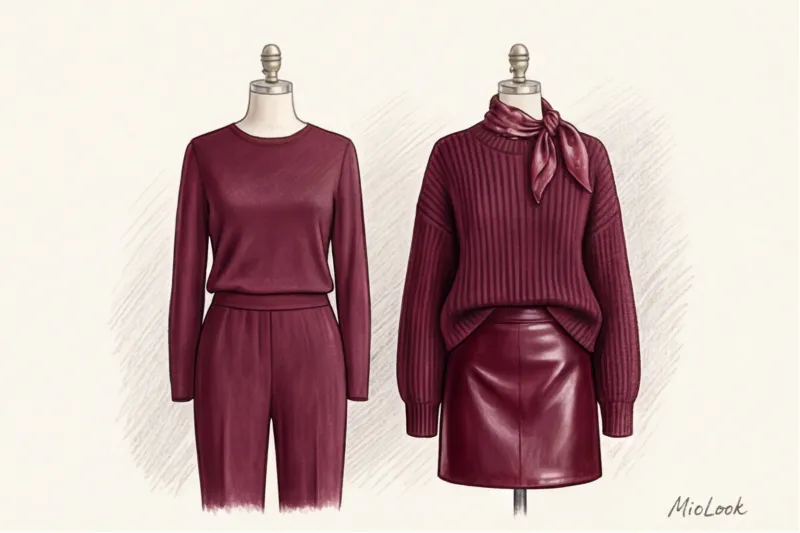
A slight difference in shades isn't a defect—it's chic! It's the difference in texture that legitimizes this color difference. A burgundy leather belt has every right to be a shade darker than a burgundy cashmere dress.
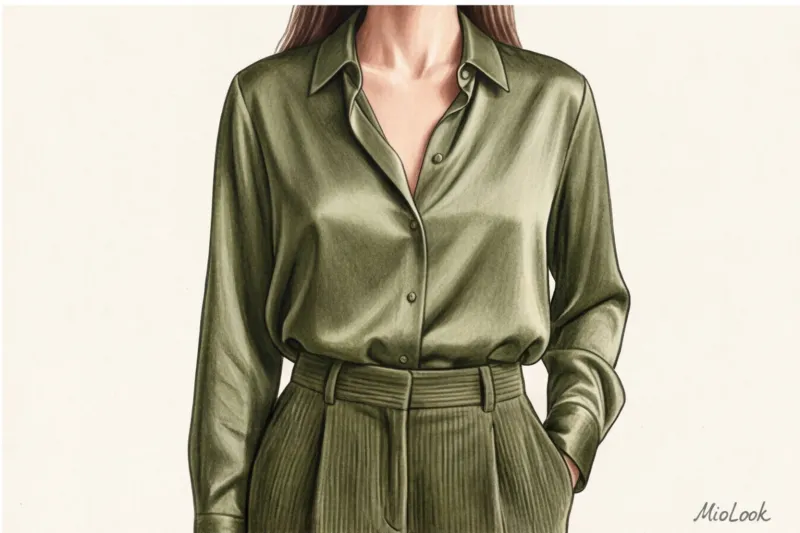
Palette Specifics: How to Create a Monochrome Look with Clothes in Different Colors
Different colors require completely different approaches to fabric architecture. What works with beige will completely ruin black.
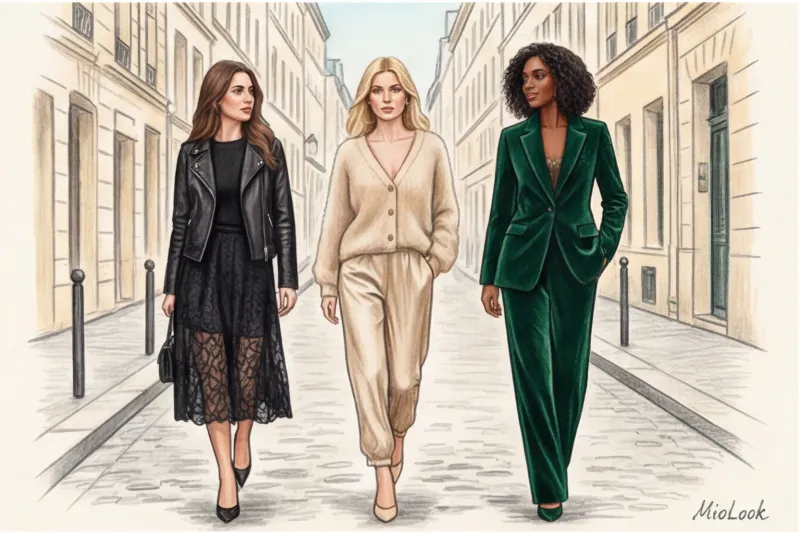
Total Black Magic
The main danger of black is that it can turn into a "black hole." Black absorbs light more than any other color. If you wear a matte black turtleneck with matte black pants, you'll blur the contours of your body.
Formula of salvation: Smooth leather + loose wool + translucence. Add chiffon, fine lace, or at least nylon tights with a slight sheen. The translucence reveals the skin, creating the necessary contrast.
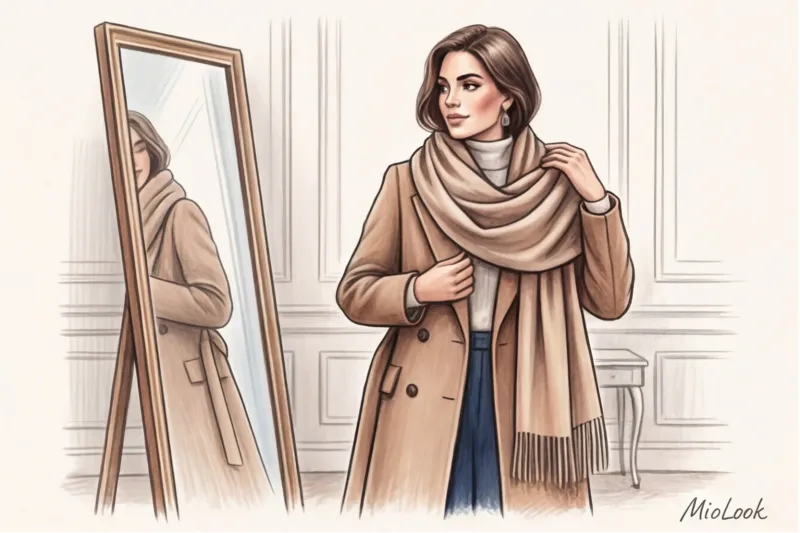
Complex beige, ecru and camel
This is a palette for the "old money" aesthetic. Light shades reflect light beautifully on their own, so there's no need for a lot of polish or harsh leather.
Formula: Fluffy cashmere + flowing silk + textured suede. The combination of delicate silk and rough suede in caramel tones is the quintessence of luxurious minimalism.
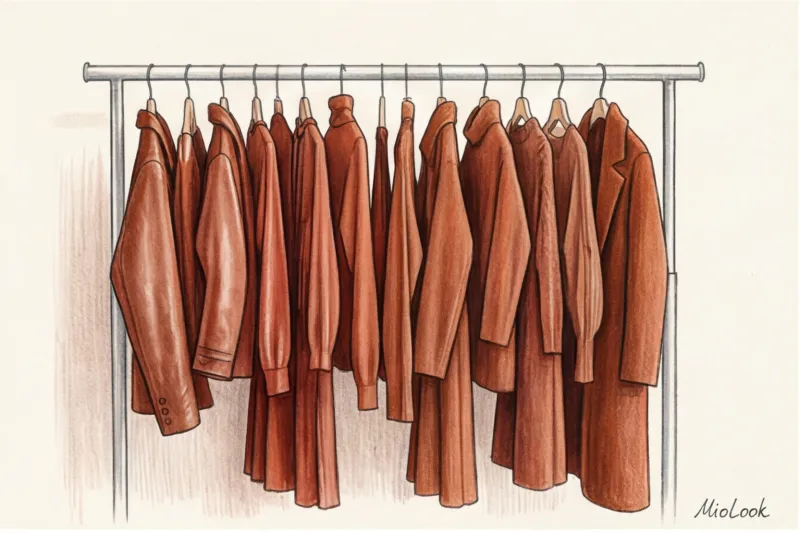
Bright and deep monochrome (burgundy, emerald, terracotta)
My favorite is the Mediterranean palette. There's a catch: bright color and strong shine often create a vulgar effect. A red satin suit looks out of place during the day.
Formula: Subdue the color with a refined matte finish. Use dense cotton, fine wool (creponse), and corduroy. If you want a hint of shine, choose matte silk (with a subtle satin sheen, not a mirror-like sheen) or delicate hardware.
Access to MioLook for €0.99 — one-time payment
Not sure where to start? Our smart AI stylist will find the perfect monochrome look based on your palette and existing items.
Get access — €0.99 onceMy Favorite Everyday Combination Formulas (Isabella Approved)
I don't like giving abstract advice. Here are three proven formulas that my clients use regularly. You can put them together from basic items today.
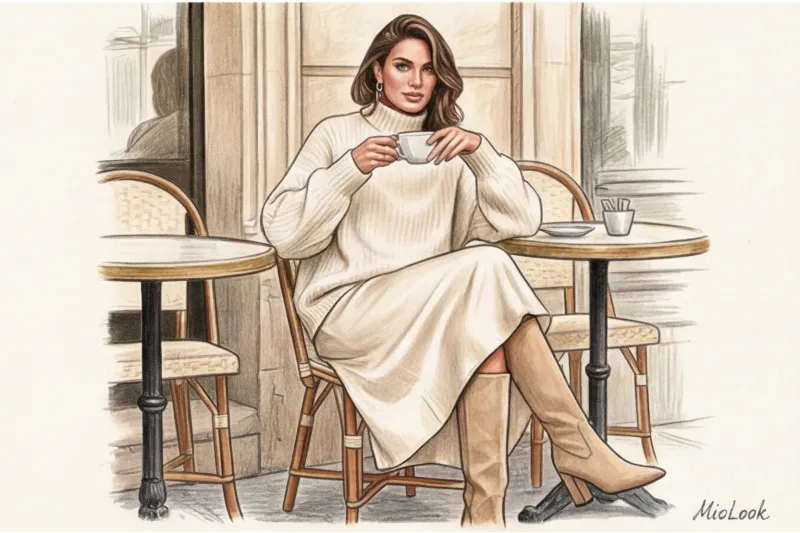
- Formula 1: For an office with a strict dress code.
Choose a smooth gabardine suit (jacket and trousers). Wear a natural silk top under the jacket (it will add the perfect subtle highlight). Complete the look with a statement crocodile-embossed leather belt. Three textures: matte wool, shimmering silk, and textured leather. Looks like a million bucks for a budget of €200. - Formula 2: Smart Casual for City Meetings.
A chunky, chunky-knit sweater (mohair or merino) paired with a bias-knit slip skirt. It's a classic that never fails. Add matching suede ankle boots. The sweater adds volume, the skirt adds a subtle highlight, and the shoes provide a matte base. - Formula 3: Effortless evening out.
Swap your usual dress for a textured monochrome. A velvet jacket (a deep, light-absorbing material) + flowing crepe trousers + patent leather pumps. Velvet and patent leather are the perfect partners for evening wear, creating a dramatic, theatrical contrast.
The main mistakes when creating a textured monochrome
Before working with a stylist or using the smart wardrobe feature in the MioLook app, many people make annoying mistakes that ruin the entire look.
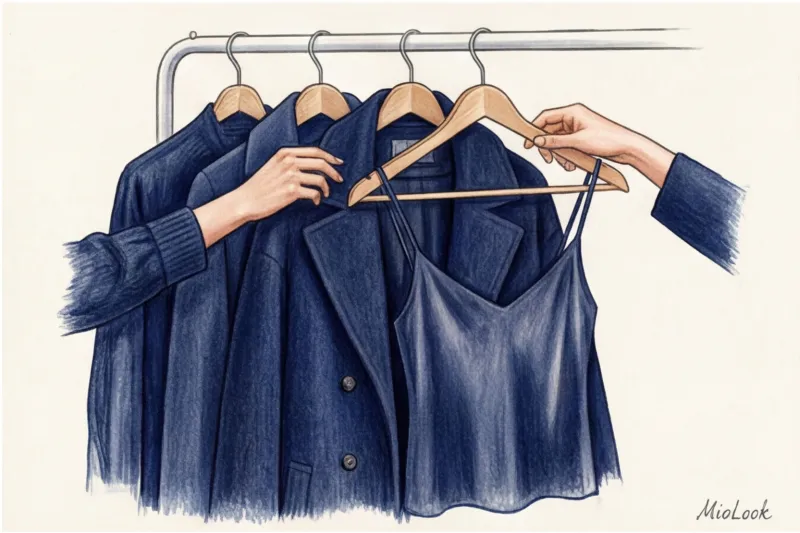
Mistake 1: Too much shine during the day.
A satin blouse, patent leather shoes, and a smooth leather bag in one daytime outfit will make you look like a Christmas tree, even if everything is beige. There should be one highlight, two at most (if the second is a small detail like the toe of the shoe).
Mistake 2: Ignoring fabric weight.
There's a strict rule for layering: layer heavy layers over light layers. You can't layer a thin viscose cardigan (120 g/m²) over a heavy denim shirt (300 g/m²). The viscose will stretch over the tight seams of the underwear, making the outfit look cheap. Always check the density.
Mistake 3: Cheap synthetic gloss.
When my advice DOESN'T work? If you're using polyester satin, unlike natural silk or high-quality cupro, which have a delicate sheen, polyester has a glassy, cheap sheen. If your budget is limited, choose matte viscose or high-quality cotton over cheap imitation silk.
Checklist: How to Create the Perfect Monochrome Look Right Now
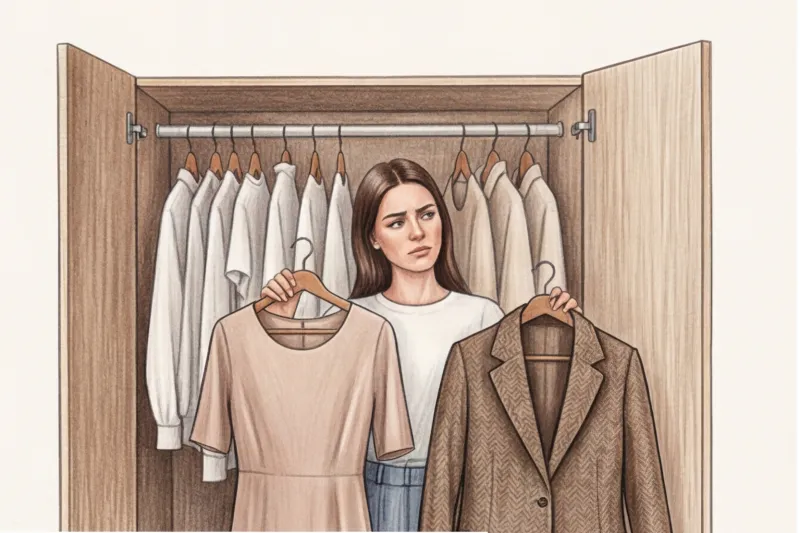
Let's move from theory to practice. Take a look at your closet and follow these 5 steps:
- Step 1: Choose a base color (it should make up about 60% of the look). For example, a deep navy blue.
- Step 2: Find the bulkiest or fluffiest item in that shade (a wool coat or a cable-knit sweater).
- Step 3: Add a smooth/flowy texture for contrast underneath (silk blouse or rayon top).
- Step 4: Complete the look with an accessory with a third texture (suede bag or patent leather ankle boots).
- Step 5: Check the profile. Take a mirror selfie and convert it to a black-and-white filter. This is a professional life hack for fashion photographers. If you can see a clear difference between the sweater, skirt, and bag in a black-and-white photo, the textural contrast is a success. If everything blends into a gray square, it's time to change.
Style isn't magic reserved for a select few with unlimited budgets. It's an understanding of simple physical laws and the ability to manipulate light. Stop looking for identical pieces. Allow your monochrome to breathe, shimmer, and create intrigue through the juxtaposition of silk, suede, and coarse wool. It is in these contradictions that true, confident elegance is born.
Ready to get started?
Try the MioLook free plan—no commitments required. Digitize your wardrobe and let our algorithms find the perfect texture combinations for you.
Get access — €0.99 once