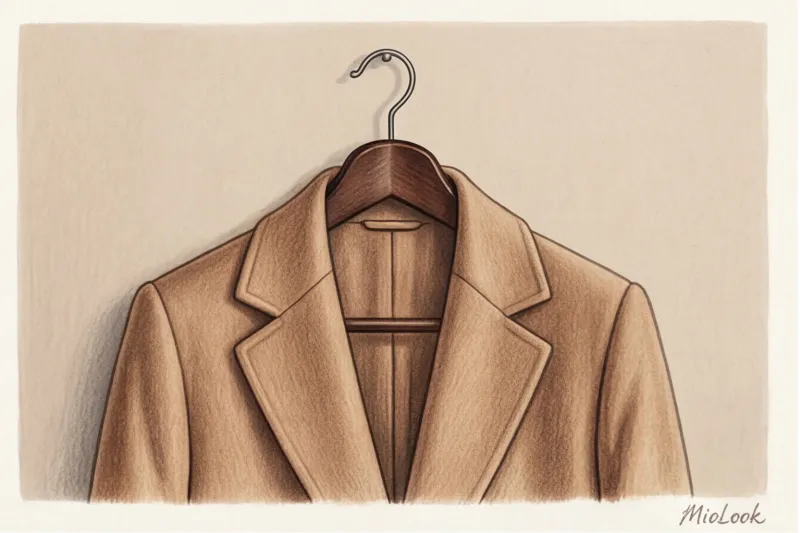
You know what breaks my heart as a stylist? When a client spends a fortune on a luxurious cashmere coat, only to pull it out of the closet six months later looking like a chewed-up blanket. Over 12 years of practice and hundreds of wardrobe reviews, I've learned one hard and fast rule: How to store outerwear in the off-season, affects your appearance no less than the ability to combine colors.
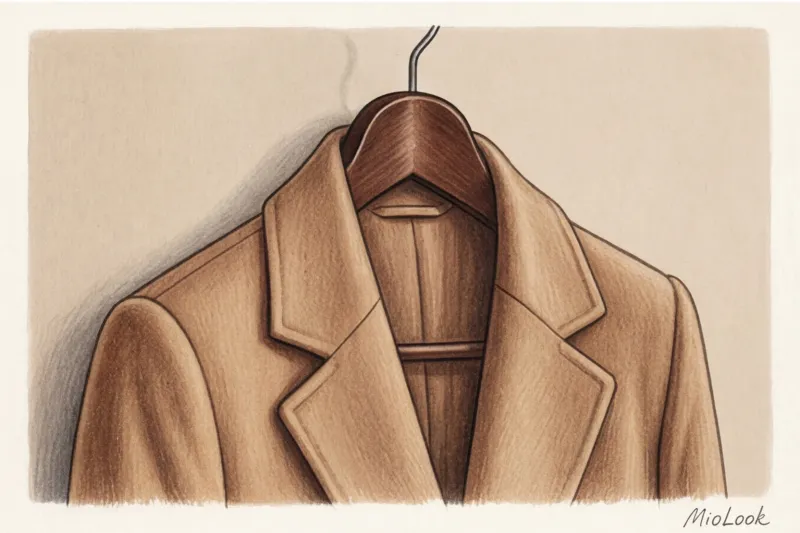
We're used to thinking that care ends with washing. But the truth is, 90% of the time, your jackets and trench coats just hang in the closet. And it's there, in the darkness of the dressing room, that we decide whether an item will last five years or be sent to the dacha next fall. Let's explore the physics of fabrics and put those "just shove it all in a vacuum bag" tips to rest.
Why the question of "how to store outerwear" is a question of your money
I always tell my clients: treat your wardrobe like an investment portfolio. Every item has its own efficiency factor (COP)—the cost per garment. We discussed this in more detail in our The complete guide to basic outerwear If you bought the perfect trench coat for $300 and wore it 100 times, it's worth every penny. But if it loses its shape after its first summer in the closet, your efficiency is close to zero.
Any high-quality fabric has a "shape memory." In factories, the shoulders of jackets and coats are shaped using high temperatures and pressure. When you hang a heavy garment on an unsuitable support, gravity interferes with this memory.
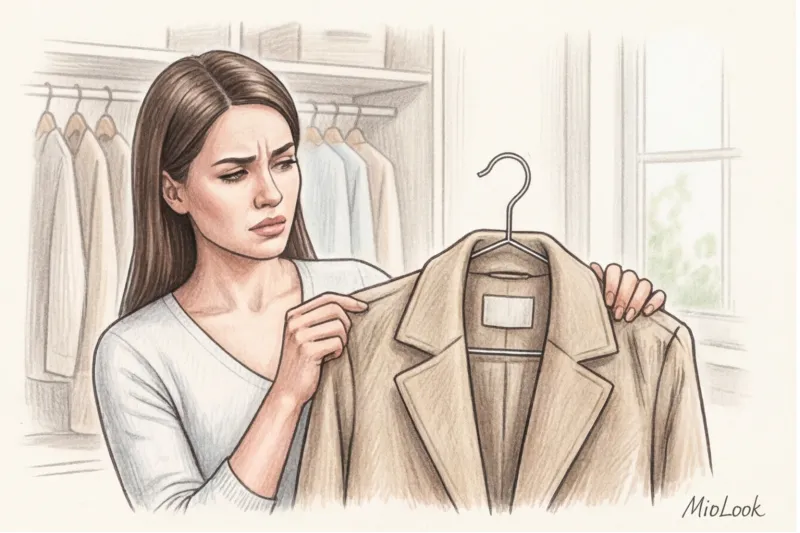
"One of my clients ruined a premium Max Mara coat by simply leaving it on a thin wire hanger from the dry cleaner for six months. The weight of the coat stretched the cashmere, creating pointed shoulders. The tailor's verdict was harsh: the shoulder seam was irreversible. The savings on the right hanger cost the same as a new coat."
Do the math: a proper cedar hanger with flared wings costs around $15-20. Repairing a deformed shoulder seam at a reputable tailor will cost $100 or more (and there's no guarantee it will work). The choice is obvious.
Access to MioLook for €0.99 — one-time payment
A smart AI stylist will select the perfect look based on your wardrobe.
Get access — €0.99 onceThe Wardrobe's Main Enemy: Why Vacuum Bags Are Killing Your Jackets
Now let's debunk the biggest myth about saving space. Vacuum bags are an absolute disaster for 90% of outerwear. Yes, marketers convince us that compressing a winter down jacket to the thickness of a pancake is genius. But you can't fool physics.
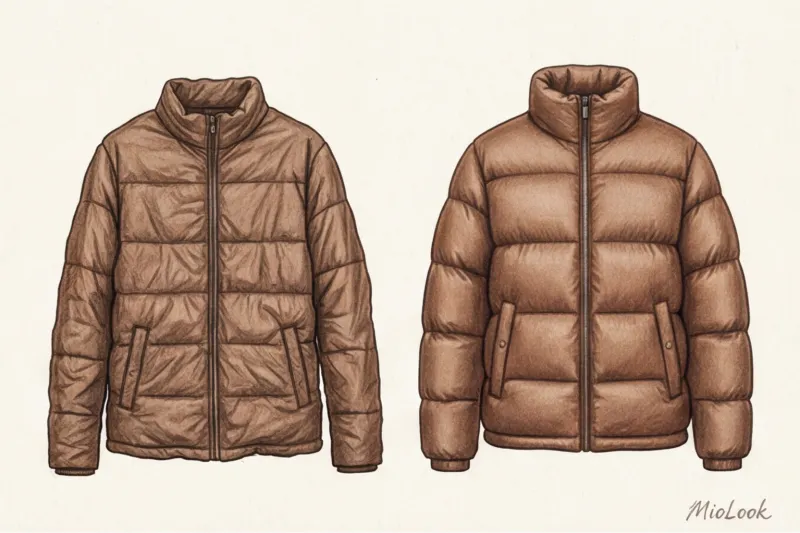
The main indicator of the quality of a down jacket is Fill Power (the ability of down to regain its volume after compression). The higher the density, the warmer the jacket while weighing less. When you vacuum out the air and leave a garment under pressure for six months, the fragile structure of natural feathers literally breaks down.
According to technological tests by outdoor clothing manufacturers, storing a down jacket in a vacuum reduces its fill power by 30-40%. You take the jacket out in the fall, and it no longer warms you. The down has turned to dust.
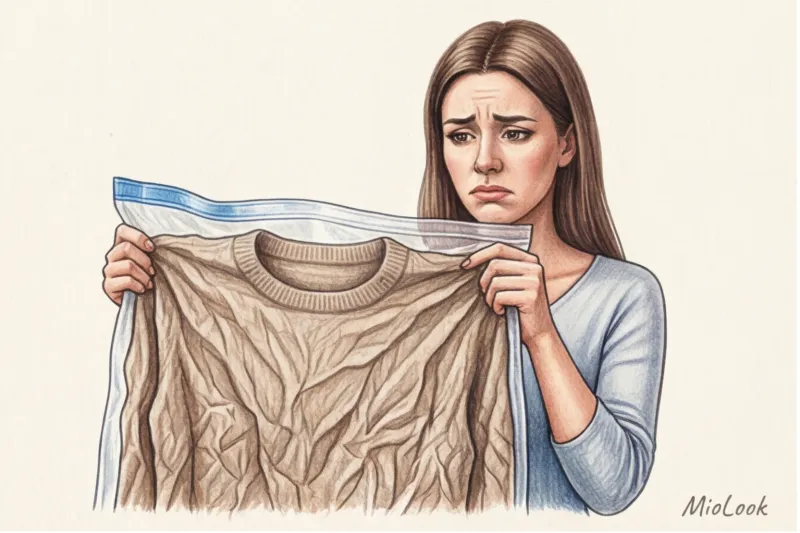
The situation is even worse with membrane fabrics (Gore-Tex and similar) and faux leather. Vacuuming creates hard creases in them that are impossible to remove with a steamer or iron. The membrane can simply crack at the folds, losing its water-repellent properties.
When do vacuum bags REALLY work? Save them for bed linens, towels, and basic cottons (T-shirts, loungewear). Any structured item will die in them.
Preparing for Hibernation: 3 Essential Steps Before Putting Things Away
You can't just take off your coat in the spring and hang it in the far corner until November. Preparation requires methodical planning.
- Total cleanout of pockets. A forgotten coin, a heavy set of keys, or even a thick receipt will stretch the lining and distort the silhouette over six months. Be sure to turn your pockets inside out and go over them with a lining roller—they accumulate an incredible amount of dust.
- Ventilation. Fabrics absorb odors from perfume, exhaust fumes, and food. Hang the item on the balcony (in the shade, avoiding direct sunlight) for 24 hours.
- Examination for micro-spots. Drank coffee on the run and left an invisible drop? Over the summer, the sugars and oils in the stain will oxidize. By fall, a stubborn yellow stain will appear, resistant to any stain remover.
Dry Cleaning vs. Home Care: What and When to Use
There's a common misconception that all outerwear should be dry-cleaned at the end of the season. As a certified colorist and stylist, I strongly disagree with this approach for natural wool.
According to experts at the Woolmark Company (the world's leading authority on wool), harsh solvents used in dry cleaning strip the natural lanolin from the fibers. Coats lose their luster, become dull, and begin to pill more frequently.
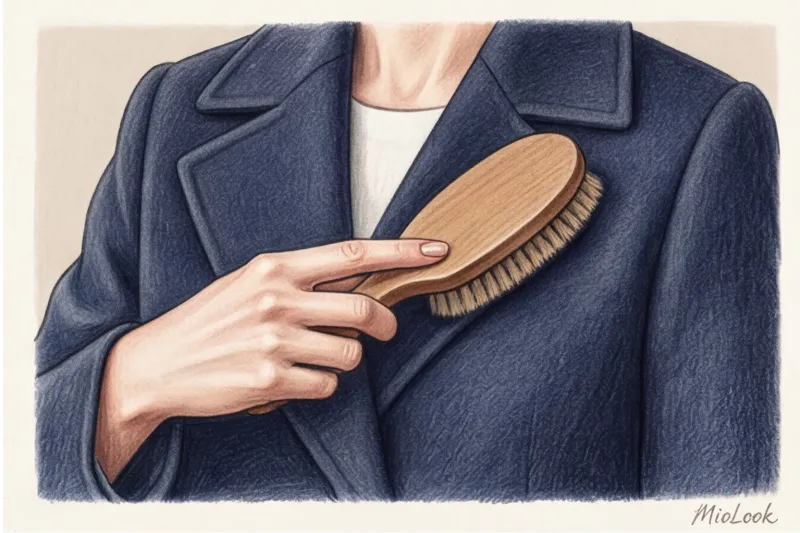
Alternative: Invest in a good clothes brush made of natural bristles (boar or horsehair). Regularly brushing your coat in the direction of the nap removes street dust and refreshes the fabric better than any chemical. Dry cleaning is really only necessary for light-colored down jackets (where the collar and cuffs get greasy) or for stubborn grease stains.
Your perfect look starts here
Join thousands of users who look flawless every day with MioLook.
Get access — €0.99 onceThe Anatomy of Proper Storage: Choosing Hangers and Covers
When I open my clients' closets, I often see the same scene: a heavy winter coat hanging in the thin, clear plastic wrap it came in from the dry cleaner. This is a fatal mistake.
Plastic bags are intended EXCLUSIVELY for transporting clothing from the drop-off point to your home. Leaving an item in plastic for months creates a greenhouse effect inside. Temperature fluctuations cause condensation. The result? A musty odor, the risk of mold, and yellowing of light-colored fabrics due to chemicals released from the plastic itself (BHT yellowing).
Hangers: Why Size Matters
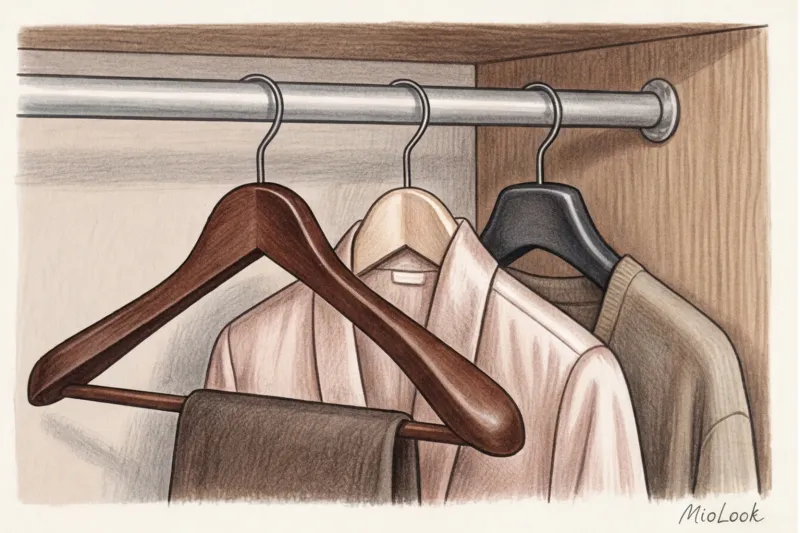
A hanger is the skeleton of your clothes. The rules for choosing one are simple but critical:
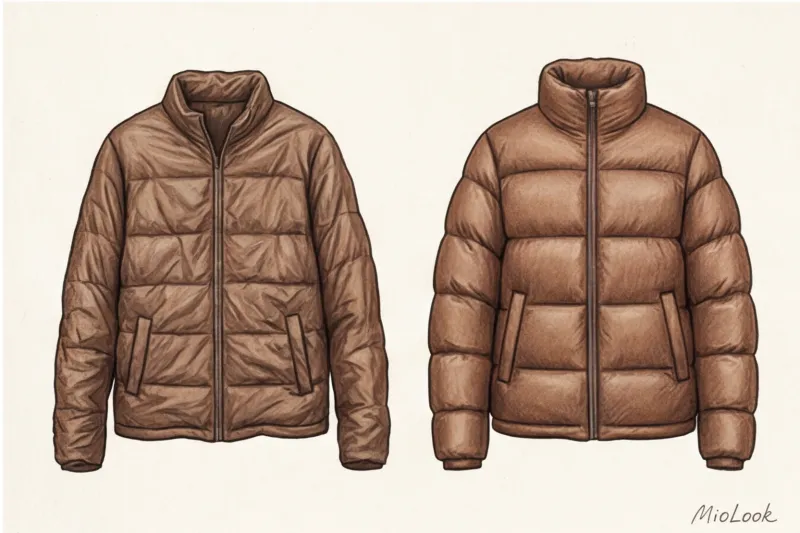
- Width: The edge of the hanger should rest exactly against the shoulder seam of the garment. If it's shorter, the shoulders will sag. If it's longer, the sleeves will appear "bubbled."
- Thickness: Coats and heavy jackets require heavy hangers with flared ends (4 to 6 cm wide). These distribute the weight of the garment.
- Material: Forget plastic and velour for heavy items. Unvarnished cedar is the ideal choice. It absorbs residual moisture and is a natural moth repellent.
Covers: case made of breathable materials
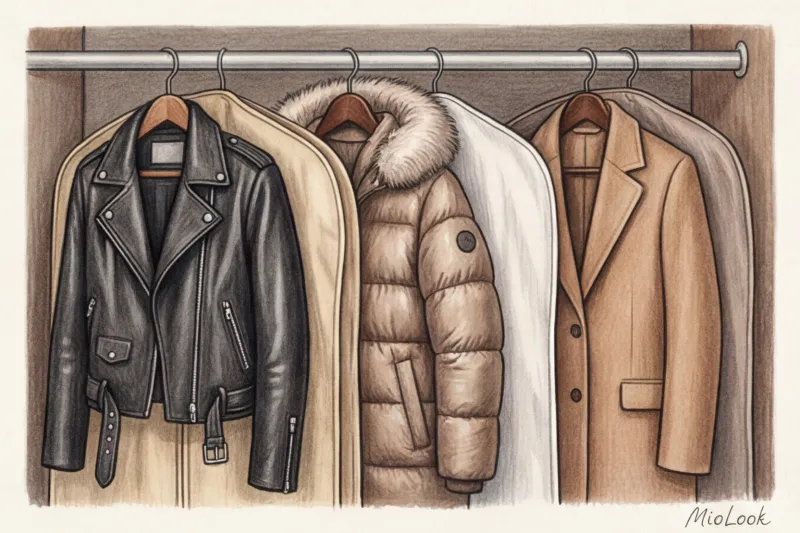
The right cover (casket) should be made of spunbond (non-woven fabric), heavy cotton, or linen. It protects against dust and friction from adjacent items, yet allows air to pass through. Pay attention to the length: the cover should be 10-15 cm longer than the garment itself, to prevent the hem from bunching up at the bottom.
Material specifics: from cashmere coats to leather jackets
What might save a cotton trench coat can ruin a leather jacket forever. There are no universal solutions.
How to store wool and cashmere coats
Wool loves shape and is moth-resistant. Before packing the coat, be sure to button it up (including the collar) and tie the belt, if applicable, (but don't pull it too tight). This will secure the brim and prevent it from sagging.
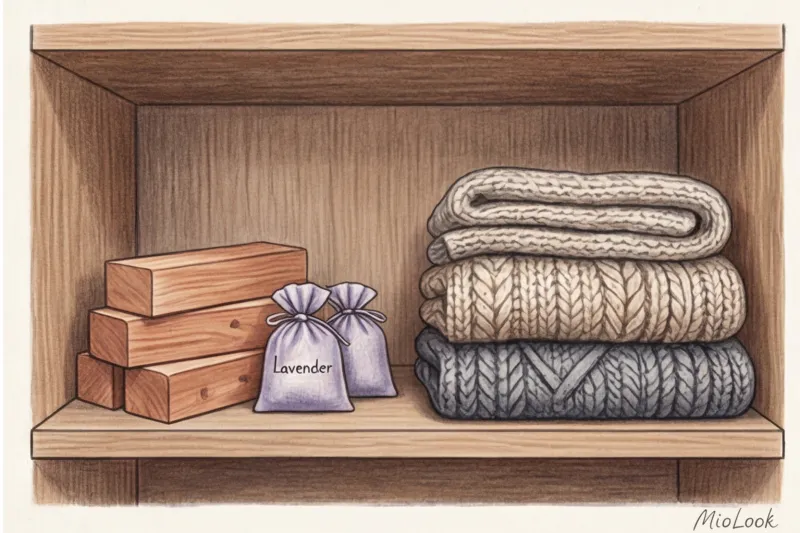
As for insect protection, avoid toxic mothballs. Use sachets of dried lavender, cloves, or cedar balls. An important nuance: Never place essential oils or sachets directly in contact with fabric—this will leave oil stains. Hang them on the hanger inside the case.
Down jackets and membrane jackets
If you decide to wash your down jacket at home, use only liquid detergents designed for membranes or down. Regular laundry detergent clogs the fabric's micropores, preventing the jacket from breathing.
It's best to store down jackets flat on a hanger. If space is a concern, fold the jacket into a spacious fabric bag (like the kind sleeping bags come in), but don't pack it too tightly. Before storing, fluff the down by hand or toss it in the dryer on the cool setting with three tennis balls.
Leather and eco-leather
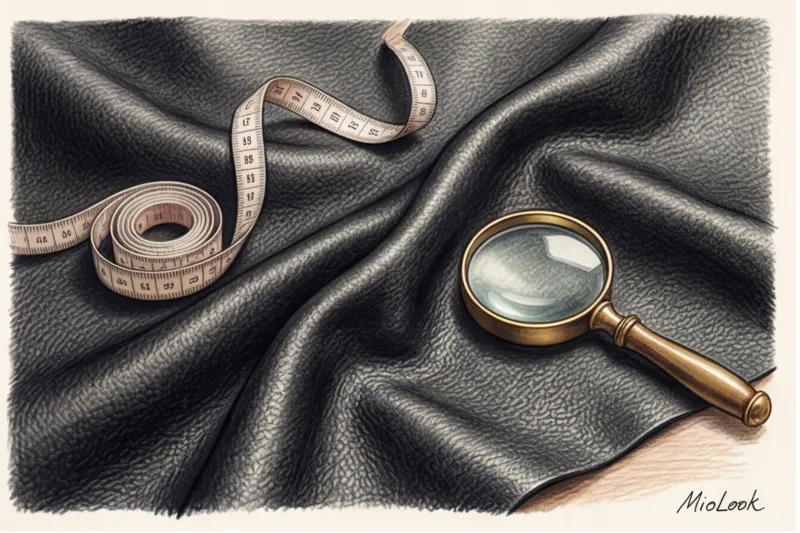
Genuine leather tends to dry out. Before storing it for a long time, treat the jacket with a special moisturizing cream or wax (test it on an inconspicuous area first).
Leather items should never be hung close to each other or next to colored fabrics, as this can cause them to stick together or the color to bleed. Also, keep them away from radiators and direct sunlight, as this will cause the leather to harden and develop microcracks.
Stylist checklist: a wardrobe overhaul before the new season
To save you from having to remember all this information, I've put together a step-by-step process for you. Take a screenshot and use it every time the seasons change:
- Step 1: Empty all pockets, remove heavy fur and removable decoration (store separately in a box).
- Step 2: Fasten all zippers, snaps and buttons to maintain the garment's shape.
- Step 3: Choose a wide wooden hanger, the size of which strictly matches the shoulder line.
- Step 4: Place the product in a breathable fabric case (no plastic!).
- Step 5: Add a natural moth repellent sachet inside the case (without contact with the fabric).
- Step 6: Hang in a dark closet, leaving at least 2-3 cm of air between the covers to prevent items from being compressed.
Smart Organization with MioLook: How to Remember What's Hanging on the Back Shelves
Here we encounter the main psychological trap of proper storage. As soon as you put a beautiful coat in an opaque fabric case and push it to the back of your closet, your brain forgets about it. This is the "out of sight, out of mind" phenomenon.
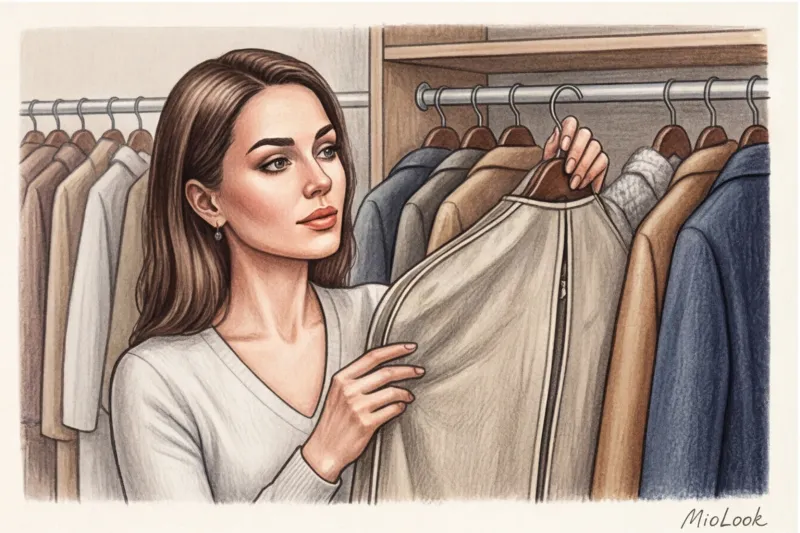
How many times have my clients bought a new scarf or boots in the fall, only to pull out their winter coat in November and realize the new items don't go with it at all? To avoid this, I strongly recommend digitizing your wardrobe. And that's where MioLook app.
When your belongings are properly packed and physically out of reach, their digital copies are always at hand on your smartphone. You can lie on the beach in August and use the "smart wardrobe" feature to plan your fall outfits, checking whether a sweater from the new Zara collection pairs with that camel coat currently safely slumbering in its cedar-scented bag.
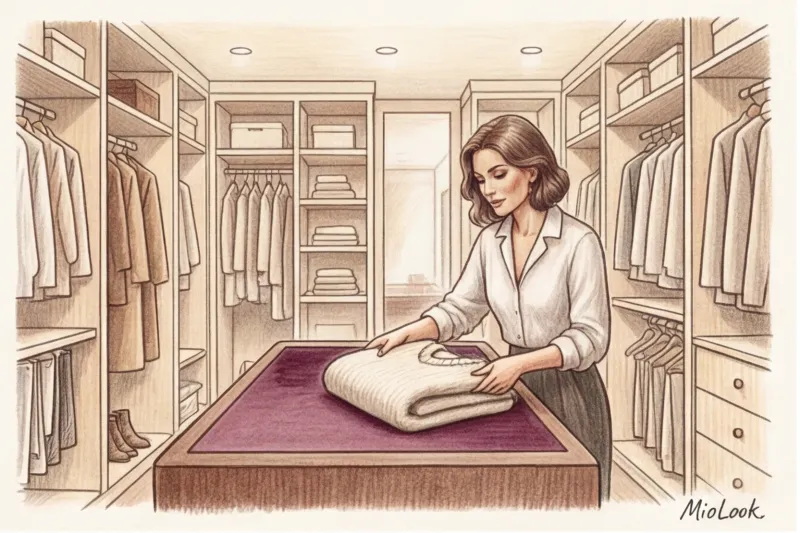
Investing in your wardrobe isn't just about the money spent at the checkout. It's about the time you spend on care and the technology that helps you manage your belongings. Remember: the right hanger and breathable cover will keep your clothes in shape, and smart digital storage will save you both stress and money before the cold weather sets in.