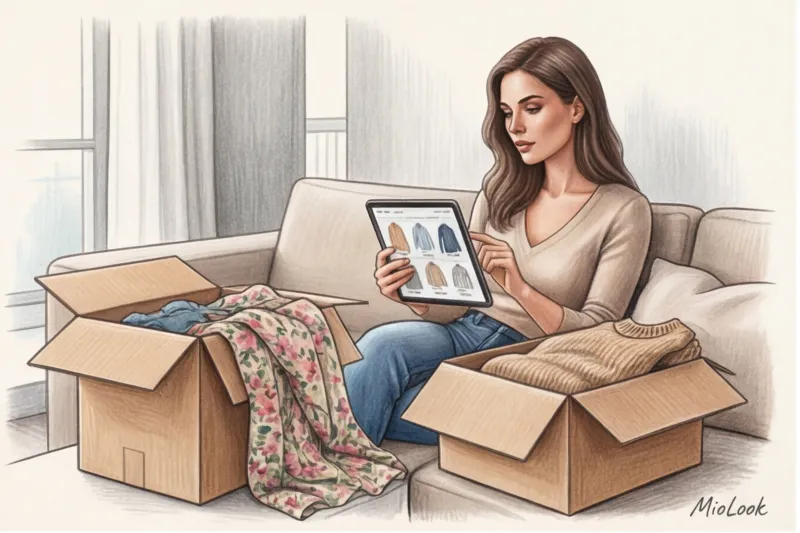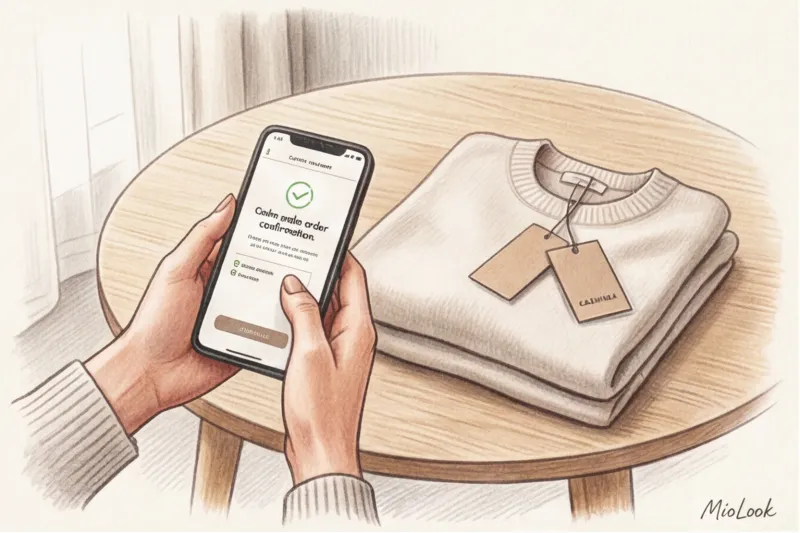
One of my clients lost €2,800 because her housekeeper accidentally threw away a gray cotton duster and plastic authentication card from a new bag. When the client tried to return the accessory to the boutique (the color didn't match her wardrobe), she was politely but firmly refused. The bag was in perfect condition, all the seals were intact, but without the duster, it had lost its original retail appearance. This case illustrates this perfectly: Returning clothes purchased online — this is not just a legal procedure, it is a whole ritual, where the slightest mistake can cost you money.
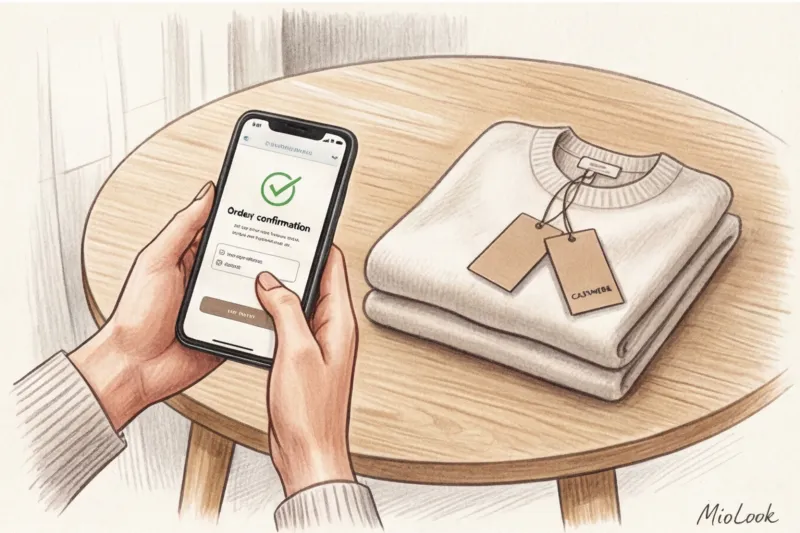
Most people live in thrall to old consumer myths. We believe we have 14 days to think about it, and we're terrified of losing a paper receipt. In reality, the law is stricter on deadlines, but much more lenient on documents. We've covered more about how to choose things wisely from the start in our The complete guide to perfect online shopping with no returns , but today I want to explore the "something went wrong" scenario. Over 12 years as a stylist, I've processed hundreds of returns—from basic COS t-shirts to couture dresses. And the rules here are very different from those we're accustomed to in regular shopping malls.
Legal Framework: Returning Clothing Purchased Online
According to the analytical agency WGSN (2024), approximately 38% of all clothing ordered online is returned to the seller. The reasons vary, from an ill-fitting cut to simple disappointment with the quality of the fabric. But when you click "Pay" on a website, your relationship with the seller is governed by a special regulation—in Russia, this is Article 26.1 of the Law "On the Protection of Consumer Rights" (Remote Sale of Goods).
The main misconception I constantly encounter is the "14-day rule." Remember: when buying remotely, the magic of numbers works differently. You have exactly 7 days for the return of a product of proper quality. The countdown begins the day after you physically pick up the parcel from the courier or at the pickup point.
But there's a stunning legal loophole here that brands are keeping quiet about. If your coat or dress didn't come with a written note clearly outlining the return deadline and procedure (specifically on paper or a separate form, not hidden somewhere on a website), your legal return period is automatically extended. up to 3 months In my experience, a couple of niche premium brands paid a price for their beautiful, yet minimalist, packaging design without unnecessary paperwork when we returned items two months later.
Access to MioLook for €0.99 — one-time payment
A smart AI stylist will select the perfect look and help you avoid unsuccessful purchases.
Get access — €0.99 oncePremium and mass-market: nuances and standards of unpacking
If you bought jeans at a mass market (in the €30–€80 range), a cardboard tag and no stains are usually enough to qualify for a return. But when we move into the premium and luxury segments, the demands on preserving the jeans' appearance skyrocket.
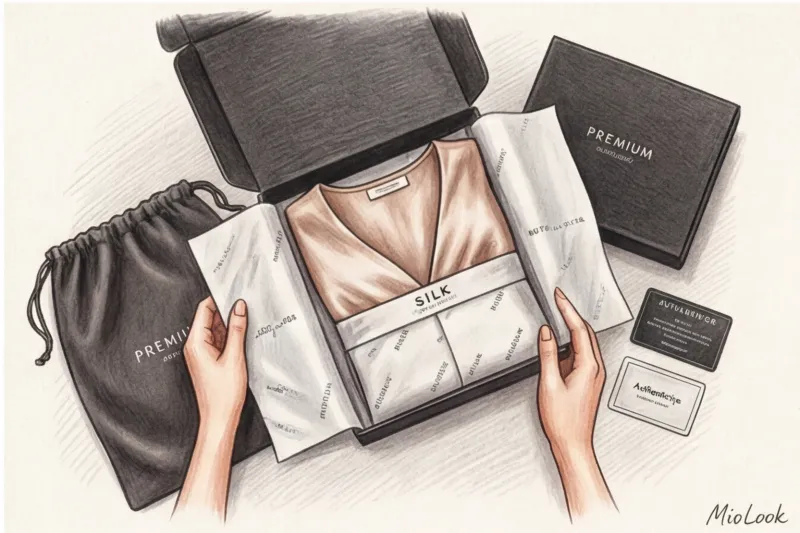
"In the luxury segment, packaging is part of the product. You're not just buying a piece of silk; you're buying an experience. A damaged box or a lost dust cover reduces the investment value of the item to zero."
Brands like Loro Piana, Bottega Veneta, and The Row use security tags—large plastic tags attached to thick cords that are impossible to remove without cutting. They're attached to visible areas. If the security tag is cut, the item is considered worn, even if you only wore it in front of a bedroom mirror.
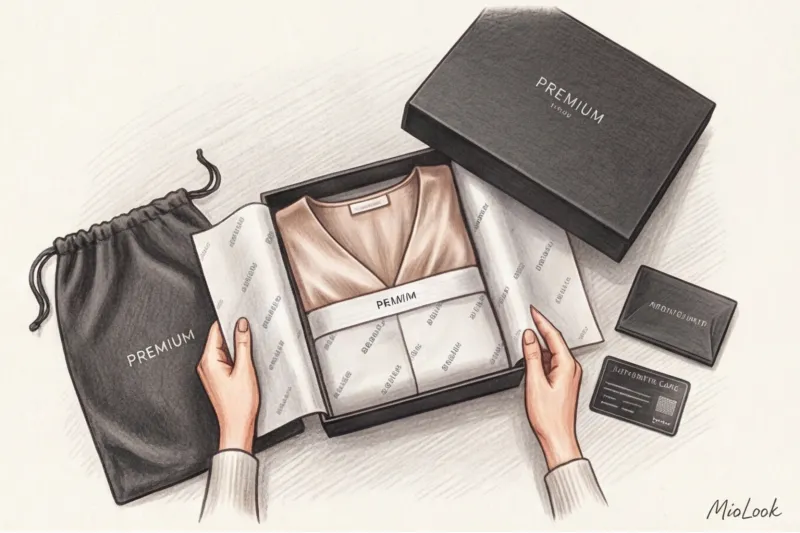
Over the years of work I have developed for my clients the gold standard of home fitting , which guarantees that the store will have no reason to find fault:
- Never try on light-colored items, high-neck dresses, or turtlenecks without a protective silk scarf over your face. One movement and your foundation will stain your collar.
- Try on shoes and full-length trousers only on a clean, soft carpet. If even a micro-scratch from the laminate appears on the leather sole of €800 shoes, they won't be accepted.
- Don't spray perfume before unpacking the package. Expensive natural fabrics (especially cashmere and silk) absorb odors instantly.
Things That Can't Be Returned: Debunking the Myths
The law contains a strict list of items that cannot be returned if you simply "don't like" them. In the context of clothing, this includes underwear, swimwear, bodysuits (if classified as lingerie), and hosiery. Made-to-Measure clothing also falls into this category.
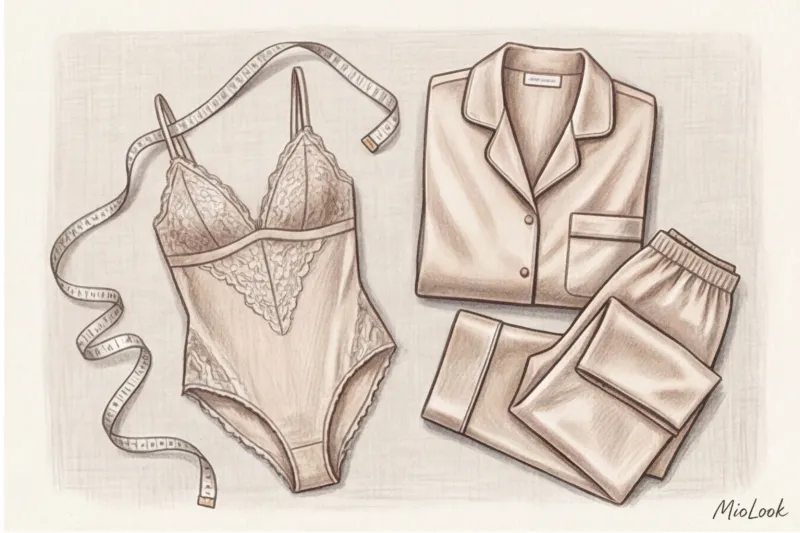
The perfect suit, tailored to your specifications by an online tailor, will stay with you forever, even if the color in reality turns out to be swamp green rather than emerald. But there's a crucial point here. exception , which many people forget about.
The "no return" rule is reset if you find manufacturing defect (Defective product). We once ordered a custom silk trench coat for a client worth around €1,200. We couldn't return it because we'd changed our minds. But upon unpacking, I noticed a seam was coming apart in the lining and the hardware had microchips. We filed a defective product claim, and the store refunded the full amount within two days. Defective goods trump any list of non-returnable items.
Signs of wear or fitting: where is the fine line?
Where does trying on end and wearing begin? For online retailers, the line is a fine one. A buyer's biggest enemies are odor (perfume, deodorant, tobacco) and traces of biomaterials. Even if you wore a blazer for 15 minutes on a Zoom call and then decided to return it, a slight whiff of your deodorant on the armholes will give the store every right to refuse.
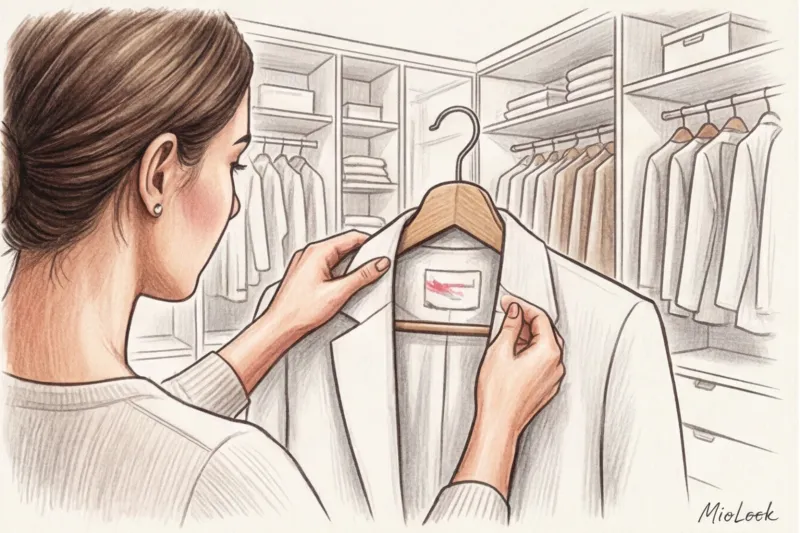
A particular pain is creases in leather items. A leather jacket or boots will mold to the shape of your body (or foot) in just 20 minutes of active movement. If you decide to wear your shoes around the house and the characteristic wrinkles appear at the folds, the item is considered used. It's also strictly forbidden to remove the sewn-in tags (containing the composition and washing instructions). Without them, the item loses its identity.
Your perfect look starts here
Join thousands of users who look flawless every day with MioLook. Digitize your wardrobe and create capsule collections in one click.
Get access — €0.99 oncePitfalls and Store Failure: How to Protect Your Investment
"We can't accept the return because you don't have a receipt" is a phrase uttered only by the most dishonest sellers these days. According to the law, the absence of a sales receipt or a cash register receipt is not grounds for refusal. An electronic receipt in the mail, a screenshot from a banking app, or even a conversation with a manager on a messenger are all valid proof of purchase.
But what if the store claims the item has been worn, but you know for sure you only tried it on? This is where independent examination If you're confident you're right, you have the right to request an expert assessment (the seller will pay for this during the warranty period).
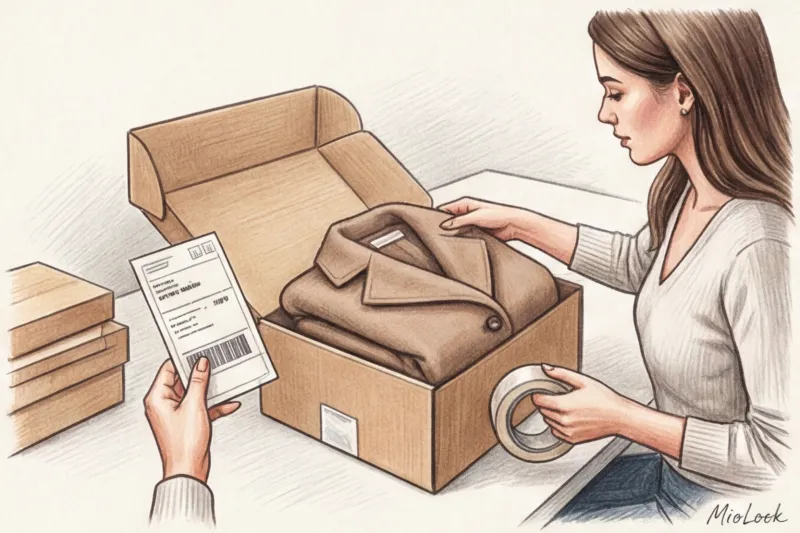
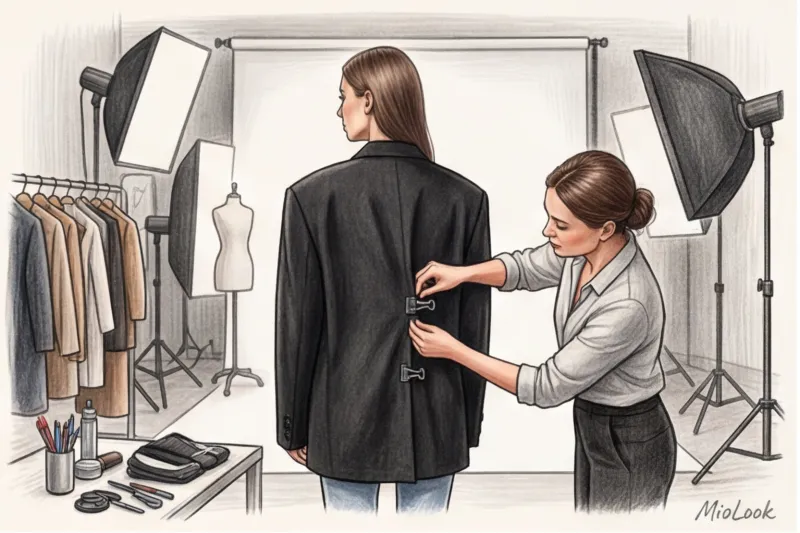
In the age of premium online shopping, I strongly recommend adopting the habit of filming the unpacking of expensive parcels. Prop your phone up on a tripod and show the integrity of the seals, the condition of the seams, and the hardware. If the item arrives with a stain from a previous buyer (which happens often in e-commerce), the video will be your ironclad alibi.
In extreme cases, if you paid for an order with a bank card, and the store blatantly ignores the law, you can initiate the procedure chargeback (disputing the transaction) through your bank. However, this does NOT work if you actually stained the item and are simply trying to shift responsibility to the brand—the bank will request proof from both parties.
Hidden defects: return after use
A return of proper quality (those seven days) is one thing. But what if the problem manifests itself later? From my recent experience: a client bought a cashmere coat for €3,500. After two days of gentle wear in dry weather, the fabric on the sleeves began to deform and become covered in hard pilling, which is unusual for premium materials.
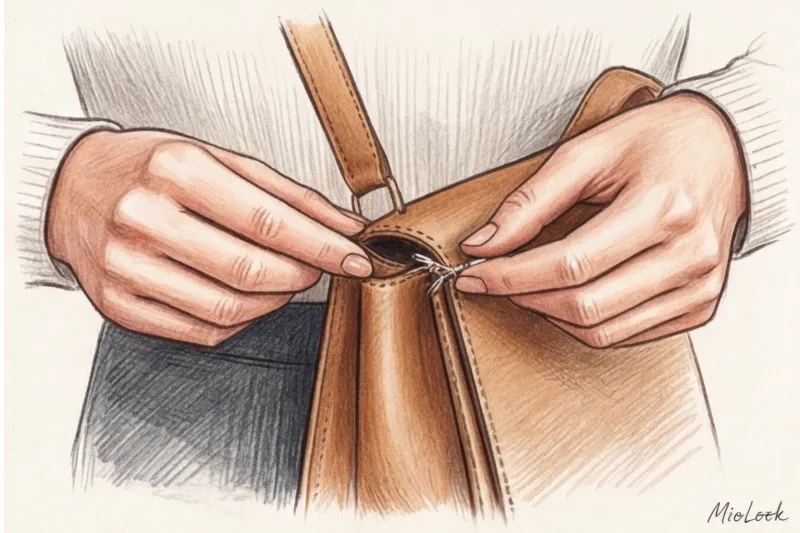
By law, if there is no warranty period for clothing (or it is less than two years), you still have the right to make a claim for a hidden manufacturing defect. within 2 years from the date of purchase. In the case of the coat, we commissioned an expert analysis, which proved the thread weaving technology had been violated. The store refunded the money and reimbursed the expert's costs.
Checklist: How to process a return quickly and efficiently
To ensure your money returns to your account without any hassle, the process must be systematic. Here's my proven algorithm:
- Checking completeness: Make sure all tags, seals, spare buttons, dust bags, and branded paper are in the box. If the store included a gift (such as a cream sample), it must also be returned, otherwise its value may be deducted from the refund amount.
- Filling out the application: Be clear. If you're returning the item because it "didn't fit" (Article 26.1), state that. If there's a defect, describe it in detail to prevent the item from being sent to a warehouse for resale to another customer. Be sure to include full bank details (BIC, account number), not just the card number.
- Dispatch: Choose a reliable method (courier or mail with a list of attachments). Be sure to save the tracking number and shipping receipt. From this moment on, the courier service is responsible for the safety of the parcel.
By law, the seller is obligated to refund your money within 10 days of your request (essentially, the moment they receive your package and inspect the item). Important: if the item was defective, you are responsible for return shipping costs. If the item is defective, the store pays for return shipping.
How to Forget About Returns: A Mindful Online Shopping Strategy
I often tell my clients: the best return is the one that never happened. A high return rate is always associated with emotional, ill-considered purchases. We see a beautiful picture of a model on Pinterest, imagine ourselves in that look, and click "buy," ignoring the technical specifications.
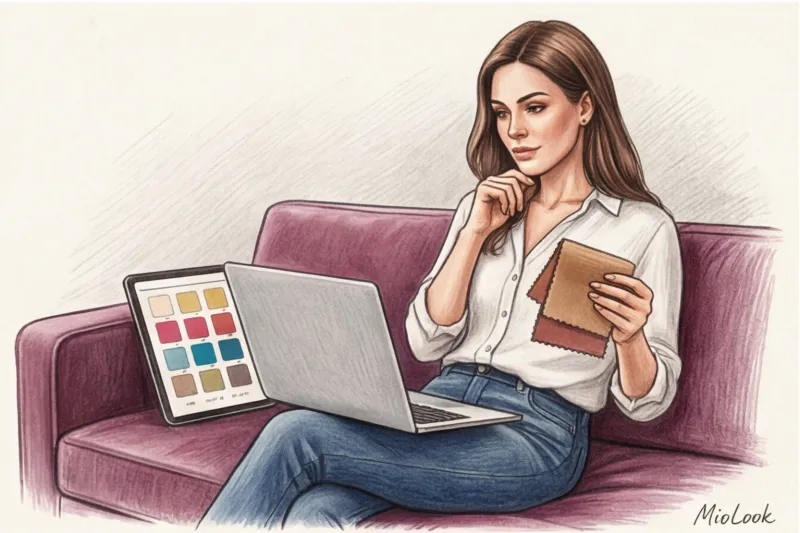
To break this cycle, you need to switch from visual to analytical perception. Never buy an abstract "quality shirt." Look for specifics: cotton of at least 180 g/m², the correct collar geometry, and the length of the back.
This is where modern technology comes in. If you want to get rid of the "fashionable roulette" and stacks of return boxes in the hallway forever, use Smart wardrobe features in MioLook The platform helps you analyze in advance how a new item will fit into your current capsule wardrobe, whether it suits your proportions and color palette.
Ready to get started?
Try the free plan—no commitments. Start building your perfect wardrobe without unnecessary expenses and constant returns.
Get access — €0.99 onceReturning clothing is a normal part of online shopping, but it shouldn't become a chore. Treat your purchases as an investment, keep a cool head when unpacking, and understand your 7-day and 2-year rights, and online shopping will be a joyful experience, not a chore of postal receipts.