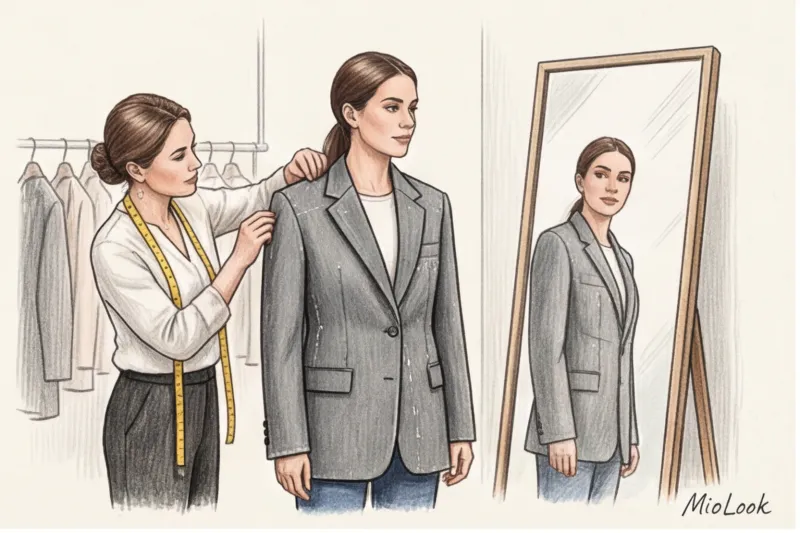
Over 12 years of working as a personal stylist in Europe, I've learned one hard and fast rule: money doesn't buy style, it only buys opportunities. I've seen women in total looks from heavy luxury that looked, excuse me, cheap due to the poor fit and undefined texture. And I worked with a junior partner at a law firm whose wardrobe consisted of basic Massimo Dutti and COS lines, but colleagues whispered that she dressed in boutiques on Avenue Montaigne. If you want to know, How to look expensive The first thing to do is forget about logos. The difference between these women wasn't budget, but their understanding of the insider formulas for a high-status wardrobe.
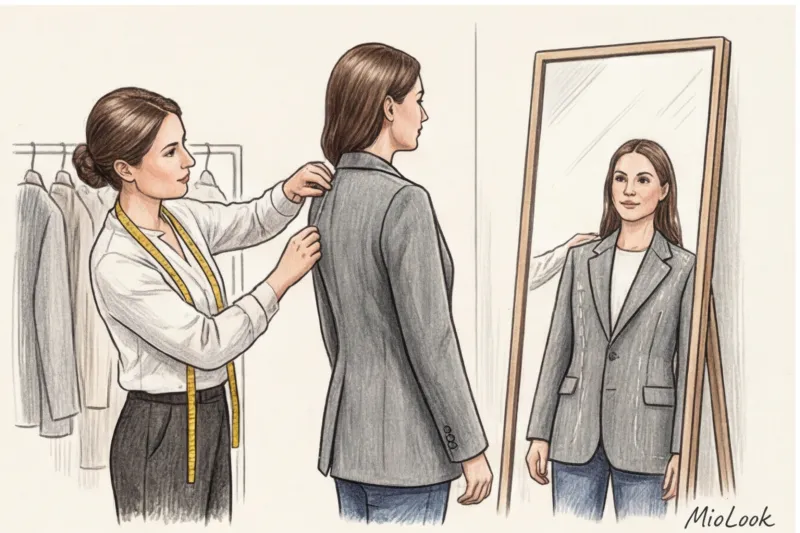
This approach is closely linked to how clothing conveys our professionalism - we talked about this in more detail in our The complete expert image and wardrobe guide for your personal brand Today, we'll explore specific mechanics: how to make the mass market work to your status.
The Anatomy of Status: How to Look Expensive Without Being a Millionaire
A status wardrobe isn't about demonstrating financial superiority. It's about geometry, texture, and impeccable grooming. In 2012, researchers from the Kellogg School of Management published a groundbreaking study proving the concept. Enclothed Cognition (embodied cognition). Scientists have discovered that clothing physically changes our confidence, cognitive abilities, and how others perceive us. When you put on a structured, perfectly fitting jacket, you literally begin to think and act like a leader.
That's why the concept of "quiet luxury" has become so popular. But for real life on a budget, we don't need Loro Piana cashmere. We need an understanding of how to create the illusion of this quality with affordable means.
Secret #1: The Tailor is Your Best Friend (Fit Rule)
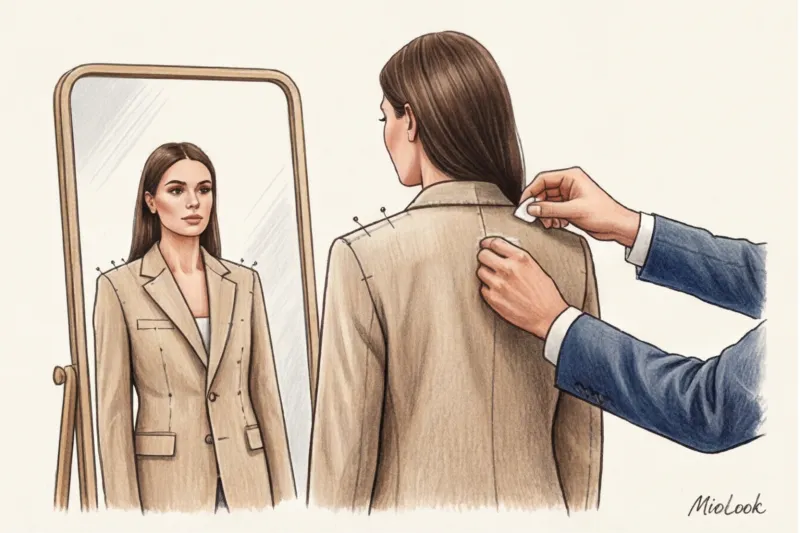
Mass-market patterns are based on the average "Frankenstein." Brands want their garments to fit as many body types as possible. The chances of a Zara jacket fitting you perfectly straight off the hanger are about 5%.
Now, here's some simple style math. You buy a basic jacket from H&M for $50. It's a little baggy in the waist, and the sleeves are a bit long. You take it to a tailor, pay $20 for a back take-in and button transfer. The result? You get a $70 item that visually looks like it costs $400 because of how it fits. individually for you Nothing gives away cheap clothing more than creases in the armholes and bubbles in the back.
Of course, this rule has a fair limitation. It doesn't apply to thin, flimsy knits or items with already hopelessly damaged armholes (re-cutting the shoulder girdle will cost more than the item itself). Take only structured items to a tailor: jackets, trousers, coats, and heavy shirts.
Your ideal image begins Here
Join thousands of users who look flawless every day with MioLook.
Get access — €0.99 onceFabrics that give you away (and those that save money)
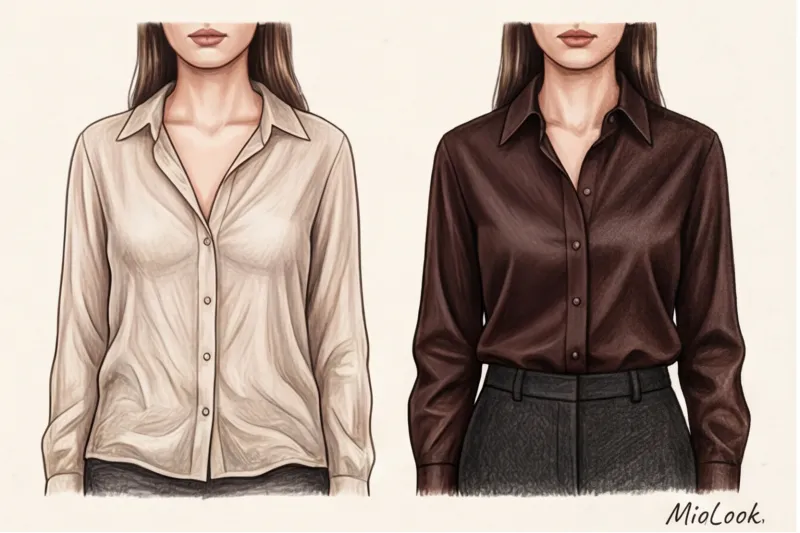
The visual weight of a fabric is something we perceive in a split second. Thin, staticky polyester screams cheapness before you even have time to say hello. When I'm reviewing items in stores with clients, I often ask them to close their eyes and touch the items blindly. If the fabric creaks under their fingers or feels hollow and slippery, we move on, even if the cut is perfect.
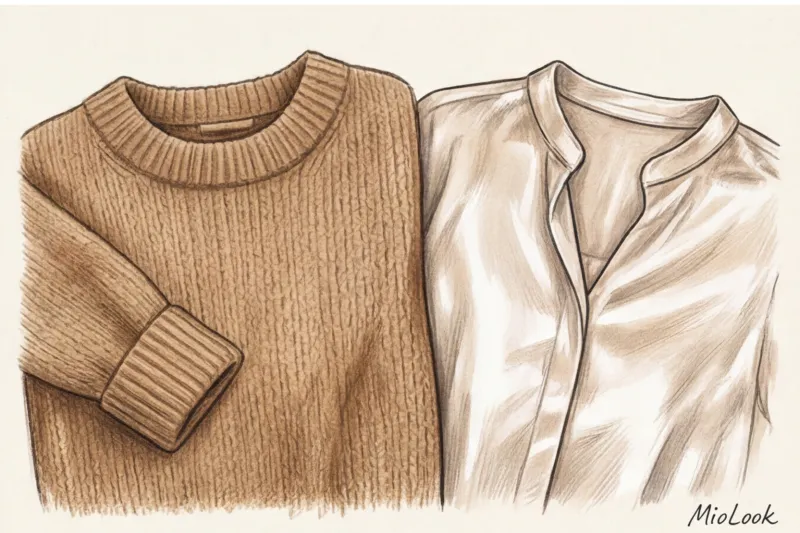
Noble textures are almost always matte or have a delicate satin sheen. Cheap shine is the main enemy of status. Choose fabrics that hold their shape well and have sufficient density.
The Myth of Cheap Cashmere: What to Invest in Instead
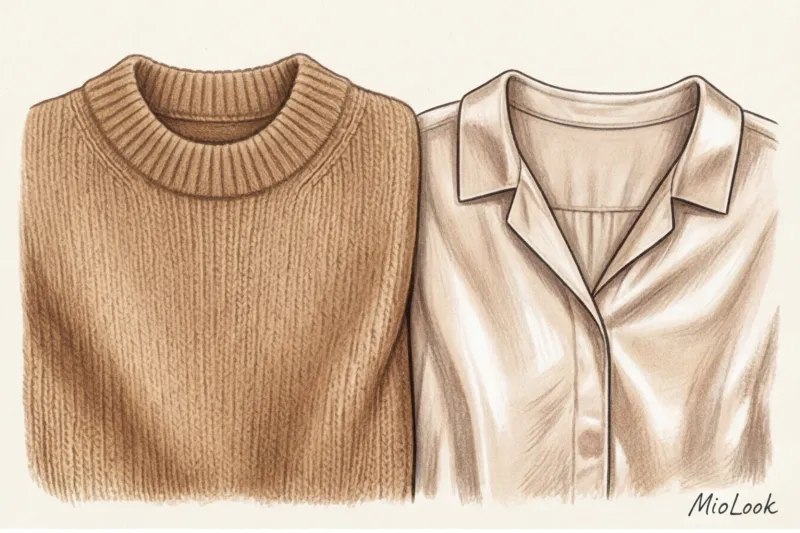
I'm going to say something that many will argue with, but it's a fact: buying a $60 cashmere sweater is a huge mistake. Many people think, "But it's cashmere, it's a status symbol!" No. According to the laws of textile production, mass-market cashmere uses tow—the shortest fibers (less than 30 mm long)—for budget cashmere. The shorter the fiber, the faster it unravels. Your "status" sweater will be covered in horrific pilling after just two wears.
What should you invest in instead? Buy dense merino wool for the same price. It will last for years and retain its appearance. Excellent alternatives for blouses are cotton blends (with 5-10% silk) or dense viscose (from 250 g/m²). They are cheaper than low-quality cashmere or silk, and look much more luxurious.
Accessories: How to Look Expensive Without Fakes
The main rule I never tire of repeating is this: a fake Chanel bag or a belt with a huge Gucci logo buckle is the fastest way to ruin your status. A fake is always obvious to those who wear the originals, but meaningless to those who don't understand the brands.
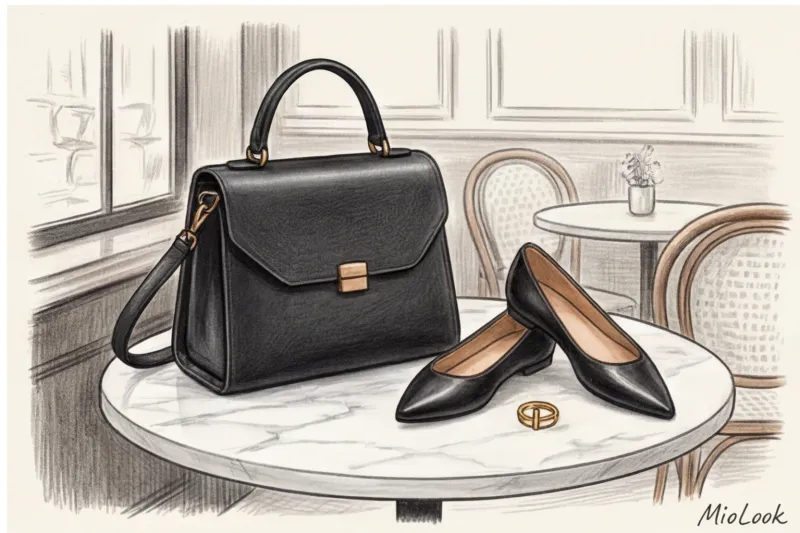
One of my clients, a sales executive, was wearing a beautiful replica of a well-known brand, sincerely believing it gave her more clout in negotiations. We replaced it with a simple, rugged leather tote bag from a local artisan—without a single logo and perfect stitching. Within a week, she started receiving compliments from her senior management colleagues. Invest in no-name Quality: smooth leather, rigid frame, minimal fittings.
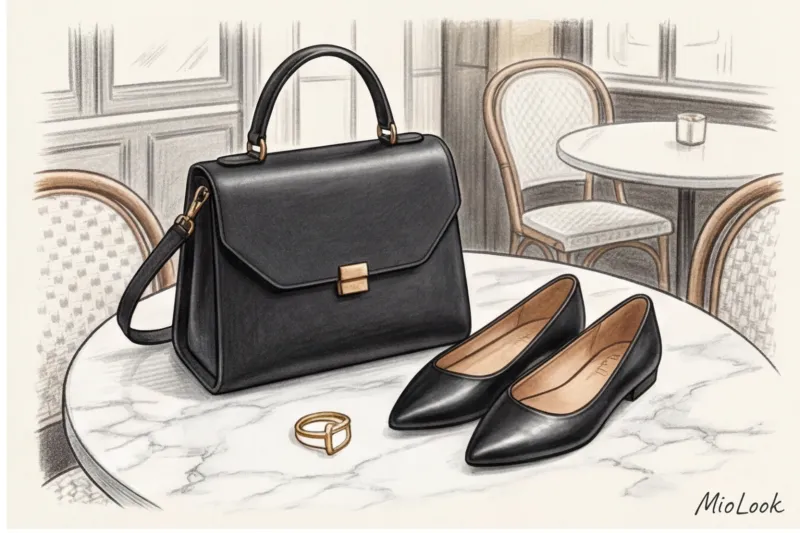
The same goes for shoes. Soft, round ballet flats are forgiving but also look homely. A pointed toe (even a small one) and a structured, rigid heel visually pull the look together, making it more dynamic and luxurious.
Try MioLook
A smart AI stylist will create the perfect look for you using items from your closet.
Get access — €0.99 onceMinimalism in jewelry and accessories
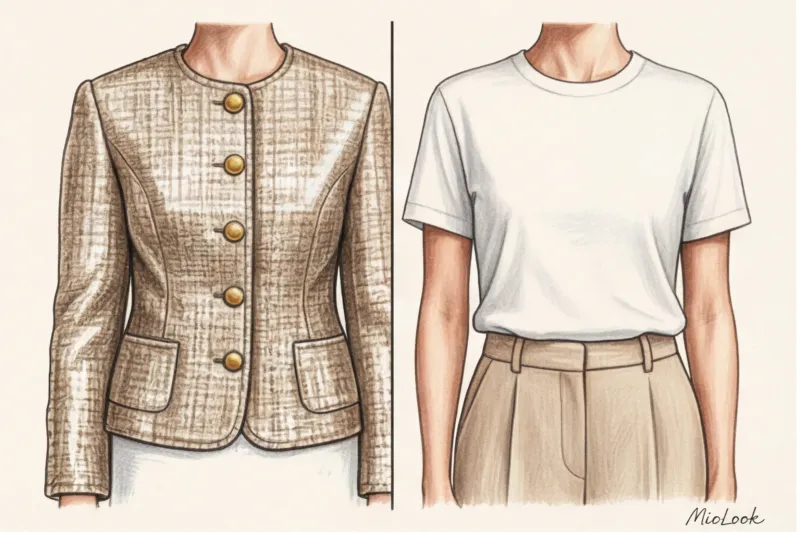
Here's a $5 insider life hack I use all the time: buy a basic double-breasted coat or jacket at a high-street store and immediately cut off the cheap plastic buttons. Replace them at a tailor's with high-quality horn, metal, or covered buttons. The garment will instantly visually rise to a new price point.
When it comes to jewelry, the rule of purity applies: it's better to have one high-quality geometric ring or earrings made of smooth metal than a set of thin chains that will darken after a month of wear.
Insider Secrets: Where to Find "Quiet Luxury" in the Mass Market
Mass market comes in all shapes and sizes. I regularly create high-end capsule collections for my clients, using premium lines from familiar brands. Check out H&M Premium Selection, Zara Origins, Massimo Dutti, COS, and &Other Stories.
But don't buy everything. I always go to COS for architectural, chunky knitwear and perfect white shirts. At Massimo Dutti, look for leather accessories, linen suits for summer, and outerwear. Zara Origins excels at basic T-shirts and minimalist sweatshirts.
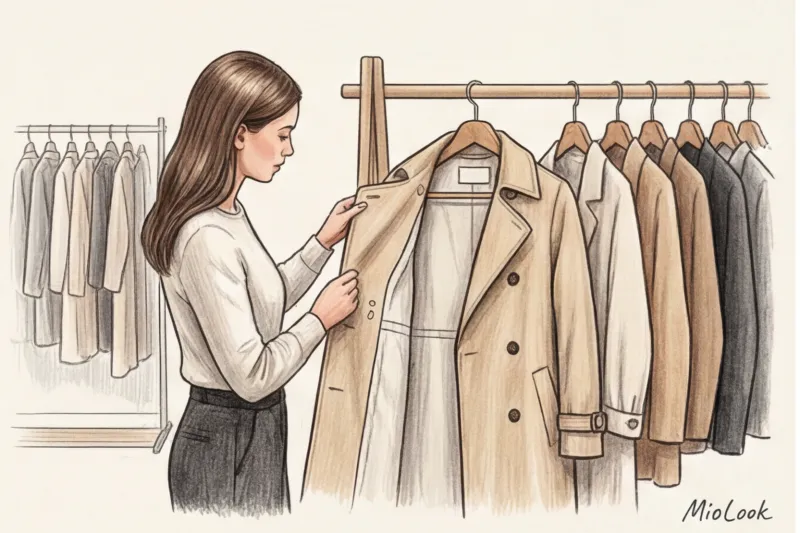
What to look for when choosing in a store?
1. Processing of internal seams. If they are edged with bias binding, the brand did not skimp on production.
2. Lining. It should be made of viscose or cupro. If the outer layer is high-quality wool and the lining is 100% polyester, you'll feel like you're in a greenhouse, and the item will be pointless.
3. Print match. On expensive items, the checkered or striped patterns always match at the side seams and pockets. Cheaper production cuts the fabric without matching the pattern.
To avoid buying another beautiful but unnecessary thing, I recommend using smart wardrobe feature in MioLook Before you take your jacket to the checkout, check the app to see if it pairs perfectly with at least three items you already own.
The Devil in the Details: Free Status Wardrobe Habits
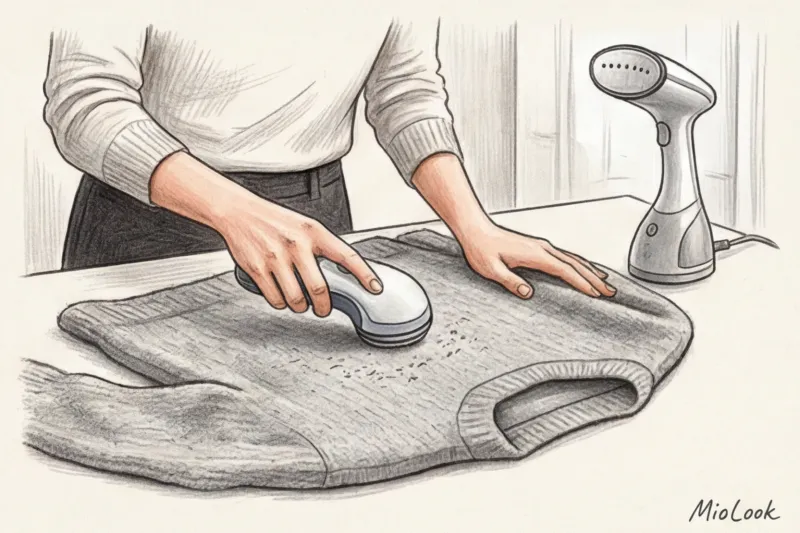
Grooming always beats price. A wrinkled Prada shirt looks worse than a perfectly ironed cotton shirt from Uniqlo. Status is discipline.
A "dear" woman should always have four tools in her arsenal: a good steamer, a lint remover, a lint roller, and shoe trees. Going over a sweater with a lint roller before going out takes exactly two minutes, but it restores the garment to its pristine condition.
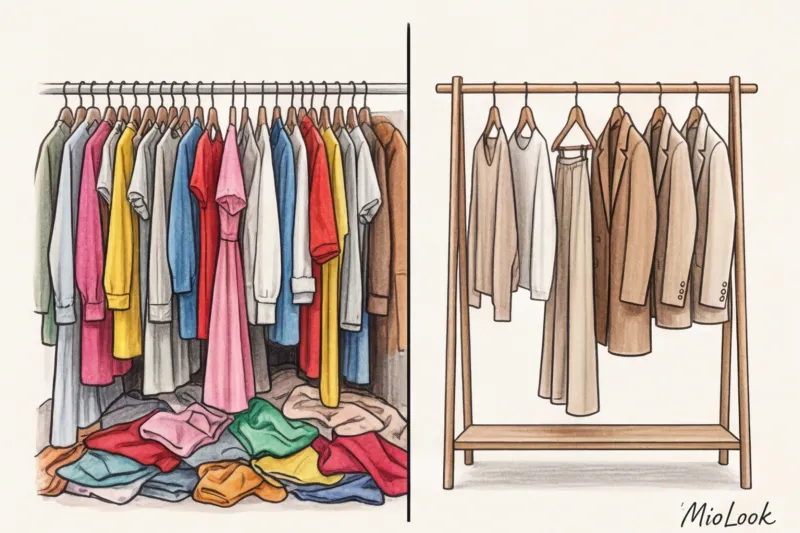
Another powerful tool is a neutral palette. Monochrome looks (total white, deep navy, camel, or graphite) blur the boundaries between individual garments, creating a unified vertical line. Monochrome masterfully conceals the true cost of items, making them appear as a cohesive, well-thought-out ensemble.
Ready to get started?
Try a free plan—no commitment. Digitize your wardrobe today.
Get access — €0.99 onceChecklist: 5 steps to an expensive look tomorrow
You don't have to wait for your next paycheck to start looking classy. Here's a step-by-step plan you can implement tomorrow morning without spending a dime:
- 1. Remove logos. Put away all items with large brand logos. Keep only pure colors and textures.
- 2. Steam everything. Even a basic white T-shirt before layering it under a jacket. Smooth fabric always looks more expensive.
- 3. Collect monochrome. Choose one neutral shade from your closet and create an outfit in a single color scheme, playing only on the difference in textures (for example, wool and silk).
- 4. Add structure. Take the sturdiest bag in your collection and shoes that hold the shape of the toe well.
- 5. Clean out your jewelry closet. Strip away the excess. Stick with minimalist earrings or a watch with a metal bracelet.
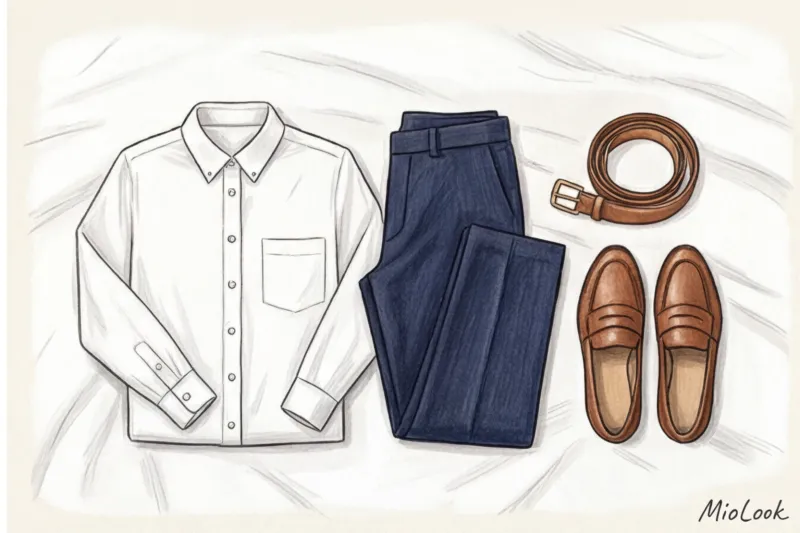
Status isn't a price tag on your collar. It's your attitude, expressed through geometric cuts, clean lines, and attention to detail. Start small: take your favorite but slightly oversized jacket to a tailor or replace the buttons on a basic cardigan. You'll be surprised how not only your reflection in the mirror will change, but also how respectfully the world will react to you.