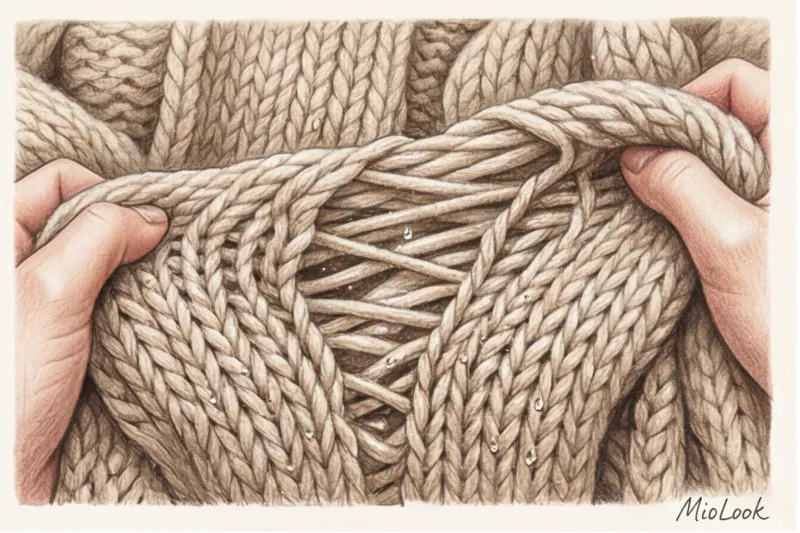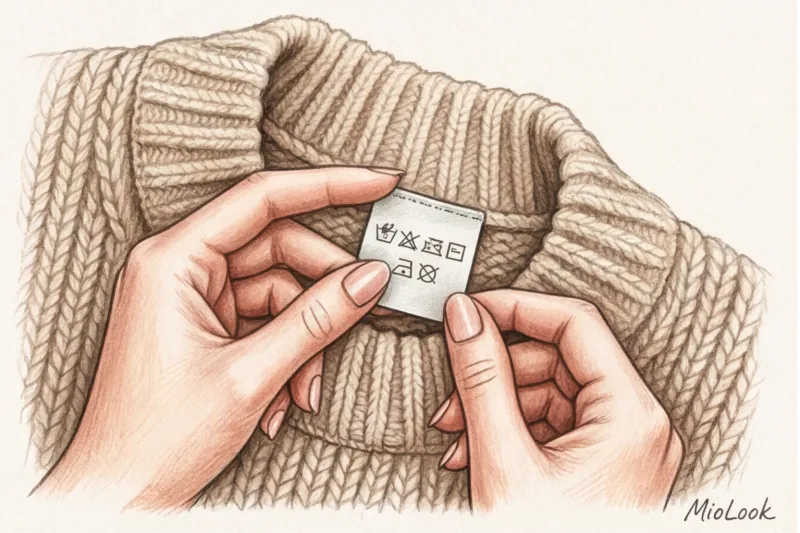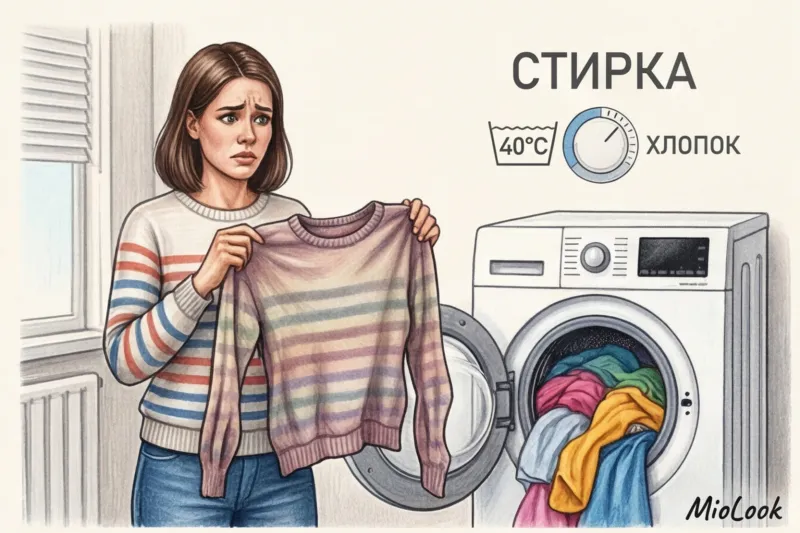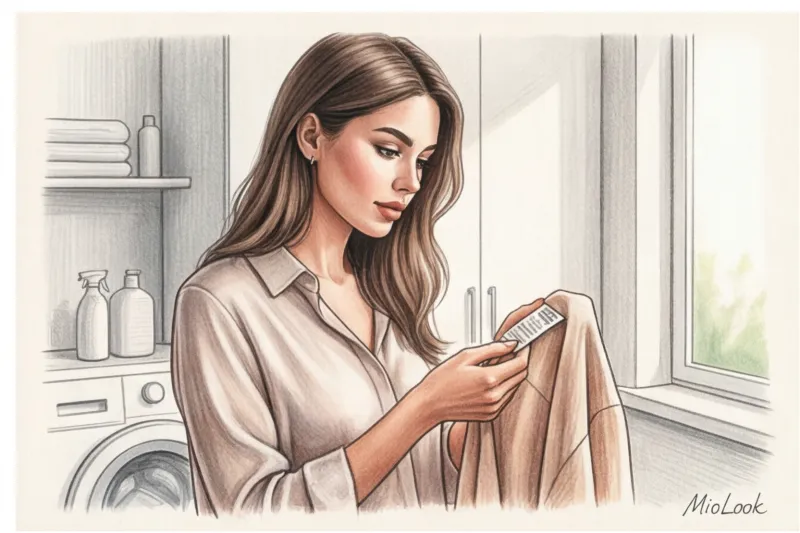
One of my clients brought a luxurious chunky knit sweater from Massimo Dutti for a wardrobe review. It cost around €130, but it looked like it had been worn for decades: the shoulder seams had stretched into pointed ears, and the hem hung sadly in wavy folds. "The brand's quality must have deteriorated," she sighed. But the problem wasn't the brand. The problem was that after hand-washing, the sweater had been hung to dry on a hanger over a hot radiator.
Let's be honest: we spend hours choosing the perfect wardrobe staple, studying the ingredients, investing in the right pieces, and then killing them in a couple of washes. How to dry clothes properly , affects its lifespan three times more than water temperature or detergent choice. We covered this in more detail in our the complete guide to eco-friendly clothing care.
There's a steadfast stereotype: tumble dryers ruin clothes, while a good old folding drying rack in the corner of the room is the epitome of "gentle" care. Today, as a practicing stylist, I'll prove to you that the opposite is often true.
How to Dry Clothes Properly: Why It's More Important Than Washing
Over 12 years of working with women's wardrobes, I've come to the conclusion that you can't change the quality of the original fabric, but you can dramatically change how it ages. This is especially true for the European mid-market—brands like COS, & Other Stories, Arket, and Zara.
Modern brands often use blended fabrics or shortened cotton and wool fibers to reduce costs. When dry, such fabrics maintain their shape thanks to the factory treatment. However, once wet, the fibers become vulnerable. For example, viscose loses up to 50% of its strength when wet, and elastane begins to melt at temperatures as low as 60 degrees Celsius.
"A quality wardrobe isn't just about what you buy, but also how you maintain it. The stretched knees on expensive trousers are often the result of improper drying, not poor fabric."
It's during the drying process that the real magic (or disaster) happens. The wrong temperature sets creases, gravity stretches out loops, and UV light destroys pigment. So before you send your garment out to dry, ask yourself: what kind of physical stress will this fabric experience?
Your perfect look starts here
Join thousands of users who look flawless every day with MioLook. A smart AI stylist will select a capsule wardrobe to suit your lifestyle.
Get access — €0.99 onceDrying machine: killer of a basic wardrobe or salvation?
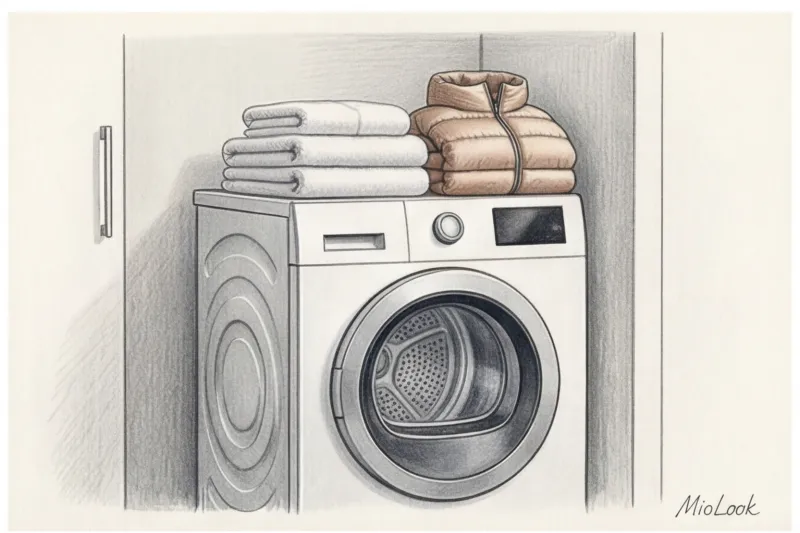
The fear of tumble dryers dates back to the 2000s, when fan-assisted dryers dominated the market. They literally "fried" clothes at temperatures of 70–80°C, shrinking them by two sizes and turning favorite T-shirts into children's tank tops. According to research by the International Textile Care Institute (2023), with such regular, aggressive drying, cotton fabric loses up to 25% of its tensile strength after just 20 cycles.
But technology has changed. Modern heat pump machines work like air conditioners: they dry the air inside the drum and evaporate moisture from clothes at temperatures of just 40–50°C. When I first bought one, I tested it on basic Uniqlo T-shirts—they didn't shrink a millimeter.
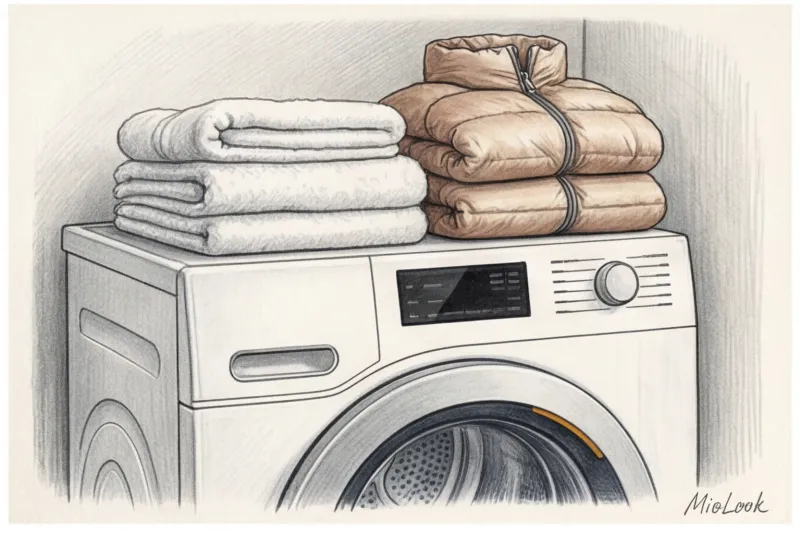
The only real threat to a modern machine is mechanical friction. Constant rolling in the drum creates micro-damage to the surface of the thread, leading to pilling on blended fabrics (such as acrylic and wool). A dryer isn't a panacea; it won't save cheap, squeaky polyester, but for the right fabrics, it's safer than a radiator.
What fabrics should never be tumble dried?
- Items with elastane (spandex) Skinny jeans, underwear, swimwear. If the fabric contains more than 3% elastane, forget about tumble drying. Polyurethane threads dry out from heat, lose elasticity, and the garment will develop unsightly "ripples" at the seams.
- Fine viscose and modal Summer dresses from Zara or flowy blouses from &OtherStories are guaranteed to shrink 1-2 sizes. This is a property of wood pulp.
- Wool and cashmere: If your machine does not have a special stationary drying basket for wool (one that does not rotate), the knitwear will turn into felt due to the friction of wet fibers against each other.
What can and should be sent to the drum
- Towels and bed linen: The dryer knocks out fabric dust and makes terry cloth incredibly soft without a drop of chemical fabric softener.
- Down jackets and quilted jackets Drying with three tennis balls (or special wool balls) is the only way to perfectly break up the fluff that has settled after washing.
- Thick 100% cotton Basic hoodies, joggers, and white T-shirts in a tight knit (180 g/m² and above). The tumble dryer restores their volume and eliminates the need for ironing.
Natural drying: why folding dryers also ruin clothes
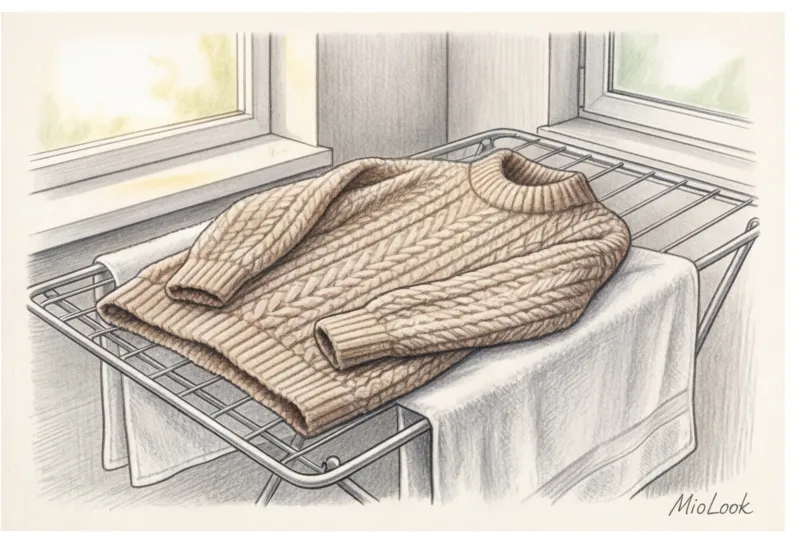
Many people think, "I'll just hang everything on a metal drying rack in the bedroom; it's safe." This is a dangerous misconception. Air drying has its own strict rules.
The first problem is gravity. Water is heavy. When you hang a wet garment, the water runs down, pulling on the fibers. This is how shoulder seams become misshapen and hems stretch. The second problem is the musty smell. If you dry your garments in an unventilated room with high humidity, the process takes more than 12 hours. During this time, bacteria begins to multiply in the wet fibers (especially on the thick seams of jeans), creating that "musty smell" that no perfume can mask.
Fatal mistakes: vertical drying of knitwear and radiators
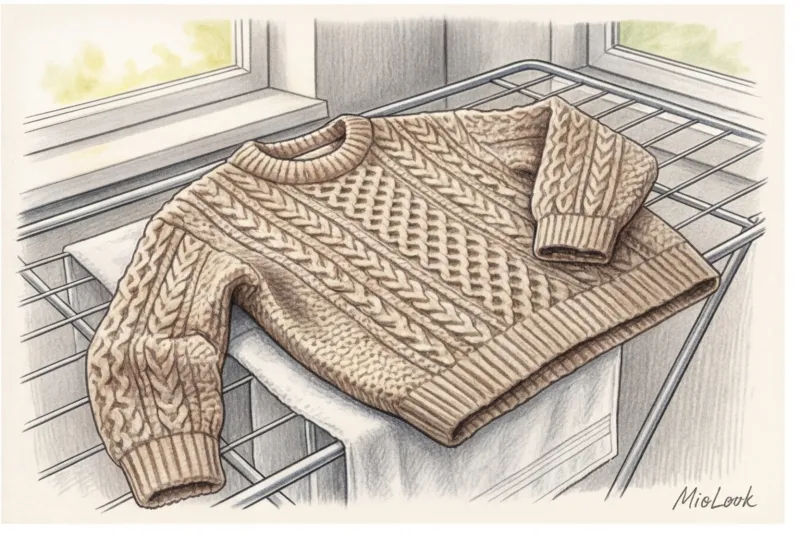
Never, under any circumstances, dry knitted items vertically. Sweaters, cardigans, and knit dresses require the "flat dry" method. Spread a dry terry towel on a horizontal surface (a table or a special drying rack), lay the sweater out, carefully shape it (sleeves, neckline), and leave to dry.
The second evil is radiators and heated towel rails. They cause thermal shock to fabric. The fibers dry out, become brittle, and the dye disintegrates in spots. Have you ever noticed how black pants take on a reddish tint after spending summer on the balcony? That's the work of ultraviolet radiation. Sunlight literally burns out dark pigments, so dark and brightly colored items should be dried only in the shade, inside out.
Organize your wardrobe wisely
Forget about closet chaos. Digitize your items, create capsule wardrobes, and track your cost-per-wear in the MioLook app.
Try MioLookA stylist's guide to drying different types of clothing.
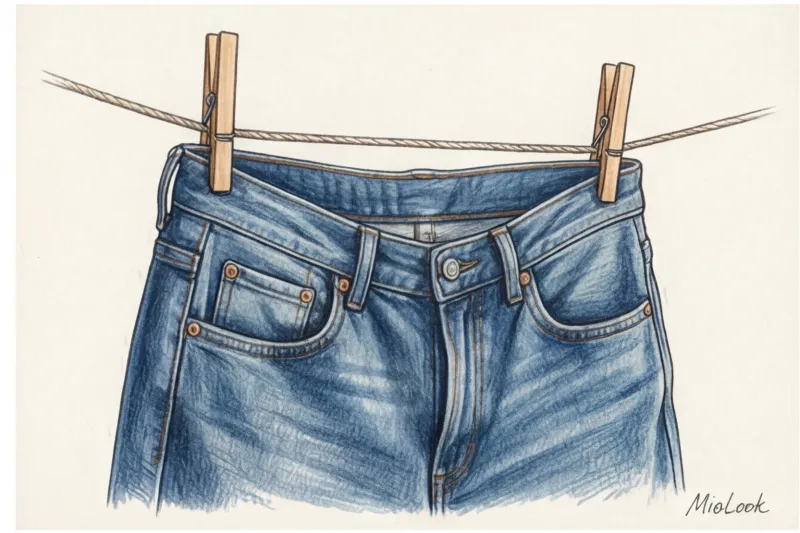
If you want your mass-market items to look premium, use these pro tricks:
- Classic shirts and blouses: Remove from the machine, shake vigorously and hang immediately wide Place the shirt on a wooden or plastic hanger, fastening the top button. No thin metal hangers from the dry cleaner—they'll leave unsightly bubbles on the shoulders! The shirt will flatten under its own weight, cutting down on the amount of ironing required.
- Heavyweight jeans (100% cotton): Dry them by the hem, with the legs facing up. Secure the bottom of the legs to a clothesline with wooden clothespins. The heavy, damp waistband will pull the jeans down, stretching the fabric along the grain and preventing shrinkage.
- Silk and viscose bias-cut dresses (slip dresses): Bias-cut fabric is very tricky. If you hang such a dress over a drying line, the hem will become permanently crooked. Dry it either on soft foam hangers or flat, carefully straightening the hem.
If you find it difficult to remember the care instructions for dozens of items, I recommend using the "smart wardrobe" feature in MioLook By digitizing your items, you'll always have information about their composition at hand and won't accidentally throw a cashmere jumper in the towel dispenser.
Drying and Cost-per-wear: How Care Affects Your Wallet
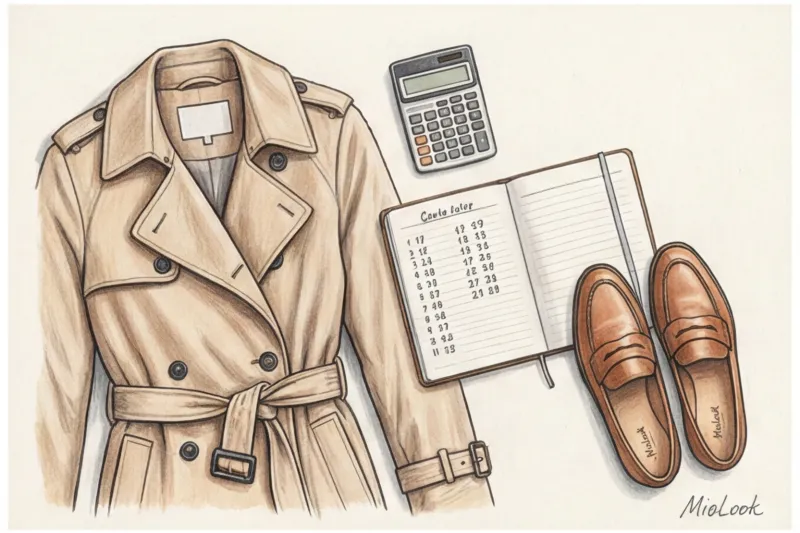
In my consultations, I constantly use the Cost-per-Wear (CPW) formula—the cost of wearing an item once. Let's do the math. You bought a great pantsuit for €150. If you wear it 50 times, the cost per wear will be only €3.
But imagine that after the third wash, you tossed your wet, creased trousers through the thin metal wire of a dryer, and (even worse) tried to dry your jacket on a hot radiator. The trousers developed a permanent, horizontal crease at the knees, and the jacket "blistered" due to the interlining coming loose inside the lapel. You've worn the suit three times. Your CPW has skyrocketed to €50 per outing. This isn't just frustrating; it's a financial disaster.
Investing in expensive basic clothing is pointless if you don't have a proper care routine. A mindful approach to drying not only saves money but is also environmentally friendly. Clothes last longer, we buy them less often, and factories produce less waste. It's a classic win-win for you and the planet.
Checklist: The Perfect Drying Routine for a Smart Wardrobe
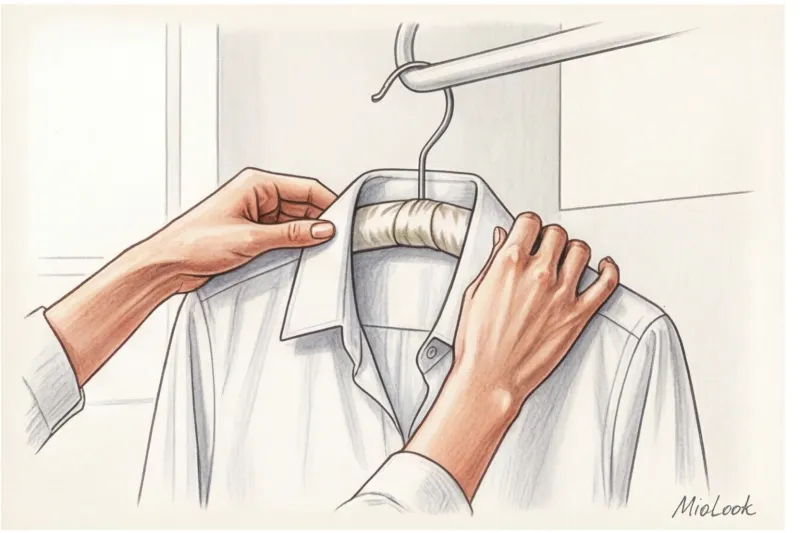
To finally settle the matter, I've put together a step-by-step guide for you to follow immediately after your washing machine signals the end of a wash cycle. Implement it, and within a month, you'll notice how much your clothes look better.
- Immediate sorting. Never leave wet laundry in the drum for more than 30 minutes, as this can cause creasing. Remove everything and separate it into three piles: "in the machine," "on hangers," and "flat."
- The rule of strong shaking. Every item you're air-drying (except knitwear!) should be shaken vigorously 1-2 times. This loosens the twisted fibers in cotton and viscose, saving you hours of ironing time.
- Investment in inventory. Throw away those thin wire hangers. Buy 5-10 high-quality hangers with extended edges (like those for outerwear) specifically for drying shirts and t-shirts.
- Climate control. If you're drying clothes indoors, open a window to allow air circulation. In winter, the air is already dry from the heating, so wet clothes are actually beneficial (they act as a humidifier), but in summer, if it's raining, clothes will simply go stale without proper ventilation.
Style isn't just about well-chosen shades or brands. Style is about neatness. A perfectly fitting €15 H&M T-shirt, dried correctly and retaining its shape, will always look more expensive than a lopsided designer top that was left to dry on a radiator.