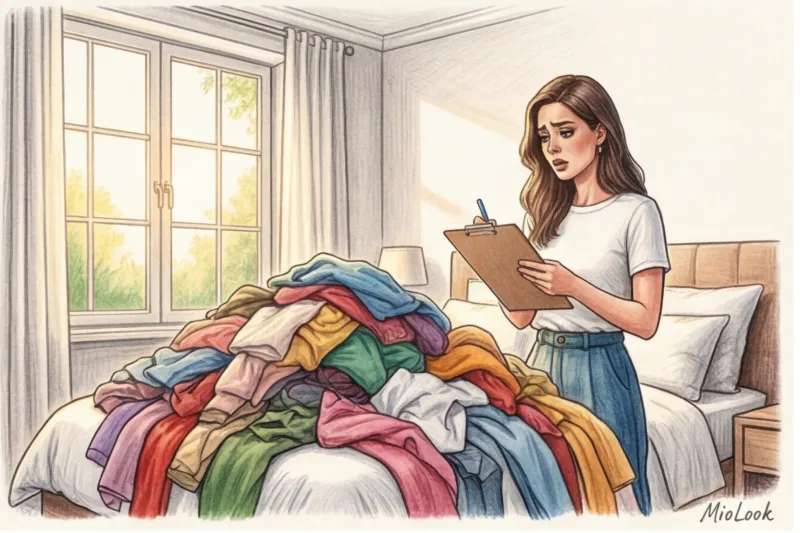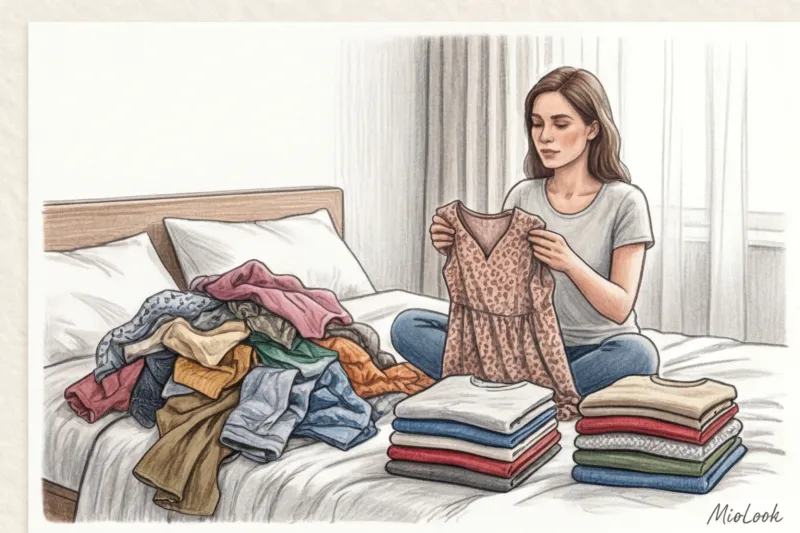
You open your closet, it's packed tight, but the first thought in your head is always the same: "I have nothing to wear." Sound familiar? Statistically, we wear only 20% of our clothes 80% of the time. The rest is dead weight, draining our energy for decision-making every day. As a practicing digital stylist, I've long since stopped treating decluttering as a simple cleaning. I call it "offboarding"—the systematic process of putting things out of use.
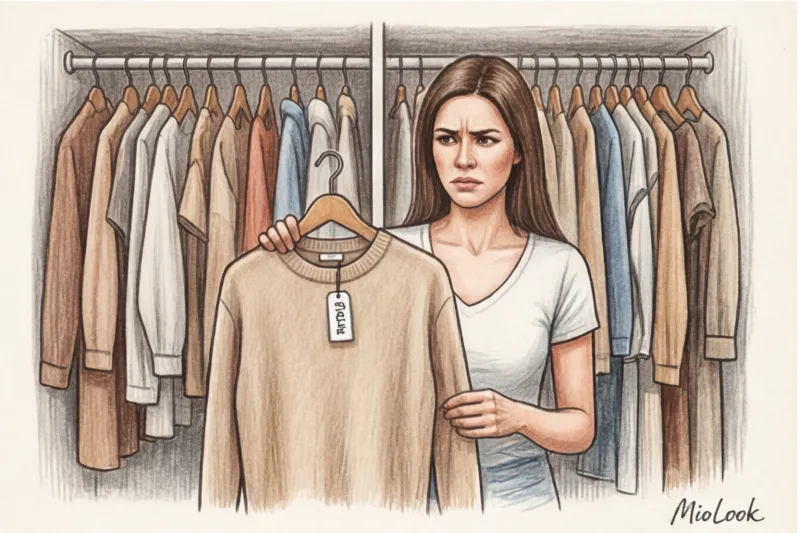
Decide, How to get rid of unnecessary things , it can be difficult precisely because of emotional attachment. We remember how much a dress cost, or we hope to one day fit into those same jeans again. But an eco-friendly and conscious wardrobe begins with honest math and an understanding of the life cycle of textiles. If you're interested in the technical nuances of recycling, we've covered that in more detail in our a complete guide to clothing recycling rules And here we'll figure out how to stop regretting and start taking action.
The Psychology of Clutter: Why It's So Hard to Know How to Get Rid of Unneeded Things
In my experience, visual noise is always the number one style blocker. When you're looking for a basic white t-shirt and three sequin dresses you bought for New Year's Eve parties five years ago fall out onto your face, your brain is tired before the workday even starts. This morning decision paralysis is directly related to the fact that we keep our past mistakes and unfulfilled ambitions in our closets.
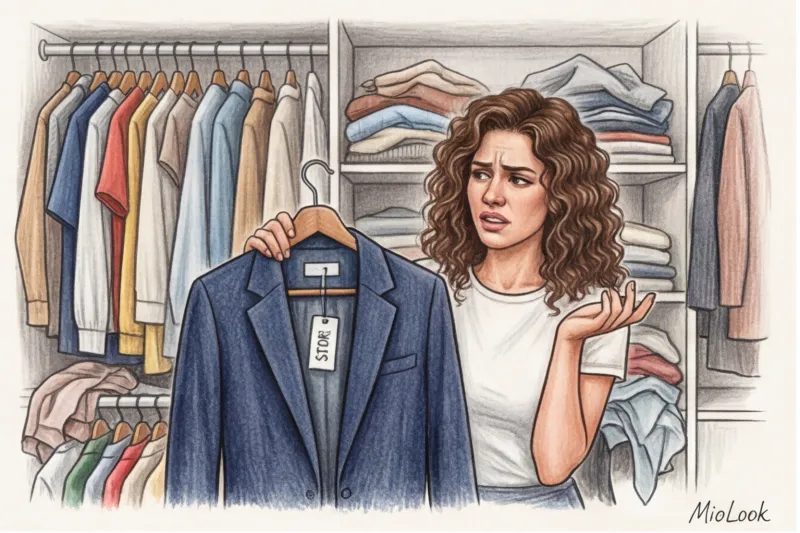
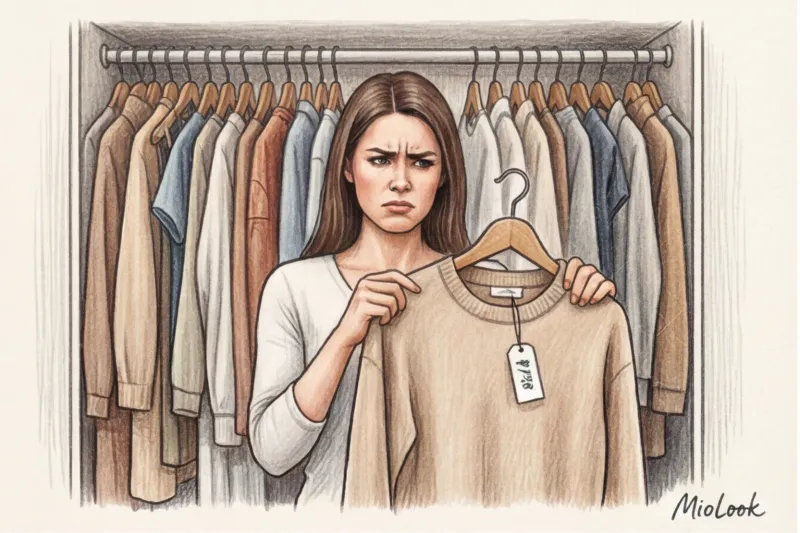
One of my clients, let's call her Anna, had a stunning dusty pink cashmere sweater. She bought it on sale for €150, even though she usually wears tailored jackets. The sweater needed dry cleaning, didn't match her skin tone, and was pilling under her bag strap. Every time she opened her closet, Anna saw those €150 and felt guilty. It's a classic. sunk cost trap We think that if something is expensive, we're obligated to keep it to "justify" the purchase. But the truth is, the money has already been spent. By keeping an inconvenient item, you're paying for it with your space and mood.
"Dressing for your 'future self'—dresses two sizes too small or tailored suits for a hypothetical corporate job—isn't motivation. It's a source of chronic frustration that whispers to you every day, 'You're not good enough right now.'"
Data-Driven Wardrobe Audit: The Smart Stylist's Method
To turn off emotions, we need data. I encourage my clients to evaluate things through metrics. Cost Per Wear (CPW) — the cost per wear. The formula is simple: divide the price of an item by the number of times you wear it.
A pair of basic Zara jeans for €40 that you wear 100 times a year costs you €0.40 per occasion. That's a great investment. Meanwhile, a €150 silk COS dress worn once to a friend's wedding costs €150 per occasion. When you digitize this data, parting with "expensive" but unusable clothes becomes much easier.
Access to MioLook for €0.99 — one-time payment
A smart AI stylist will help you digitize your wardrobe and clearly show you which items you actually wear and which ones are just taking up space.
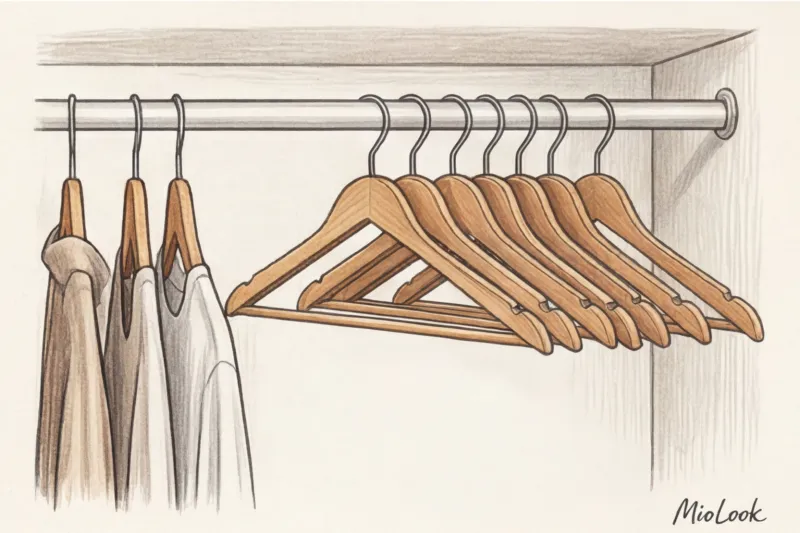
Get access — €0.99 onceHow do you identify that 20% of your active wardrobe? Over 12 years of work, I've learned that the simplest offline trick is the inverted hanger method. Turn all the hangers in your closet so that the hooks face you. When you put something on and return it to the closet, hang it normally, away from you. In six months, you'll have a ruthlessly accurate infographic of your real style.
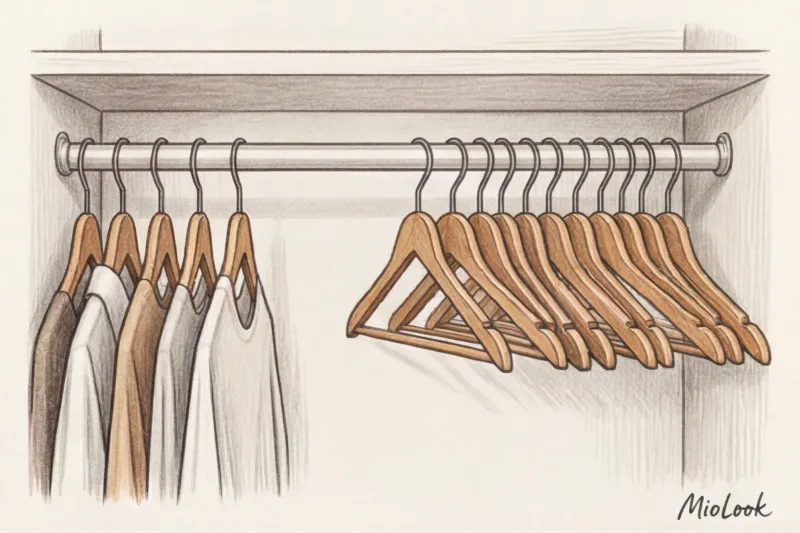
To be fair, this method does NOT work for seasonal outerwear or evening wear, as their wear cycles are specific. For these, it's better to use apps. Quick wardrobe digitization allows an application like MioLook automatically collect images for you from what you really love, leaving behind irrelevant items.
Where to put what no longer brings joy: 4 eco-friendly recycling routes
Once the decision is made, it's important to recycle items sustainably. We don't just throw clothes in the trash—we redirect resources.
- Route 1: Resale. According to the ThredUp Resale Report (2024), the secondary clothing market is growing 15 times faster than traditional retail. Mid-market items (Massimo Dutti, 12 STOREEZ) and premium brands in excellent condition are worth selling. This will help you recoup some of your investment.
- Route 2: Swaps and free markets. Ideal for trendy mass-market items that you've worn a couple of times for photos and are now bored of.
- Route 3: Proper charity. We're sending you the essentials here: clean, unprinted T-shirts, unblemished jeans, warm sweaters, and jackets. Anything that'll really help someone stay warm in a tough situation or get through an interview.
- Route 4: Textile recycling. Anything with stains, holes, pilling, or stretched knees is sent to specialized bins for recycling into regenerated fiber or technical rags.
Why "Just Giving to Those in Need" Doesn't Always Work
Many people think that charities will gladly accept any clothing. This isn't true. Items with complex cuts (such as backless tops or ultra-short shorts) rarely find new homes through charities. Furthermore, sorting donated clothing requires a huge amount of human and financial resources from volunteers. If an item requires repair, it's cheaper for the charities to throw it away.
The Biggest Myth: Why Donating Worn-Out Mass-Market Clothing to Charity Is a Bad Idea
Here we come to the most counterintuitive, yet important, rule of stylists. Donating cheap, worn, mass-market polyester to charity is not a virtue. It's shifting the cost of disposing of your waste onto non-profit organizations.
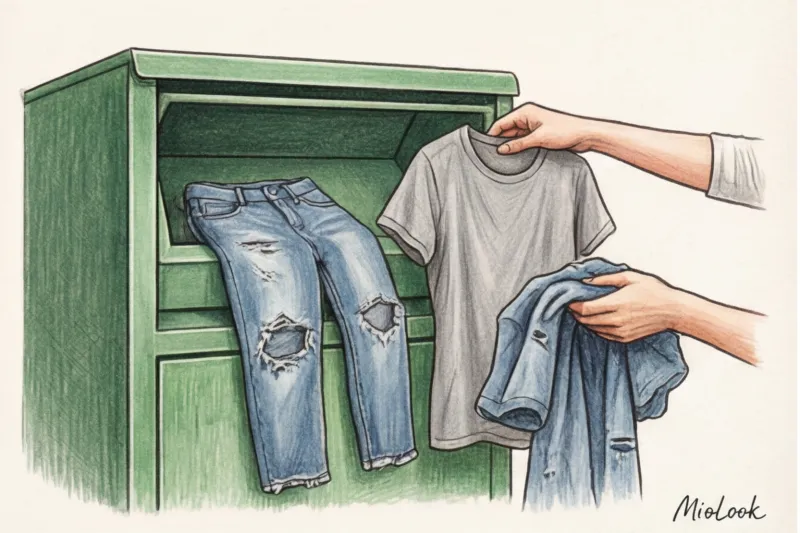
A 2023 study by the Ellen MacArthur Foundation reveals a frightening statistic: 85% of clothing produced ends up in landfills or incinerated. When you give the foundation a stretched-out, thin viscose T-shirt with a coffee stain, the foundation can't distribute it to the poor. Volunteers spend time sorting it, and then the foundation pays commercial companies to haul this textile to a landfill.
Your pseudo-eco-friendliness is literally taking money from charities. The alternative is simple: torn, dirty, and worn-out items should be donated. only into direct recycling containers (for example, into the boxes of the Second Wind Foundation or similar ones in your region), clearly marking the bag as “rags”.
Your perfect look starts here
Join thousands of users who look flawless every day and buy only what really suits them with MioLook.
Get access — €0.99 onceChecklist: Incorporating an eco-friendly "offboarding" system into your daily life
To keep your closet from getting cluttered again, turn getting rid of things from a one-time action into a regular background habit.
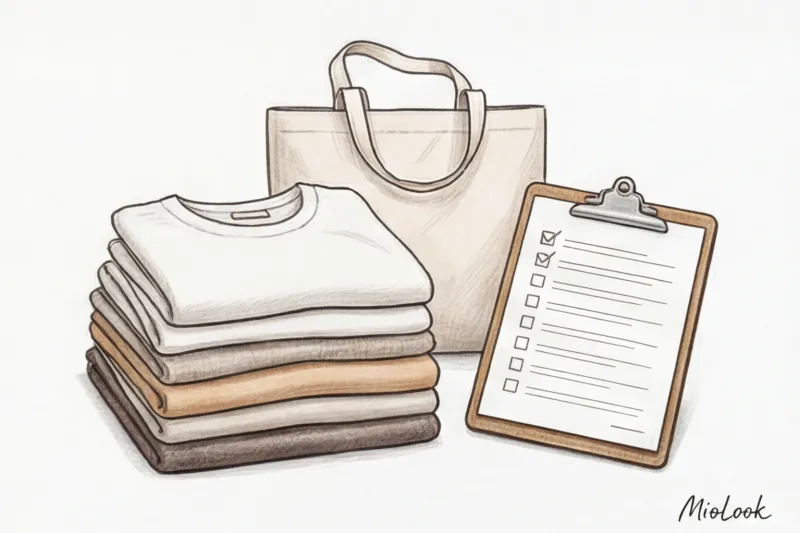
- The “One in, One out” rule. Bought a new wool sweater? One old sweater (or another item in the same category) must go. This strictly limits the size of your wardrobe.
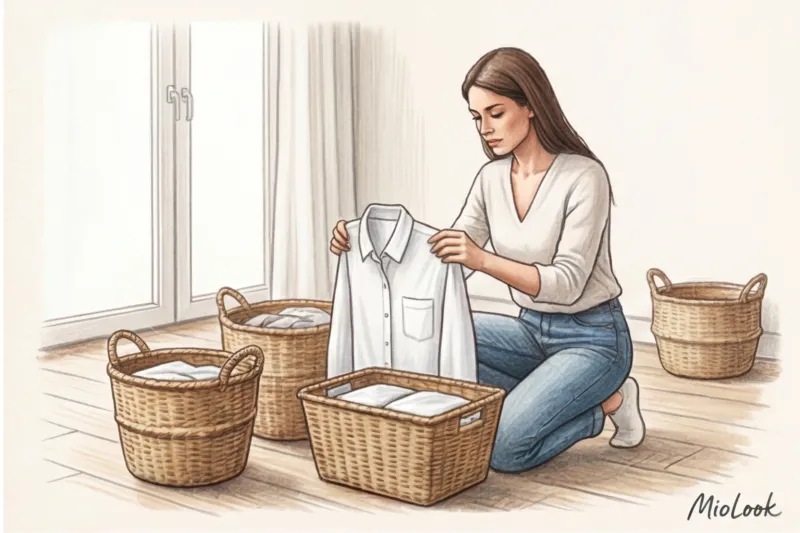
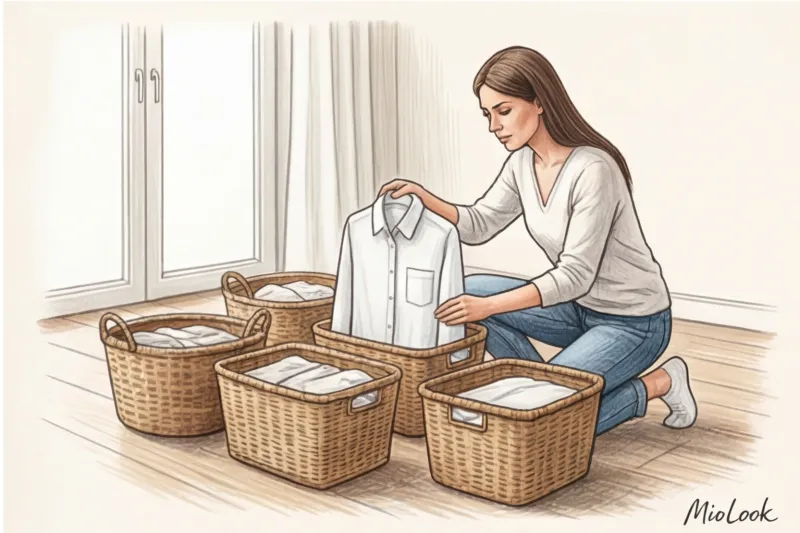
- Transit zone (Outbox). I always have a beautiful wicker basket on the bottom shelf of my closet. If I put something on in the morning and realize it's itchy, pinching, or ill-fitting, and take it off, it goes into this basket instead of back on the hanger. Once a month, I sort through the basket into four recycling routes.
- Seasonal check-up. When putting away winter clothes in the spring, ask yourself this question: "If winter started tomorrow, would I wear this?" If the answer is "no," don't waste storage space.
Conclusions: Empty closet space as a resource for a new style
Mindfully parting with things automatically changes your approach to future purchases. Once you've personally hand-delivered three bags of polyester blouses to the recycling bin, you'll physically lose the desire to buy another cheap item on sale.
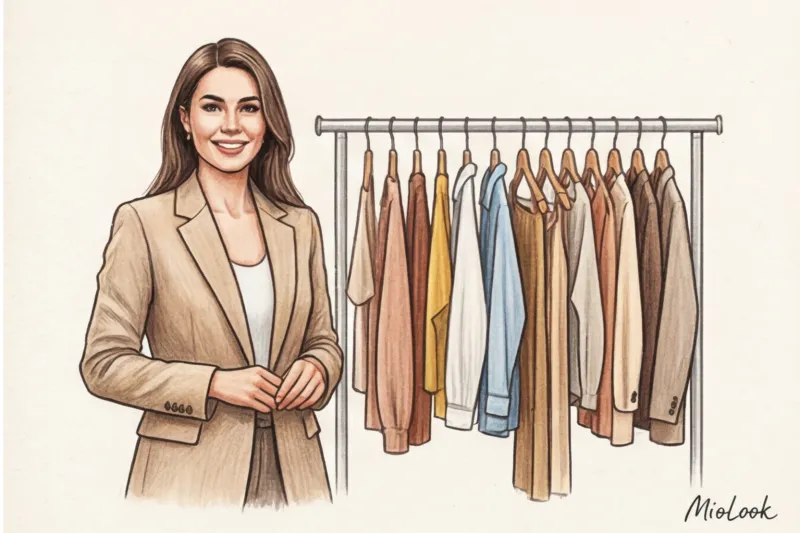
An open closet reduces cognitive load. You begin to see your real style. It's the perfect starting point for putting together basic wardrobe , which will work for you. The main insight I want to impart to you: the empty space between hangers isn't a void that needs to be urgently filled. It's the air your style needs to breathe.