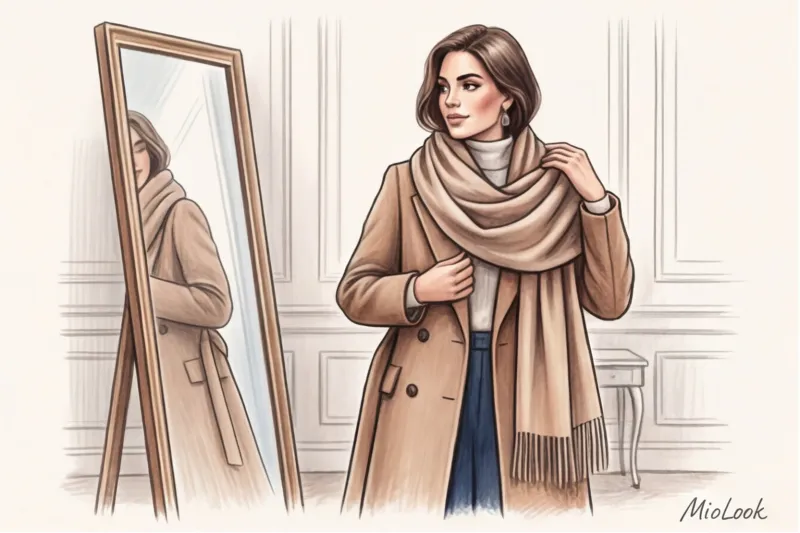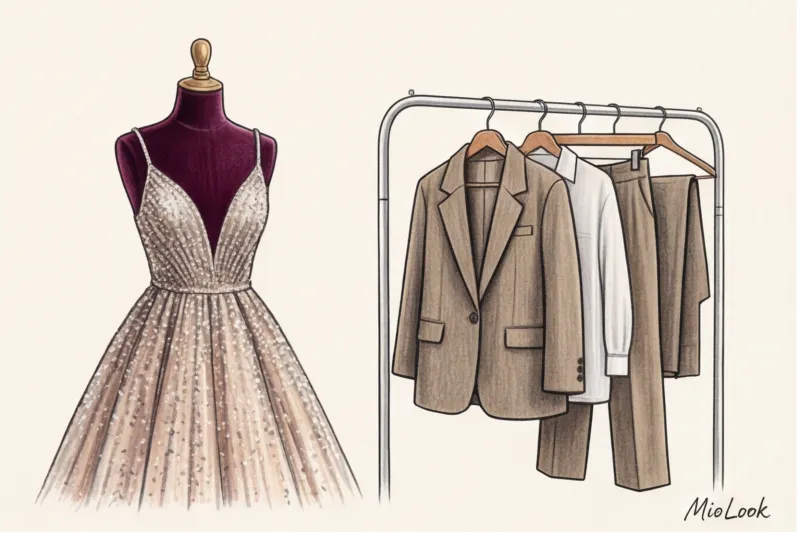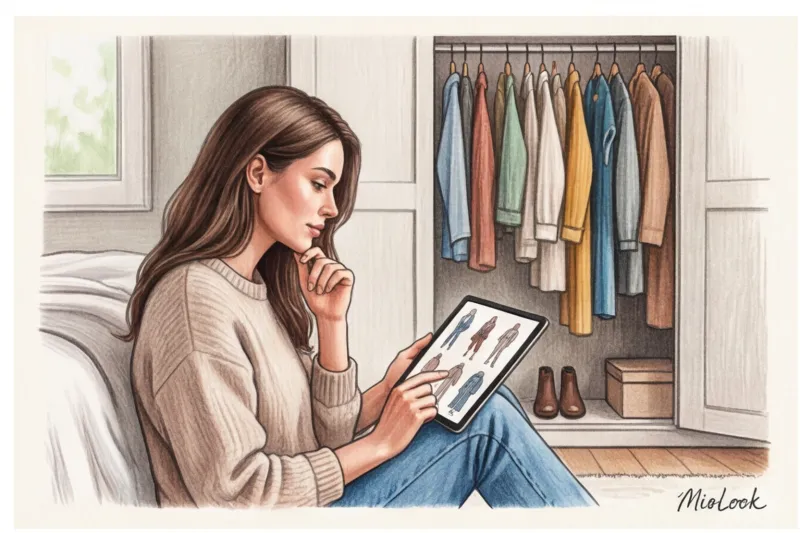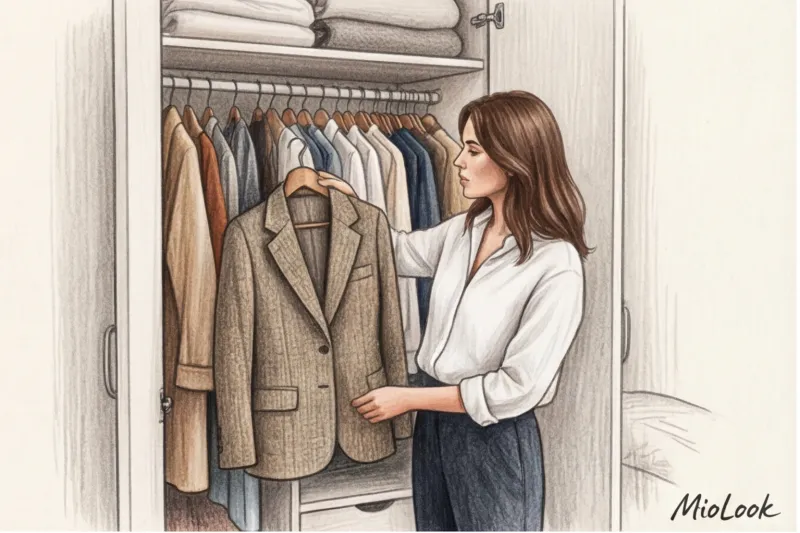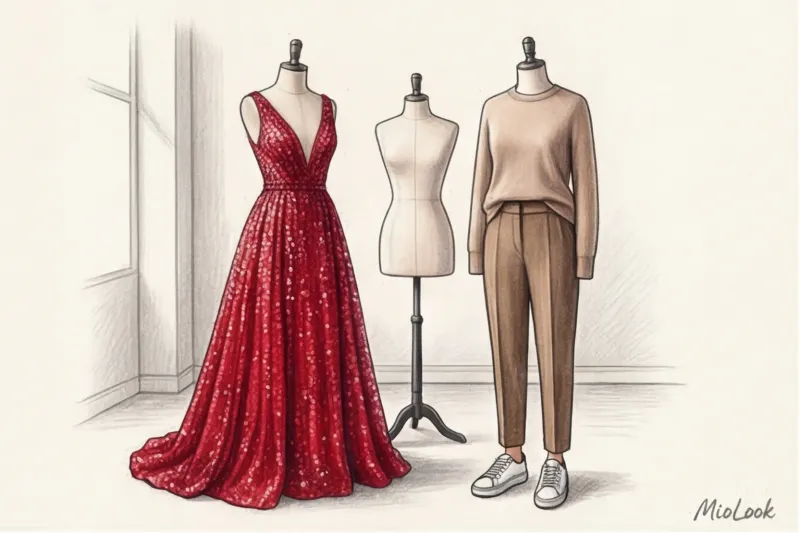
It's a familiar scene: you open Pinterest, search for "fall looks," and an hour later discover you've saved fifty photos of Hailey Bieber in oversized leather trench coats and Bella Hadid in vintage corsets. And the next morning, you close your closet, thinking, "I have nothing to wear," and pull on your usual jeans and gray hoodie. In 12 years as a stylist and fashion journalist, I've seen this scenario hundreds of times. The problem isn't your wardrobe. The problem is how you find inspiration.
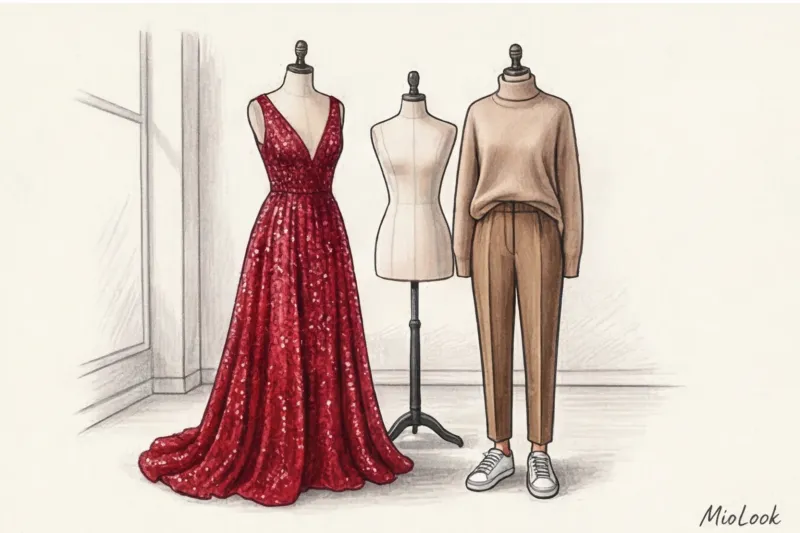
If you've ever wondered, How to make a clothing style mood board That's right, forget the glossy advice from the 2000s about "cutting out pretty pictures." According to the McKinsey State of Fashion (2024) report, the gap between our visual consumption on social media and our actual purchases has reached an all-time high. More than 30% of clothes purchased online are returned precisely because of the painful discrepancy between the "fantasy self" and reality. We've covered more about how to build a database in our the complete guide to finding your style , and today we will deal with the architecture of inspiration.
The Anatomy of Inspiration: Why the Typical Pinterest Approach Isn't Working
The popular advice to "save influencers' complete looks" is downright harmful. It leads to mindless copying. When you pin a photo of a girl in a perfect beige all-over look against the backdrop of a Parisian café, your brain is playing tricks on you. You're confusing "I like this aesthetic" with "I want and can wear this in my life."
A mood board for aesthetic pleasure and a stylist's working tool are two different universes. The former resembles a poster of a favorite movie on the wall. The latter is like an architectural drawing from which to build a house. At the Marangoni Fashion Institute, students are taught from their first year: a working board consists not of ready-made looks, but of micro-details, fabric textures, color spots, and geometric proportions.
Your ideal image
Join thousands of users who look flawless every day with MioLook.
Get access — €0.99 onceClothing Moodboard: How to Take the First Step and a Reality Audit
The first rule of professional styling: style doesn't start with pictures, but with a brutally honest analysis of your Google calendar. Open it right now. Where do you spend most of your time?
One day, a client named Anna, a top manager at an IT company, came to me. Her Pinterest board was overflowing with the French-chic aesthetic of the brand Rouje: flowing floral dresses, straw baskets, and wedge espadrilles. She methodically bought these items. The problem was that Anna worked remotely, rode a scooter to her rare meetings, and walked her active Labrador twice a day. Squeezing this life into a wrap tea dress was impossible. She wasn't looking for Parisian chic, but for premium athleisure.
The 80/20 Rule in Your Schedule
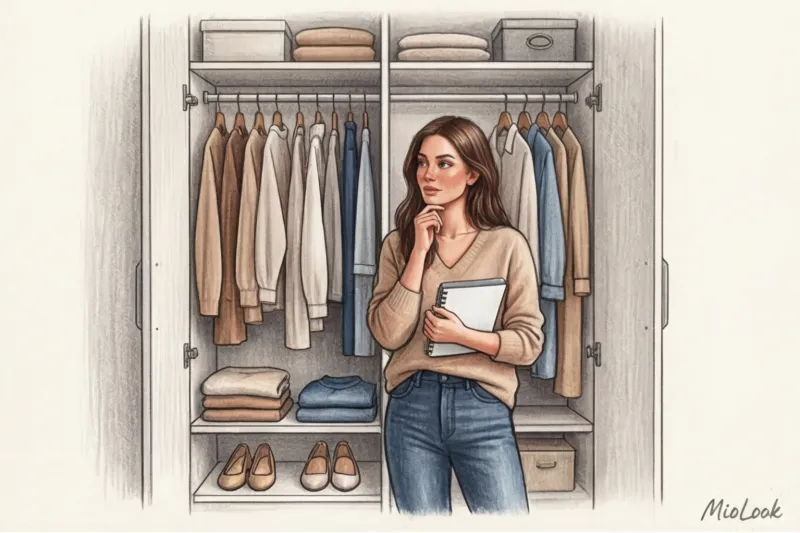
The hard statistics say that 80% of women wear only 20% of their wardrobe. Why? Because we buy things for the 20% of the time when we want to look "special," ignoring our routine. Create a chart of your busy schedule: what percentage of your time is spent in the office (what's the dress code there?), how much is spent working from home, exercising, walking the kids or the dog, or going out in the evenings.
Your visual mood board should be 80% solutions for your everyday life. If you're a young mother, there's no need to assemble a board of three-piece pantsuits, even if you're visually thrilled with power dressing. Instead, research how to style smart casual looks on a flat run.
Saying goodbye to the "fantasy wardrobe"
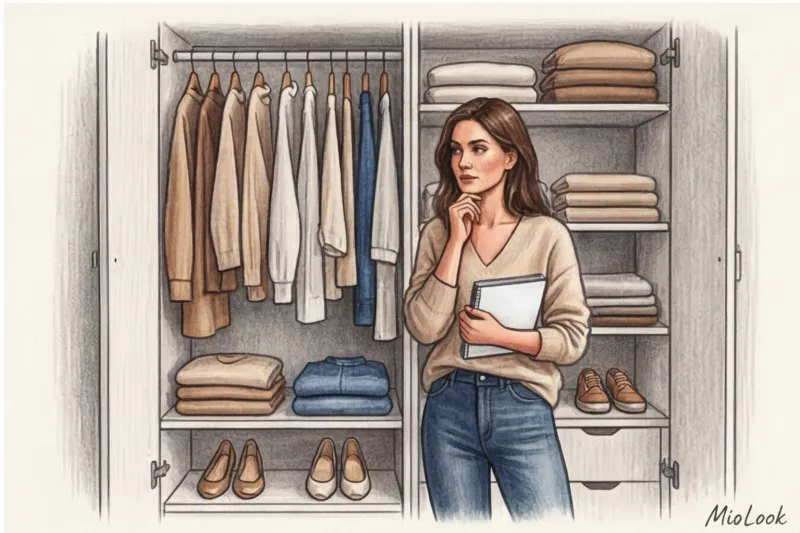
Giving up a beautiful fantasy can be painful. But it's essential for sustainable shopping. How do you do it? Transform impractical trends into wearable micro-details. Love the Victorian Gothic aesthetic, but you're a lawyer? Instead of lace corsets, save blouses with delicate stand-up collars made of thick silk for your mood board. Adaptation is the secret to good taste.
Access to MioLook for €0.99 — one-time payment
A smart AI stylist will select the perfect look based on your actual schedule.
Get access — €0.99 onceStyle Architecture: 4 Essential Sections of a Professional Mood Board
Backstage at Paris Fashion Week shows, I often observed the creative directors of major houses at work. If you visit the Dior atelier before a collection is created, you won't see a mood board consisting of 500 random photos of clothes. You'll see a strict classification. Your personal mood board shouldn't be a digital dumping ground either.
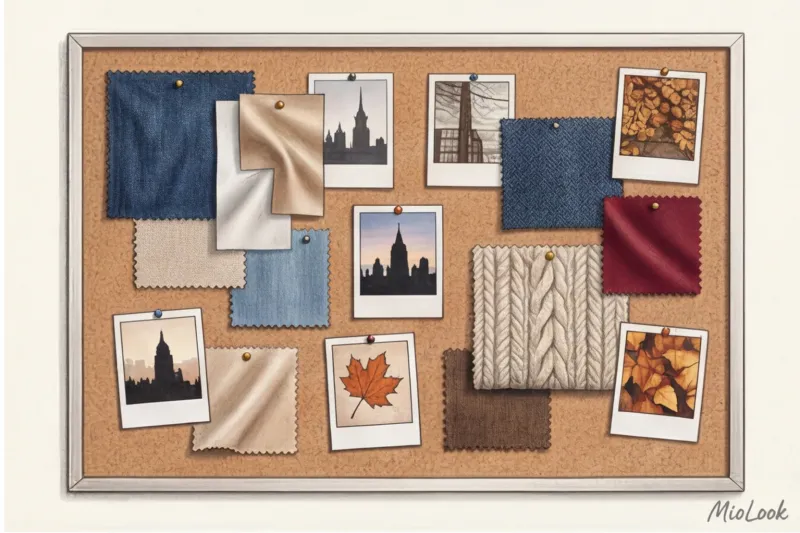
Textures, fabrics and palette
Look for photos of macro textures. Rough Japanese selvedge denim, flowing satin, chunky merino knit, matte leather. Texture sets the mood of a look. As for color, true pros look for color palettes not in clothing, but in architecture, nature, and interiors. The combination of terracotta roof tiles and sun-bleached gray stone works as seamlessly in a wardrobe as it does in a Tuscan landscape.
Silhouettes, lengths and proportions
Clothes are the geometry of the body. Divide this section into categories: what silhouettes are you looking for? Structured shoulders (like Saint Laurent) or sloping, relaxed lines (like The Row)? What trouser length appeals to you—floor-length, covering your shoes, or cropped, revealing the ankle? Geometry directly influences how your status is perceived and how comfortable you will be throughout the day.
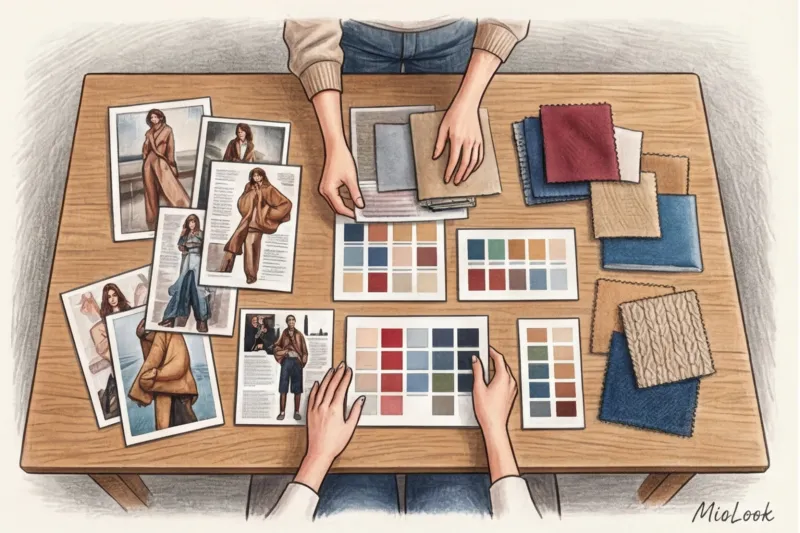
Styling techniques (Micro-styling)
The most important secret I've learned over the years of styling: the devil isn't in the garment itself, but in how it's worn. Create a separate board just for styling touches. How casually are the sleeves of a jacket rolled up? How is a sweater draped over a trench coat? How do thin cashmere socks pair with chunky loafers? You can completely transform the look of a basic white shirt from the mass market by tucking it in asymmetrically, a trick learned from the stylists at Celine.
Ready to get started?
Try the MioLook plan for free—no commitments, save your best styling ideas with one click.
Get access — €0.99 oncePractical Guide: Pinterest Search Algorithm for Pros
Pinterest's algorithms are lazy. If you search for "fashionable women's clothing 2024," you'll get a cocktail of outdated catalog shoots and unsustainable glamour. To make the neural network work for you, you need to search in English and use professional stylist jargon.
- Instead of "loose sweater" look for "slouchy knitwear aesthetic".
- Instead of “basic wardrobe” write "elevated basics minimal".
- Looking for expensive color combinations? Your request is “tonal dressing neutral outfit”.
- Looking for a tailored fit? Use "structured tailoring womenswear".
Another insider trick: use the minus sign (-) to exclude junk results. Query “smart casual winter -heels -jeans” will give you fresh ideas winter office style Without those boring stilettos and jeans. Train the algorithm ruthlessly: click "hide pin" if you see a studio shot with unnatural poses, and save street style shots where the clothes are shown in motion.
From Pictures to Clothes: A Stylist's Mood Board Checklist
Let's say you've assembled the perfect board of 50-70 images. What next? Leave it to gather dust? No, it's time to translate those pixels into real fabrics. Start by analyzing repeating patterns. If 15 out of 50 photos feature a straight-cut gray coat or square-toe shoes, that's a signal. Your brain has already made a choice.
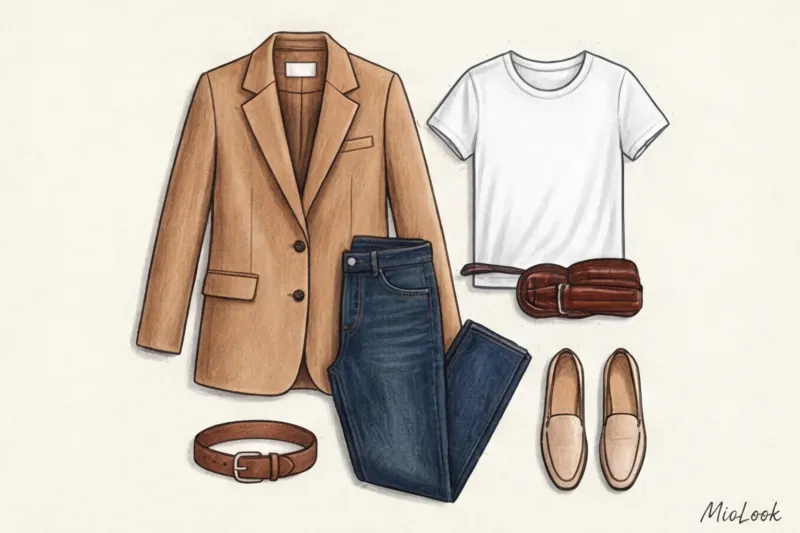
Create a strict shopping list based on your most popular silhouettes. But before you head to the store, take them for a test drive. Choose 1-2 styling techniques from your mood board and try them with the items you're currently shopping for. already exists in your closet. Want to wear dresses over trousers? Try pairing your summer shirtdress with your usual straight jeans. In the app MioLook The "smart wardrobe" feature is great for helping you visualize these less obvious combinations from your real items before you decide to buy.
Common mistakes beginners make that ruin their visual compass
Even the most perfect search algorithm won't save you if you're making basic planning mistakes. It's my responsibility as an expert to warn you about the pitfalls. The most critical one is copying images without taking physiology into account. This method doesn't work when you're trying to transfer the proportions of a 180 cm model to a 160 cm height model without adjusting the lengths.
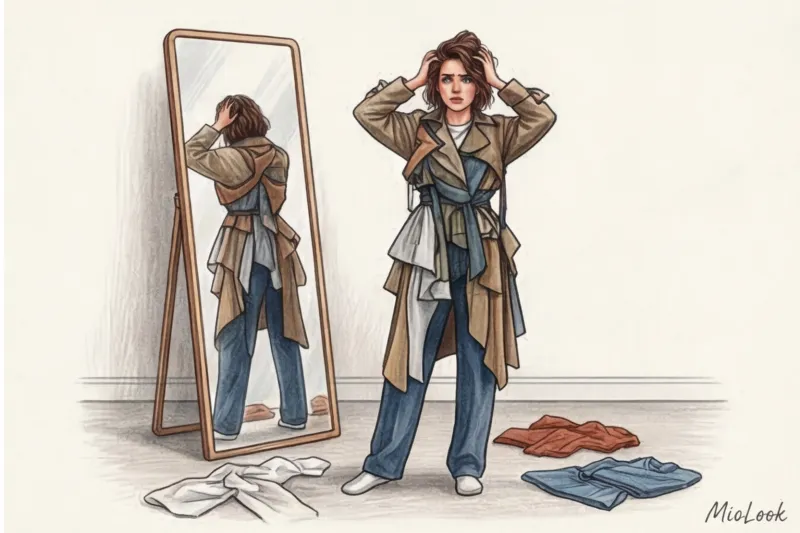
- Ignoring the climate. Maintaining hundreds of images of open coats and bare ankles while living in a region where snow lies for half the year is a recipe for frustration. Search for tags layering (multi-layered) and cold weather chic.
- Trust in studio filming. Do you know how the perfect fit is achieved in mass-market catalogs? The model's back is pinned with dozens of metal clothespins. Mass-market clothes don't fit like that in reality. Use real street style photos as a guide.
- Buying "copies". Trying to put together a The Row look from polyester from AliExpress always looks cheap. Don't look for a copycat design, but rather for a similar silhouette made from the right fabrics: for example, cotton with a weight of at least 180 g/m² or viscose that drapes beautifully.
Summary: Your Mood Board as a Living Tool for Style Evolution
Your visual compass isn't a document set in stone. It's a living, breathing draft that should evolve with you. I recommend reviewing your Pinterest boards every 3-6 months. Remove what no longer resonates and add new textures.
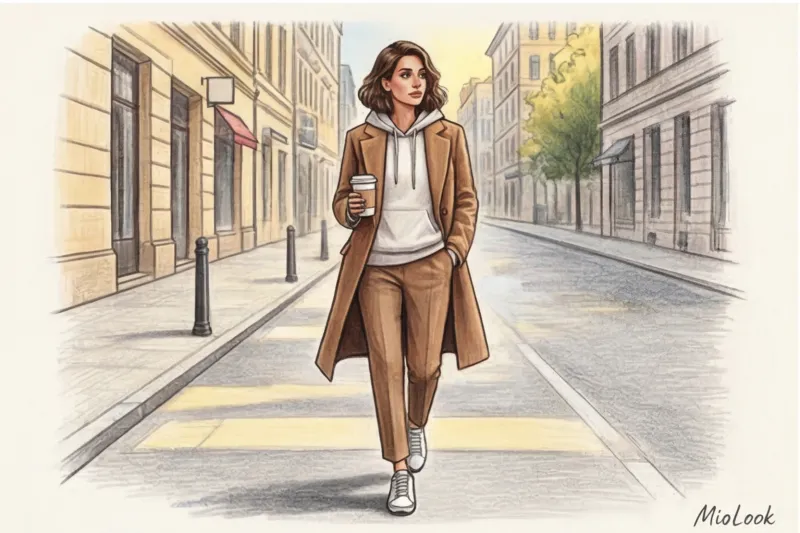
Remember this: impeccable personal style is always born only at the intersection of your wildest aesthetic ambitions and ruthless, ultimate comfort. Your moodboard should serve your real life, not the other way around. Start small today: delete from your saved list those looks you wouldn't be comfortable wearing this coming Tuesday. You'll be surprised how much freer your inner stylist will be.