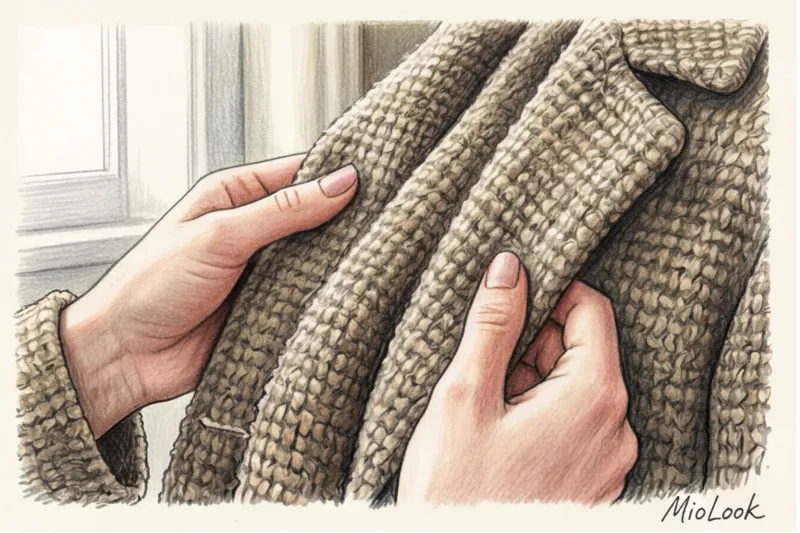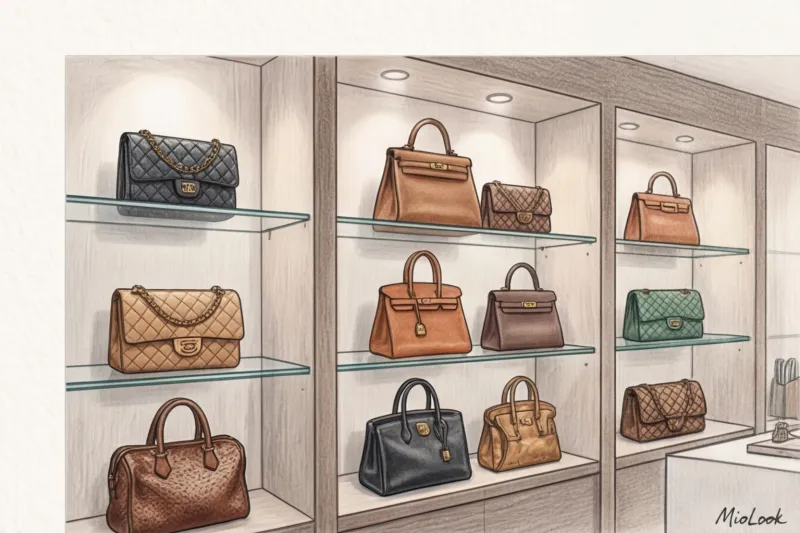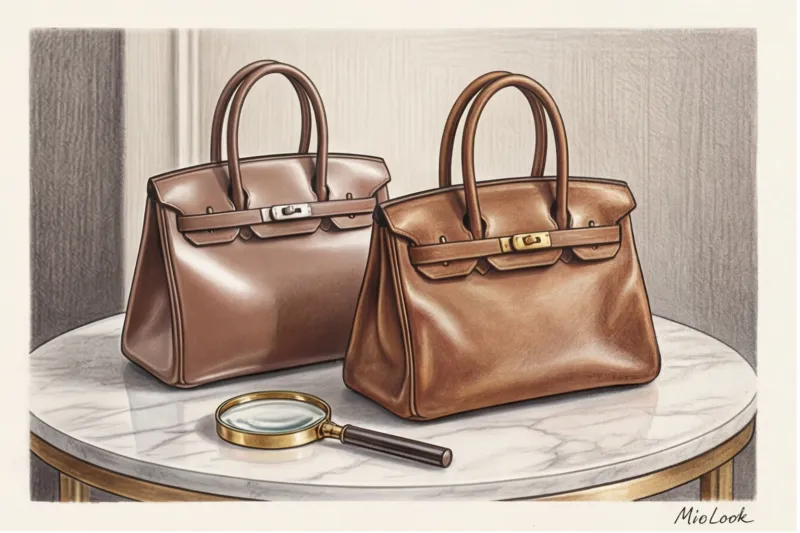
At the last Paris Fashion Week, I observed a curious scene: street style photographers ignored guests with brand-new bags straight off the runway, and literally hunted for women with worn-out Hermès Kellys from the '80s and classic Chanel bags with the glimmer of time on the hardware. The industry has undergone a tectonic shift. A new bag from a boutique now only says you have money. A vintage bag says you have taste, a good eye, and connections.
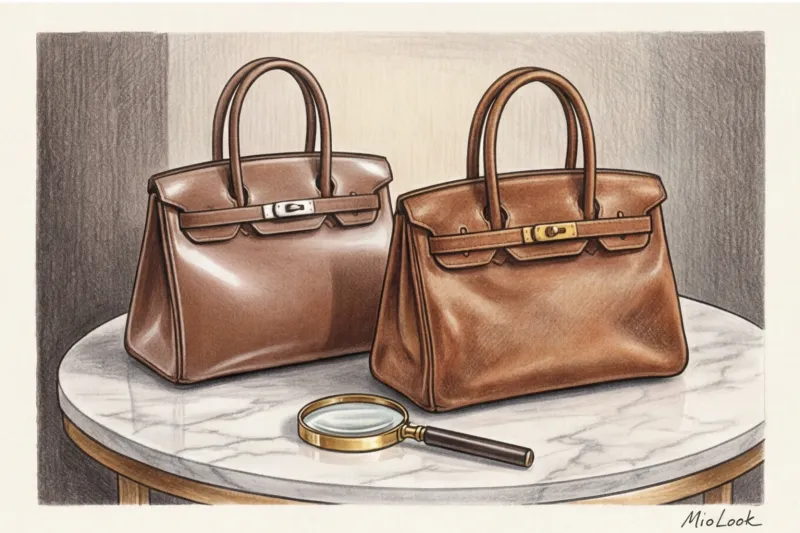
But if you're thinking about it, How to buy a vintage designer bag And if you don't want to blow your budget on a clever fake, forget everything the glossy magazines told you five years ago. The "super-fakes" industry has reached such a level that a simple stitch count is no longer enough. We discussed the philosophy of integrating such things in more detail in our The complete guide to vintage clothing in your wardrobe Today, I'd like to offer a look at the purchasing process through the eyes of a professional authenticator and investor.
Investment or lottery: why vintage bags are outperforming new collections
To understand the vintage phenomenon, just step into a modern luxury boutique. Over the past five years, prices for entry-level models have doubled, and unfortunately, quality is often questionable among loyal customers. A new entry-level model will cost you an average of €5,000, while a vintage model from the '90s in excellent condition can be found for between €1,500 and €3,000.
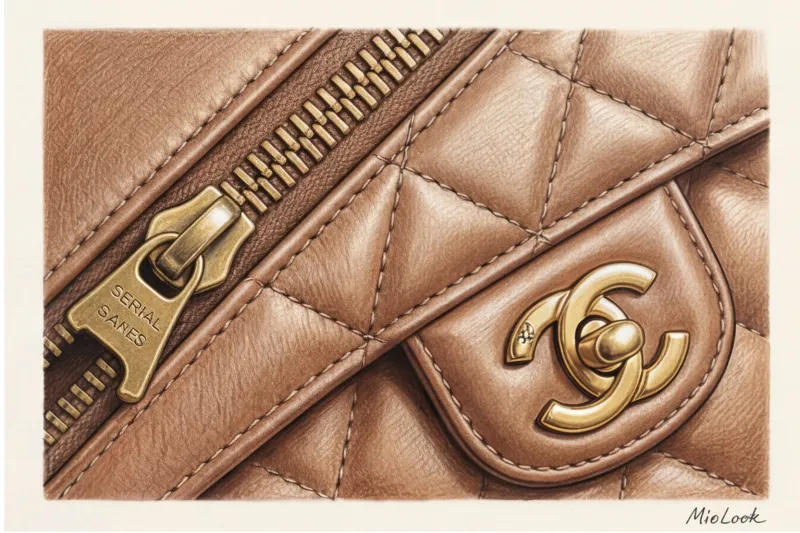
It's not just about cost savings. Vintage bags from the 80s and 90s have clearly outlasted their predecessors. The most striking example is the hardware. Did you know that Chanel stopped using real 24-karat gold plating on their bag hardware in late 2008? Modern locks are simply painted to look like gold and eventually fade to a silvery finish. Pre-2008 models retain a deep, warm golden sheen even after thirty years.
According to the annual report Rebag's Clair Report (2024) Bags from a certain pool of brands not only retain their value but also outperform traditional investment vehicles. They're no longer just accessories—they're a full-fledged asset class in your portfolio.
The Investor's Key Rule: How to Buy a Vintage Brand Bag Without Risk
Let me be clear: buying vintage isn't always a good investment. If your goal is to preserve and grow your wealth, you'll have to play by the market's strict rules.
- The Holy Trinity of Resale: Hermès, Chanel, and Louis Vuitton reign supreme in the secondary market, consistently holding between 85% and 115% of their original value.
- Classics beat trends: Seasonal hits lose their value after six months. A classic black shoulder bag or a caramel tote are liquid assets you can sell at any time.
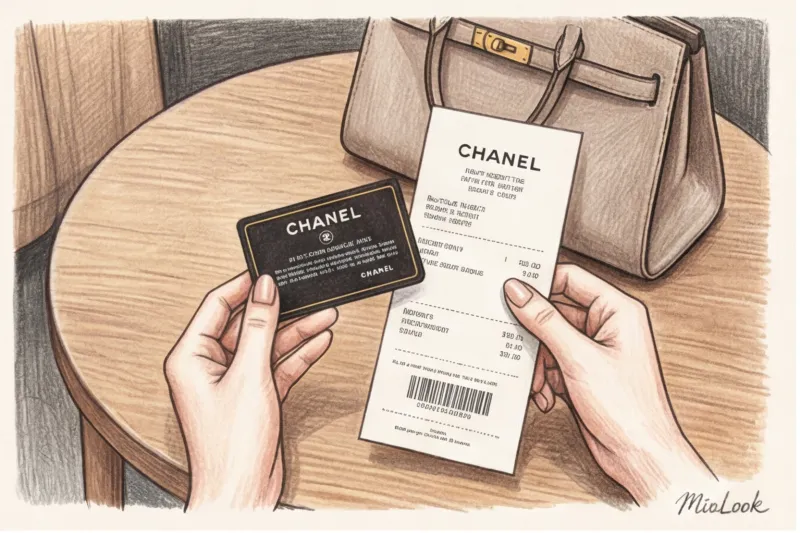
- Documents have weight: In my experience, having a complete original set (dust cover, box and, most importantly, an authenticity card with the matching serial number) adds 15% to 30% to the cost of the bag.
"My main advice to clients buying vintage for the first time: choose black, burgundy, or caramel leather (gold/camel). They have a refined patina, and minor scratches are easily smoothed out with a professional leather moisturizer."
Eras and serial numbers: reading the product datasheet
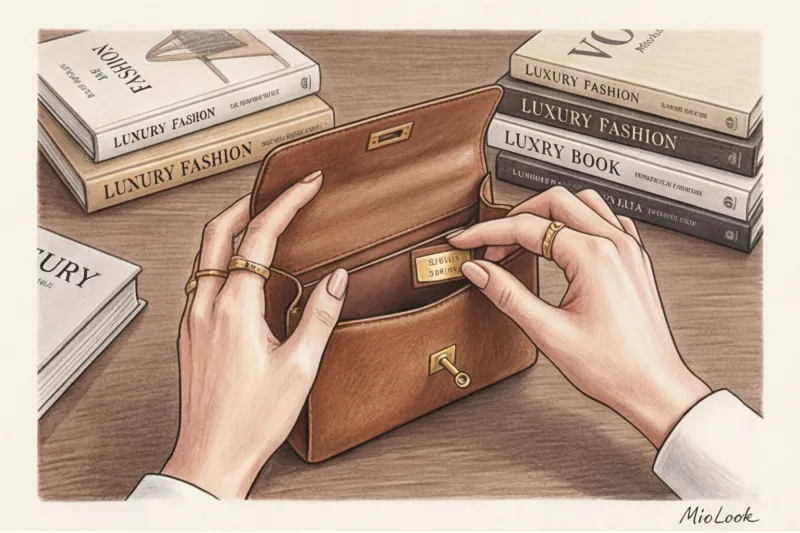
Each brand has its own coding system. Chanel uses serial numbers pasted inside the bag, which change the number of digits and font design every decade. Hermès uses "blind stamps" with letters pressed into the leather, indicating the year of production and the maker.
The 1990s are considered the most coveted period among collectors—the so-called "Karl Lagerfeld era" for Chanel or Tom Ford for Gucci. Pieces from these decades strike the perfect balance: they've already achieved cult vintage status, but their leather is still durable enough for everyday wear.
Access to MioLook for €0.99 — one-time payment
A smart AI stylist will find the perfect looks with your new vintage bag in seconds.
Get access — €0.99 onceThe Anatomy of Authentication: What to Look for Beyond the Logo
Over 12 years as a stylist, I've handled hundreds of bags. True luxury "sounds" and "feels" different. When you handle a unique bag, pay attention to the invisible details:
- Back of fittings: Counterfeits often have holes in places that aren't visible. The back of the rivets on genuine ones is perfectly smooth or has clear, even engravings without burrs. Luxury brand zippers always bear the markings of premium manufacturers—Lampo, Riri, or YKK (with the correct font).
- Seam geometry: Hermès bags use the famous saddle stitch. The hand-stitched thread lies at a subtle angle. Machine-stitched stitching on counterfeits is always suspiciously straight and flat.
- Olfactory test: If after 20 years your bag smells like chemical glue or cheap plastic, run. Original vegetable-tanned leather develops a subtle, powdery, leathery scent over time, but never smells like a toxic factory.
Beware of Frankenstein: Why the Perfect State Is a Red Flag
And now for the most non-obvious. The biggest mistake newbies make is looking for a 30-year-old bag "in like-new condition, without a single scratch." Perfect vintage condition often indicates aggressive tampering, which ruins its value.
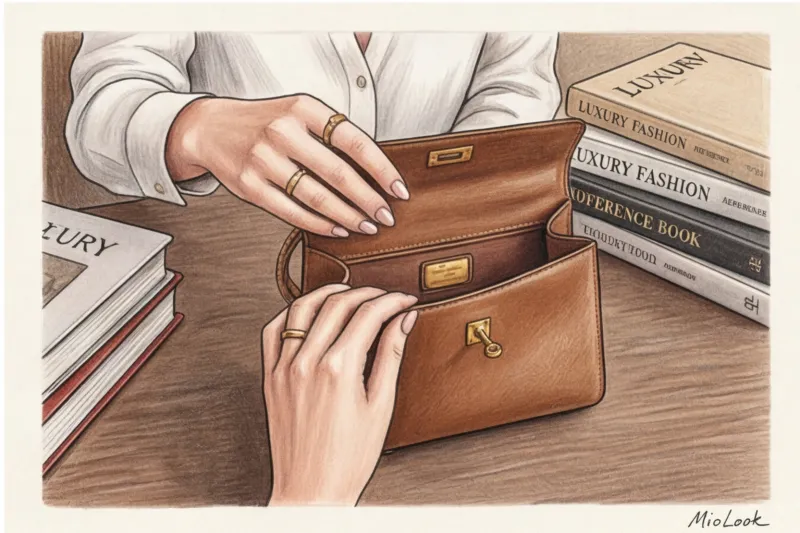
One of my clients proudly brought me a vintage Chanel Diana flap bag she'd bought secondhand. The bag looked immaculate: the black paint gleamed, without a single scuff. But the leather felt like plastic. It turned out the bag had been through a cheap "spa": it had simply been coated with a thick layer of acrylic paint, clogging all the natural pores of the leather. This type of restoration is irreversible, and the bag's value on the collector's market instantly dropped by 60%.
There is also a concept in the industry Frankenstein bags These are items assembled from several "killed" original bags. The hardware is from one, the strap is from another, and the lining has been resewn in a studio. To the untrained eye, they look like the original, but to an authenticator, they're a reassembled piece with no investment value.
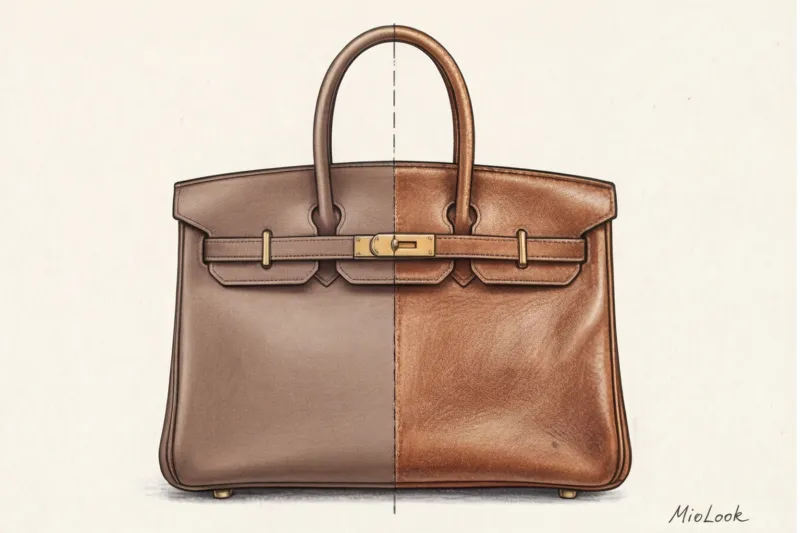
Let me make it clear right away: if the slightest scratch on your skin irritates you to the point of shuddering, true vintage is not your thing. Collectors value patina — natural, soft abrasions on the corners, oxidized copper on the locks, and a softened leather texture. This is a sign of authenticity and graceful aging.
Shopping Geography: Where to Safely Search for Vintage Treasures
Buying luxury goods secondhand on social media without a verified guarantor is financial suicide. So where can you find safe options?
- Japanese phenomenon: Japanese eBay sellers (with thousands of positive reviews) are considered the gold standard. Japan's counterfeit laws are so strict (including prison sentences) that the chances of encountering a fake are virtually zero.
- Verified platforms: Vestiaire Collective, The RealReal, 1stDibs. They have in-house authenticators. However, always check the "verification before shipping" box (Direct Shipping is only suitable for inexpensive purchases).
- Microscopic analysis: Many resellers now use Entrupy technology (AI-powered microscopic analysis of skin and sutures). It's a good filter, but it also has its limitations—the latest generation of super-fakes sometimes bypass the algorithms, so the human eye of an experienced expert is still necessary.
Your perfect look starts here
Join thousands of users who look flawless every day with MioLook, integrating vintage finds into a modern wardrobe.
Get access — €0.99 onceA Stylist's Checklist: How to Incorporate Vintage into a Modern Wardrobe
The biggest style mistake is wearing a vintage bag with overtly retro items. If you pair a polka-dot dress and red lipstick with a 1950s bag, you'll look less like a style icon and more like an actress at a costume party.
The main rule is - harsh contrast If you're holding a well-worn Hermès satchel that's stood the test of time, pair it with an ultra-modern, sharp, oversized architectural suit or a minimalist knit dress. This is the essence of the "quiet luxury" (old money) aesthetic.
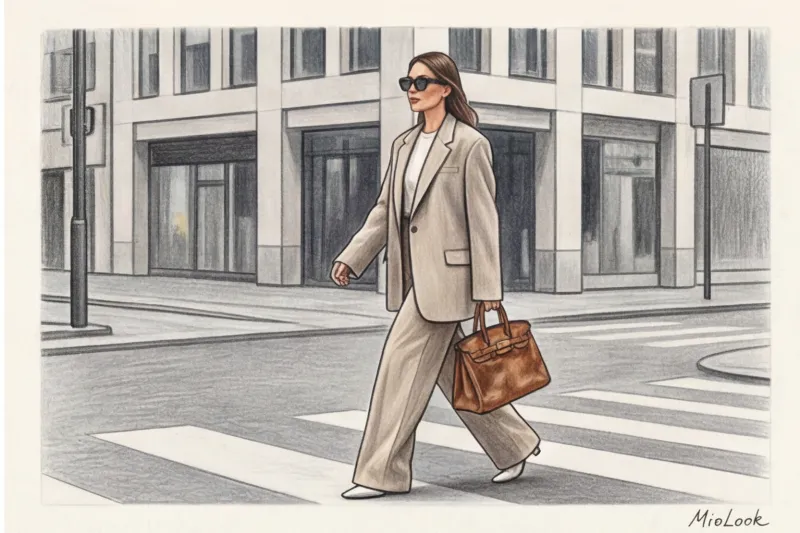
To avoid racking your brain every morning about how to combine your new (old) bag with your basic wardrobe, I recommend using smart wardrobe feature in the MioLook app You simply digitize your purchase, and the neural network collects dozens of non-obvious, stylish combinations for you with items you already own.
Your First Vintage Purchase: A Step-by-Step Guide
If you're ready to make your first major resale purchase, here's a clear plan of action:
- Set your budget strictly in euros (e.g. €1,500–€2,500) and decide whether you need a bag for every day (choose grained Caviar or Togo leather) or an investment collectible for rare occasions (smooth Box leather).
- Never buy based on a single blurry photo. Ask the seller for close-up shots of the serial number, the stamps on the hardware, all four bottom corners, and the seam on the handle.
- Before transferring money, order online authentication from an independent photo expert (this costs between €30 and €50, but will save you thousands).
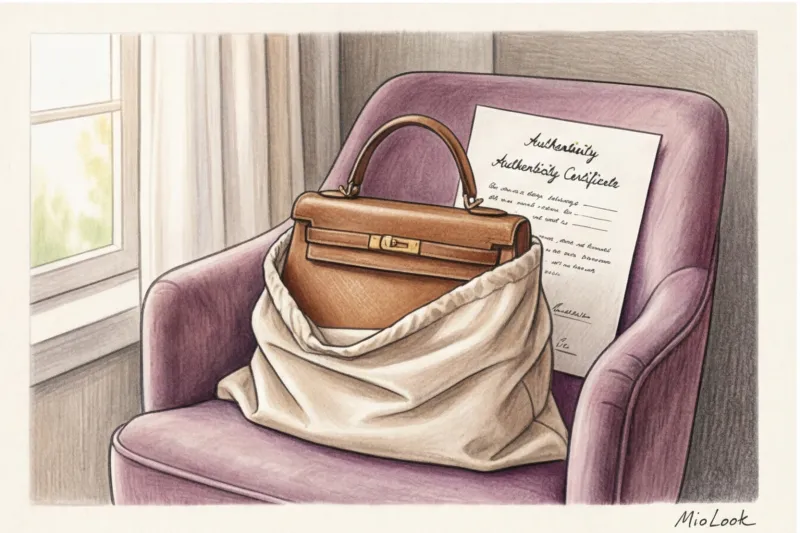
A vintage bag is more than just an accessory. It's an artifact of a bygone era, when items were created to be passed down, not discarded next season. Your goal isn't to find a sterile, pristine piece, but one whose history (and patina!) resonates harmoniously with your own style.