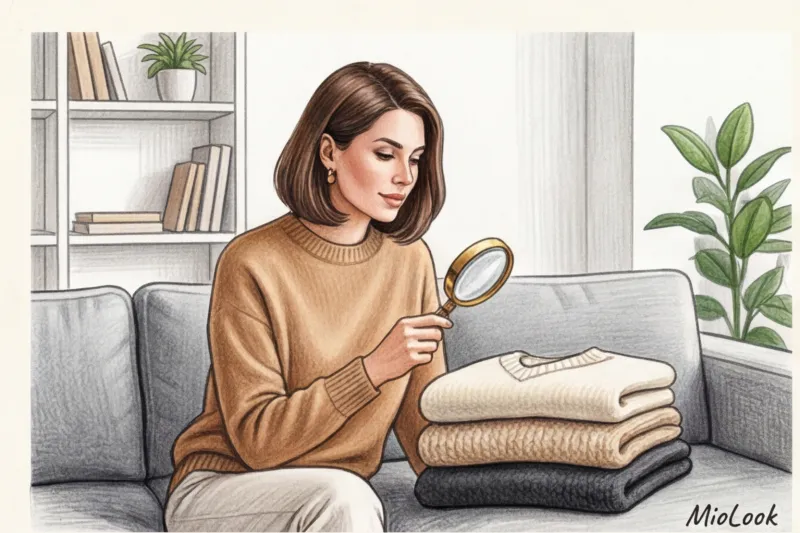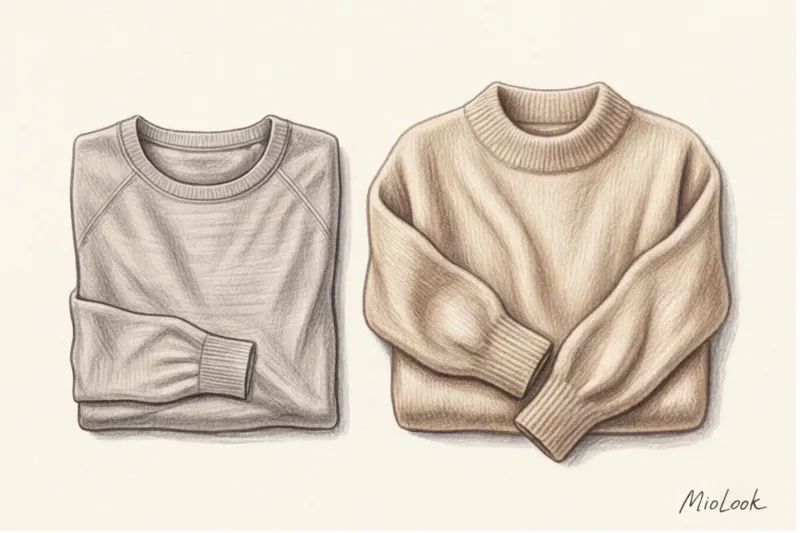
Have you ever noticed that your mom's vintage cashmere sweater looks better and keeps you warmer than the mass-market jumper you bought just a month ago? It's not nostalgia; it's a harsh fact of materials science. The fast fashion industry has taught us that clothes last only one season. But true elegance tolerates no compromise on quality.
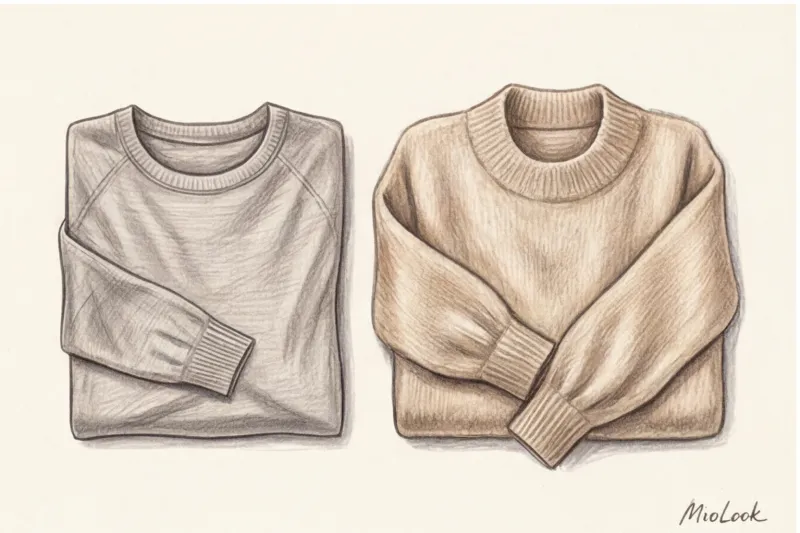
Many people view the secondary market solely as a way to save money. For me, as a practicing stylist, global and local resale platforms (be it Vinted, Vestiaire Collective, or Avito) are, first and foremost, a private VIP boutique. They're a place where you can find fabrics and patterns that would fetch astronomical prices in retail today. If you want to learn how to buy clothes on Avito and other platforms so that your wardrobe looks great, it's time to abandon your average shopper habits and master the buyer's algorithms.
Resale Philosophy: Why the Secondary Market Is the New TSUM for Smart Wardrobes
The foundation of high-status style is math, or more specifically, the Cost Per Wear formula. Buying a €50 polyester jacket and wearing it three times (because it's stuffy and has lost its shape) is a cost of €16.60 per wear. Buying a perfect used wool Max Mara blazer for €150, which will last you five years (say, 100 wears), will cost you only €1.50 per wear.
I had a telling case. My client, Elena, was terrified of "wearing someone else's clothes." We made a bet: I found her a vintage Burberry trench coat at a resale store for a modest €180. Three years later, this trench coat has outlived five of her old mass-market coats, retained its perfect gabardine structure, and garnered dozens of compliments at business meetings. We discussed this approach in more detail in our A complete guide to creating a basic wardrobe on a budget.
According to a major report by ThredUp (2024), the global resale market is growing three times faster than traditional retail. It is expected to reach $350 billion by 2028. This is no longer a fringe trend—it is a choice for conscious investors to embrace their style.
Premium garments are designed with durability in mind. They wear out more slowly, retain their shape better after dry cleaning, and, most importantly, have a well-designed cut that flatters the figure.
How to buy clothes on Avito: secret algorithms for finding a stylist
The average user searches for "women's black trousers" and gets hundreds of thousands of results, consisting of Chinese counterfeits, outdated styles, and polyester. This is a recipe for frustration. Professionals never search this way.
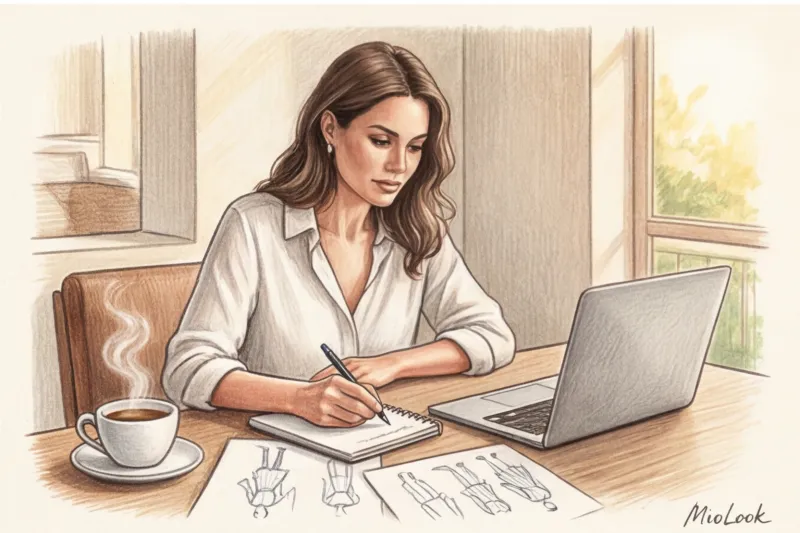
My main secret is detailed search links. I use the following formula: [Brand] + [Fabric Type] or [Cutting element] + [Brand] Instead of abstract queries, enter:
- Massimo Dutti 100% silk
- "Cos alpaca wool"
- "Men's double-breasted wool jacket"
- Levi's 501 Vintage
Your perfect look starts here
Join thousands of users who look flawless every day with MioLook. Digitize your finds and create stylish capsule collections in one click.
Get access — €0.99 onceSetting up filters as an art
Platform algorithms adapt to your actions. To train the feed to deliver brilliant results, be strict with the price filter. Set a lower threshold, for example, from €30 or €50 – this way, you'll eliminate 90% of ultra-cheap mass-market items and items from AliExpress with one click.
Another less obvious point regarding an item's condition. Many people instinctively check the "new with tag" box. In practice, this often means an impulse purchase: the item didn't fit well on its previous owner, had an odd cut, or was made of uncomfortable fabric, so it sat in the closet. The most beloved, comfortable, and flattering basics with a perfect fit are often hidden in the "excellent condition" category (worn a couple of times).
Top 5 Basic Wardrobe Items You Should Look For Second-Hand
Not every item is worth buying on the secondary market (underwear, swimwear, and basic white T-shirts are best bought new). But there are categories where resale beats modern retail on all fronts.
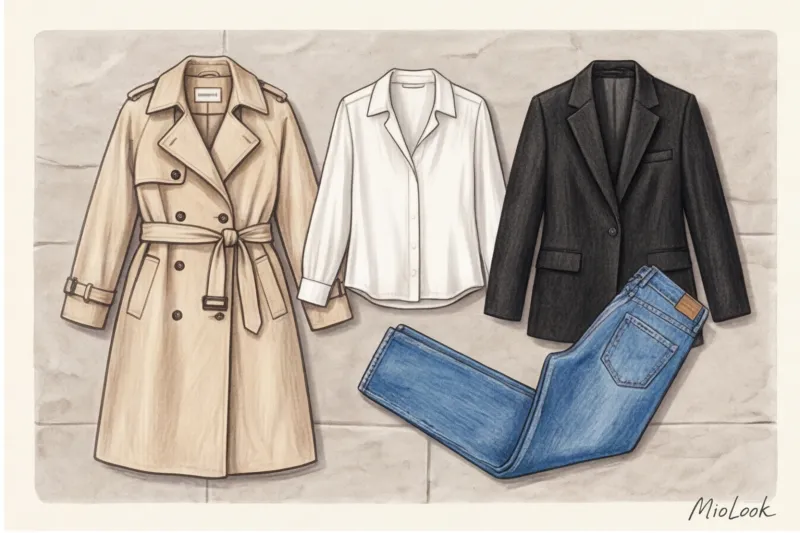
- Cashmere sweater. McKinsey's 2023 study, "The State of Fashion," highlights that the lifespan of modern clothing has decreased by 36% over the past 15 years. This is especially true for knitwear. Cashmere from the 2000s and 2010s (brands like Pringle of Scotland, Eric Bompard, and even the old Uniqlo) was knitted from long fibers in two or four threads. It is denser, less pilling, and flows more easily across the body, unlike its modern, translucent counterparts.
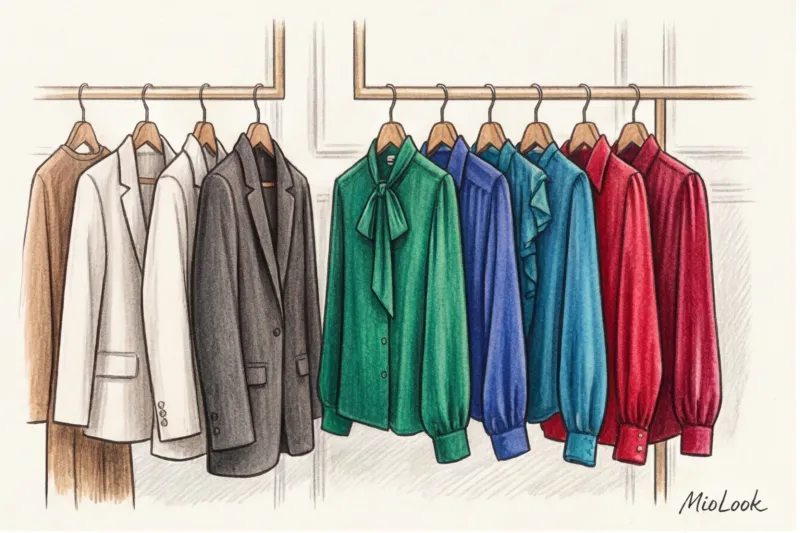
- Structured wool jacket. My favorite life hack is the men's department. If you're looking for the perfect oversized blazer with a crisp shoulder line, look for vintage men's 100% wool jackets. They have luxurious padding that enhances your posture.
- Silk shirt. Mass-market fabrics have largely stopped making dense crepe de chine, replacing it with viscose or polyester. Look for brands like Equipment, Theory, or 12Storeez from past collections.
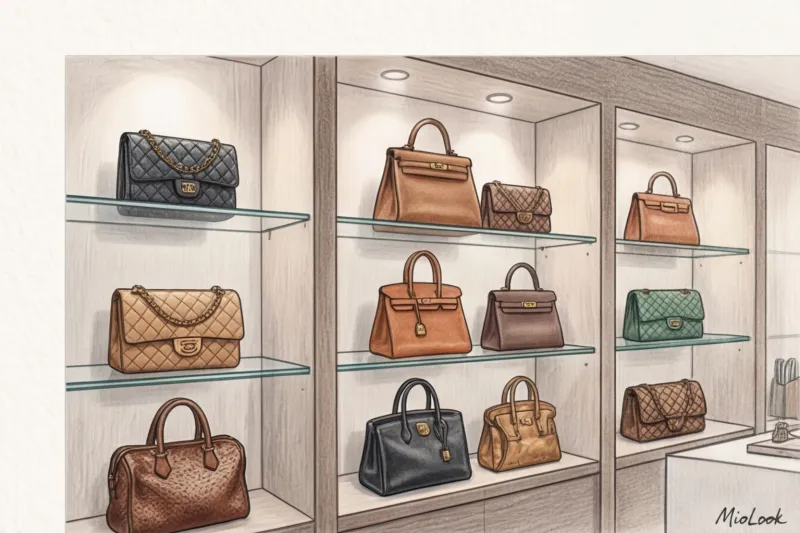
- Leather belts and bags of rigid shape. High-quality leather acquires a noble patina over the years. The hardware on older bags (even non-luxury ones, but sturdy mid-range ones like Coccinelle or Furla) was made of heavy alloys, not coated plastic.
- Quality denim. Jeans made from 100% cotton (no elastane) should fit your figure. When you buy Levi's 501s or Agolde jeans used, you're getting denim that's already been shrunk and softened, but still retains its shape.
Safety checklist: how to distinguish an original and assess quality from a photo
Buying online always carries a small risk. But it can be minimized if you know where to look. When I create capsule collections for clients, I never rely solely on the seller's beautiful cover photos.
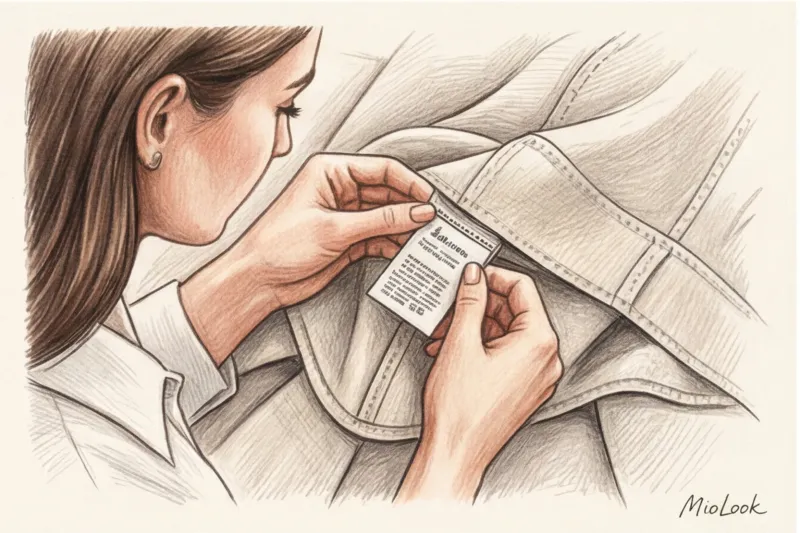
Request the following additional frames in private messages:
- The label with the composition is held up to the light: The text should be clear and not blurry. It's often easier to authenticate an item by the font on the inside tag than by the logo.
- Underarm and collar area: These are the main indicators of wear. If there are yellow spots on light-colored items or whitish abrasions on dark-colored items, don't buy it.
- Close-up of fittings and seams: A quality item (from €150 and up in the equivalent of the starting price) will have buttons sewn on a shank, and the inner seams will be finished with binding or a closed (French) seam.
It's important to understand the difference between reversible and irreversible wear. Pilling on expensive cashmere is normal; it can be removed with a special machine in 10 minutes, restoring the item to its store-bought appearance. However, a misshapen, stretched collar on a cotton long sleeve is a death sentence.
Frankly, this visual assessment method doesn't always work. If you're buying thin viscose or linen, even a macro photo won't tell you if the item has shrunk due to improper washing. That's why the next step is crucial.
Access to MioLook for €0.99 — one-time payment
A smart AI stylist will select the perfect look from your new finds and suggest what's missing from your wardrobe.
Get access — €0.99 onceThe biggest mistake beginners make: why size charts are an illusion
The most paradoxical advice I give to my clients: Never look at the size tag when buying from a resale store.
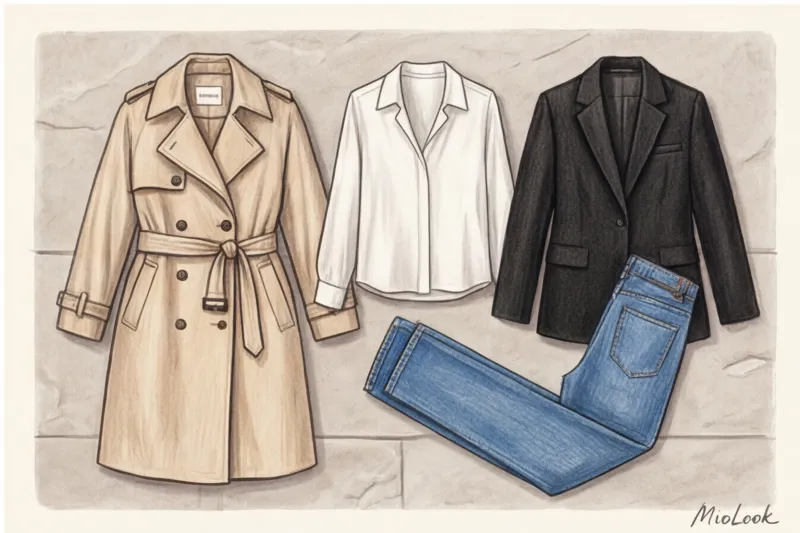
The "M" on a Zara sweater from 2015 and the "M" in the 2024 collection are two completely different items. Furthermore, the previous owner could have washed the wool trousers in hot water (causing them to shrink two sizes) or had the jacket tailored to his liking.
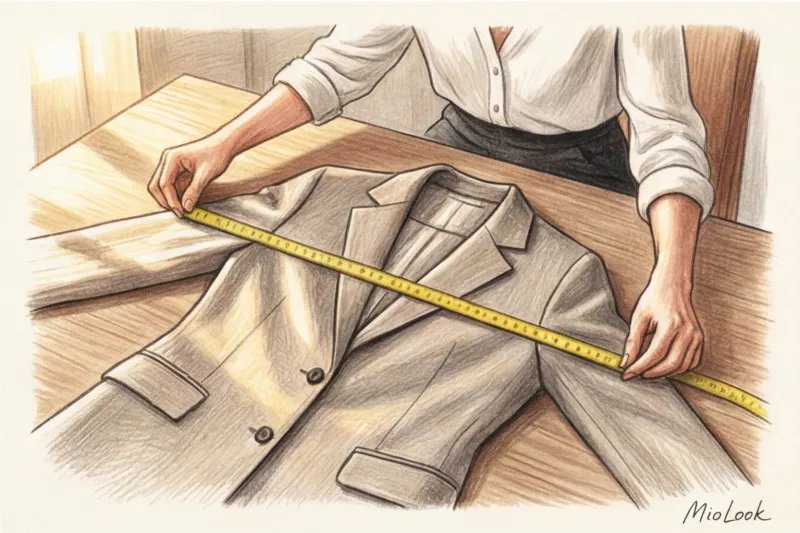
Professional buyers use the "Standard Item" method. Here's how it works:
- Take a jacket, shirt or jeans from your closet that fit you perfectly.
- Lay the item out on a flat surface and arm yourself with a measuring tape.
- Take three key measurements: pit-to-pit (half chest circumference from armpit to armpit), sleeve length from shoulder seam and total length along the back.
Now, when you speak to a salesperson, you simply ask them to take the same measurements. If the half-chest of your ideal blazer is 52 cm, but the salesperson measures 46 cm, no "L" on the tag will save you—the item will be too small. This simple step reduces the percentage of unsuccessful purchases and returns to zero.
From Hunting to Style: Integrating Finds into a Smart Wardrobe
Successful second-hand shopping can be a mild adrenaline rush. Finding the perfect cashmere cardigan for €40 instead of €250 is a true victory. But there's a catch: the excitement can turn your apartment into a warehouse of mismatched, albeit high-quality, items.
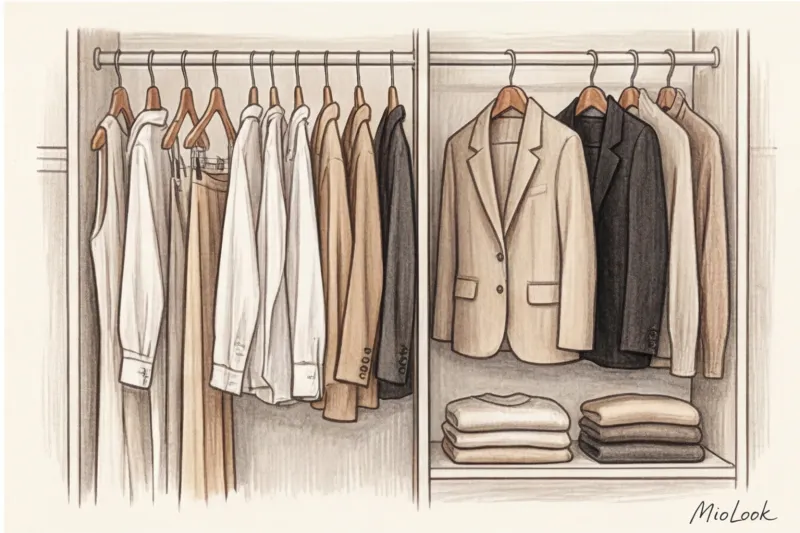
To prevent this from happening, implement a strict rule: One in, one out Bought a luxurious vintage trench coat? Donate or sell your old, worn-out one.
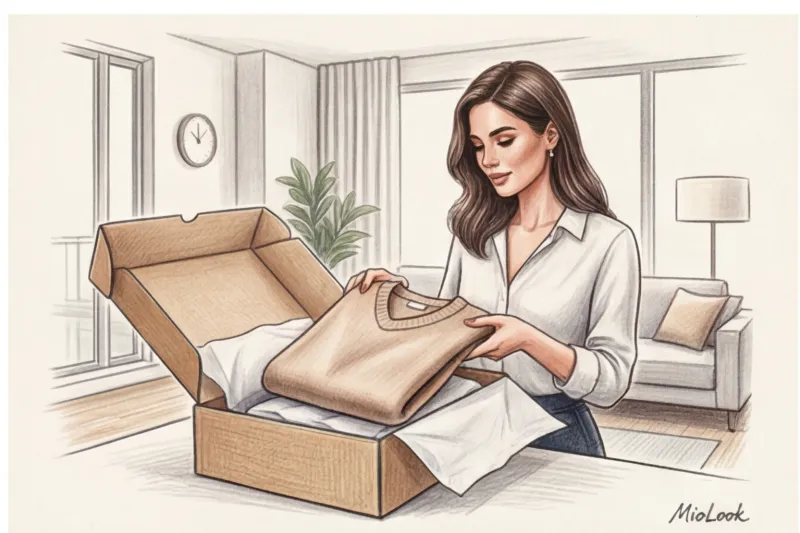
To fully manage your wardrobe, I highly recommend digitizing every new purchase. Add a photo of the purchased item to MioLook Right on the day you unpack the package. The app will help you instantly integrate the new item into your current capsules, so it doesn't end up hanging like dead weight on a hanger.
And finally, my favorite stylish formula for implementing resale finds into life: A vintage men's jacket + modern straight-leg jeans + a basic white tee + statement loafers = instant, effortless chic. The secret to modern style isn't dressing head to toe in the season's latest pieces, but rather in the ability to blend eras, textures, and the history of garments. View resale not as a flea market, but as an archive of your future impeccable style, and the results will exceed all expectations.