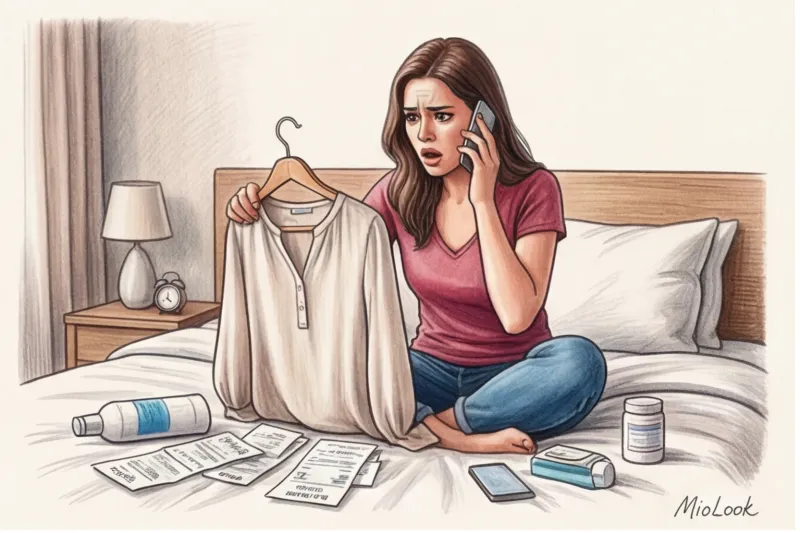
Three years ago, a client of mine excitedly showed me her sale haul: a basic silk blouse from Zara for just 50 euros. What a bargain, right? But a year later, during a wardrobe review, we checked the receipts. It turned out she'd spent 150 euros dry cleaning this "bargain" item. She was simply afraid to wash it at home. At that point, the basic blouse from a mass-market store cost her more than a premium silk shirt from, say, Equipment, which she could have washed by hand.
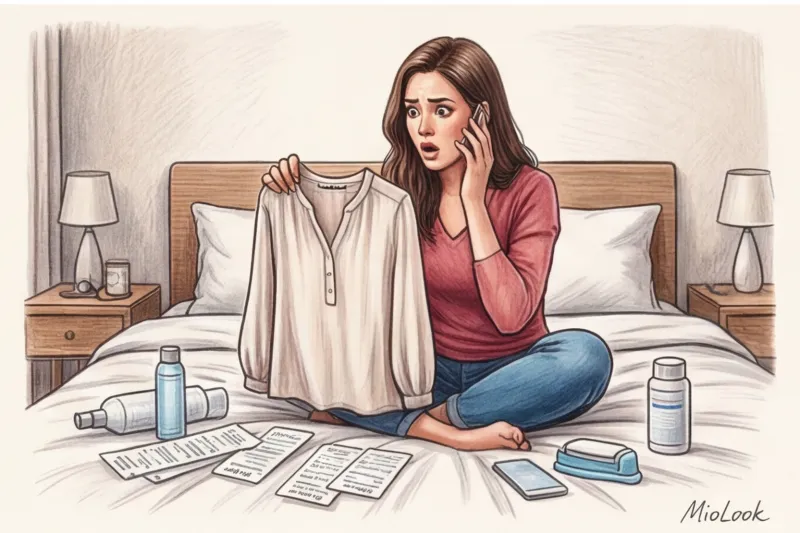
Most articles on laundry care boil down to clichéd advice on how to sort laundry by color. But after 14 years as a stylist, I've learned: clothing care and its cost — this is a huge black hole in the budget that we completely ignore.
In the corporate world, there's a concept called TCO—Total Cost of Ownership. And it applies 100% to your cabinet. We covered this in more detail in our Budgeting Guide and the Cost Per Wear Rule , but today I want to talk about the hidden "wardrobe tax" you pay every season.
The Illusion of Cheapness: What Really Makes Up the Cost of Your Clothes
When you buy a difficult-to-care-for or low-quality item, you're not just handing over cash at the checkout. You're signing up for a hidden subscription. A cheap acrylic sweater will drain your wallet of cash for rollers, lint removers, gallons of fabric softener (to prevent shocks), and anti-static products.
In my experience, every other wardrobe review reveals a "dead zone." These are items that clients don't wear for one reason: "It's so hard to wash and iron it afterwards, it's a shame to get it dirty.".
This mentality kills the point of buying. If the cost or difficulty of maintenance forces you to save an item for a "special occasion" that comes once a year, it's a bad investment. A quality base item should work for you, not you should maintain it.
The "Dry Clean Only" Myth: How Dry Cleaners Make Money
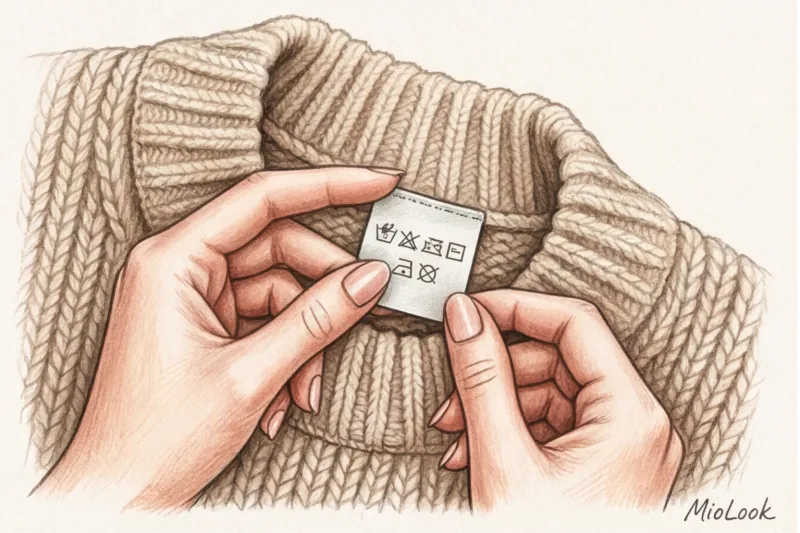
Perhaps the most shocking piece of information my clients receive is this: the crossed-out basin icon (Dry Clean Only) is, in 60% of cases, not a strict instruction, but the brand's legal insurance. It's easier for manufacturers to ban washing than to deal with returns from customers who threw delicate wool into a 60-degree washing machine along with jeans.
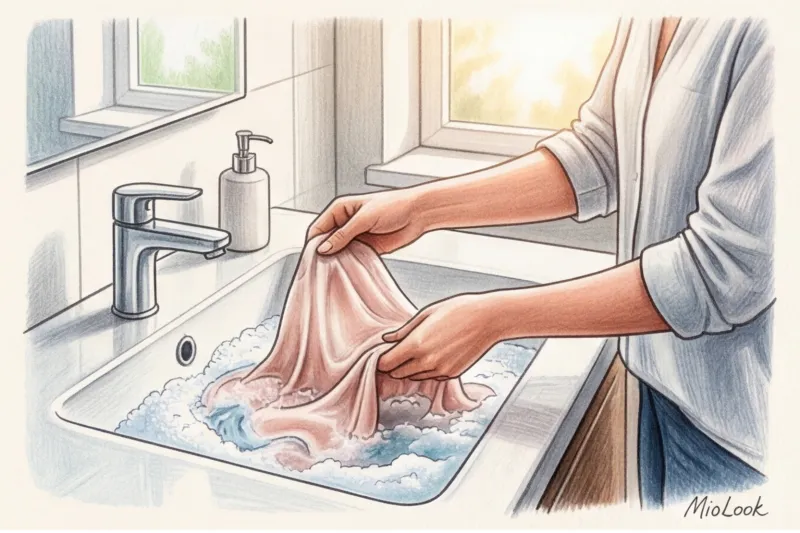
According to the international organization Fashion Revolution (2023), approximately 25% of clothes are discarded prematurely due to improper care and fear of washing. But here's the truth from a stylist: Cashmere, merino, and high-quality, thick silk actually LOVE water..
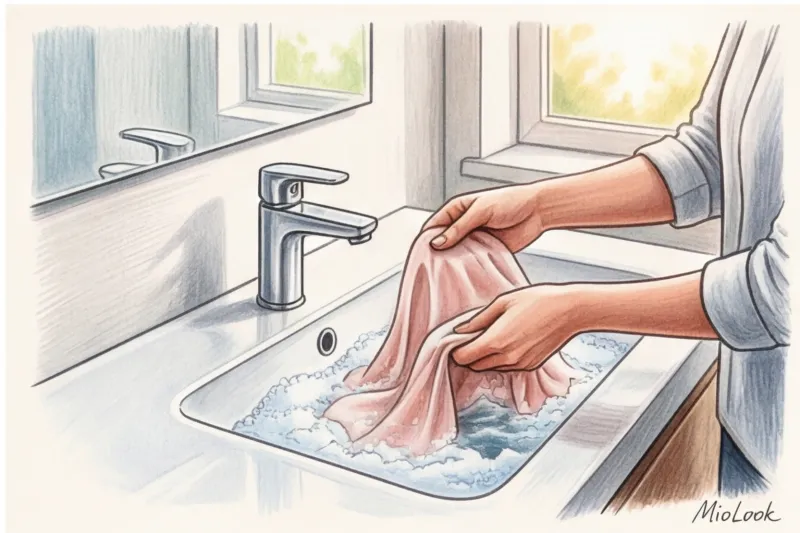
Harsh chemicals in dry cleaning dry out natural fibers. Your favorite cashmere sweater will become stiff and brittle after five professional cleanings. Gentle hand washing in cool water with a special shampoo, on the other hand, restores its fluffiness. The savings? About 10,000 € (equivalent) per season on sweaters alone.
"Manufacturers play it safe with the 'Dry Clean Only' label, but understanding the fabric's properties gives you freedom. Animal wool has historically been accustomed to water—sheep and goats walk in the rain. The main rule is to avoid temperature fluctuations and friction," shares a textile technologist.
When this tip DOESN'T work (what you absolutely shouldn't wash at home):
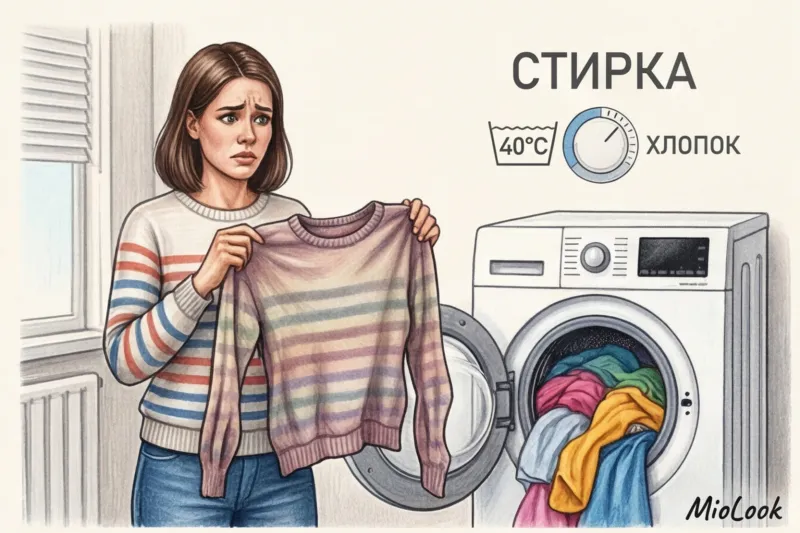
My recommendation for home washing comes with strict limitations. Never wash structured jackets at home (the inner bonded layer and shoulder pads will become permanently misshapen), lined coats, items with complex pleats, or viscose fabrics labeled "dry clean only" (viscose loses strength in water and can shrink up to two sizes).
Tired of clothes that are difficult to combine and expensive to wash?
MioLook's smart AI stylist will analyze your wardrobe and help you create the perfect look from what you already own, saving you time and money.
Get access — €0.99 onceThe Mathematics of Care: Calculating Hidden Costs on Specific Fabrics
Let's translate this theory into concrete figures. Let's compare two popular scenarios.
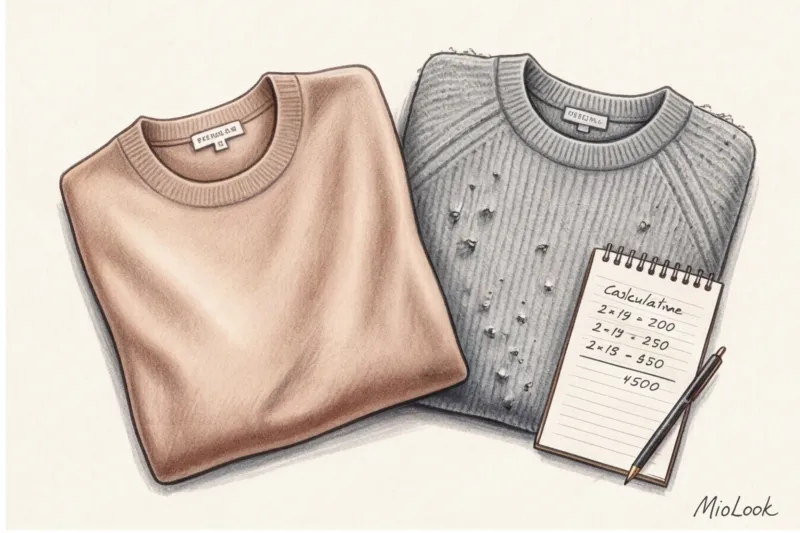
Acrylic vs. Merino Wool. A mass-market acrylic jumper costs a mere $25. It seems like a good deal. But acrylic doesn't breathe, absorbs odors like crazy (you'll have to wash it after every other wear), and quickly becomes pilled and loses its shape. A 100% merino jumper costs $80-$100. However, merino is self-cleaning: odors dissipate overnight on the balcony. A bottle of premium liquid wool detergent (around $15) will save you dozens of trips to the dry cleaner and washes.
Polyester vs. Natural Silk. Polyester makes you sweat. You wash your blouse after every wear. Machine washing wastes energy and wears out the garment. A silk blouse can be worn over a basic cotton top, and you'll need to wash it four times less often.
100% Linen vs. Blended Fabrics. Here, we pay with time. Pure linen wrinkles so much that it takes 20 minutes to iron. If time is precious, choose linen with 30% viscose or lyocell. It looks the same, but irons twice as fast.
The Three-Wear Rule: How to Stop Washing Clothes
The biggest mistake I see clients make is automatically throwing an item in the laundry hamper after wearing it once, even if it's stain-free. A McKinsey study (2024) found that up to 25% of a garment's carbon footprint comes from the home care phase (washing, drying, and ironing).
Implement the three-wear rule for jeans, sweaters, and jackets. Instead of washing, air them out in frosty or humid air, use spot steaming (steam kills bacteria and odors), and use textile neutralizer sprays. In general, it's recommended to wash jeans no more than once every few months to preserve their color and elastane.
An investment that pays off: a home stylist's arsenal
On commercial shoots, we don't have washing machines or dry cleaners on hand, but the clothes on camera still need to look great. To minimize the cost of professional home care, you need to convert some of the expenses into one-time investments.
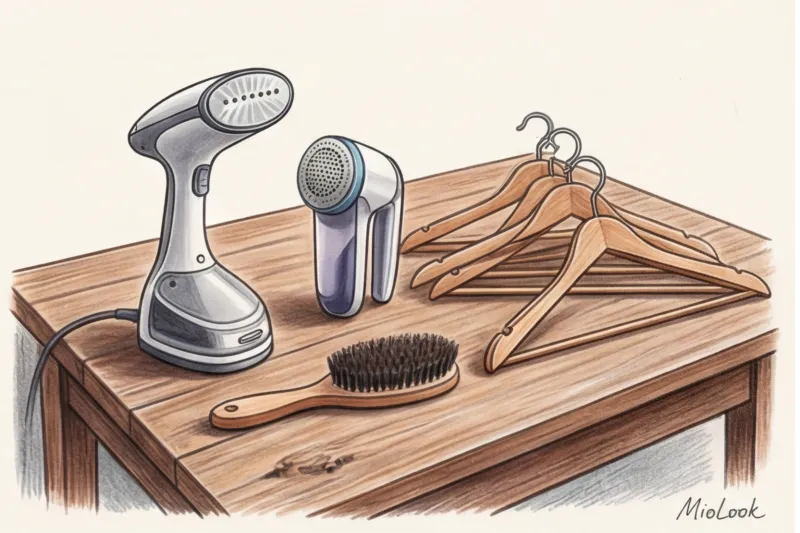
- A good handheld or floor steamer. Ironing burns fibers and leaves shiny marks. Steam gently straightens fabric, refreshes it, and kills 99% of odor-causing bacteria.
- Fabric shaver. An absolute must-have. Apply it to the collar and cuffs of a basic sweater, and it'll look boutique-fresh again.
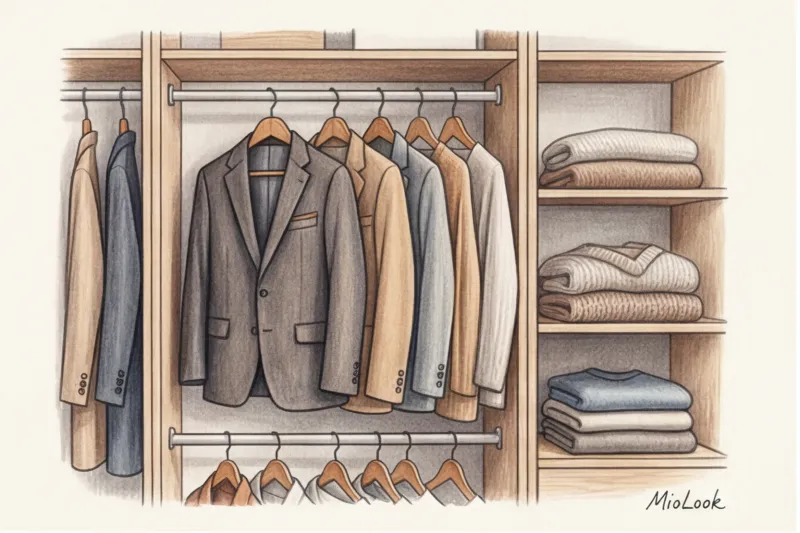
- The right hangers. Thin iron hangers from the dry cleaner stretch the shoulders of knitwear, distorting the garment. Replace them with wide wooden ones for jackets and velvet ones for silk garments. Knitwear is generally best stored folded.
- Brush with natural bristles.
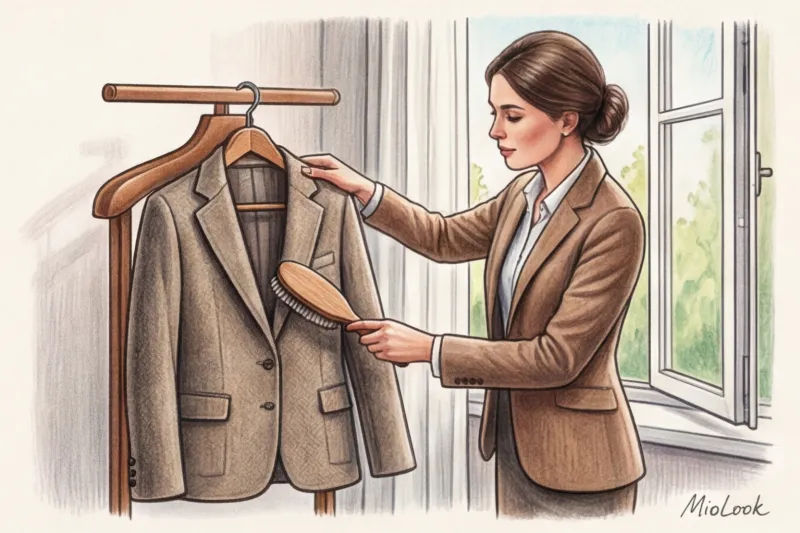
Regular brushing of coats and suits removes surface dust before it becomes embedded in the fabric. This postpones dry cleaning visits for an entire season.
Your perfect look starts here
Join thousands of users who look flawless every day with MioLook's smart algorithm. Create capsule makeup looks in one click.
Get access — €0.99 oncePrevention: How to wear clothes so you need to care for them less often
In medicine, prevention is cheaper than cure. It's the same in wardrobe.
The main secret of the durability of expensive jackets and cashmere sweaters is bottom layer Wear thin, basic cotton t-shirts (short-sleeved) or special silk tops underneath. This invisible layer absorbs sweat and deodorant. A t-shirt is easy to wash, but removing yellow stains from a sweater is nearly impossible.
Did you know that deodorants containing aluminum salts react chemically with sweat, permanently destroying natural fibers? Yellow stains on white shirts aren't dirt, they're a chemical burn to the fabric. Switching to aluminum-free deodorants will triple the life of your shirts.
The second golden rule is 24 Hours of Relaxation Leather shoes and wool suits need time to evaporate body moisture and restore the fibers' shape. Avoid wearing the same pair of shoes two days in a row.
When a miser pays twice: what you shouldn't skimp on
As much as I love to optimize my budget, there are times when DIY projects can be fatal. If you're collecting a status capsule wardrobe for the office , your things are your business card.
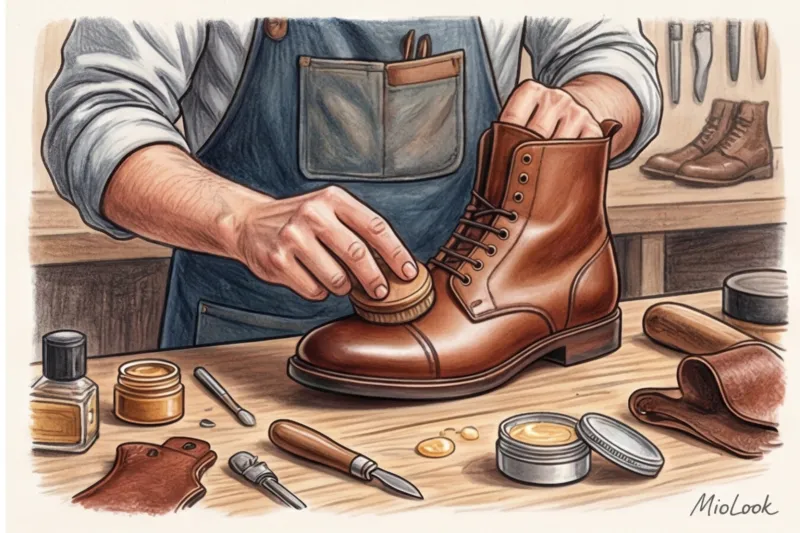
Immediately after purchasing expensive leather shoes, take them to a reputable shoe repair shop for a preventative treatment (sole wear). Protecting the sole of a new pair is five times cheaper than repairing a worn-out toe after a month of wear.
The same goes for a difficult fit. It's cheaper to buy quality trousers a size larger on sale and have them taken in at the waist by a good tailor than to endlessly buy cheap trousers in a "almost-suitable" style that will just hang in your closet. A tailored fit automatically elevates a garment to the visual luxury category.
And finally, difficult stains (wine, coffee, grease) on light-colored coats, expensive silk, or textured wool. Home experiments with baking soda, lemon, and salt found online usually result in a bleached stain that no dry cleaner can remove. In these cases, you should immediately take the item to a professional.
Smart Shopping Checklist: Estimate Your Care Costs Before You Buy
To stop working for your wardrobe, start analyzing hidden expenses before you even go to the checkout. Here's my quick fitting room routine:
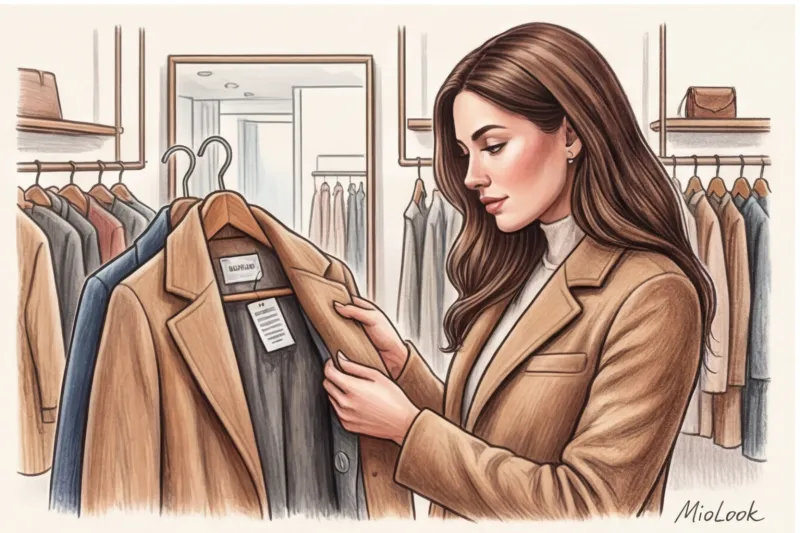
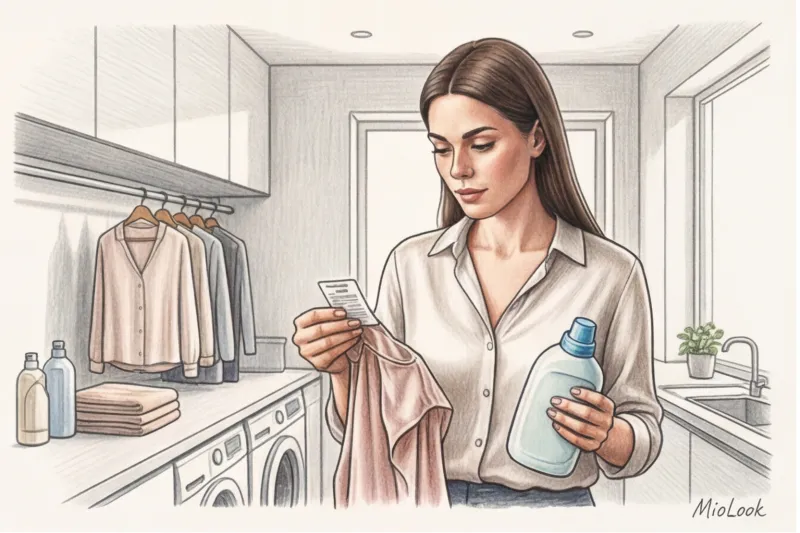
- Find the inner label. If it's 100% polyester, it'll smell after the first run for the bus. If it's a complex blend (wool, silk, lurex) marked "Dry Clean Only," be prepared to budget for dry cleaning.
- Evaluate the fittings. Cheap metal buttons can oxidize during the first wash, leaving rusty marks on the fabric. If they're dangling by a single thread, they'll need to be resewn.
- Ask yourself a security question: “Am I willing to hand wash this item with cool water or pay 15-20 euros for cleaning every month?” If the answer is “no”, the item will remain in the store.
Mindful clothing care isn't a boring chore. It's a skill that automatically makes your wardrobe more luxurious. When you understand the true cost of owning a piece, you stop buying disposable junk. You start investing in quality, and your style reaches a whole new level, where every detail works for you.