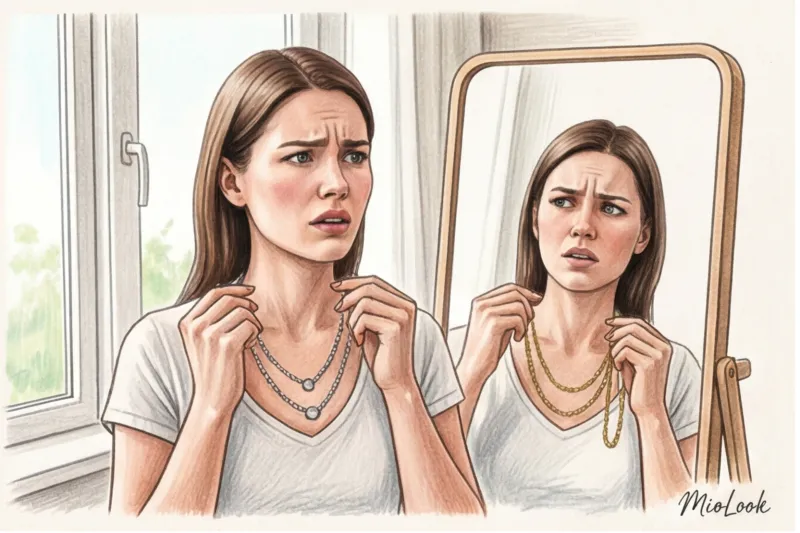
If you've ever stood by the window, staring at your wrists until your eyes hurt, trying to figure out whether the veins there are blue or green, breathe a sigh of relief. You're not alone. For decades, women's magazines have convinced us that this dubious experiment will help us find our color type. Spoiler alert: it doesn't work that way.
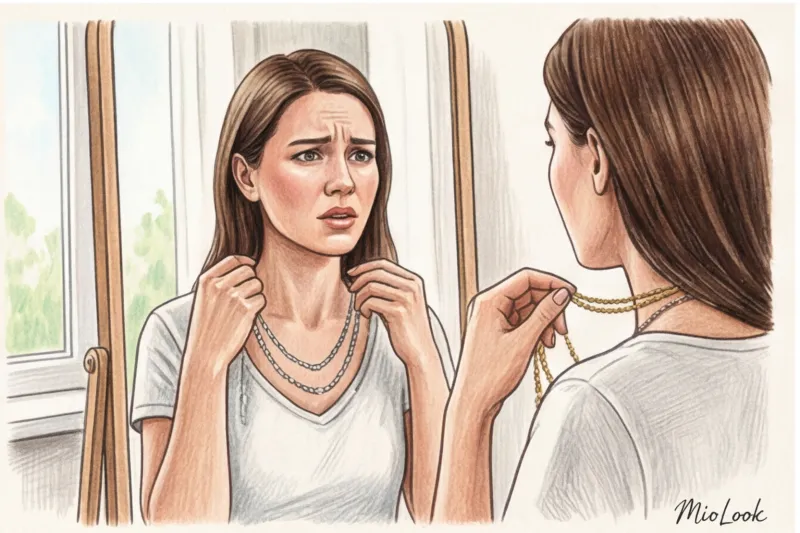
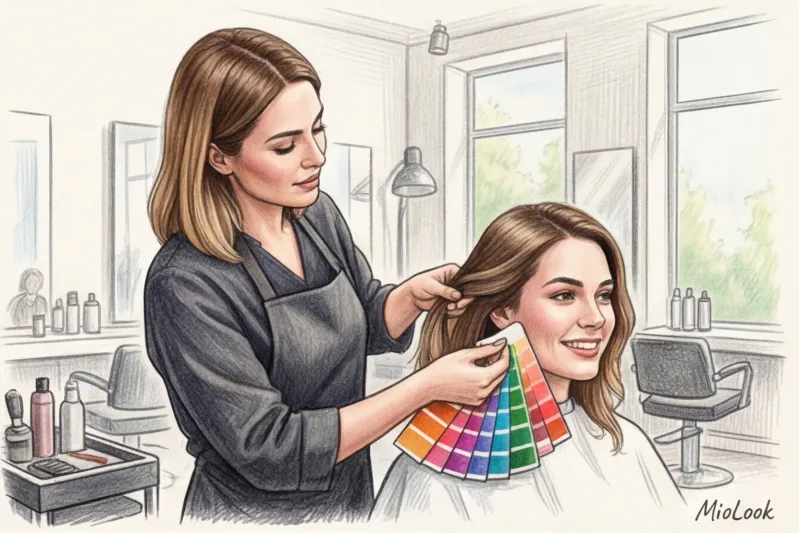
While styling dozens of women, I've noticed a pattern. A perfectly tailored suit can look out of place on a client if her hair clashes with her complexion. Hair color isn't just a detail. It's your most prized turtleneck, the frame you wear next to your face 24/7. Right? choose a hair color based on your skin tone — means saving hundreds of euros on cosmetologists and heavy foundations. We've already covered the basic anatomy of color and the deep layers of the dermis in our The Complete Guide to Determining Your Skin Undertone: Forget the Old Myths And today we'll talk about how to professionally tie this base to your hair.
Forget about vein color: why classic shade selection rules are outdated
A popular rule is that if your veins are blue, you're "cold," and if they're green, you're "warm." But let's look at this from a physiological perspective. The color of the veins you see through your skin depends on the thickness of your epidermis, the percentage of subcutaneous fat, and the scattering of light, not on the actual amount of melanin. Using this method is like judging the quality of a coat by the color of its lining in the dark.
The gold-silver myth works just as well. We often choose a metal not because it highlights our skin, but because it fits our personal style or aesthetic. Besides, the "warm/cool" binary is hopelessly outdated.
According to the Pantone Color Institute's 2023 data, more than 30% of people worldwide have complex skin tones—neutral, olive, or mixed. They physically don't fit into the old color tests.
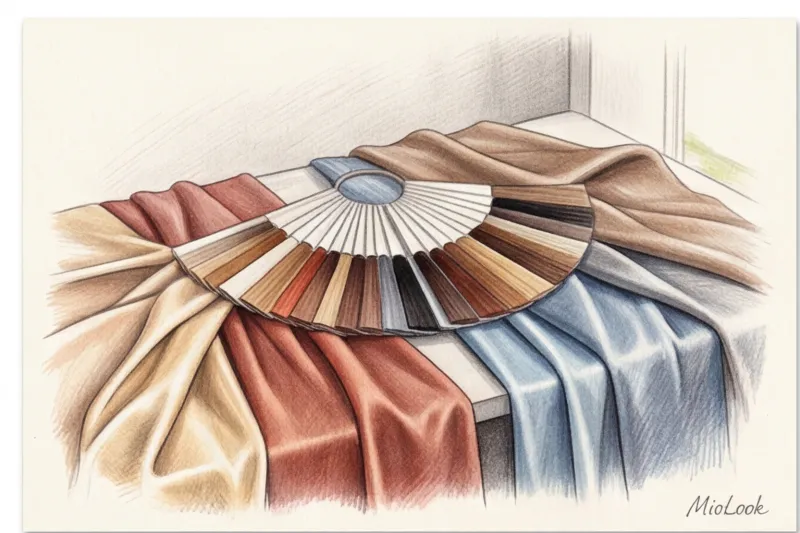
As a textile expert, I always teach my clients to think of hair as fabric. Imagine putting on a turtleneck that's the wrong shade of dirty yellow. Your face will instantly turn gray, the shadows under your eyes will deepen, and even the slightest redness will be highlighted. Hair color works the same way. The only difference is that you can take off an ill-fitting turtleneck in the evening, while you'll have to wake up with an ill-fitting blonde every day.
How to Determine Your True Skin Undertone: A Modern Method from Stylists
Your skin's overtone can change with sun exposure, frost, or a glass of wine. But your true undertone—a combination of melanin, carotene, and hemoglobin—stays with you forever. How can you find it without the bruises and veins?
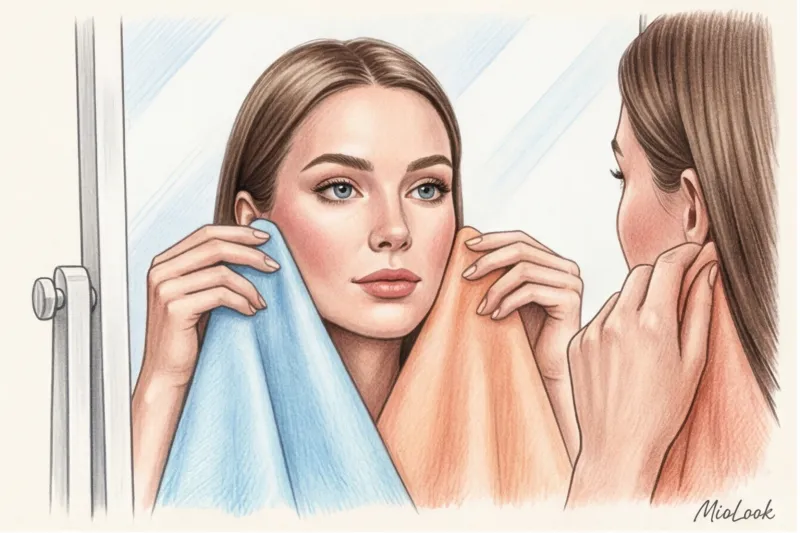
I ask my clients to do a simple test. You'll need a pure white (not off-white or ecru!) T-shirt and natural, diffused light from a window. Avoid direct sunlight and incandescent lamps in the bathroom.
- Put on a white T-shirt, wash off your makeup and take a selfie in front of the window.
- Look at your face next to a white cloth. Does your skin appear yellowish or peachy? This is a sign of warm undertones.
- Does your face appear pinkish, bluish, or almost porcelain against a white background? Your undertone is cool.
- Has your skin taken on a slightly greenish or ash-gray tint? You have an olive undertone.
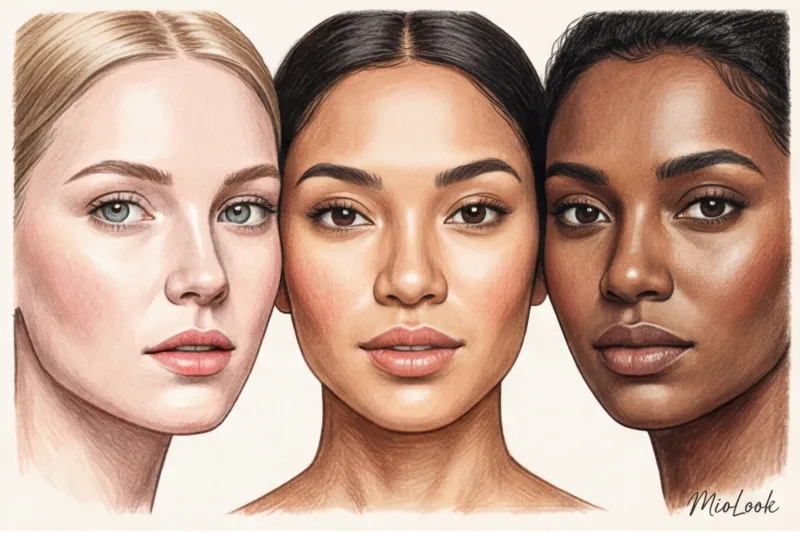
It's important not to confuse a true pink undertone with superficial redness. One of my clients dyed her hair a cool ash blonde for years, believing she had "pink" skin. In fact, she had a warm golden undertone with pronounced rosacea on her cheeks. The ash blonde hair only accentuated this redness, creating a painful contrast.
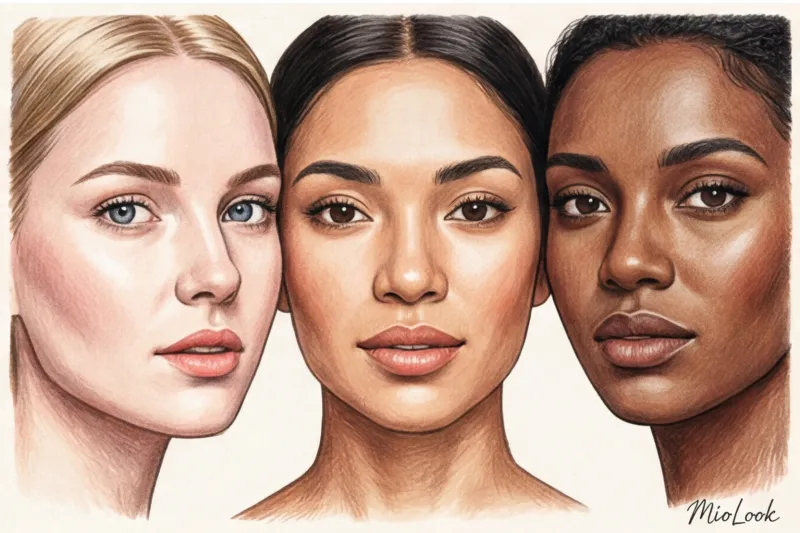
How to Choose a Hair Color Based on Your Skin Undertone: The Color Matrix
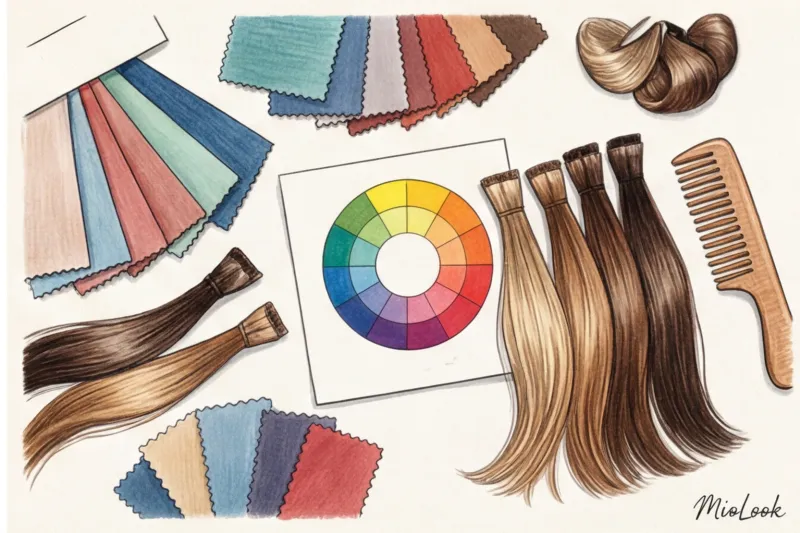
Top colorists and stylists always use the Oswald color wheel. The main principle of coloristics is that colors opposite each other enhance each other. If you have unwanted redness on your skin (rosacea, acne), you should definitely avoid shades with red undertones—they will act as an intensifier. Ash-green hair (which neutralizes red according to the Oswald color wheel) will also make your face look sallow. A neutral beige or wheat color will be your best bet.
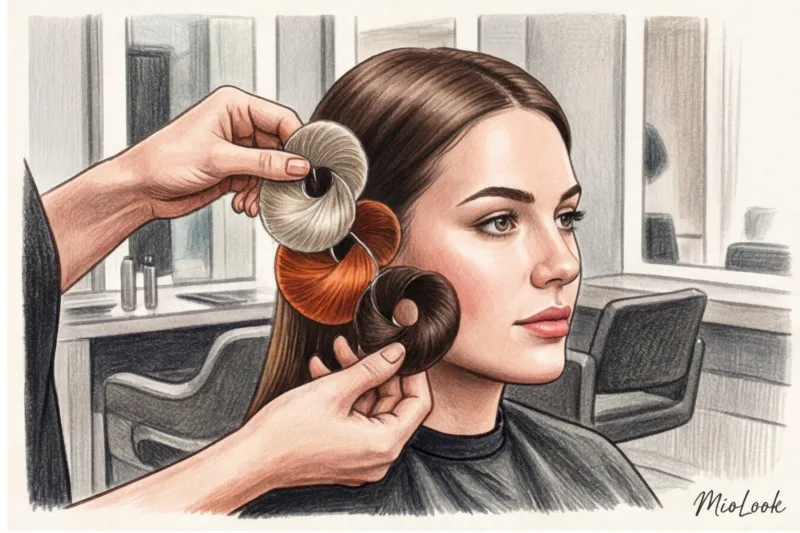
Ideal shades for cool undertones
Women with cool undertones (pinkish or bluish skin that burns easily in the sun) look aristocratic in cool shades. If this applies to you, look for colors that absorb warm light.
- Win-win options: platinum blonde, ash blonde, frosty chestnut, jet black (for a contrasting look).
- The main mistake: Yellowish blonde chick and bright copper. These shades will clash with your skin, creating the effect of constant fatigue and lack of sleep.
Palette for warm undertones
Warm undertones are easily recognized by their peachy, golden, or yellowish glow. These skin types often tan well and quickly, developing a bronze hue.
- Win-win options: warm copper, golden blonde, caramel blonde, milk chocolate, honey.
- The main mistake: An overly cold, gray ash. Against warm skin, it looks unnatural and gives the face an earthy tone, as if you haven't been outdoors in a while.
Your perfect look starts here
Join thousands of users who look flawless every day with MioLook. Artificial intelligence can help you choose not only your hair color but also a complete wardrobe.
Get access — €0.99 onceComplex skin types: olive and neutral skin
Olive skin is a true chameleon. At first glance, it appears warm due to the yellow pigment, but it also contains blue, resulting in a greenish (olive) tint. This is why olive skin clashes with overtly warm golden tones—they make the complexion appear "dirty."
Ideal shades for olive skin include deep espresso, rich cool chestnut, and frosty walnut. If you have perfectly neutral skin (without a dominant pink or yellow undertone), you can explore trendy, complex shades like mushroom blonde and muted strawberry blonde.
Contrast and texture: the secret ingredients for a successful look
Even if you've perfectly matched the color temperature, the results may disappoint. Why? Because you've disrupted your natural contrast ratio. Contrast is the difference in lightness between your skin, eyes, and hair.
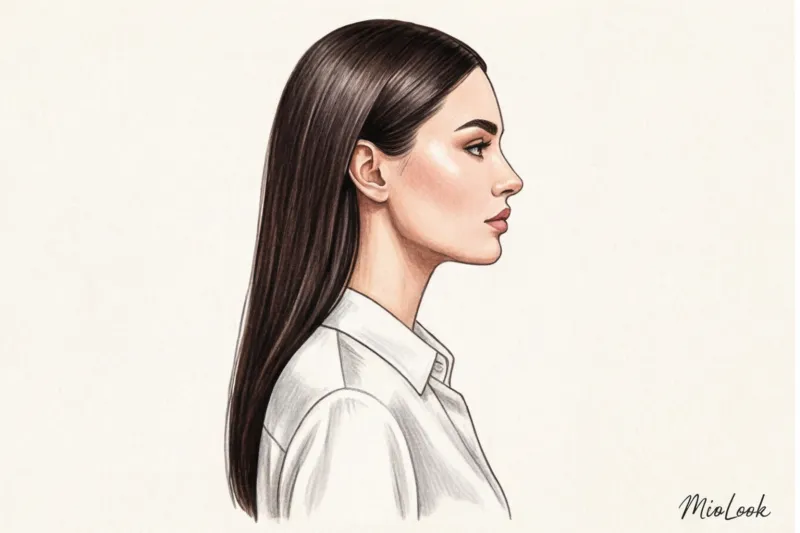
If you naturally have low contrast (fair skin, light eyes, light brown hair), dyeing your hair a jet black will overpower your face. People will notice your hair first, and you second. Conversely, toning down the contrast on bright brunettes often erases their face.
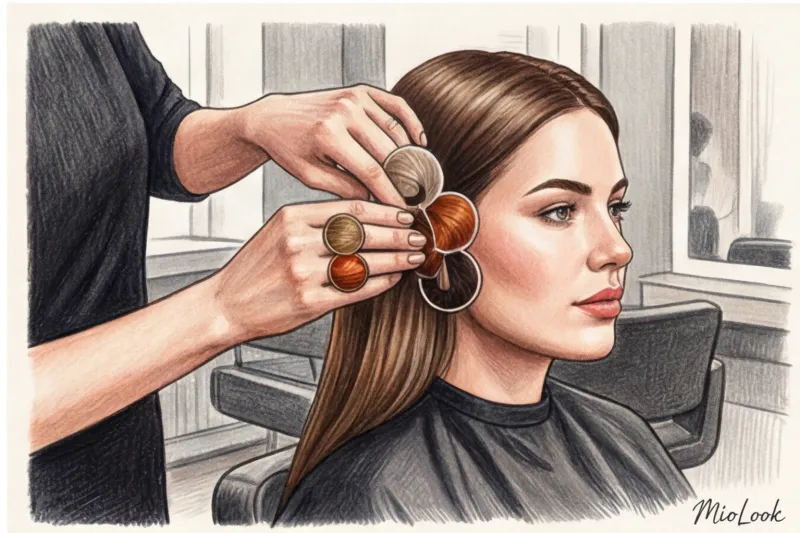
But there is one important limitation here. This tip does NOT work if you have very fine, thinning hair. A total coloring of jet-black or dark chocolate on fair skin will create a "scalp-showing" effect. In this case, it's better to tone down the contrast and go for a multi-dimensional blonde.
As a fabric expert, I must speak about the physics of light. Glossy, healthy hair works like silk—it reflects light onto the face. Porous hair, overdried by bleaching, behaves like matte cotton. It absorbs light. If you choose a light shade but sacrifice hair quality, the matte texture will highlight all your fine lines.
An eco-friendly approach to hair coloring: how to skip the salon for six months
Permanent bleaching and total blonde coloring from the roots is an outdated approach that requires touch-ups every 3-4 weeks. It's expensive (averaging €80 to €150 per visit), damaging to the hair, and extremely environmentally unfriendly.
The WGSN Global Trends Study (2024) shows that conscious consumers are switching en masse to low-maintenance techniques. Color stretching, which preserves natural roots, reduces the consumption of chemical ammonia dyes and foils by almost 60% per client per year.
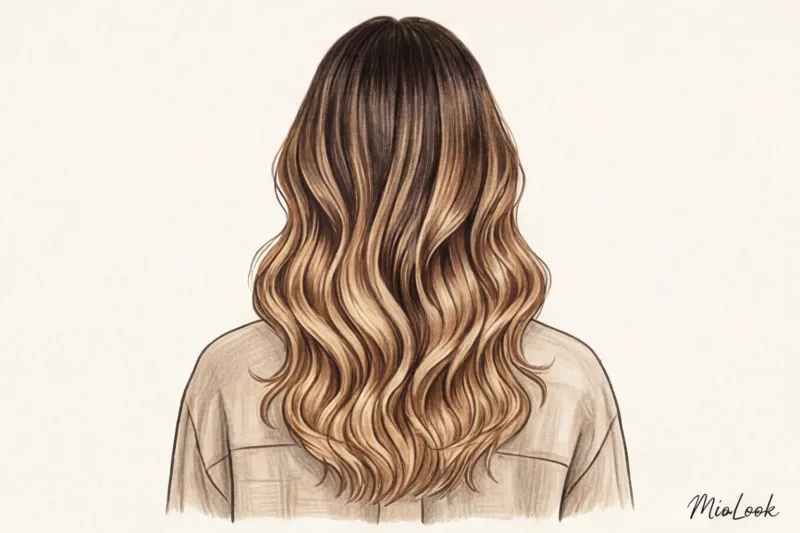
Consider techniques like Airtouch, Balayage, or Root Smudge (root darkening with a gradual blending). They blur the harsh demarcation line as your hair grows out. Yes, a complex initial coloring session at a reputable European salon will be expensive—in the range of €200–€350—but you'll wear it for 4 to 6 months, with only occasional touch-ups.
Access to MioLook for €0.99 — one-time payment
Having trouble imagining how a new hair color will fit into your wardrobe? Upload your items to the MioLook smart wardrobe and create harmonious looks in just a few clicks.
Get access — €0.99 onceChecklist: How to prepare for a salon visit
Have you chosen your shade? Don't rush to book an appointment. A radical color change (more than three shades) always triggers a chain reaction. It will inevitably lead to a makeup overhaul and a wardrobe overhaul. To avoid wasting money, follow these three simple steps:
- Collect the right references. Don't show your stylist photos of Gigi Hadid if you have Asian hair. Look for models with your hair density and similar skin and eye color.
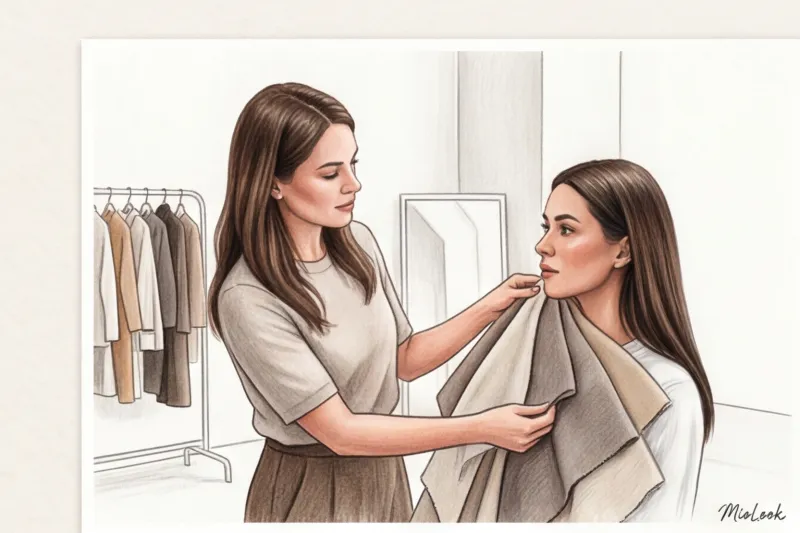
- Draping test. Before applying the dye, hold a cloth in the color you plan to dye your hair (or a close match) to your face. This is an old stylist trick. If the cloth makes your face look washed out, your hair color will do the same.
- Keep in mind the one-third rule. If you're changing your hair color dramatically, you'll need to update at least a third of your wardrobe. Read our article on how to do this without breaking the bank. capsule wardrobe Sometimes the transformation even requires reconsidering the shape of the haircut - women's haircuts by face shape in combination with a new color they can give the effect of full-fledged plasticity.
Choosing a hair color isn't a lottery or blindly following TikTok trends. It's a precise science that combines color theory, skin physiology, and texture. The main rule I've learned over years of working with style is that the best hair color isn't the one that looks spectacular on the stylist's palette, but the one that allows you to leave the house without a drop of makeup, feeling fresh and rested.