What is a footer?
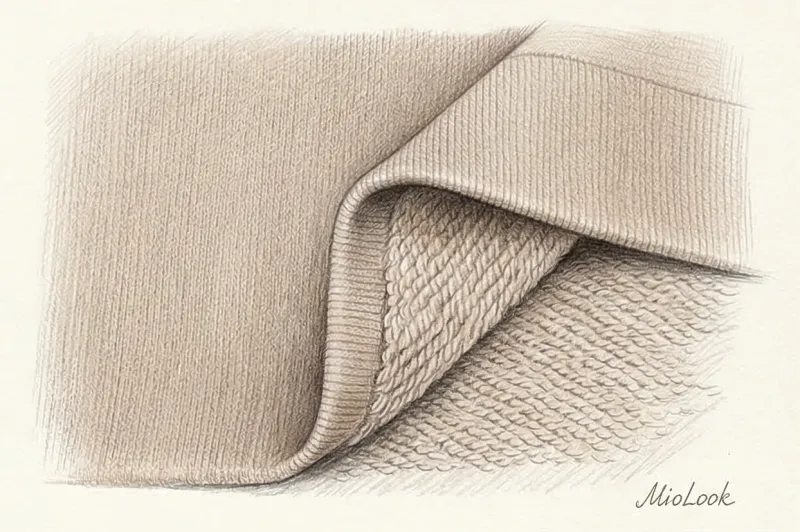
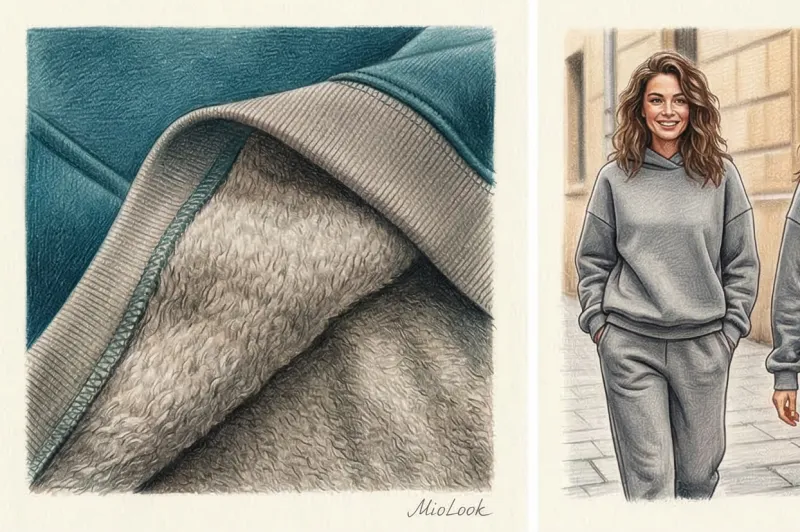
Footer — is a dense knitted fabric, the front side of which has a smooth texture, and the back side has a soft looped or pile surface.
People often ask what kind of fabric footer is. Technically, it's not a fabric, but a knit. It's knitted on special knitting machines, not created by interweaving threads on a loom. The material is primarily cotton. To increase wear resistance, elasticity, and prevent deformation, synthetic fibers such as polyester, elastane, or lycra are added.
A distinctive feature of the production process is the knitting of additional lining threads on the reverse side. These create characteristic loops or piles, without showing through to the smooth face.
Main types
Materials are classified by the number of threads used in knitting. This determines their density, weight, and the intended use of the finished product.
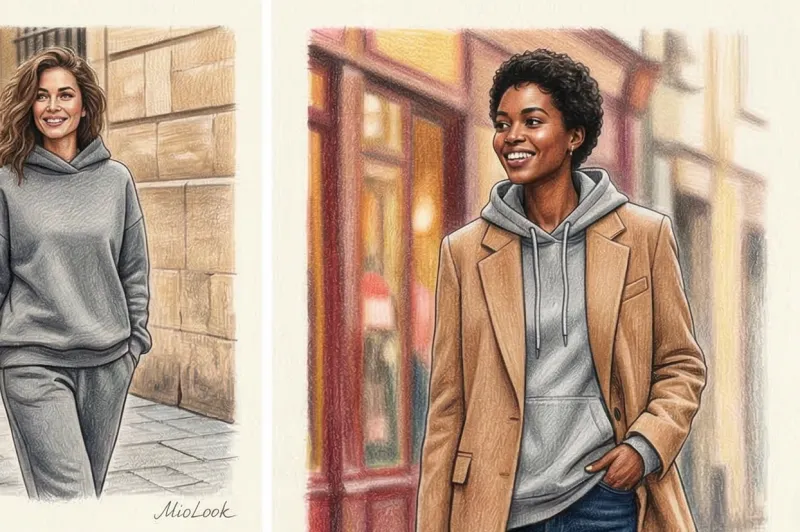
- Single-thread footer — the thinnest type of material. It is made exclusively from cotton and is used primarily for children's clothing, thin long sleeves, and lightweight underwear.
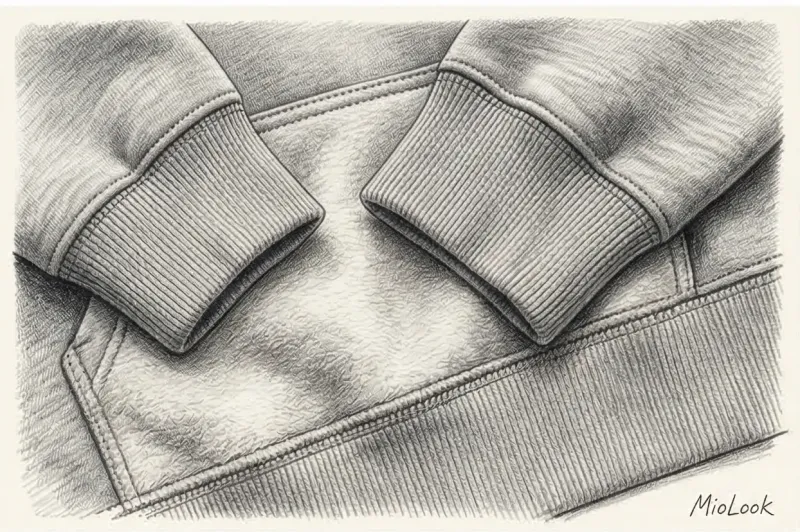
- Double-thread footer (double-thread) - a medium-density material with pronounced loops on the back, which in international terminology is often called French Terry It is used to create lightweight tracksuits, basic sweatshirts, straight-cut dresses, and shorts.
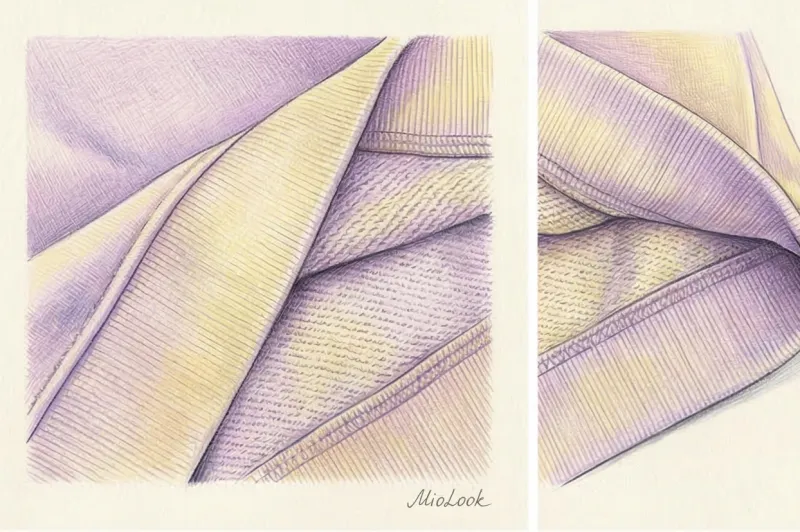
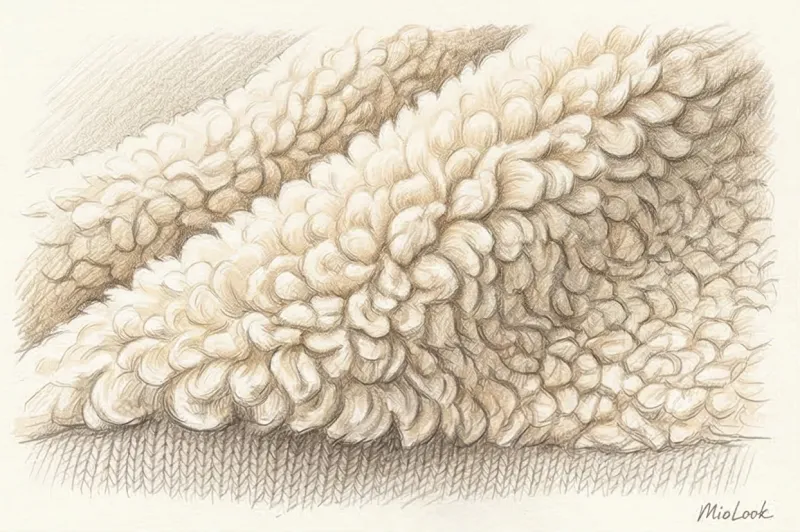
- Three-thread footer (three-thread) — the densest and warmest option. Its backing can be made with a thick pile (brushed) or a thick diagonal loop. This type is used for sewing winter hoodies, joggers, and insulated suits.
How to care
It is recommended to wash items made from this material at 30-40 degrees Celsius on a delicate cycle. The high cotton content may cause noticeable shrinkage when washed in hot water.
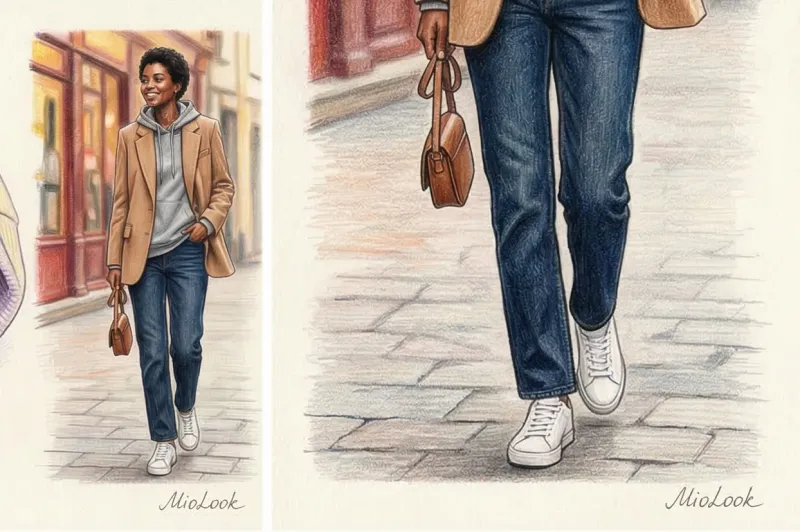
Before washing, hoodies, sweatshirts, and joggers should be turned inside out. This protects the face fabric from friction in the drum and pilling, and also preserves metal and plastic hardware.
Iron the fabric face down, using a cotton temperature setting. Avoid ironing the brushed back side to avoid crushing or damaging the warming pile.
It's best to dry thick knitwear flat on a surface. Keep away from direct sunlight and heating devices to prevent pigment fading and fiber deformation.