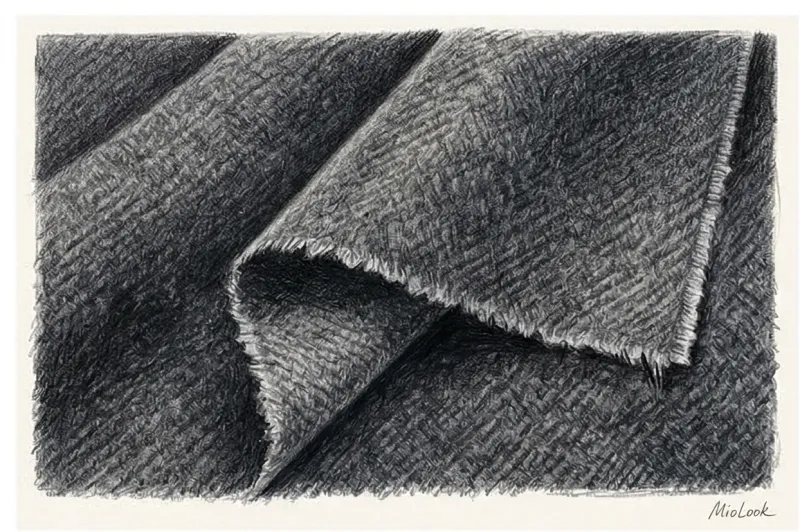
What is drape?
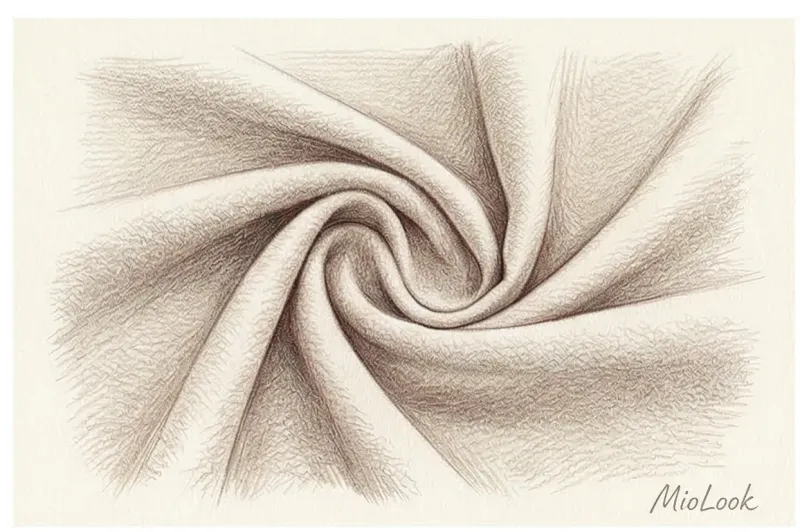
Drape — is a dense, heavy woolen or semi-wool fabric with a complex, usually two-layer weave and high thermal insulation properties. The term "drape fabric" is applied to materials with a dense pile that completely conceals the weave of the threads on the surface.
The name of the material comes from the French word drap , which translates as "cloth." Traditionally, the fabric is produced using a machine spinning method followed by intense felting, which makes the warp and weft threads invisible.
The material's main physical characteristic is its ability to hold its shape perfectly. The fabric virtually does not fray on exposed edges, provides reliable wind protection, retains heat, and is highly wear-resistant.
Main types
Based on the raw material composition, the material is divided into pure wool and semi-wool. Pure wool contains at least 85% natural wool and has the highest heat capacity. Semi-wool fabrics are mixed with viscose, nylon, polyester, or nitron to reduce the weight of the finished product, reduce production costs, and increase tensile strength.
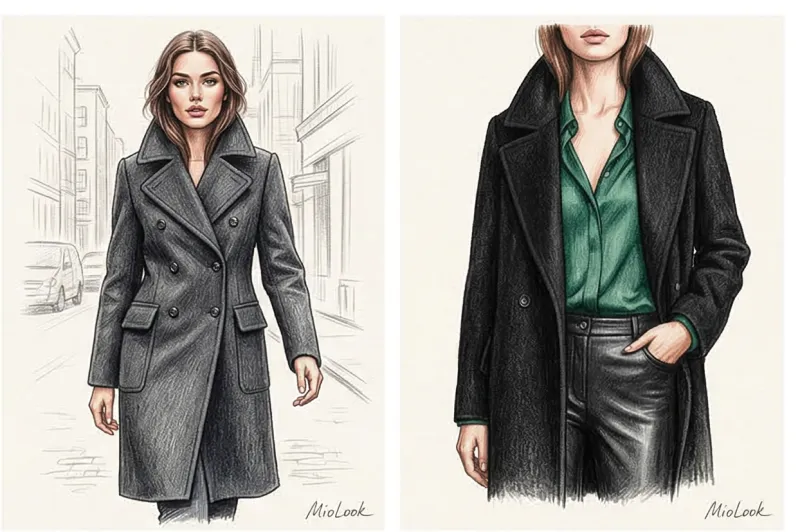
Based on the texture of the front surface, fabrics are classified as piled or lint-free. Pile drapes, such as velor, have a short, dense, and soft pile. Lint-free alternatives have a smooth, matte cloth surface.
According to the dyeing method, fabrics are classified into three groups:
- Plain painted - plain materials of uniform color;
- Melange - woven from fibers of different shades to create a mottled, uneven effect;
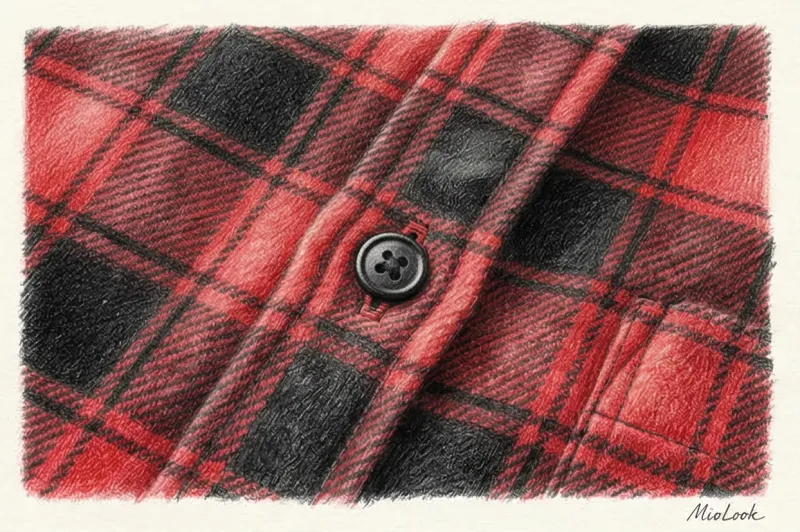
- Multicolored — forming a geometric pattern by interweaving multi-colored threads, such as a check or houndstooth.
How to use
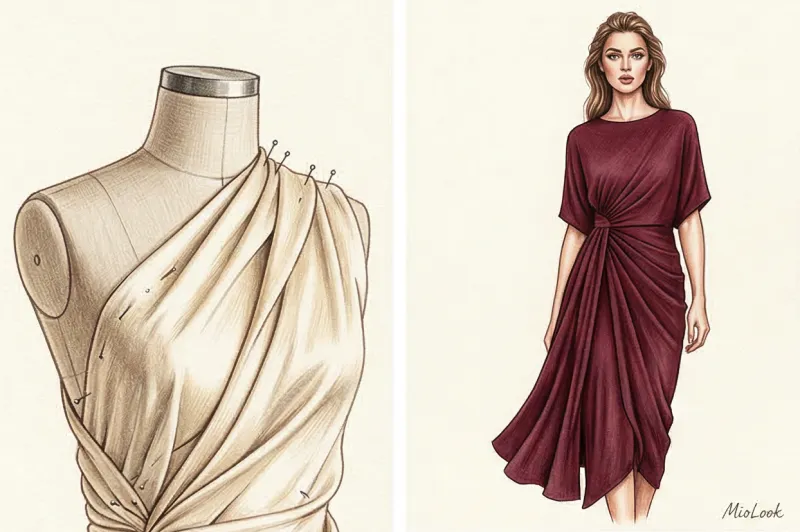
The fabric's primary wardrobe use is for structured outerwear. It's used to create classic winter and mid-season coats, pea coats, duffle coats, and shape-stabilizing headwear such as hats and caps. Warm, thick A-line skirts are also common in women's wardrobes.
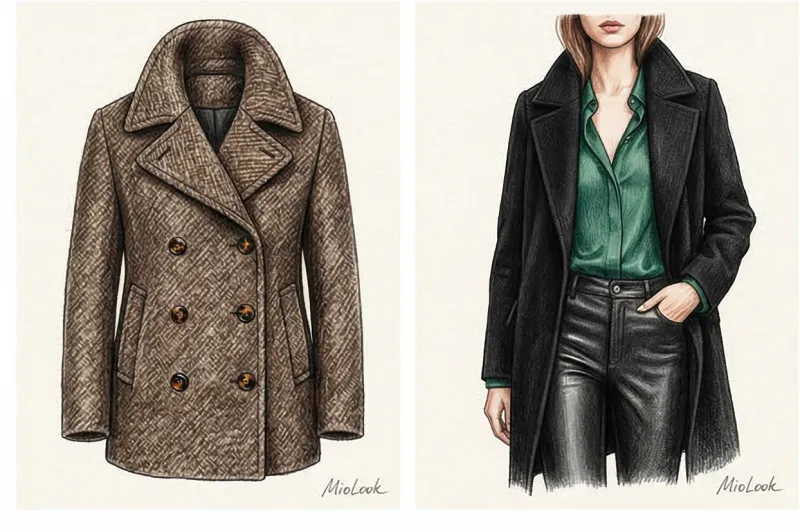
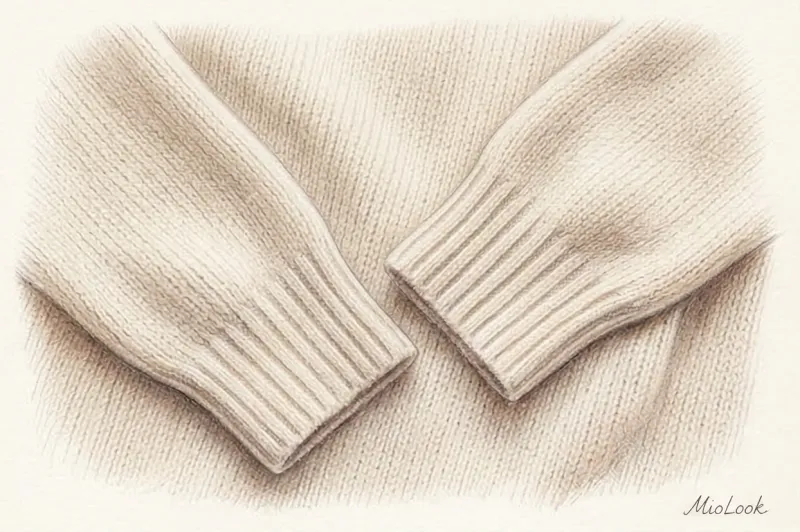
The massive, matte, and dense texture of drape requires visual balance when styling. A drape coat pairs harmoniously with contrasting smooth materials. Fine leather, flowing silk, delicate cashmere, and smooth basic knits are ideal companions.
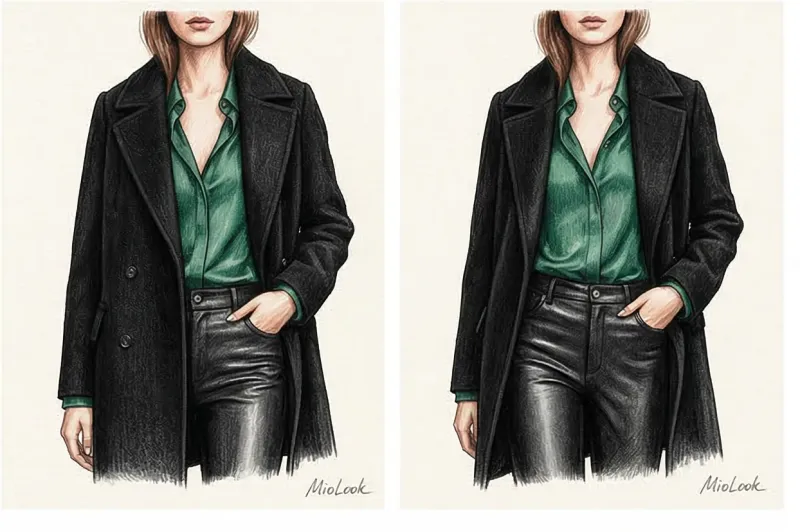
Drape items should never be washed at home due to the risk of irreversible shrinkage and loss of shape. Only professional dry cleaning is permitted. Such garments should be stored on wide, anatomically designed hangers, and localized dirt and dust should be regularly removed with a soft clothes brush.