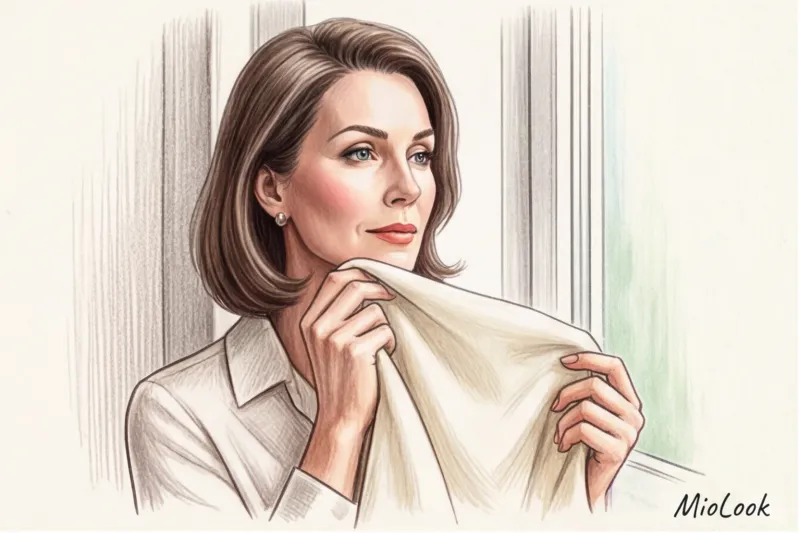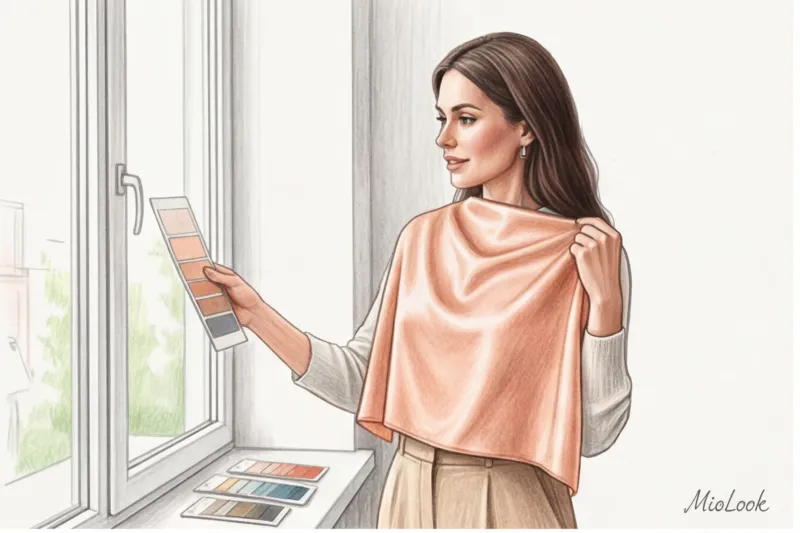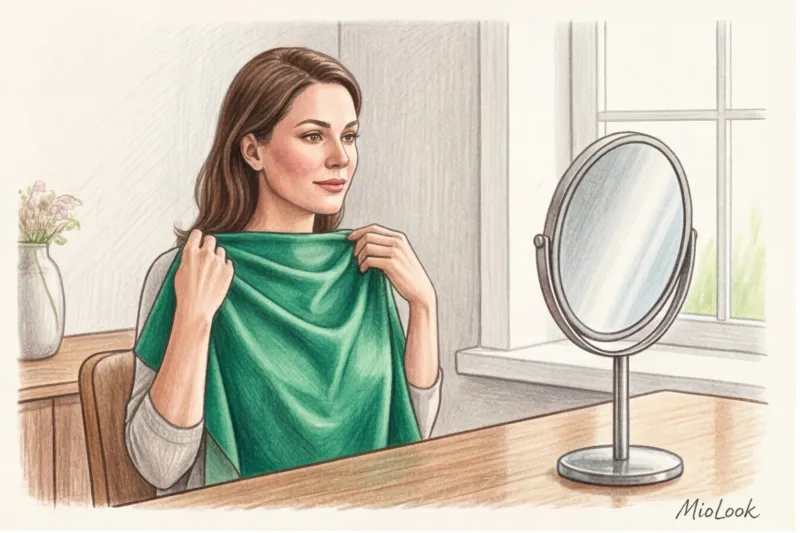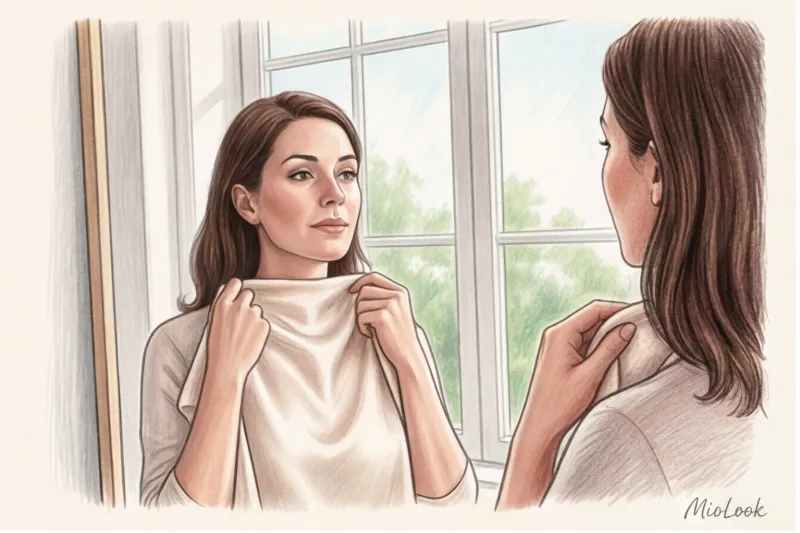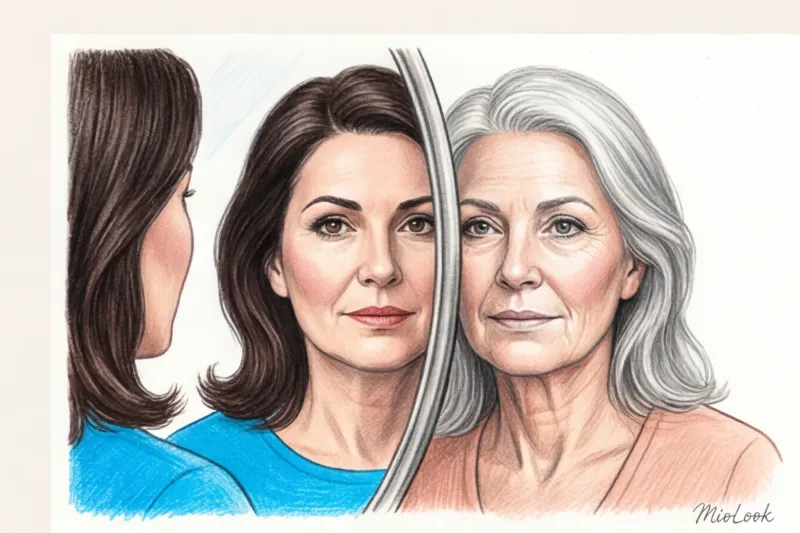
Over 14 years of working as a stylist, I've discovered a pattern: between the ages of 42 and 45, almost every other client comes to me in a state of mild panic. "Olena, my clothes haven't worked!" they say. That same fuchsia blouse that made a 25-year-old girl the life of the party suddenly begins to mercilessly highlight signs of fatigue, and that favorite, formal black jacket instantly adds five years to her appearance.
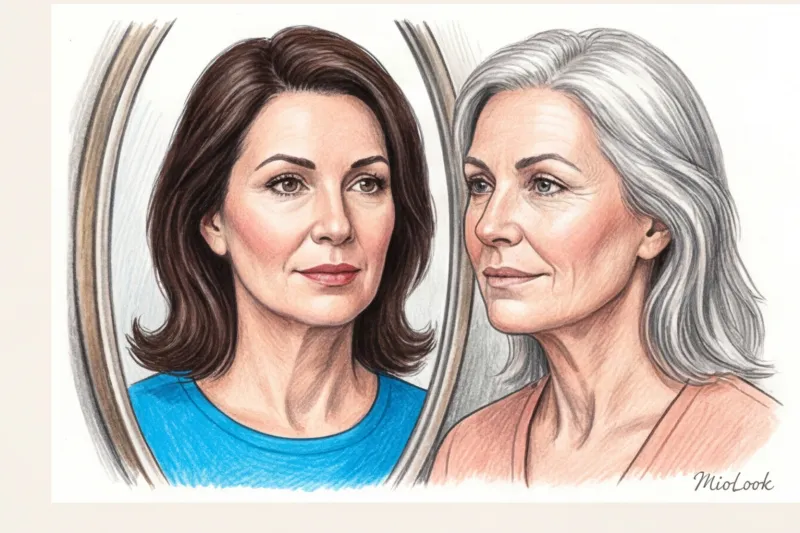
Women start to doubt themselves, blaming everything on stress or poor sleep. But that's not the point. I'm often asked: Does color type change with age? The short answer is yes and no. Your basic appearance remains the same, but the way your skin reacts to light and color changes dramatically.
We talked about the physics of color in more detail in our the complete guide to anti-aging coloristics , and today we'll explore the practical side. I'll show you how to stop hiding behind boring shades and why your favorite colors don't need to be thrown out—they just need to be re-tuned.
Physiology of color: does color type really change with age?
Let's get this straight: if you were born with a cool skin tone ("Winter" or "Summer"), you won't magically transform into a warm "Autumn" by age 50. Your skin temperature is stable. The main age-related change that forces us to rethink our wardrobe is a drop in the level of natural contrast.
According to the International Institute of Dermatological Research (2023), after age 40, the natural contrast of the face decreases by an average of 20–30%. How does this work in practice?
- Decreased melanin production: Hair loses its richness (even before obvious graying appears), eyebrows become thinner and lighter, and the iris of the eye becomes less bright.
- Changes in microcirculation: Hemoglobin levels in the skin's capillaries change, causing that girlish flush and dewy glow ("dewy skin") to disappear. The complexion takes on a more matte, sometimes grayish, undertone.
- Thinning of the skin: Capillaries and blood vessels become closer to the surface, so the skin reacts completely differently to red and pink highlights from clothing.
One of my clients, "Zim," a stunning brunette, stubbornly continued to wear a deep black color near her face at 45. She wondered why she looked tired every morning, even after eight hours of sleep. The answer was simple: her natural contrast had softened, and the harsh black color began to stand out, leaving her face "in shadow."
Access to MioLook for €0.99 — one-time payment
A smart AI stylist will select the perfect look based on your individual characteristics.
Get access — €0.99 onceThe main myth: "After 40, you should switch to beige and pastel."
This is perhaps the most harmful advice still peddled by glossy magazines. The logic goes like this: light colors are refreshing, so you should dress head to toe in powder, nude, and beige.

I remember a client named Elena coming to me. She'd spent about €800 on the perfect Max Mara-inspired basic capsule—all camel, sand, and pale beige. And she complained she felt like a "pale moth." Why was that?
"According to the law of simultaneous contrast, described by color theorist Johannes Itten back in 1961, colors always interact with each other. If the color of clothing is too dull and blends with the skin, the face against it appears even paler and more tired."
Women over 35 absolutely need a strong color base. You need clear, clean (but not acidic!) shades. Dusty, dirty beige and gray tones will simply blur your features.

The Photoreflective Effect: How Colors Work on Skin After 35
If you've ever been to a professional photo shoot, you've seen the photographer place a white or silver screen—a reflector—underneath. It illuminates the face from below, blurring shadows under the eyes and smoothing out the nasolabial folds. Anything in your portrait zone (from the chest to the chin) works in exactly the same way.
Dark Shades: Why Black Is No Longer Your Best Friend
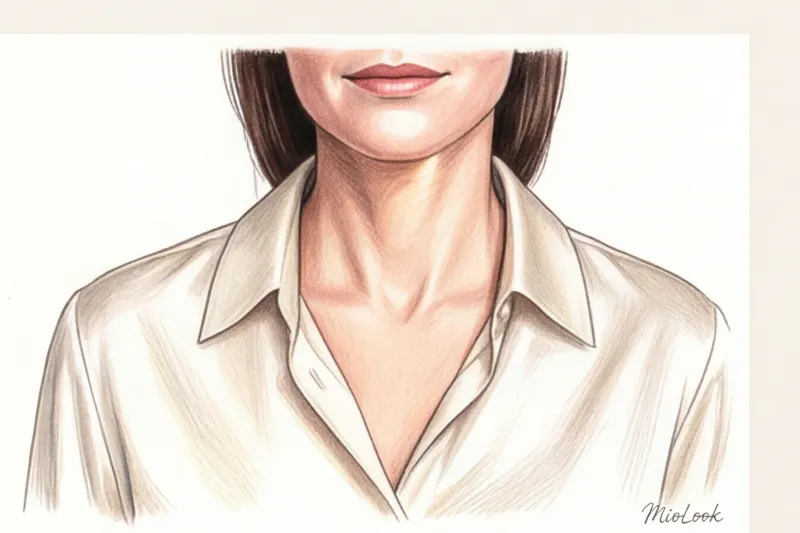
The myth goes: black is slimming and always looks elegant. The fact is, for women over 35, matte black near the face is a merciless shadow enhancer. Matte fabric absorbs light. Black under the chin will highlight every wrinkle, jowl, and under-eye bags.
Does this mean dark colors are off-limits? Absolutely not! Just replace dull black with graphite, dark chocolate, deep navy, or pine. They create the same slenderness and sobriety, but don't suck the life out of your face.
Light Shades: Finding Your "Ring Light"
There's another pitfall here. Pure white (the color of office paper) is too harsh. Against it, the slightest yellowness in teeth or the whites of the eyes becomes obvious. Your salvation lies in shades of white: ivory, ecru, eggshell, pearl. They act like a ring light with a soft, warm filter.
Four-Season Transformation: How to Refresh Your Palette Without Stress
When asked whether color type changes with age, stylists often use the term "fine-tuning." We don't ruin your style; we just slightly adjust the brightness and contrast sliders. If you're unsure how new shades will fit into your wardrobe, I recommend using MioLook — there you can digitize your things and try out combinations before going to the store.
Here's how to adapt the 4 classic seasons:
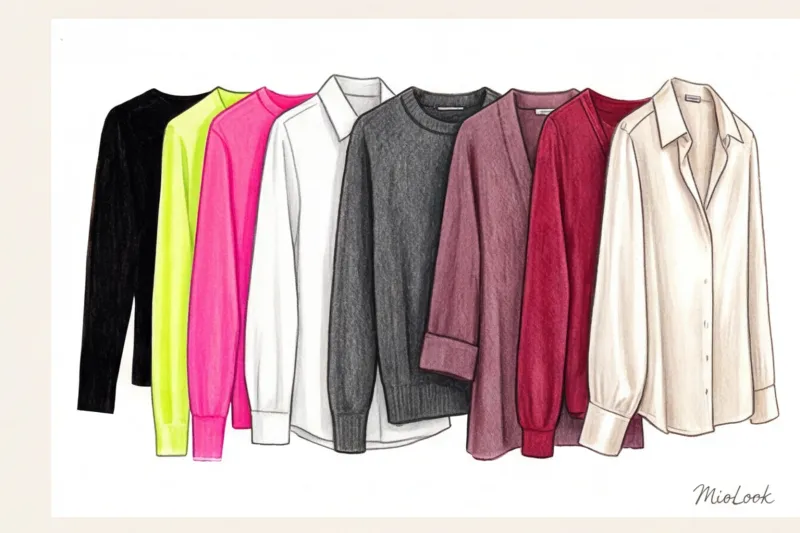
- Adaptation for Winter: Your trump card is icy contrast. But instead of pure black and neon fuchsia, move to anthracite and deep berry shades (raspberry, cherry). Soften the contrast through texture: black silk works better than matte black cotton.
- Adaptation for Summer: Avoid overly dusty, grayish tones that make the face look tired. Move toward clearer, cooler shades: sky blue, lilac, and frosty morning.
- Adaptation for Spring: Reduce the heat. Hot orange and light green are best replaced with soft peach, salmon, and the warm color of young greens.
- Adaptation for Autumn: Replace dull, swampy, and earthy tones with refined terracotta, camel, rust, and copper. They'll add the warmth you need without the "dirty skin" effect.
Your perfect look starts here
Join thousands of users who look flawless every day with MioLook. Experience your palette in a whole new light.
Get access — €0.99 onceGray hair as a new accessory: a radical change in color type
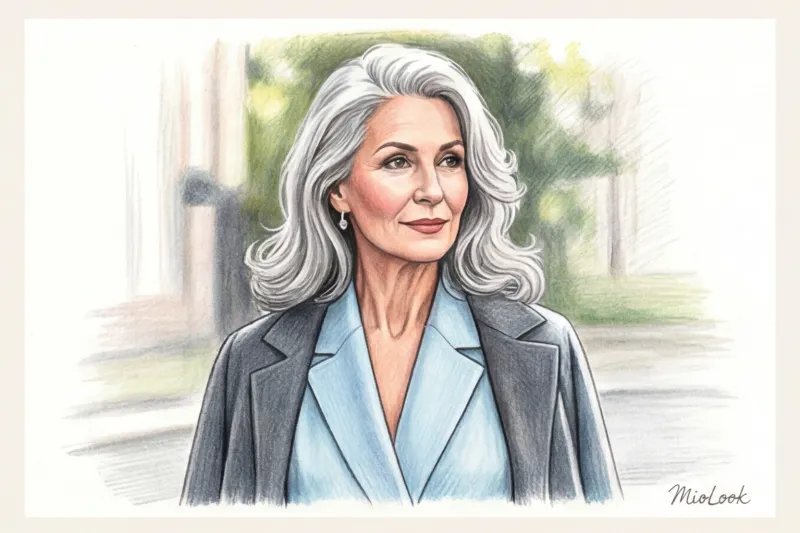
There's one scenario where a person's color type truly changes dramatically—the transition to natural gray hair. According to WGSN analysts (2024), the "silver hair" trend has finally taken hold. Women are tired of dyeing their roots every three weeks.
If you've decided to keep your gray hair, it's important to understand: silver hair dramatically cools your appearance. Even if you've been a warm "Autumn" your whole life, warm brown, mustard, and orange tones will now clash painfully with your hair.
New rules for silver hair:
- Your best friends are icy pastels, silver, emerald, sapphire and all shades of blue.
- Avoid yellow-green and khaki colors - they make gray hair look unkempt.
- Makeup should be a little brighter: gray hair takes away the contrast, so you need a clear brow line and berry (not beige!) lipstick.
Stylist's Checklist: 5 Rules of Anti-Aging Coloristics in Practice
Theory is great, but how do you apply it every day? Over the years, I've gathered practical techniques that will save any look.
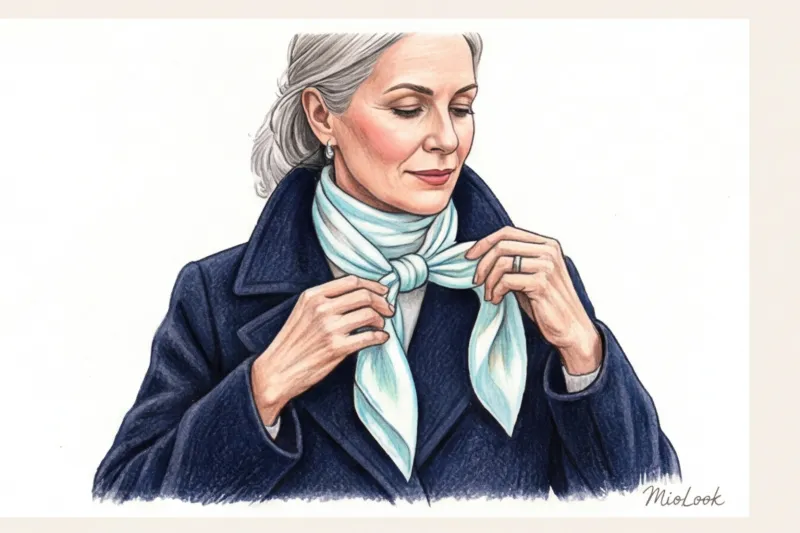
- Divide and conquer. Not ready to part with your favorite black jacket? No need. Simply separate it from your face with a light-colored piece. This could be a silk scarf, the collar of a light-colored shirt, or a chunky pearl necklace.
- Shine on the face. Swap matte cotton turtlenecks for blouses with a light satin finish (a basic viscose or silk-blend blouse in the mass-market segment will cost around €50–€90). This subtle sheen instantly illuminates the skin.
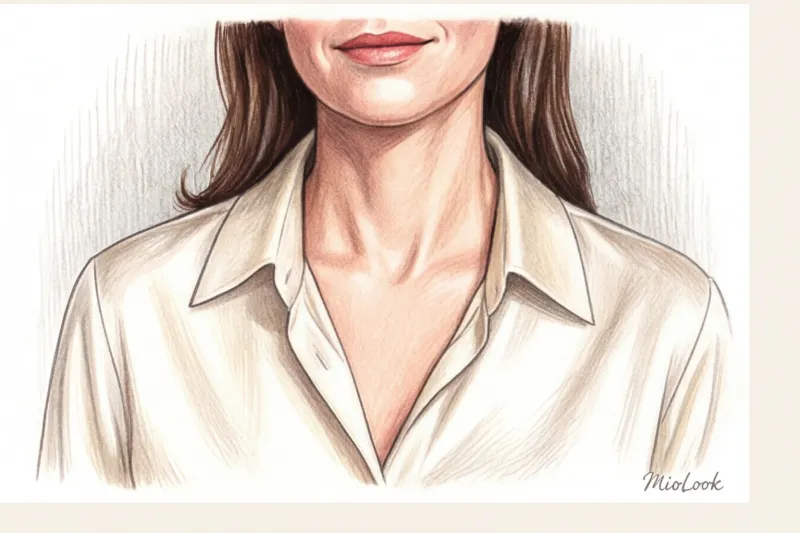
- The neckline as a buffer zone. The deeper the neckline, the less impact the color has on your face. If the color isn't your thing, simply reveal your collarbones (V-neck). Fair warning: this tip does NOT work for women with very short necks, as a deep V-neck can throw off the proportions. In this case, opt for an open U-neck or leave the top buttons of your shirt unbuttoned.
- No-makeup test. In the fitting room, always evaluate the color of the garment without heavy makeup and in daylight. If the item makes you look healthy and rested without concealer, buy it without hesitation.
- Moving dangerous colors down. Do you adore neon lime or that same deep black? Wear them away from the portrait zone: pants, skirts, shoes, bags. They're completely safe there.
Age-related changes aren't a reason to hide in boring clothes or panic. Your palette should mature with you, becoming more complex, refined, and elegant. Don't give up color entirely—just learn to control its brightness and texture.